Chinese Bronze Replicas: MOQ, Samples & Finish Terms
Chinese Bronze Replicas Require Clear MOQ, Sample, and Finish Agreements
For importers, galleries, distributors, interior project teams, and collectors, a first supplier inquiry should do more than request a price. It should establish the commercial and technical terms that determine whether the finished artwork matches the intended reference. When sourcing Chinese Bronze Replicas, buyers should define the requested quantity, prototype expectations, dimensions, bronze alloy requirements, surface color, packaging needs, and approval process before production begins.
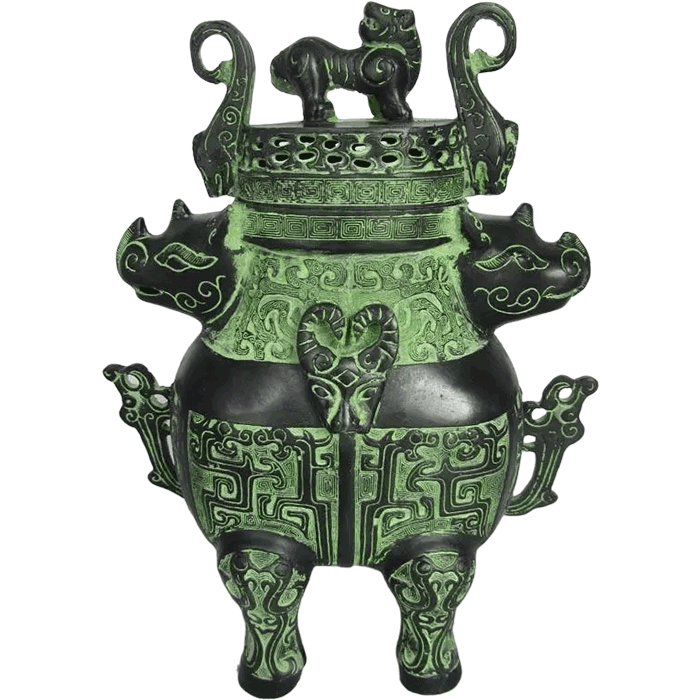
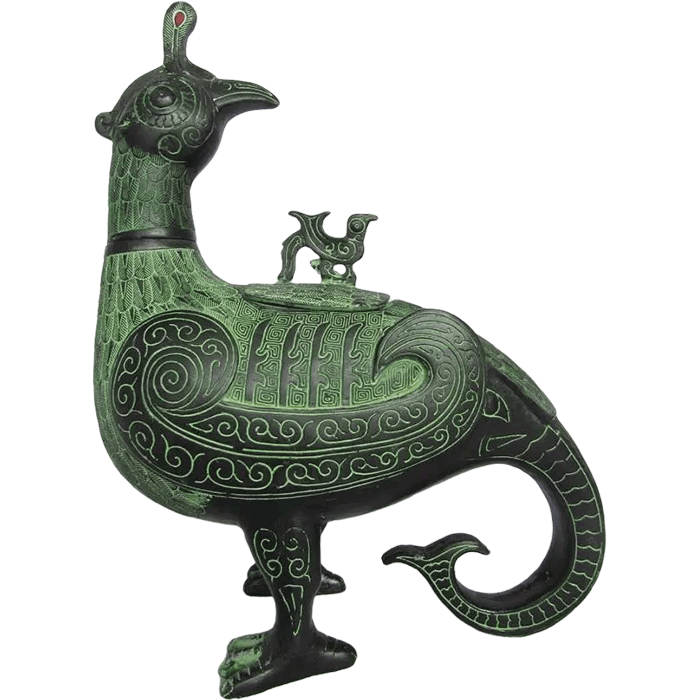
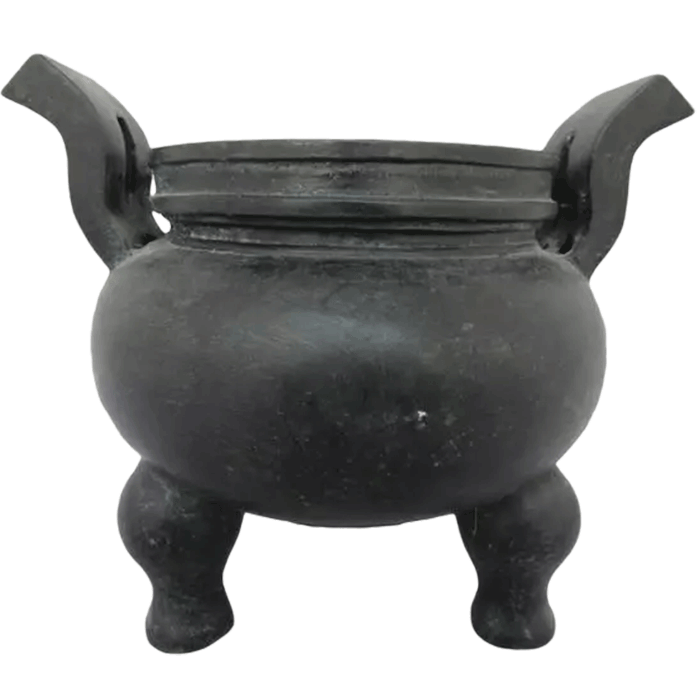
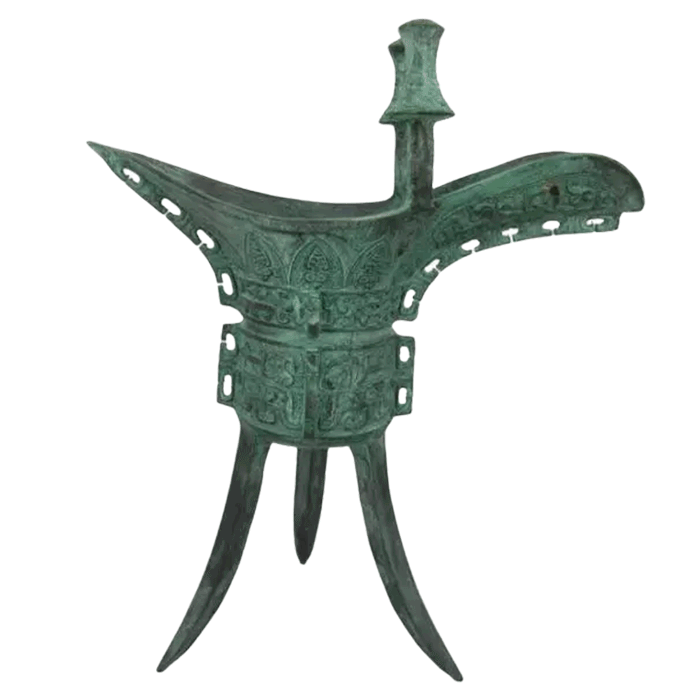
Luoyang Yichuan Bronze Craft Co., Ltd. produces bronze sculptures, human and animal statues, ritual-style vessels, ding, zun, hu forms, tripods, vases, bronze mirrors, incense burners, Buddhist statues, and custom bronze artworks. Based in Yichuan County, Luoyang, Henan Province, the company operates a 3,000-square-meter production area with more than 30 skilled craftsmen, including bronze-casting masters and finishing artisans. Its annual output exceeds 50,000 bronze art pieces, supporting both one-piece custom commissions and negotiable bulk production programs.
A well-prepared inquiry helps both buyer and manufacturer assess feasibility early. It also reduces the risk of misunderstanding over what “antique,” “green,” “dark brown,” “museum-style,” or “hand-finished” means for a particular object. The following guide explains the commercial terms that should be discussed before placing an order.

MOQ Terms for Chinese Bronze Replicas
MOQ means minimum order quantity. In bronze art manufacturing, MOQ is not always a fixed number because the cost structure depends heavily on the design, scale, mold requirements, surface treatment, and handling needs of the individual piece. A small detailed figure, a large outdoor animal statue, and a lidded ritual vessel may each require different production preparation.
Luoyang Yichuan Bronze Craft Co., Ltd. accepts custom sculpture orders from one piece. This is useful for buyers who need a prototype, a one-off commemorative artwork, a display piece, a restoration-related reproduction, or an initial product evaluation before developing a wider collection. For bulk orders, quantities can be discussed according to artwork size and design complexity.
Why a one-piece MOQ does not mean identical pricing at every quantity
A single custom work may involve model development, mold making, wax preparation, casting, chasing, polishing, patina work, inspection, and export-protective packing. These activities may be necessary whether the buyer orders one piece or many pieces. In a larger run, some preparation work can be distributed across more units, but the degree of savings depends on whether the artworks use the same mold, the same finish specification, and the same packing format.
Buyers should therefore request pricing in clearly separated scenarios, such as one prototype, a small batch, and a larger production run. This approach provides a more useful purchasing comparison than asking only for a “best price.” It also helps the buyer decide whether the initial piece should be treated as a sellable item, an approval sample, or a separate development stage.
Information needed for an MOQ quotation
To receive a more relevant quotation, provide as much of the following information as possible:
- Product type, such as a bronze horse, Buddhist statue, incense burner, mirror, ding, zun, hu, tripod, or vase.
- Reference photographs, line drawings, dimensions, or a physical sample where available.
- Required height, width, depth, wall thickness expectations, and approximate weight range if known.
- Requested quantity for the first order and likely future quantities.
- Whether the artwork is for indoor display, outdoor installation, retail sale, hospitality decoration, or a private collection.
- Required finish, including antique brown, dark bronze, blackened bronze, green patina, polished highlights, or a modern surface effect.
- Destination country and any packing, labeling, or import documentation requirements communicated by the buyer.
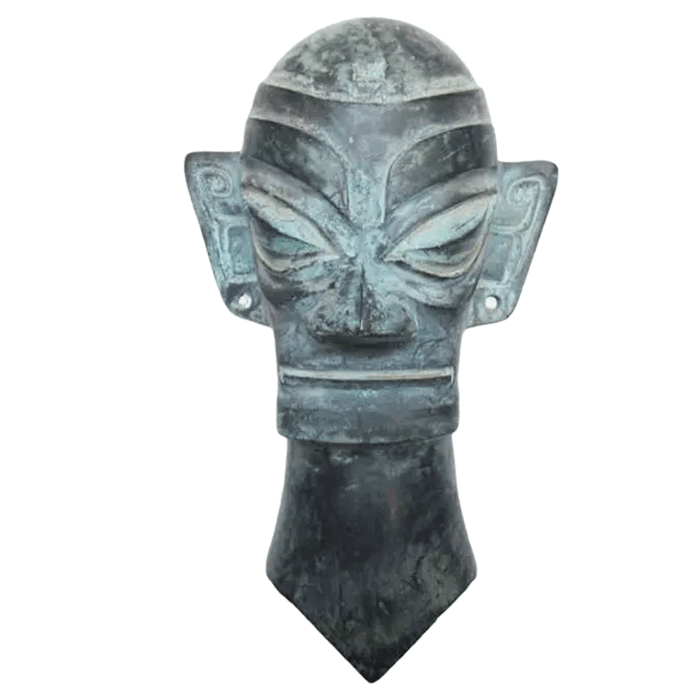
For buyers comparing historically inspired forms, it is helpful to distinguish between a general period style and an exact reproduction. A vessel inspired by ancient forms may allow more flexibility than an exact dimensional replication of a supplied reference. Product references can also be clarified by reviewing examples of chinese bronze sculpture styles and discussing which visual details must remain unchanged.
Prototype Samples and Approval Samples
Samples are one of the most important commercial tools for custom bronze work. They allow the buyer to evaluate proportion, texture, detail interpretation, casting quality, assembly, and patina before a production decision is made. However, “sample” can mean different things, so the type of sample should be stated clearly in the inquiry.
Common sample stages
| Sample Stage | Purpose | Key Buyer Approval Points |
|---|---|---|
| Reference review | Confirms the intended style, measurements, and visible details. | Design source, scale, inscriptions, ornaments, and required changes. |
| Prototype or master sample | Provides a physical basis for evaluating the artwork before a larger run. | Overall form, proportions, sculptural details, joins, and surface texture. |
| Finish approval sample | Confirms the intended patina and polish level on the specified bronze surface. | Color direction, variation, highlights, recess shading, and sheen. |
| Pre-shipment review | Verifies that completed goods meet the agreed production specification. | Quantity, appearance, finish consistency, and packing condition. |
For complex work, buyers should avoid approving a project from a single general photograph alone. A good approval record may include front, side, and rear views; close-up images of decorative relief; scale confirmation; finish references under agreed lighting; and written notes identifying accepted and rejected characteristics. If the reproduction includes inscriptions, masks, animal motifs, handles, or openwork sections, each feature should be identified in the approval discussion.
Exact replication requires especially careful reference control. A supplier needs the best available visual and dimensional information to reproduce an antique bronze accurately. Buyers should identify whether natural age marks, casting textures, corrosion-like effects, repair lines, or irregularities are required in the final design or should be excluded. The goal is to avoid treating accidental damage on a reference object as an unspoken production requirement.
When commissioning historical objects, background knowledge can improve communication. For example, buyers researching a major ritual vessel may consult information on the houmuwu square cauldron before specifying a related form, decorative pattern, or visual weight. This does not replace a production drawing, but it can help establish the intended cultural reference.
How to state sample acceptance terms
Buyers should put sample acceptance terms in practical language. Rather than saying “finish must be perfect,” specify the observable features that will be evaluated. For example: “The patina should be predominantly deep brown with subtle green variation in recessed areas, while raised edges should retain restrained hand-polished highlights.” Clear language gives the finishing team a usable target.
It is also useful to state what level of hand-made variation is acceptable. Lost-wax casting and hand finishing are craft processes, and a buyer may accept slight surface variation while requiring key dimensions, facial features, ornamental layout, or logo placement to remain consistent. These priorities should be ranked before the sample is approved.
Finish Terms: Patina, Polish, and Surface Character
The finish is often the feature that most strongly affects the perceived value and authenticity of a bronze artwork. Two pieces cast from the same design can look very different after different patina and polishing choices. For this reason, finish terms should be treated as a documented specification rather than a final informal preference.
Luoyang Yichuan Bronze Craft Co., Ltd. uses premium Cu-Sn bronze alloy and the traditional lost-wax casting method. Hand chasing, polishing, and patina finishing are available for antique or modern visual effects. Buyers should describe not only the requested color but also the intended surface character: matte, satin, low sheen, darkened, polished, weathered-looking, or contrast-highlighted.

Terms worth defining in a finish brief
- Base color: The dominant overall tone, such as deep brown, black bronze, warm brown, or green-toned bronze.
- Patina distribution: Whether color should be uniform, naturally varied, concentrated in recesses, or layered over selected areas.
- Polished highlights: Whether raised edges, facial details, handles, or decorative bands should show brighter metal tones.
- Surface texture: Whether the piece should appear smooth, lightly textured, hand-chased, aged, or intentionally irregular.
- Gloss level: Whether the artwork should be matte, low sheen, satin, or more reflective.
- Reference standard: The approved photograph, physical sample, or written description used for comparison.
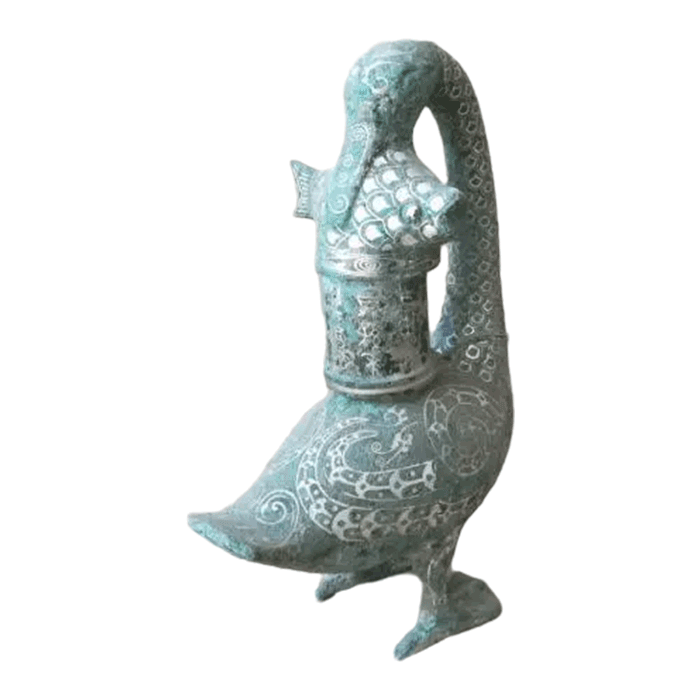
Terms such as “antique green” can be interpreted differently without a visual reference. Green may appear muted and brown-based, blue-green, dark and oxidized-looking, or brighter on selected textured zones. Likewise, “antique bronze” may mean a dark brown decorative finish to one buyer and a green-and-brown layered appearance to another. Supplying reference images and identifying the preferred image is more reliable than relying on a color name alone.
Buyers seeking display objects for residential or commercial interiors should also consider lighting. A dark patina may appear nearly black in one setting but reveal brown and green complexity under focused lighting. A polished surface may show stronger reflections than expected in a bright lobby. The intended installation environment should therefore be part of the finish discussion, particularly for larger bronze home decor programs.
Production, Quality Inspection, and Packaging Terms
Once the MOQ, sample, and finish requirements have been agreed, the purchase specification should address production confirmation, inspection, and packaging. This is important for fragile sculptures, extended elements, detachable components, sharp decorative details, and surfaces that could be marked by inadequate protection during transport.
Luoyang Yichuan Bronze Craft Co., Ltd. operates under an ISO 9001 quality management system, and its products comply with export quality inspection standards for art crafts. Quality inspection is carried out before every shipment. The company also provides free replacement for casting defects and after-sales support for patina touch-ups and restoration guidance.
What to include in a pre-shipment checklist
- Confirm the approved product name, item number, and ordered quantity.
- Confirm final dimensions and any required tolerance instructions.
- Compare the overall form and critical sculptural details with the approved reference.
- Review the agreed patina color, polish level, and visible surface treatment.
- Check for casting defects, damage, unstable parts, or unacceptable surface issues.
- Confirm protective packaging appropriate to the artwork’s weight, shape, and fragile features.
- Confirm carton marks, labels, packing lists, and buyer-provided shipping instructions where applicable.
Protective packaging deserves special attention for bronze art. A heavy base, a projecting arm, an animal tail, a vessel handle, or a delicate ornament may require different internal support arrangements. Buyers should disclose whether the goods will be shipped individually, palletized, consolidated with other products, or forwarded through a third-party logistics provider. Export-compliant protective packaging is particularly relevant when the work includes fragile sculptural forms.
It is also useful to distinguish casting defects from the intentional hand-finished characteristics of an antique-style artwork. If the buyer requests a weathered, textured, or aged visual effect, the approved sample should make clear which marks are deliberate features and which conditions are unacceptable. This reduces disagreement during inspection.
A Practical First Inquiry Template for Buyers
A complete inquiry does not need to be lengthy, but it should answer the questions that affect cost, feasibility, and visual results. The following structure can be copied into a sourcing request for Chinese Bronze Replicas:
- Product: State the artwork type and intended use.
- Reference: Attach images, drawings, measurements, or a product sample description.
- Size: Provide height, width, depth, and preferred scale.
- Quantity: State prototype quantity, first order quantity, and possible repeat quantity.
- Material: Confirm bronze alloy expectations and any special construction needs.
- Finish: Describe base color, patina placement, polish level, texture, and reference images.
- Sample requirement: State whether a prototype, finish sample, or both are required before production.
- Quality requirements: Identify critical details, inscriptions, dimensions, assembly points, and acceptable variation.
- Packaging: Explain destination, handling concerns, individual packing needs, and labeling requirements.
- Commercial request: Ask for quotation terms, sample cost, estimated production discussion, and payment terms appropriate to the order.
For a custom human or animal sculpture, include clear views of the face, hands, feet, mane, feathers, fur texture, or other identity-defining elements. Buyers may also review available bronze animal statues to identify the type of modeling and presentation they expect. For vessels, specify whether the object is decorative only or must include a functional opening, lid, handles, or internal dimensions.
Clear commercial terms do not remove the artistry from bronze manufacturing; they give that artistry a reliable framework. By defining MOQ expectations, approving a suitable sample stage, documenting the desired finish, and confirming inspection and packaging requirements, buyers can make their first inquiry more efficient and more comparable across sourcing options. This creates a stronger foundation for a one-piece custom commission, a retail collection, or a negotiated bulk production program.