Chinese Bronze Replicas: Export Packing and Documents
Chinese Bronze Replicas: A Practical Guide to Export Packing and Documents
Once a distributor or project buyer has confirmed an order, the real work of an international bronze shipment begins. Selecting the right foundry is only the first step. What follows — packing, documentation, insurance, and customs clearance — determines whether a shipment of fine bronze arrives intact and clears port without delay. This guide walks through the practical requirements for shipping Chinese bronze replicas overseas, from crate construction to the paperwork customs officers expect to see.
Why Export Packing Deserves as Much Attention as the Casting Itself
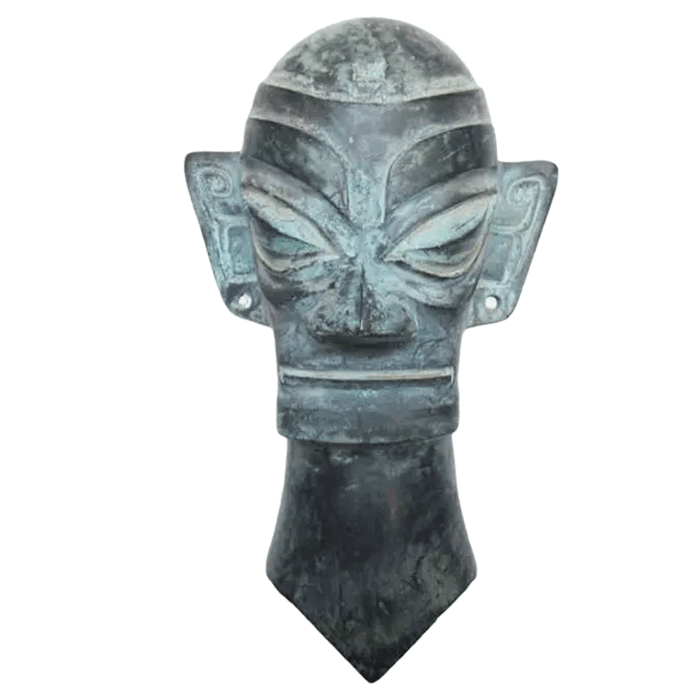
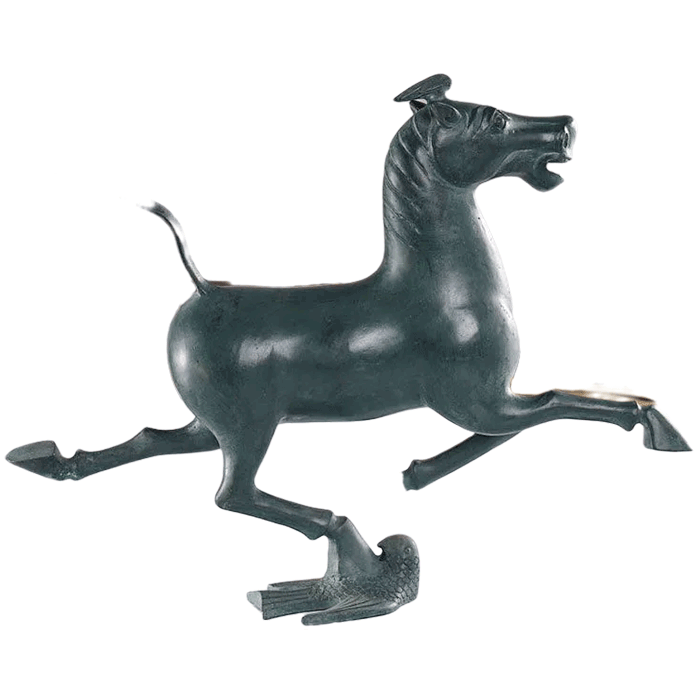
A bronze sculpture or vessel can take weeks of casting, chasing, and patina work to complete, yet all of that craftsmanship can be undone by a poorly built crate or a missing customs form. Bronze is dense and unforgiving in transit — sharp impacts can chip patina finishes, crack inlaid stones, or bend delicate elements like sword blades, mirror rims, or the ears and legs of a chinese bronze sculpture. Export-grade packing is not an afterthought; it is part of the product specification that should be agreed upon before production even finishes.
For buyers new to sourcing Chinese Bronze Replicas, it helps to think of the shipment in three layers: protection of the object itself, the outer crate designed for ocean or air freight, and the documentation that allows the goods to move legally across borders. Each layer has its own standards, and skipping any one of them creates risk.
Layer One: Protecting the Bronze Surface
Bronze surfaces — whether a mirror-polished modern finish or a traditional antique patina — are vulnerable to scratching, moisture, and abrasive contact during transit. Standard protective steps include:
- Wrapping the piece in soft, acid-free tissue or non-woven fabric to prevent surface abrasion.
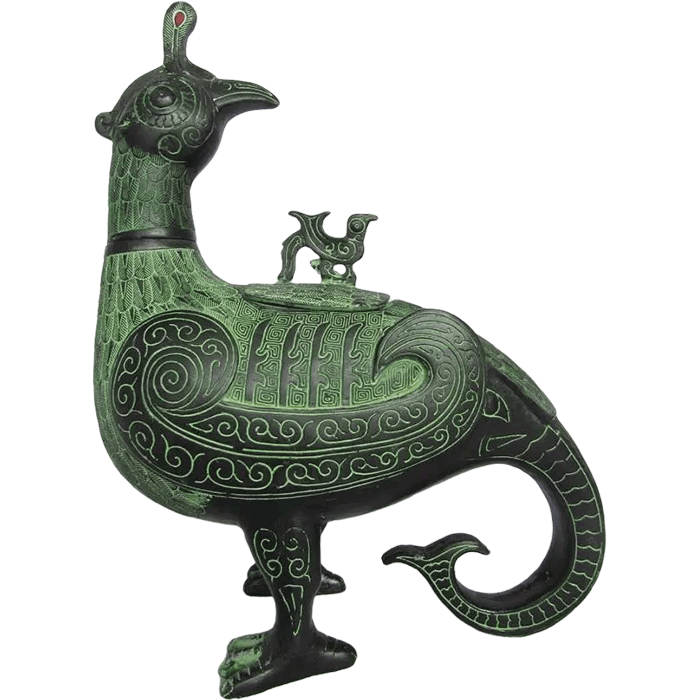
- Applying a layer of bubble wrap or foam padding around protruding features such as arms, wings, handles, or tripod legs.
- Sealing the wrapped piece in a breathable plastic sheet to guard against humidity without trapping condensation, which can dull or discolor a hand-applied patina.
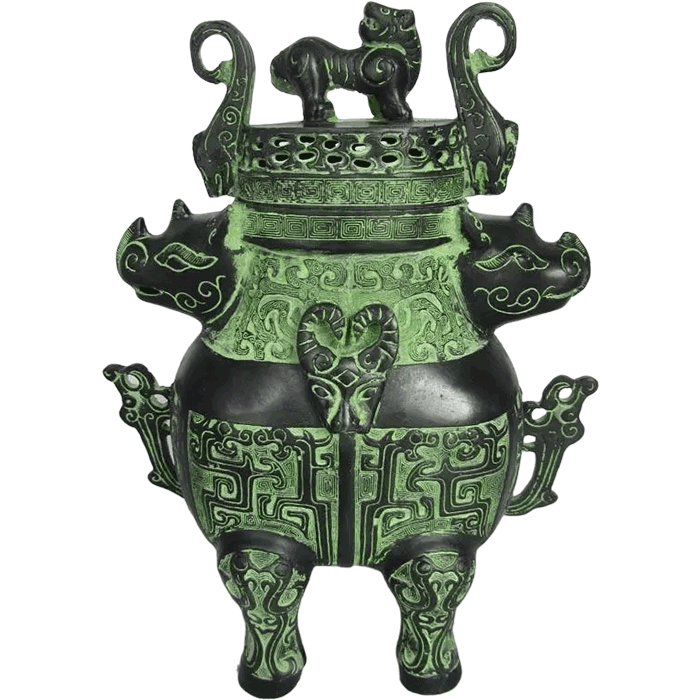
- Securing loose or detachable parts — such as lids on incense burners or bases on standing figures — separately to prevent friction damage.
For pieces with fine chasing work or gilded highlights, some workshops add a light coat of microcrystalline wax before wrapping, offering an extra barrier against moisture during long sea voyages.
Layer Two: Building the Export Crate
Once the individual piece is wrapped, it needs a rigid outer structure. Export crates for bronze differ from standard wooden boxes in a few important ways:
- Internal cushioning: Foam blocks or wood bracing should immobilize the piece completely — nothing should shift inside the crate, even if it is dropped or tilted.
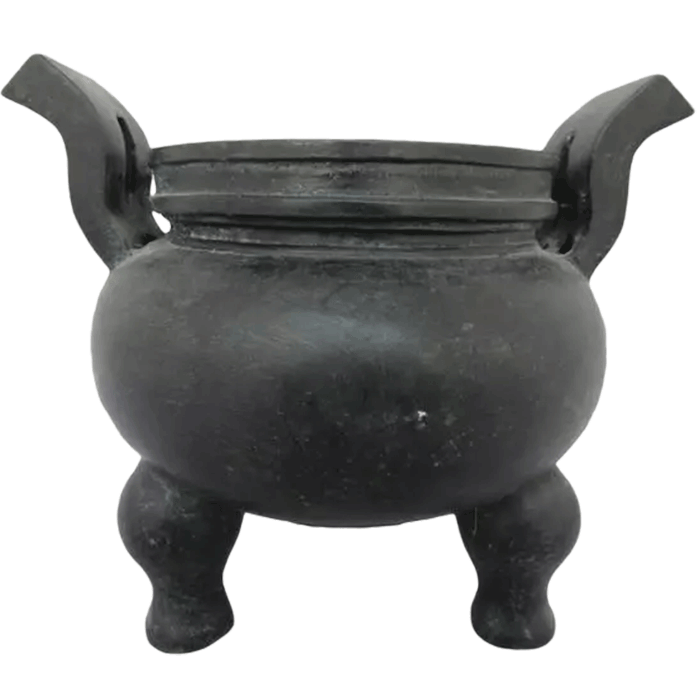
- Weight distribution: Heavier bronze vessels, such as large ding tripods or zun vases, need a reinforced base and corner bracing to prevent the crate from collapsing under its own load during stacking.
- Fumigation compliance: Wooden crates used in international shipping must meet ISPM 15 standards, meaning the wood is heat-treated or fumigated and stamped accordingly. Customs in most countries will reject untreated wood packaging outright.
- Moisture control: Silica gel packets or moisture-absorbing sheets placed inside the crate help regulate humidity during transit, especially for shipments crossing tropical routes.
- External markings: Fragile symbols, this-side-up arrows, gross weight, dimensions, and the destination address should be stenciled or labeled clearly on at least two sides of the crate.
For large or irregular pieces — a life-size bronze statue, for example — some manufacturers build a custom wooden frame around the sculpture itself rather than relying on a standard rectangular crate, ensuring the shape is supported at its structural points rather than its decorative surfaces.
Documentation Buyers Should Request Before Shipment
Even a perfectly packed crate can be delayed at customs if the paperwork is incomplete. Distributors and project buyers should confirm the following documents are prepared before the shipment leaves the factory:
Commercial Invoice and Packing List
The commercial invoice should describe each item accurately — material (bronze alloy), quantity, unit value, and total value — matching what customs authorities expect to see for art and craft goods. The packing list should correspond crate by crate, listing dimensions, gross and net weight, and item descriptions, which speeds up inspection if customs opens the shipment for verification.
Certificate of Origin
Many destination countries require a certificate of origin to apply the correct tariff classification or trade agreement benefits. This document, typically issued by a local chamber of commerce, confirms the bronze pieces were manufactured in China.
Bill of Lading or Air Waybill
For sea freight, the bill of lading serves as both a receipt for the goods and a contract of carriage; for air shipments, the air waybill fills the same role. Buyers should verify that the consignee information, port of discharge, and item descriptions match the invoice exactly — discrepancies here are one of the most common causes of customs holds.
Quality Inspection Certificate
Reputable bronze workshops conduct a quality inspection before every shipment, checking for casting defects, patina consistency, and packing integrity. A copy of this inspection report, sometimes combined with photos of the finished pieces before crating, gives buyers a reference point if a claim needs to be filed later.
Fumigation Certificate
If wooden crates are used, a fumigation certificate confirming ISPM 15 compliance should accompany the shipment. This is separate from the wood stamp itself and is often requested by customs brokers on the receiving end.
Insurance Documentation
Given the value and fragility of bronze art, cargo insurance covering the full declared value of the shipment is strongly recommended. Buyers should confirm whether the supplier arranges insurance under the agreed shipping terms (such as CIF) or whether the buyer needs to purchase it separately for FOB or EXW arrangements.
Common Questions from Distributors and Project Buyers
Do Antique-Style Replicas Need Special Export Permits?
Because Chinese Bronze Replicas are newly manufactured reproductions rather than genuine cultural relics, they do not fall under the antique export restrictions that apply to actual archaeological artifacts. However, some countries still require a statement confirming the item is a modern reproduction, which helps avoid confusion during customs inspection. This is particularly relevant for pieces styled after well-known historical bronzes — buyers interested in the background of these designs can review the evolution of bronze culture over 2000 years for context on the originals that inspire modern replica work.
How Should Buyers Handle Customs Classification?
Bronze art pieces are typically classified under decorative or ornamental metal goods tariff codes, though classification can vary by country and by whether the item is a sculpture, vessel, or religious statue. It is worth confirming the correct Harmonized System code with a customs broker in the destination country before the shipment departs, since misclassification can trigger unexpected duties or delays.
What Happens If a Piece Arrives Damaged?
Suppliers with a genuine quality process will typically offer free replacement for casting defects and after-sales support for patina touch-ups, but transit damage is a separate matter usually covered by cargo insurance. Buyers should photograph the crate condition upon arrival, before opening, and again once the item is unwrapped — this documentation is essential for any insurance claim.
Planning Ahead for Smoother Shipments
The best way to avoid packing and documentation problems is to raise them early, ideally during order confirmation rather than after production is complete. Buyers working on custom commissions — whether a set of matching bronze statues with different themes for a hospitality project or a single commemorative piece — should ask the supplier directly how crating will be handled, whether ISPM 15 wood is used, and what documents will be included with the shipment.
For buyers who are still finalizing the design itself, it is worth noting that packing considerations can influence design decisions too. A sculpture with widely extended arms or a vessel with delicate handles may need reinforced points built into the casting to survive crating and transit. Discussing these details during the customize a bronze sculpture from sculpmart.com process, rather than after casting is finished, gives the workshop room to plan both the artwork and its eventual export packaging together.
Working with an Experienced Bronze Export Partner
Luoyang Yichuan Bronze Craft Co., Ltd. operates from a 3,000-square-meter production facility in Yichuan County, Luoyang, Henan Province, with over 30 skilled craftsmen handling everything from lost-wax casting to hand chasing and patina finishing. Every shipment undergoes quality inspection before dispatch, and the company supports orders ranging from a single custom prototype to bulk production runs, with export-compliant packaging built around the specific fragility profile of each piece.
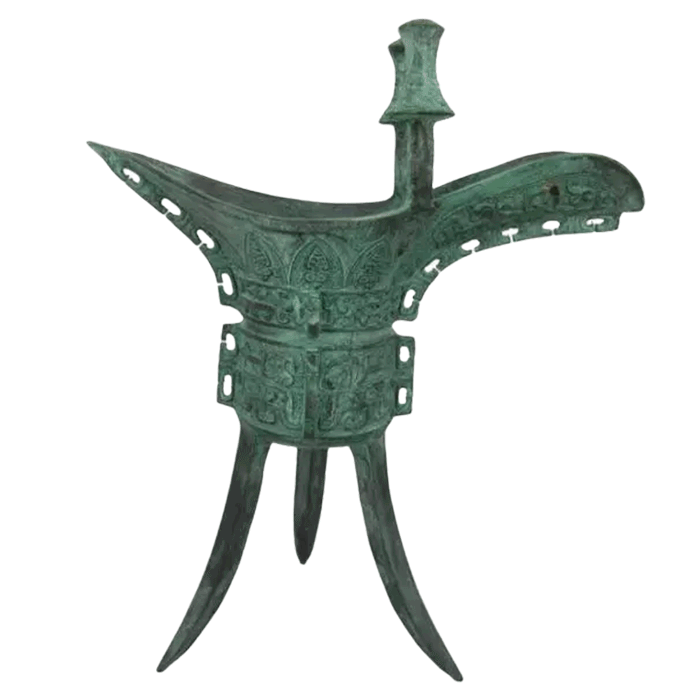
Because Yichuan sits within the broader bronze-casting tradition of the Luoyang region — home to more than 3,000 years of bronze culture — the workshop's craftsmen bring both technical casting skill and familiarity with historical forms, whether replicating a Shang dynasty ding or finishing a modern architectural commission. Buyers interested in the historical vessels that inform many of these designs can explore related background in resources such as introduction to several bronze wares, which offers useful context when specifying vessel shapes or surface treatments for a custom order.
Final Checklist Before the Crate Leaves the Factory
- Confirm each piece is individually wrapped and cushioned against surface contact.
- Verify the crate meets ISPM 15 fumigation standards and carries the correct stamp.
- Match the packing list against the commercial invoice line by line.
- Request the certificate of origin and quality inspection report in advance.
- Confirm insurance coverage and shipping terms (FOB, CIF, or EXW) before booking freight.
- Ask the supplier to photograph the packed crate before it leaves the workshop.
Handled properly, the export packing and documentation stage should feel routine rather than risky. Buyers who ask the right questions before production is finalized, and who work with a supplier accustomed to shipping Chinese Bronze Replicas internationally, generally find that the process moves smoothly from factory floor to final installation. For a broader look at the range of forms available for custom or bulk orders, buyers can also browse bronze statues with different themes to compare sculptural styles before finalizing packing specifications with their chosen workshop.