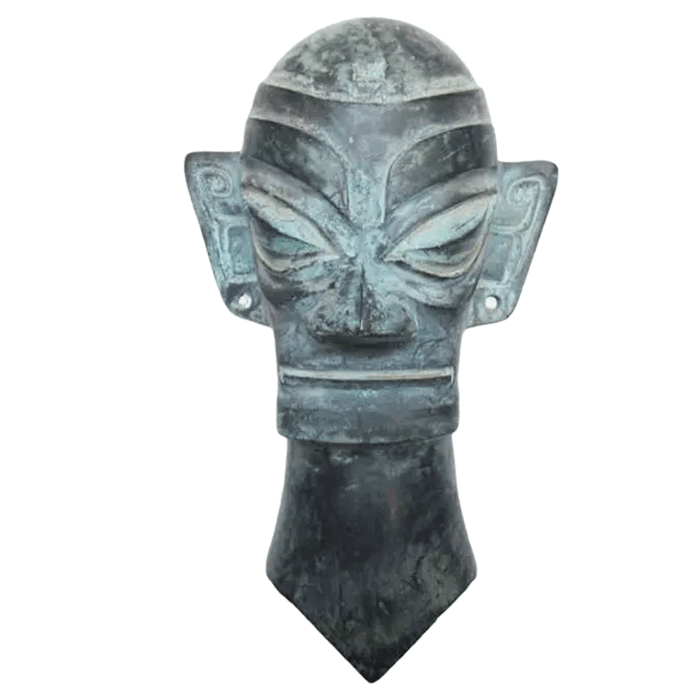
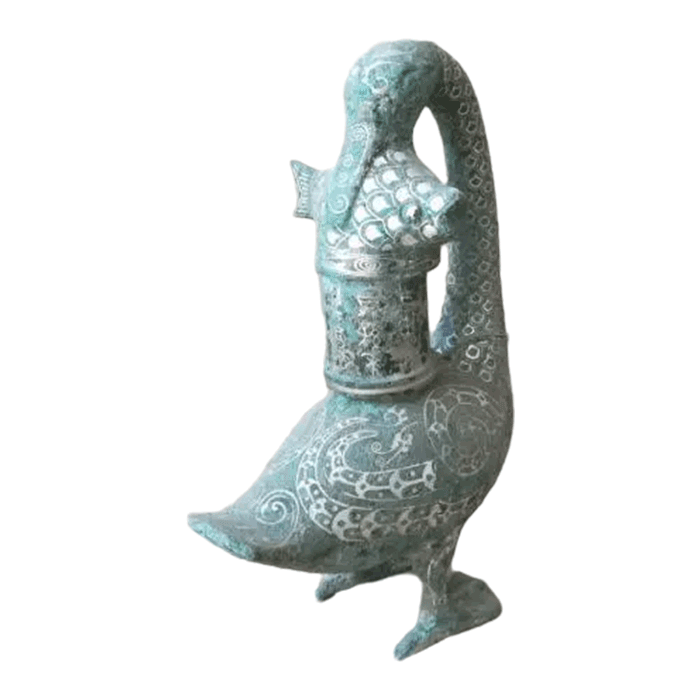
Chinese Bronze Replicas: Compare Quotes by Weight
Chinese Bronze Replicas Require Careful Weight-Based Quote Comparison
When sourcing museum-inspired vessels, ritual wares, statues, mirrors, incense burners, or custom artworks, B2B buyers often receive quotations that appear difficult to compare. Two suppliers may quote the same product image, similar dimensions, and the same general finish, yet the unit prices may differ substantially. Weight is one of the most useful starting points for evaluating these differences, but it should never be treated as the only pricing factor.
For Chinese Bronze Replicas, a practical quote comparison begins by asking what the stated weight actually represents. Is it the net cast bronze weight? Does it include a base, internal reinforcement, assembly parts, or packaging? Is the artwork solid, hollow cast, or made with variable wall thickness? The answers affect raw material consumption, casting complexity, finishing labor, handling requirements, and export packaging needs.
Luoyang Yichuan Bronze Craft Co., Ltd. produces bronze sculptures, vessels, mirrors, Buddhist statues, incense burners, and custom bronze artworks using premium Cu-Sn bronze alloy and the traditional lost-wax casting process. For buyers comparing proposals, the goal is not simply to select the lowest price per kilogram. The goal is to confirm that every quotation covers the same scope, material standard, workmanship level, and delivery condition.

Why Chinese Bronze Replicas Should Be Compared Beyond Unit Price
A low unit price can be attractive, especially for distributors, project contractors, cultural retailers, and purchasing teams preparing a multi-item order. However, a lower price may reflect differences that are not visible in a single product photo. Weight can reveal some of those differences, particularly where an item has been made with thinner walls, simplified relief details, reduced base thickness, or a different internal structure.
At the same time, a heavier casting is not automatically better. Excessive weight can result from an inefficient design, overly thick sections, or limited control over the casting process. A useful comparison considers weight in relation to the approved dimensions, intended display location, design details, structural needs, and the appearance required by the buyer.
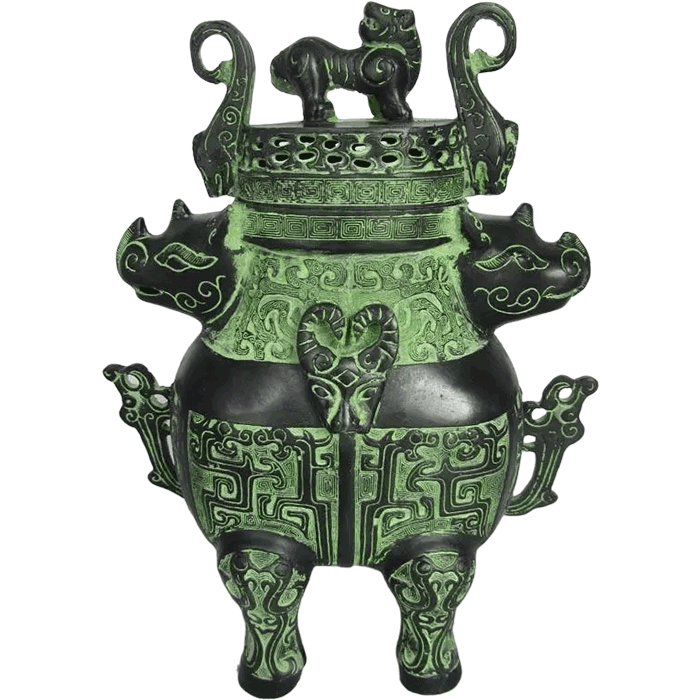
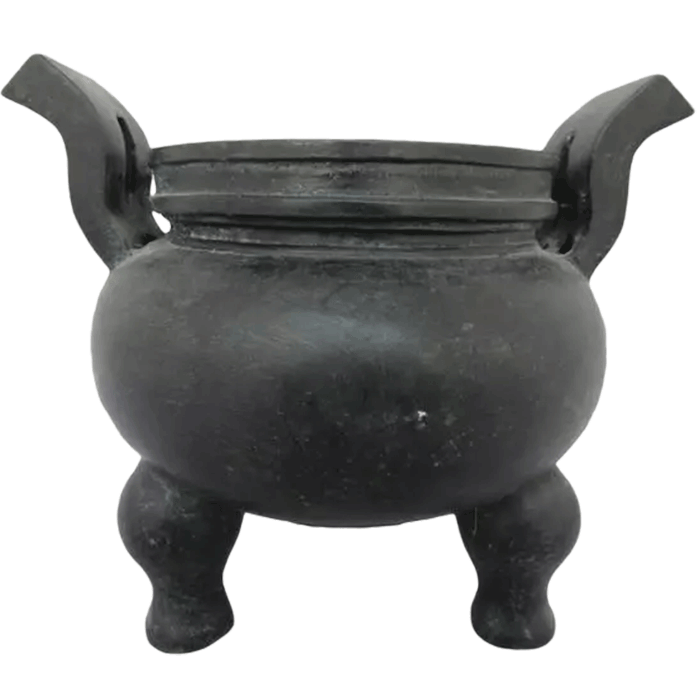
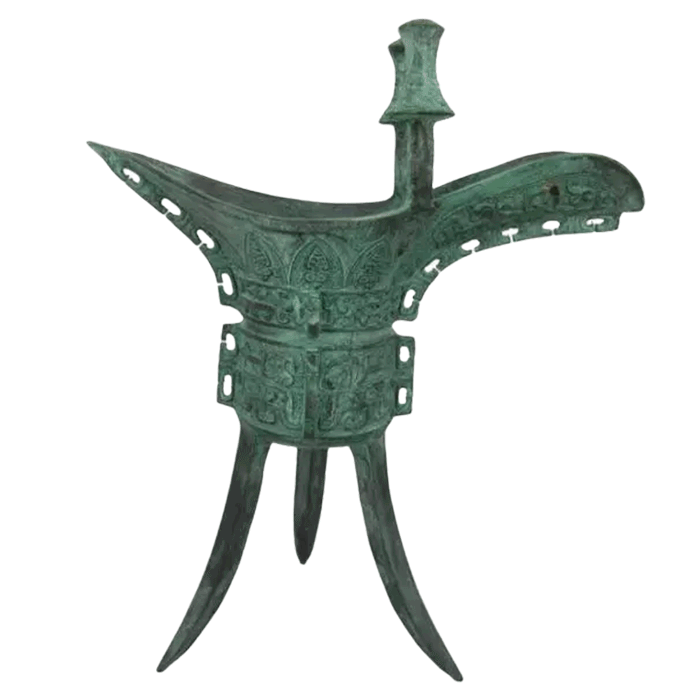
For example, a bronze ding, zun, hu vase, tripod, or incense burner can look similar from a distance while differing in wall thickness, relief depth, foot construction, handle attachment, and interior finishing. A human figure or animal statue may differ in base dimensions, hollow-casting structure, weld finishing, and the amount of hand chasing applied to the surface. These details influence both weight and cost.
Buyers comparing heritage-inspired products may also benefit from reviewing reference categories before issuing an inquiry. Our chinese bronze sculpture collection provides examples of the broad forms and decorative approaches available in bronze craft. For historical context on vessel forms, the article on introduction to several bronze wares can help buyers identify the terminology needed for clearer specifications.
Start with a Consistent Weight Definition
Before comparing two or more supplier quotations, establish a common weight basis. Request that each supplier identify whether the quoted weight is estimated or confirmed, and whether it refers to the bronze artwork alone or to a larger delivery configuration.
Net bronze casting weight
Net bronze casting weight refers to the finished bronze portion of the product after casting, cutting, chasing, polishing, patina work, and final assembly. This is usually the most relevant weight for understanding alloy consumption. For hollow sculptures and vessels, it should reflect the actual finished casting rather than an assumed solid-metal calculation based on outer dimensions.
Finished artwork weight
Finished artwork weight may include bronze components plus a stone, wood, metal, or other specified base, if applicable. It may also include separately attached accessories, such as lids, rings, handles, or removable decorative elements. This is important because a product with a substantial base can weigh much more than the bronze figure or vessel itself.
Packed shipping weight
Packed shipping weight includes the artwork, protective materials, outer crate or carton, pallets where required, and other packing elements. This number matters for freight planning, but it should not be used as the basis for comparing bronze material content. Export-compliant protective packaging is especially important for fragile reliefs, protruding handles, delicate animal horns, thin legs, and separately packed components.
A professional request for quotation can ask suppliers to provide all three figures in separate lines: net bronze weight, finished artwork weight, and packed gross weight. If the supplier can provide only an estimate at the early stage, request the assumed wall thickness, casting structure, and dimensions used to prepare that estimate.
| Weight Figure | What It Should Include | Why It Matters |
|---|---|---|
| Net bronze weight | Finished Cu-Sn bronze casting and bronze components | Supports alloy and casting-cost comparison |
| Finished artwork weight | Bronze piece, base, and approved assembled parts | Confirms handling and installation expectations |
| Packed gross weight | Artwork plus protective packaging and shipping materials | Supports freight and export packing planning |
Understand What Changes Bronze Weight and Cost
Weight is related to cost because bronze alloy is a major production input, but the relationship is not linear. A small, highly detailed vessel may require more labor per kilogram than a much larger, simpler sculpture. Likewise, a custom prototype may carry more model-making and mold-development effort than a repeat production item of the same weight.
Alloy specification
Bronze is commonly distinguished from brass by its alloy composition and performance characteristics. Buyers should confirm the requested material rather than relying only on a general description such as “metal casting.” Luoyang Yichuan Bronze Craft Co., Ltd. uses premium Cu-Sn bronze alloy for its bronze artworks. If quotations describe different alloy types, the prices should not be compared as equivalent. The difference between bronze and brass is relevant when reviewing material descriptions from multiple suppliers.
Solid, hollow, and variable-thickness construction
A solid cast object generally uses more metal than a hollow cast object of the same external size. However, many larger sculptures are designed as hollow castings for practical weight management and efficient material use. Wall thickness must still be sufficient for the intended scale, shape, handling conditions, and structural demands.
Variable-thickness construction may be appropriate when different sections require different strength levels. A statue’s base, legs, supporting branches, handles, or extended decorative elements may need different construction considerations than broad vessel walls. The quotation should state whether the product is solid or hollow and explain any special structural design where relevant.
Relief, inscriptions, and surface complexity
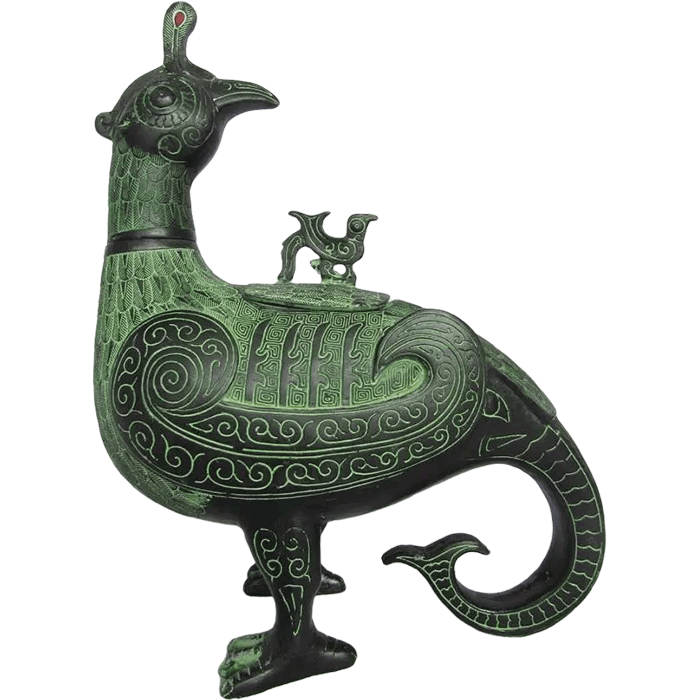
Deep relief patterns, archaic masks, animal motifs, inscriptions, openwork, fine hair texture, robe folds, feathers, scales, and intricate handles can affect both weight and labor. Although relief depth may add material in some areas, its greater cost impact is often the time required for wax work, casting preparation, hand chasing, refinement, and surface finishing.
This is why two vessels with similar height and net weight may still have different quotes. One may have a smooth body and standard handles, while another may include detailed taotie-style motifs, repeated borders, raised characters, and a complex lid. Product photos alone may not show the amount of manual refinement required after casting.

Separate Material Value from Craftsmanship and Tooling
A clear quotation should distinguish the main cost drivers instead of presenting one unexplained total. Buyers do not necessarily need every internal factory cost, but they should understand whether the price includes model work, mold preparation, casting, finishing, patina, assembly, inspection, and packing.
The traditional lost-wax method is suitable for detailed bronze art because it can reproduce complex forms and surface textures. Yet this method involves several stages, including pattern development, mold preparation, casting, removal of casting gates, welding or assembly where required, hand chasing, polishing, and patina application. Each stage can affect the final price independently of product weight.
For a single custom prototype, tooling and development effort may represent a larger proportion of the total price than for a repeat order. For a bulk order, the per-piece cost may change because certain preparatory work can be applied across multiple pieces. Luoyang Yichuan Bronze Craft Co., Ltd. supports custom orders from one piece and can discuss bulk production requirements according to size and design complexity.
When reviewing a quote, ask whether the following items are included:
- Artwork dimensions and tolerance expectations
- Estimated or confirmed net bronze weight
- Cu-Sn bronze alloy requirement
- Lost-wax casting and required assembly work
- Hand chasing and polishing level
- Requested antique or modern patina finish
- Base, hardware, or detachable components
- Custom model, mold, or prototype development
- Quality inspection before shipment
- Protective export packaging requirements
Compare Patina Requirements as a Separate Scope
Patina is frequently underestimated during quote comparison. A bronze item can be polished to a bright modern appearance, finished in a dark antique tone, or developed with a layered green, brown, black, red-brown, or mixed-color effect. These finishes require different preparation, hand application, and review steps.
If a buyer needs consistency across a collection of replicas, the patina requirement should be supported by approved reference photographs, physical samples where available, or a written color description. This is particularly important for multi-piece programs, such as matching vessels for an interior project, sets of Buddhist statues, or coordinated decorative sculptures for a hospitality environment.
Do not compare a simple single-color surface treatment with a quote that includes multiple layers, hand-applied highlights, or close matching to an antique reference. The visual target may be the most important factor for the finished artwork, even when the bronze weight is identical.
For products intended for interiors, gardens, galleries, retail displays, or cultural projects, buyers can also review available bronze decorations to define the preferred display style before finalizing a finish specification.
Use a Practical Quote Comparison Worksheet
A structured worksheet helps purchasing teams avoid comparing unlike products. Rather than ranking quotes only by unit price, assign each supplier’s information to the same technical and commercial fields. This approach is useful for custom artworks as well as repeat catalog items.
- Confirm the reference: Attach the same drawings, photographs, dimensions, and finish requirements to every inquiry.
- Request the construction method: Ask whether the item is solid or hollow cast and whether a base or internal support is included.
- Record net bronze weight: Require the same unit of measure from every supplier and identify whether it is estimated or final.
- Confirm alloy: Ensure every quote covers the requested Cu-Sn bronze specification rather than an unspecified metal substitute.
- List finishing operations: Identify hand chasing, polishing, welding cleanup, patina work, and any required color matching.
- Separate one-time costs: Note model, mold, sample, or prototype charges independently from repeat unit pricing.
- Review packaging: Confirm protection for fragile extensions, detachable parts, and surfaces that can be damaged during transport.
- Check inspection and support: Confirm pre-shipment quality inspection, defect handling, and any available after-sales guidance.
For a custom program, it is also helpful to provide the intended order quantity at the quotation stage. The same design may have a different commercial structure for one prototype, a small collection, or a repeat bulk run. Luoyang Yichuan Bronze Craft Co., Ltd. has an annual output of more than 50,000 bronze art pieces, with a production area of 3,000 square meters and a team of over 30 skilled craftsmen, including bronze-casting masters and finishing artisans.
Questions to Ask When One Quote Is Much Lower
When one supplier’s price is significantly below the others, avoid assuming that the difference is simply a better purchasing opportunity. Instead, use targeted questions to identify whether the quotation covers the same work scope.
- Is the quoted weight net bronze weight, finished weight, or packed gross weight?
- What wall thickness or hollow-casting approach is assumed?
- Is the product made from Cu-Sn bronze alloy?
- Are all visible details, inscriptions, handles, lids, and relief patterns included?
- Does the quote include hand chasing after casting?
- What patina color and finish level are included?
- Are the base and assembly components included?
- Is custom model or mold development included or charged separately?
- What protective export packaging is included?
- Will the finished item receive quality inspection before shipment?
These questions are especially valuable for antique-style work. Exact replication of historical bronzes can require close attention to proportion, decorative patterns, aged surfaces, and patina color matching. Buyers seeking reference ideas for vessels may find the houmuwu square cauldron useful for discussing large ding forms and structural features.
Choose the Quote That Defines the Same Finished Product
The most reliable quote is not necessarily the lowest total or the heaviest casting. It is the quotation that clearly defines the same finished product you intend to purchase. That definition should include size, weight basis, alloy, casting construction, decorative detail, hand-finishing scope, patina, base, packing, inspection, and quantity.
Weight remains an essential comparison tool because it helps buyers evaluate whether similar dimensions may conceal different bronze content or construction. However, it becomes meaningful only when paired with complete specifications. A sound B2B sourcing decision considers total value: faithful form reproduction, suitable material, skilled finishing, consistent appearance, protective packaging, and dependable quality control.
Luoyang Yichuan Bronze Craft Co., Ltd. performs quality inspection before every shipment and provides free replacement for casting defects. After-sales support is also available for patina touch-ups and restoration guidance. By requesting a transparent, weight-based quotation with clearly defined workmanship and finishing requirements, buyers can compare suppliers more accurately and select a bronze replica solution that fits both project expectations and procurement needs.