Chinese Bronze Artware: Alloy and Patina Basics Explained
Chinese Bronze Artware: Understanding Alloy Composition and Patina Fundamentals
For importers and collectors beginning to source bronze sculptures, vessels, or Buddhist statues from China, understanding the underlying material science is often the missing piece before comparing finishes or requesting quotes. Bronze is not a single uniform material — its alloy ratio, casting method, and surface treatment all affect durability, appearance, and long-term value. This guide breaks down the core technical foundations that any serious buyer should know before evaluating suppliers of Chinese bronze artware.
What Makes Bronze "Bronze": Alloy Composition Basics
Bronze is fundamentally a copper-tin (Cu-Sn) alloy, though many decorative pieces also include small percentages of lead, zinc, or phosphorus to adjust fluidity during casting and hardness after cooling. The exact ratio matters significantly for art casting:
- Higher tin content (12-15%) produces a harder, more brittle bronze often used for bells, mirrors, and pieces requiring fine surface detail.
- Lower tin content (8-10%) yields a more workable alloy suited to large sculptures and vessels that require chasing and hand-finishing after casting.
- Trace lead additions improve casting fluidity, helping the molten alloy fill intricate mold details — a critical factor when replicating antique bronze designs with fine relief patterns.
At Luoyang Yichuan Bronze Craft Co., Ltd., our foundry uses premium Cu-Sn bronze alloy specifically formulated for art casting, ensuring the finished piece has the weight, tonal quality, and surface integrity expected of authentic Chinese bronze sculpture work — not the thinner, lighter feel of brass or other copper alloys often substituted in lower-cost production.
Why the Alloy Ratio Affects Buyer Decisions
Buyers sourcing for galleries, hospitality projects, or religious institutions should ask suppliers directly about alloy composition rather than assuming "bronze" is a generic label. A supplier casting with an inconsistent or undocumented alloy mix may produce pieces that crack during shipping, develop uneven patina, or feel noticeably lighter than expected. Requesting the Cu-Sn ratio in writing, along with any certification of the alloy source, is a reasonable due-diligence step before committing to bulk production.
The Lost-Wax Casting Method and Its Role in Quality
Most high-quality Chinese bronze artware, including detailed human and animal figures, temple statues, and ceremonial vessels like ding, zun, and hu tripods, is produced using the traditional lost-wax casting method. This process involves sculpting a wax model, encasing it in a ceramic shell, melting out the wax, and pouring molten bronze into the resulting cavity. The technique dates back thousands of years in Chinese metalworking history and remains the preferred method for capturing fine detail that sand-casting cannot replicate.
Readers interested in the deeper historical context of this craftsmanship can review the evolution of bronze culture over 2000 years, which traces how casting techniques developed alongside Chinese dynastic art traditions.
Hand Finishing After Casting
Once a piece is cast, skilled artisans perform hand chasing — refining edges, textures, and fine details with hand tools — followed by polishing to prepare the surface for patina application. This stage is labor-intensive and directly affects the final quality of any Chinese bronze artware piece, particularly for complex works such as multi-figure sculptures or vessels with inscribed surface patterns.
Patina Basics: How Bronze Gets Its Color and Character
Patina refers to the surface layer that forms on bronze, either naturally over decades of oxidation or artificially applied through controlled chemical and heat treatments during finishing. For buyers new to bronze sourcing, understanding patina options is essential because it directly determines the visual character of the final product.
Antique-Style Patina
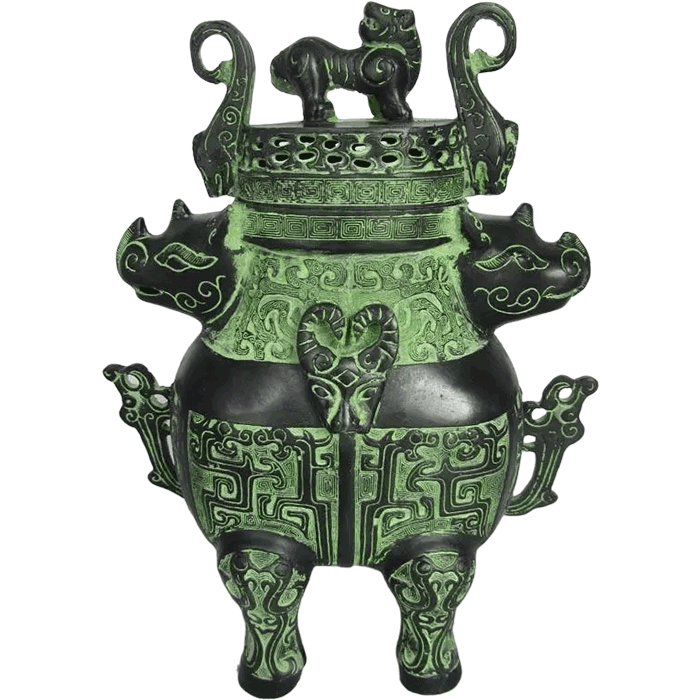
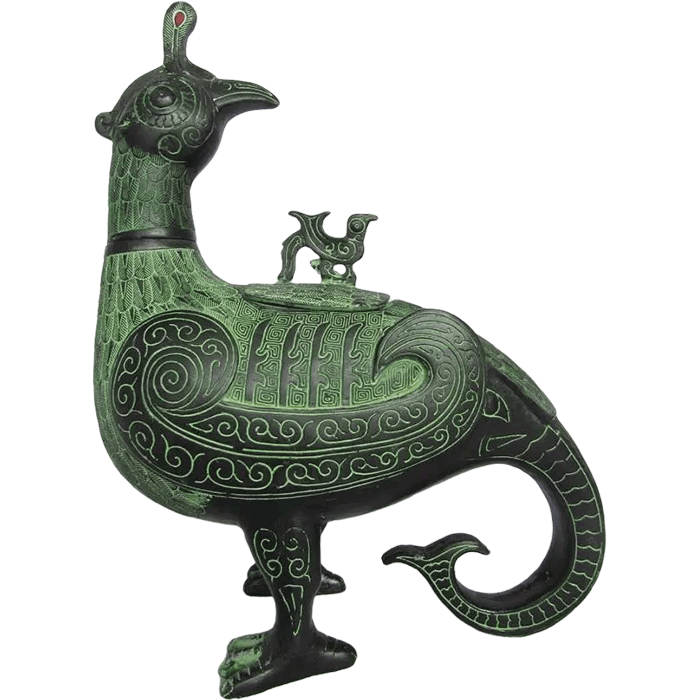
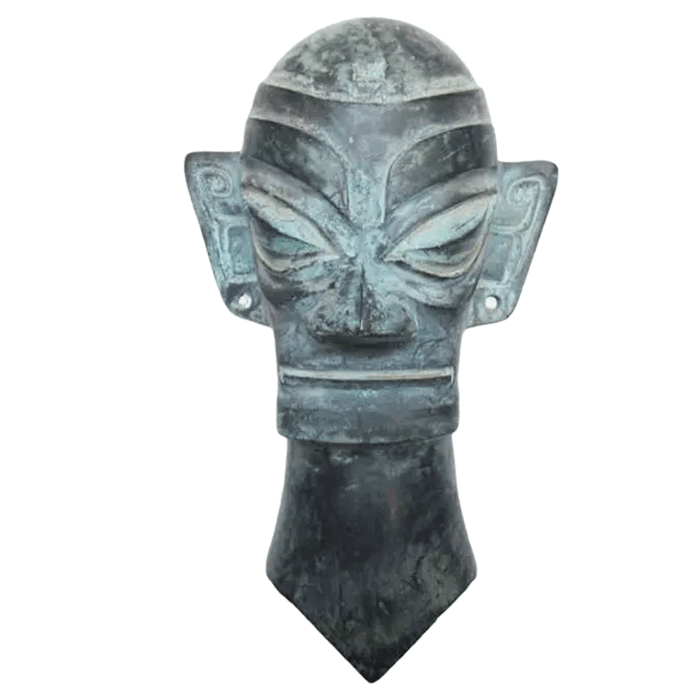
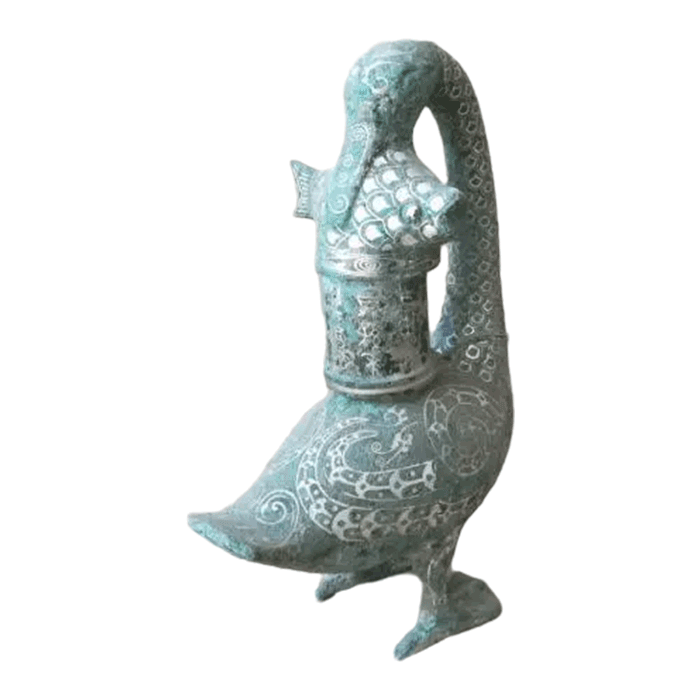
Antique patina finishes replicate the look of bronze that has aged naturally over centuries — typically featuring deep greens, browns, or blue-black tones with variation across raised and recessed surfaces. This finish is commonly requested for replica ceremonial vessels, Buddhist statues, and pieces intended to evoke historical Chinese bronze artware traditions. Achieving consistent color matching across a production batch requires experienced patina artisans who understand how chemical reactions behave on different alloy surfaces.
Modern and Polished Finishes
Alternatively, many contemporary sculptures and decorative pieces use a polished or lightly toned finish that highlights the natural warmth of the bronze surface rather than simulating age. This style is popular for modern figurative sculpture and architectural bronze decor where a cleaner, contemporary aesthetic is preferred over historical replication.
Patina Consistency Across Bulk Orders
One of the most common sourcing challenges for importers is color matching across multiple units in a bulk order. Because patina application involves manual chemical treatment, slight variation is natural — but a skilled workshop should be able to maintain consistency within an acceptable tolerance across a production run. This is worth clarifying directly with any supplier before placing a bulk order, particularly for matched sets such as paired guardian lion statues or vessel collections.
Common Categories of Chinese Bronze Artware and Their Material Needs
Different product categories call for different alloy and patina approaches, which is why experienced foundries tailor their casting formula and finishing process to the piece type.
- Bronze sculptures (human and animal statues): Often benefit from a slightly softer alloy mix that allows fine chasing of facial features, fur textures, or drapery folds. Both human bronze statues and animal bronze statues require this attention to surface detail.
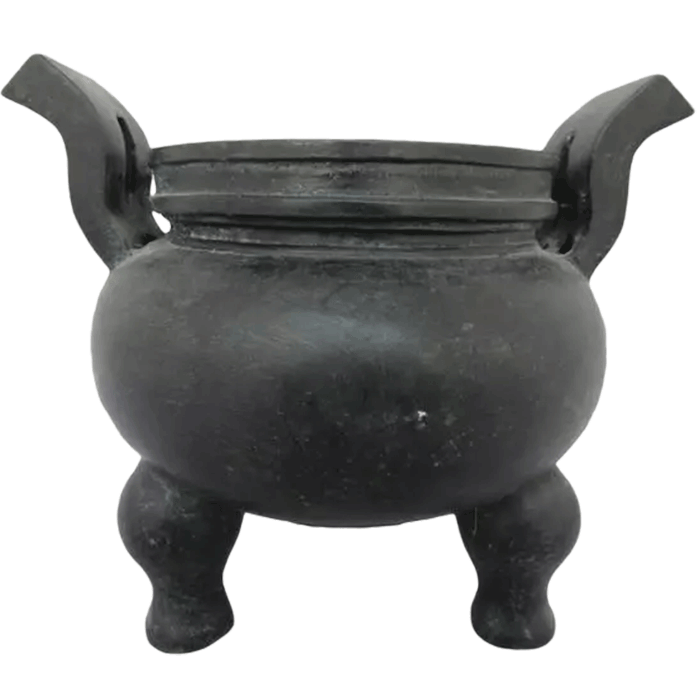
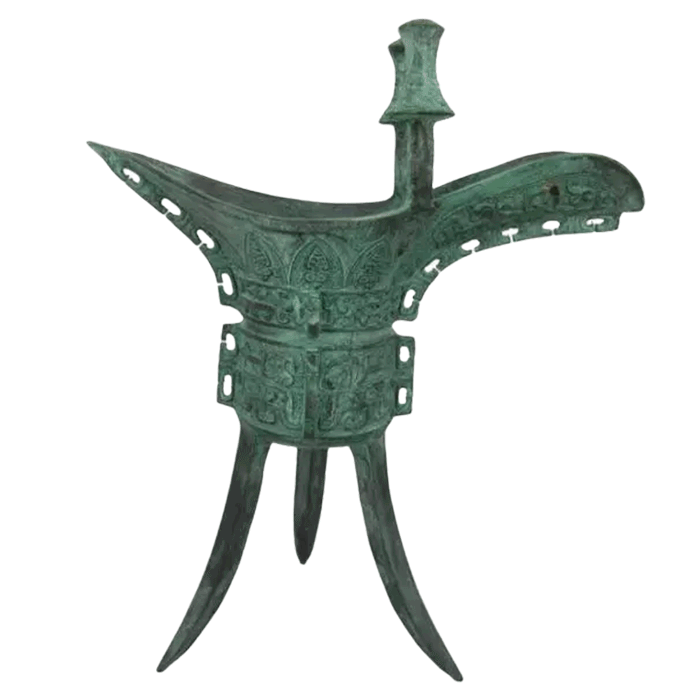
- Bronze vessels (ding, zun, hu): Traditionally cast with thicker walls and higher tin content for structural durability, since these forms were historically used for ceremonial purposes and often carry inscribed surface designs.
- Bronze mirrors: Require a higher-tin bronze alloy to achieve the reflective surface polish associated with ancient Chinese bronze mirrors, a category with its own distinct metallurgical history.
- Bronze incense burners: Typically finished with antique patina to match traditional temple and altar aesthetics.
- Bronze Buddhist statues: Often combine detailed lost-wax casting with gilding or patina work to meet religious and ceremonial display standards.
Buyers can browse examples across these categories, including bronze statues with different themes and antique-style decorative pieces, to compare how alloy and finish choices affect the final appearance.
Questions to Ask Before Comparing Suppliers
Before requesting quotes or samples, importers evaluating Chinese bronze artware suppliers should prepare a short checklist of material questions:
- What is the Cu-Sn ratio used in casting, and does it vary by product type?
- Is the piece cast using the lost-wax method, and is hand chasing included in the finishing process?
- What patina options are available — antique, modern, or custom color matching?
- How is patina consistency maintained across a multi-unit order?
- What quality inspection occurs before shipment, and what protection applies to defects found after delivery?
A supplier who can answer these questions clearly, with documented processes rather than vague reassurances, is generally better positioned to deliver consistent results across both single custom prototypes and larger production runs.
Why Material Knowledge Matters Before Placing an Order
Understanding alloy composition and patina fundamentals equips buyers to ask sharper questions and evaluate samples more critically. Rather than judging a piece purely on photographs, an informed buyer can assess weight, surface texture, and finish uniformity as indicators of casting quality. This foundational knowledge becomes especially valuable when comparing multiple workshops, since pricing differences often correlate directly with alloy quality, casting method, and the level of hand-finishing applied.
Luoyang Yichuan Bronze Craft Co., Ltd. operates from a 3,000 square meter production facility in Yichuan County, Luoyang — a region with roots in Chinese bronze culture dating back three millennia. Our team of over 30 skilled craftsmen, including bronze-casting masters and finishing artisans, applies ISO 9001-certified quality management to every production run, from a single custom sculpture to bulk orders of Chinese bronze artware exceeding several hundred units annually. Every shipment undergoes quality inspection before dispatch, with export-compliant protective packaging designed for fragile cast pieces.
For buyers ready to move from material research to product specification, our team supports custom design consultation, including exact replication of antique bronze references and tailored patina color matching. You can review our full process on the about scultmart page, or explore how to begin a project through our page to customize a bronze sculpture from sculpmart.com.
Further Reading on Bronze History and Craftsmanship
For buyers who want to deepen their understanding of the cultural and historical context behind Chinese bronze casting traditions, our resource library covers topics ranging from ancient bronze weaponry to ceremonial vessels. Notable references include a discussion on the difference between bronze and brass, which clarifies a common point of confusion among first-time buyers, and an overview of several bronze mirrors that explores the metallurgy behind reflective bronze surfaces.
Approaching a bronze sourcing decision with solid material knowledge — alloy ratio, casting method, and patina process — helps ensure that the finished pieces meet both aesthetic expectations and long-term durability standards, whether the end use is a museum-quality replica, a corporate gift commission, or a temple statue intended for decades of display.