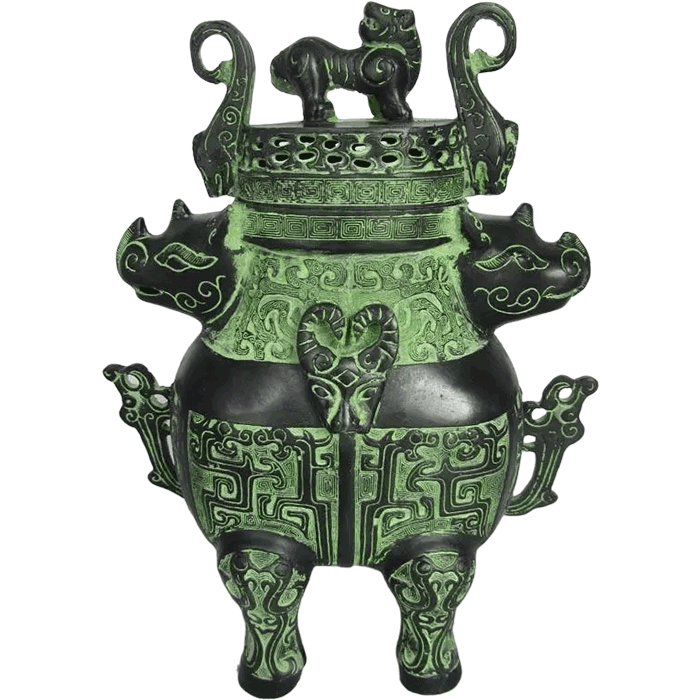
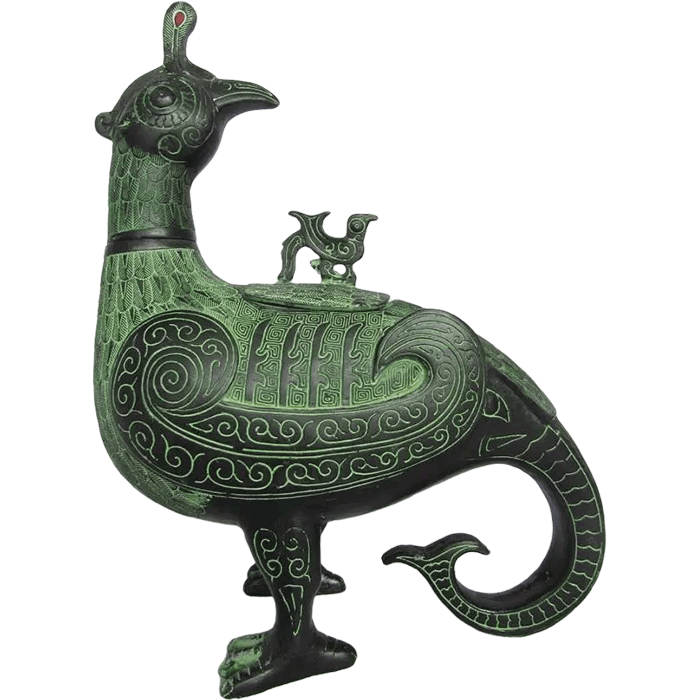
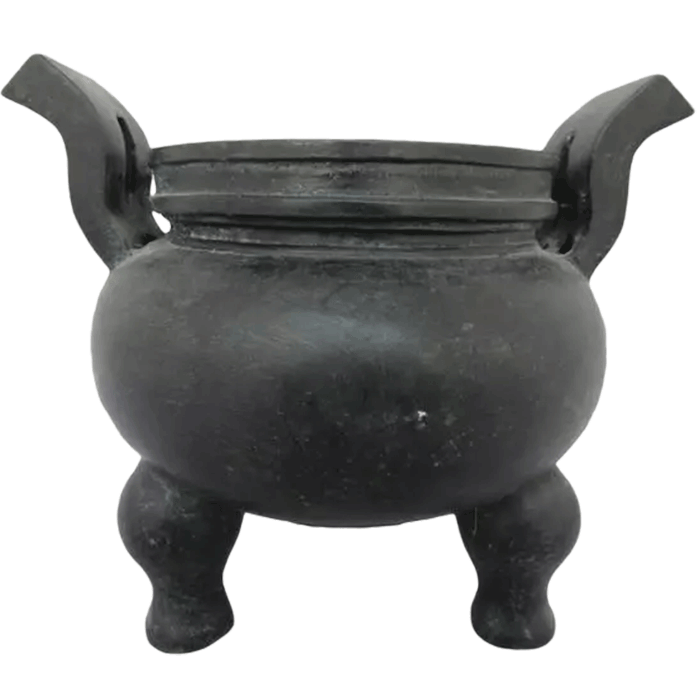
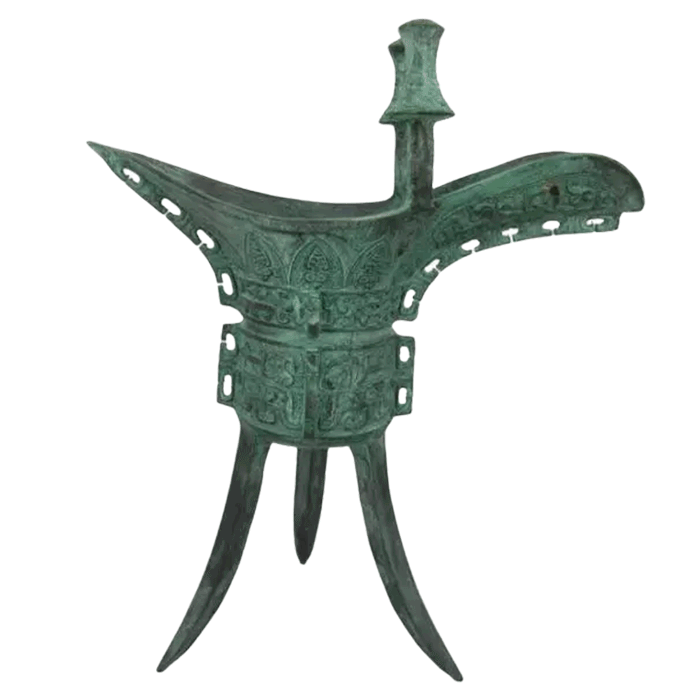
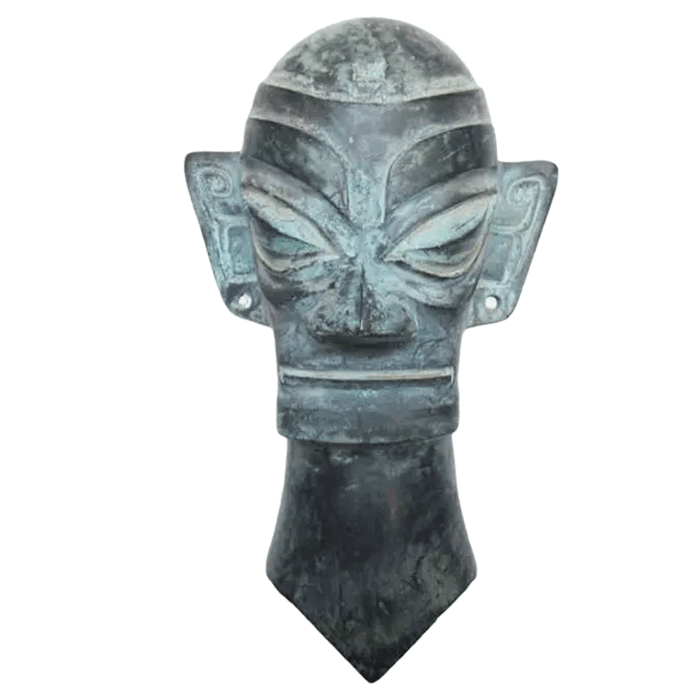
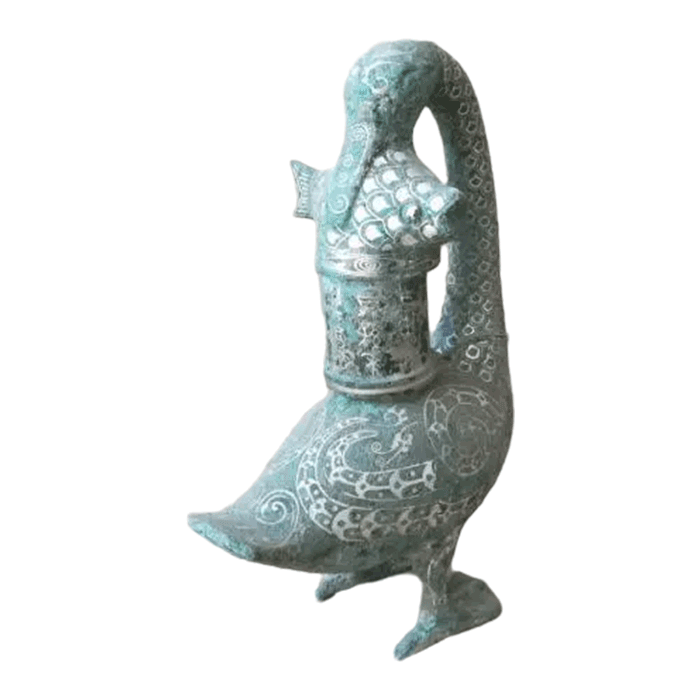
Chinese Bronze Animal Statues for Export Sourcing
Chinese Bronze Animal Statues Require Careful Supplier Selection for Export Success
Importers, wholesalers, gallery buyers, landscape contractors, and hospitality project teams need more than an attractive product catalogue when sourcing bronze animal sculptures from China. A successful purchase depends on whether the foundry can interpret the design correctly, cast durable work at the required scale, control surface finishing, protect fragile details during shipment, and provide clear quality accountability.
Animal bronzes can range from compact decorative figurines to large horses, lions, deer, cranes, dragons, tigers, elephants, and other sculptural forms for public spaces. Their complexity is often underestimated during the early quotation stage. Fine fur texture, facial expression, thin legs, antlers, wings, tails, reins, and raised decorative elements can all affect mold construction, casting feasibility, finishing time, packing requirements, and freight planning.
This guide helps buyers establish a practical supplier-selection process before requesting formal quotations. It focuses on the questions that matter when evaluating a bronze workshop for custom work, repeat orders, retail programs, architectural decoration, or cultural-art projects.
Define the Export Requirements Before Contacting a Foundry
Clear specifications help a supplier provide a more useful technical response. They also reduce the risk of comparing quotations that appear similar but are based on different assumptions about size, material, finish, or packing. Before approaching a manufacturer, prepare a short sourcing brief that identifies the intended product and commercial requirements.
Prepare the design reference package
For an existing sculpture, provide high-resolution photographs from the front, back, sides, top, and close-up detail views. Include dimensions, estimated weight if available, and notes on the desired patina. If the project is based on an antique object, museum image, drawing, or digital model, identify which visual details must be reproduced and which areas may be adapted for casting or installation.
For new designs, a dimensioned drawing, clay model, 3D file, or reference images can provide a starting point. A qualified supplier should review whether the design has narrow sections, unsupported projections, deep undercuts, or fragile details that require structural adjustments. This review is especially important for animals with extended legs, thin wings, antlers, tails, or ears.
- Required dimensions, including overall height, width, depth, and base size.
- Target quantity and whether the order is a prototype, repeat item, or bulk production program.
- Preferred bronze appearance, such as antique brown, dark brown, green, black, gold-toned, or a modern polished finish.
- Indoor or outdoor installation conditions.
- Mounting method, including freestanding placement, base plates, anchor bolts, or other installation requirements.
- Destination country, delivery terms, and any project-specific packaging needs.
Buyers sourcing complementary products may also review a supplier’s broader range of bronze statues with different themes. A workshop that regularly handles both human and animal forms may have relevant experience with figurative modeling, detailed hand finishing, and varied base construction.
Evaluate Chinese Bronze Animal Statues by Casting Capability
Bronze sculpture quality begins with the casting process. For detailed artistic work, lost-wax casting is widely used because it can capture textured surfaces, expressive modeling, and complex forms. The process involves creating a model, preparing a mold, forming a wax pattern, building a heat-resistant shell or investment, removing the wax, pouring molten alloy, and then cleaning and finishing the casting.
Luoyang Yichuan Bronze Craft Co., Ltd. uses premium Cu-Sn bronze alloy and the traditional lost-wax method for bronze artworks. This combination supports the production of detailed sculpture surfaces and allows hand chasing, polishing, and patina work after casting. The company operates from Yichuan County, Luoyang, Henan Province, with a 3,000-square-meter production area and more than 30 skilled craftsmen, including bronze-casting masters and finishing artisans.
When reviewing a foundry, ask how it plans to divide a large sculpture into castable sections. Large animal sculptures are commonly produced in multiple parts and joined during fabrication. The supplier should be able to explain where seams will be placed, how weld areas will be chased and blended, and how visual continuity will be maintained across the finished surface.
Questions to ask about structural details
Structural planning should be discussed before production rather than after a casting issue occurs. The foundry should assess the sculpture’s center of gravity, load-bearing areas, and connection points. This is particularly relevant for standing animals with slim legs, sculptures with elevated front limbs, or forms that include an extended neck, tail, horn, or wing.
- What bronze alloy will be used for the sculpture?
- Will the work be cast as one piece or as multiple sections?
- Where will welding and assembly seams be located?
- How will narrow or projecting features be reinforced where necessary?
- Can the supplier provide mounting points or anchoring provisions?
- What inspection steps are used before packing?
For buyers comparing metal options, it is useful to understand the material distinction explained in this resource on bronze and brass differences. Material terminology should be clarified in the quotation and purchase specifications so that expectations are aligned before production begins.
Review Surface Finishing and Patina Control
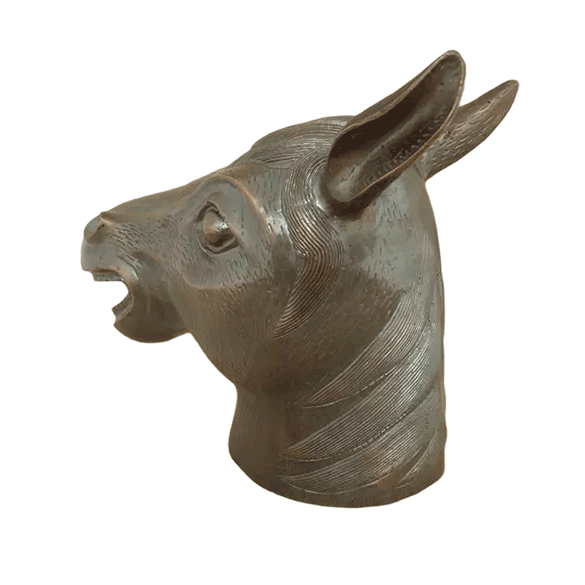
The surface finish defines much of a bronze sculpture’s final visual value. A well-cast piece can still appear inconsistent if its patina is uneven, if weld areas remain visible, or if polishing is not controlled around textured details. Importers should therefore treat finishing as a production specification, not simply as an aesthetic preference discussed after the sculpture is complete.
Patina can be developed in antique or modern looks. Antique finishes may include layered brown, black, green, or other aged effects, while modern finishes may use more uniform coloration or polished highlights. The right approach depends on the intended setting. A traditional garden sculpture, a museum-style reproduction, and a contemporary hotel lobby installation may each require very different surface treatment.
Ask the supplier to identify the proposed patina reference and approval process. For custom projects, it is practical to confirm the desired finish through approved photographs, a sample panel, or a prototype where appropriate. Color perception can vary with lighting, photography, scale, and surrounding materials, so written notes should accompany visual references.
Patina points to include in a purchase specification
- Primary color and secondary color variation.
- Desired level of gloss, from matte to polished.
- Areas that require highlighted texture or darker recesses.
- Whether a protective surface treatment is required for the intended location.
- Acceptable variation between pieces in a repeat production order.
- How patina touch-up guidance will be handled after delivery.
Luoyang Yichuan Bronze Craft Co., Ltd. provides hand chasing, polishing, and patina finishing, with support for antique and modern visual styles. The company also offers after-sales guidance for patina touch-ups and restoration needs. For buyers placing a multi-piece order, patina matching should be part of the inspection discussion because consistency across a group of sculptures can be as important as the appearance of an individual piece.
Request Evidence of Quality Management and Inspection
Early supplier selection should include a review of quality management practices. A foundry’s technical capability is important, but dependable export supply also requires documented checks before shipment. Ask how the workshop verifies dimensions, surface condition, assembly quality, stability, finish consistency, and packing readiness.
Luoyang Yichuan Bronze Craft Co., Ltd. is ISO 9001 quality management system certified, and its products comply with export quality inspection standards for art crafts. Quality inspection is conducted before every shipment. The company also provides free replacement for casting defects, which gives buyers a defined point of support if a confirmed casting-related issue is identified.
A practical inspection checklist can be agreed before production begins. The list should reflect the particular sculpture rather than relying only on general statements about quality. For example, a bronze lion pair may require matching height and patina tone, while a running horse may require special review of its legs, base stability, and delicate mane details.
| Inspection Area | What the Buyer Should Confirm |
|---|---|
| Dimensions | Overall size, base dimensions, and required tolerances. |
| Surface quality | No unacceptable casting defects, sharp edges, obvious unfinished areas, or visible seam problems. |
| Patina finish | Color, gloss, texture, and consistency with approved references. |
| Assembly | Secure joins, stable structure, and correctly positioned components. |
| Installation features | Base plates, fixing points, and anchoring details match project requirements. |
| Packaging | Protective materials and crate design suit the sculpture’s shape and fragile areas. |
Buyers evaluating cultural reproductions should also examine how a supplier approaches historical forms. The article on bronze galloping horse history offers useful visual context for buyers interested in traditional Chinese bronze artistic references.
Assess Prototype, Custom, and Bulk Order Flexibility
Importers do not always begin with a large purchase order. A prototype may be needed for retail approval, a client presentation, a landscape mock-up, or a design verification process. The supplier should be able to explain its approach to one-off custom work as well as its ability to organize repeat or bulk production after approval.
Luoyang Yichuan Bronze Craft Co., Ltd. supports production from a single custom prototype to bulk production runs and has an annual output of more than 50,000 bronze art pieces. The minimum order quantity for custom sculptures starts from one piece, while bulk order terms can be discussed according to size and design complexity.
For custom animal sculpture projects, confirm the ownership and handling of reference materials, models, drawings, and digital files. Buyers should also clarify whether a new mold, wax pattern, or other tooling is required, how revisions will be managed, and which stage requires formal approval. These points can prevent misunderstandings between design confirmation and production release.
A supplier’s custom process should be transparent. Buyers can review options to customize a bronze sculpture when planning bespoke forms, replicas, commemorative pieces, or project-specific animal figures. The most effective inquiries include complete references and clearly identify the features that cannot be changed.
Confirm Export Packaging for Fragile Bronze Sculpture
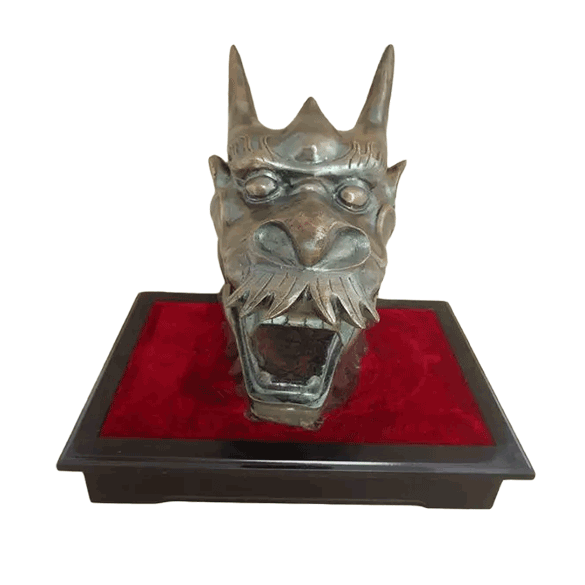
Export packaging is not an afterthought. Bronze is durable, but finished sculptures can still be damaged if protruding parts, polished areas, patinated surfaces, or mounting components are not protected correctly. Antlers, ears, tails, claws, wings, and other projecting details require particular attention during handling and freight movement.
A professional packaging plan should consider the sculpture’s weight, shape, center of gravity, surface finish, and transport route. Protective packing may need to separate the sculpture from direct contact with hard crate surfaces and prevent movement inside the packaging. For multi-piece installations, each component should be identified clearly so that receiving teams can match parts correctly during installation.
Luoyang Yichuan Bronze Craft Co., Ltd. provides export-compliant protective packaging for fragile sculptures. When requesting a quote, buyers should state the destination country, shipment method, unloading conditions, and whether the receiver requires labeled crates, packing lists, assembly diagrams, or separate hardware packaging.
Use a consistent supplier comparison method
Do not select a bronze supplier based on unit price alone. A low initial quote can omit important factors such as finishing complexity, structural reinforcement, crate design, or inspection requirements. Instead, compare suppliers using the same design package and the same commercial assumptions.
- Confirm that quotations use the same dimensions and quantity.
- Compare alloy, casting method, finishing scope, and base construction.
- Ask whether export packaging is included or listed separately.
- Review the proposed quality inspection process.
- Clarify prototype approval, production lead planning, and payment terms.
- Evaluate communication quality and technical responsiveness before placing an order.
Importers seeking a broader understanding of the manufacturer can visit about Sculpmart while building a supplier shortlist. A structured review process helps buyers identify whether a foundry is prepared to support the practical requirements of export-oriented bronze artwork.
Build a Strong Request for Quotation
A detailed request for quotation allows the foundry to assess the project accurately and respond with relevant production advice. Provide the sculpture name or project code, reference images or files, exact dimensions, target quantity, finish requirements, intended installation environment, destination, and desired delivery schedule. If the piece must match an existing sculpture or historical reference, state this clearly at the beginning.
Chinese Bronze Animal Statues can be sourced more confidently when buyers review casting capability, finishing control, quality inspection, custom-production flexibility, and export packaging as one connected process. A supplier that understands these requirements is better positioned to turn a design reference into a properly cast, finished, inspected, and protected bronze artwork for international delivery.