Chinese Bronze Animal Statues: MOQ and Sample FAQs
Chinese Bronze Animal Statues: MOQ and Sample FAQs for First-Time Buyers
For first-time buyers, ordering a custom bronze animal sculpture often begins with practical questions rather than artistic ones. Can a single piece be produced? Is a sample necessary before a larger order? What information does a manufacturer need to assess feasibility? How should buyers plan for size, finish, packaging, and delivery requirements?
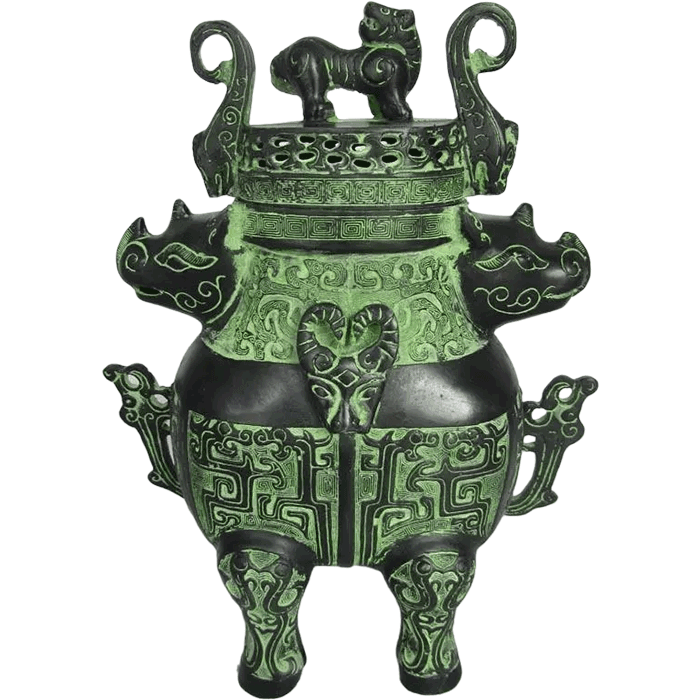
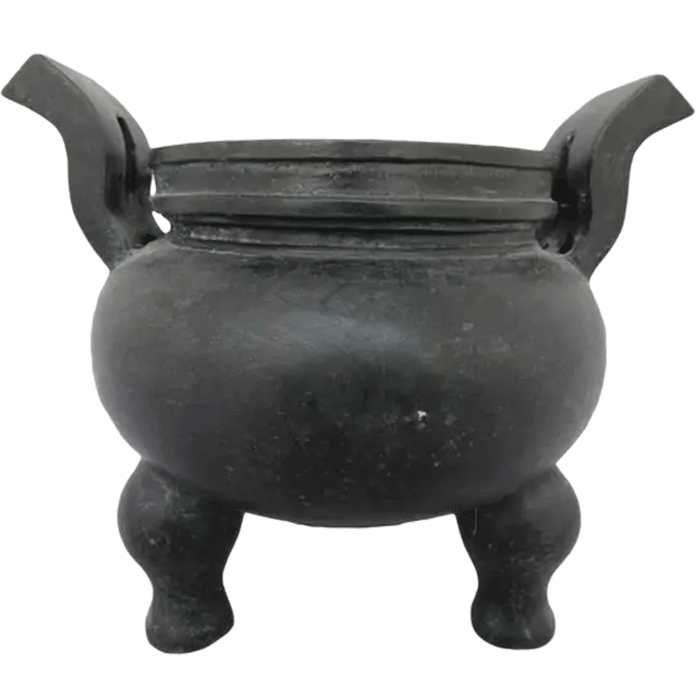
Luoyang Yichuan Bronze Craft Co., Ltd. supports custom bronze artwork projects from one prototype to negotiable bulk production runs. Based in Yichuan County, Luoyang, Henan Province, the company operates a 3,000-square-meter production area with more than 30 skilled craftsmen, including bronze-casting masters and finishing artisans. Its team produces bronze sculptures, vessels, mirrors, incense burners, Buddhist statues, and other custom bronze artworks using premium Cu-Sn bronze alloy and traditional lost-wax casting methods.
This guide explains the key MOQ and sample considerations that purchasers, designers, importers, cultural institutions, retail buyers, and project contractors should review before requesting a quotation.
Chinese Bronze Animal Statues MOQ: What First-Time Buyers Should Know
MOQ means minimum order quantity. For custom sculpture sourcing, however, MOQ is not always a fixed number because every project can differ in dimensions, modeling complexity, casting structure, surface treatment, and finishing requirements.
Luoyang Yichuan Bronze Craft Co., Ltd. accepts custom sculpture orders from one piece. This makes it possible to commission a single prototype, a presentation sculpture, a decorative centerpiece, a museum-style reproduction, or an initial evaluation piece before discussing a larger quantity.
For bulk orders, the quantity is negotiable according to the sculpture’s size and design complexity. A small repeated animal figure with a relatively simple silhouette may be assessed differently from a large sculpture with extended legs, thin tails, openwork details, textured fur, elaborate bases, or multiple separately cast parts. Buyers should therefore provide enough project information for an informed production assessment rather than assuming that a single quantity rule applies to every design.
When a One-Piece Order May Be Suitable
A one-piece custom order can be suitable when a buyer needs to evaluate craftsmanship, surface color, proportions, weight, packaging methods, or the overall visual effect of a concept. It may also suit collectors, galleries, hospitality projects, religious spaces, corporate gifts, and design studios seeking a unique bronze work rather than a repeat production item.
For a one-piece order, the production team still needs to create and prepare the design for casting. Traditional lost-wax casting involves multiple stages, including model preparation, mold-related work, wax processing, casting, cleaning, hand chasing, polishing, and patina finishing. Because these steps are craft-intensive, buyers should provide clear references and allow the manufacturer to review feasibility before treating a one-piece request as a simple off-the-shelf purchase.
When a Bulk Order May Be More Appropriate
Bulk production may be appropriate for souvenir programs, retail collections, architectural decoration packages, branded gifts, cultural merchandise, and repeated interior or landscape installations. A bulk order can use the same approved design language across multiple pieces, provided that the scope, size, finish, and other specifications are defined clearly.
When discussing a volume order, identify whether every piece must be identical or whether a series may include different sizes, poses, patina colors, inscriptions, or bases. These decisions affect how the project is planned. Buyers can also review the company’s range of bronze animal statues to better describe the animal category, sculptural style, and decorative direction they are seeking.
How Sample and Prototype Requests Are Evaluated
In custom bronze work, the word “sample” can mean different things. It may refer to a first finished bronze piece, a prototype used to confirm proportions, a reference finish panel, a scaled model, or an approved production standard for a repeat order. Buyers should state which type of sample they need so that the manufacturer can evaluate the request accurately.
A finished bronze prototype is especially useful when the final project includes detailed anatomy, a special surface texture, an antique-style appearance, a complex base, or a patina that must match a specific reference. It gives the buyer an opportunity to review the visual result before moving into a larger production discussion.
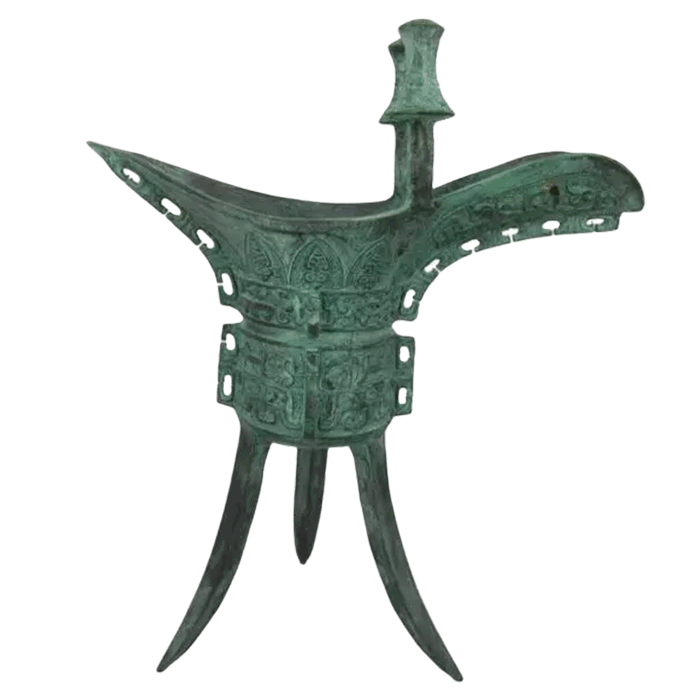
For designs based on historical objects, clear reference material is particularly important. Luoyang Yichuan Bronze Craft Co., Ltd. supports exact replication of antique bronzes where the available design references allow the work to be assessed. Buyers may also find it useful to study the evolution of bronze culture when defining a historical or period-inspired direction for an animal figure.
Information Needed for a Sample Assessment
The more complete the inquiry, the easier it is to determine whether a prototype or sample is feasible. A first-time buyer does not need to have a fully engineered drawing, but should share the clearest available materials.
- Reference images: Front, side, rear, and detail views are helpful when available.
- Dimensions: State the intended height, length, width, and base size in millimeters or centimeters.
- Quantity: Identify whether the requirement is one piece, a trial piece, or a planned repeat order.
- Material expectation: Confirm that the requested work is intended to be cast in Cu-Sn bronze alloy.
- Finish direction: Describe whether the preferred look is antique, dark brown, blackened, green-toned, polished, or modern.
- Use environment: Explain whether the item is intended for indoor display, a protected commercial space, or another application that may affect the design discussion.
- Packaging destination: State the destination country or region and whether the sculpture will be transported alone or as part of a larger shipment.
- Required date: Share the desired receiving date so the manufacturer can review the requested schedule against the project scope.
For a custom project, it is also useful to identify which details are non-negotiable. For example, a buyer may prioritize the exact head shape, a particular running pose, a distinct mane texture, the thickness of a tail, an inscription on the base, or a controlled patina color. Ranking these requirements helps avoid misunderstandings during the evaluation stage.
Design, Scale, and Casting Factors That Affect Feasibility
Bronze animal sculpture is not evaluated by image appearance alone. A design that looks balanced in a drawing or digital rendering may require additional consideration when transformed into a cast object. Weight distribution, support points, thin projections, undercuts, hollow sections, attachment areas, and base construction can all influence the production approach.
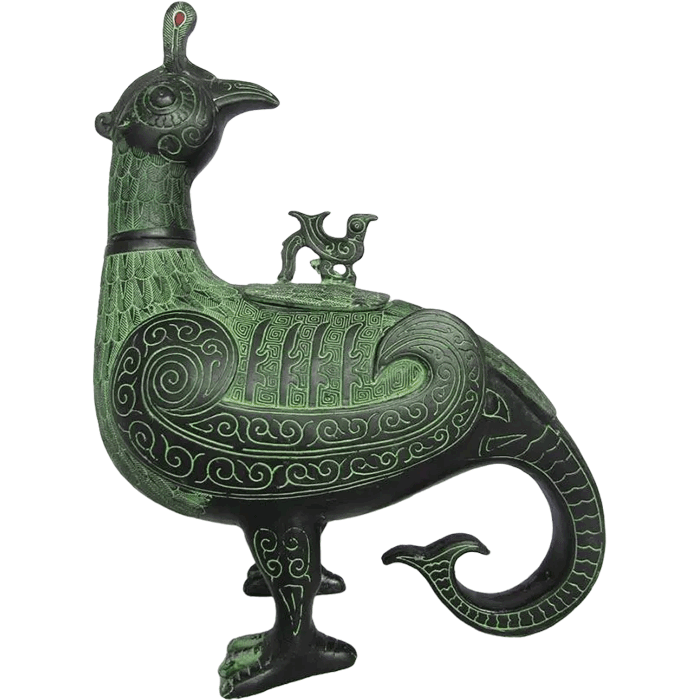
Animal forms often contain elements that deserve early attention. A standing horse may require careful consideration of leg structure and balance. A deer may include slender antlers. A bird can have thin wings, a narrow beak, or extended feathers. A tiger, lion, dragon, or mythical creature may include deeply textured surfaces that require detailed chasing after casting. These are not reasons to reject a concept; they are reasons to provide complete references and allow time for a realistic craft review.
Choosing the Right Size
Size affects more than visual impact. It can influence wall thickness, handling, casting arrangement, finishing access, weight, and protective packaging. Buyers should specify whether measurements refer to the total sculpture, the figure only, the base only, or an installed overall dimension.
If a buyer has a target installation location, it is helpful to share photographs of the area and the available width, depth, and height. For interior projects, information about door openings, elevators, display plinths, and floor loading may also support better planning. For retail or gift programs, buyers may want to define a preferred weight range and carton size alongside the visual design.
Understanding Lost-Wax Casting and Hand Finishing
Luoyang Yichuan Bronze Craft Co., Ltd. uses the traditional lost-wax casting method for premium bronze alloy sculptures. This process is well suited to artistic forms because it can reproduce sculptural contours and detailed surface elements. After casting, skilled craftsmen conduct hand chasing, polishing, and patina finishing according to the approved project direction.
Hand finishing means that surface results should be discussed with visual references whenever possible. A buyer requesting an antique appearance may prefer darker recesses and aged tonal variation. A modern look may call for a cleaner, more uniform surface. Since patina is a visual finish, reference photographs, swatches, or clearly described target colors help guide the discussion.
Buyers who are comparing materials can also consult this explanation of the difference between bronze and brass before confirming their specification. The selected material should match the desired appearance, project purpose, and casting requirement.
MOQ and Sample FAQ for Purchasing Teams
Can we order only one custom bronze animal sculpture?
Yes. The company supports custom sculptures from one piece. A single order may be used as a prototype, a unique decorative work, or a first project evaluation piece. The final feasibility review should be based on the design, dimensions, finishing requirements, and requested delivery schedule.
Is a sample required before placing a bulk order?
A sample is not automatically required for every project, but it can be useful when the design is new, the sculpture includes fine detail, the required patina is highly specific, or the buyer needs an approved standard before considering repeat production. Whether a sample is appropriate depends on the buyer’s risk-control process and the complexity of the artwork.
Can an existing antique animal sculpture be replicated?
The company supports exact replication of antique bronzes. To assess a replication request, provide detailed photographs, measurements, angles, close-ups of decorative areas, and any known information about the original object. If the buyer needs a particular aged finish, it is advisable to identify the desired color and texture separately from the shape and dimensions.
What if we only have a concept image?
A concept image can be a useful starting point. Include as many views and dimensions as possible, and explain the intended use of the sculpture. If the image shows only one angle, identify which elements are important and which areas can be developed during the design review. A clearer brief generally supports a more accurate feasibility discussion.
Can the patina be matched across multiple pieces?
Consistent patina color matching is one of the sourcing issues the company is equipped to address. To support a clear result, buyers should provide color references and explain whether the finish should be antique or modern in character. Patina expectations should be established before production planning, especially for projects containing multiple sculptures or related bronze items.
How should fragile or detailed sculptures be packed for export?
Fragile sculptures require packaging that considers vulnerable areas such as antlers, wings, ears, tails, bases, and attached decorative components. The company provides export-compliant protective packaging for fragile sculptures. Buyers should share the destination, shipping method, and any importer or project packaging requirements during the inquiry stage.
What quality controls apply before shipment?
Every shipment receives quality inspection before dispatch. The company is ISO 9001 quality management system certified, and its products comply with export quality inspection standards for art crafts. In the event of casting defects, free replacement is available. After-sales support also includes patina touch-up and restoration guidance.
How to Prepare a More Efficient First Inquiry
A well-prepared inquiry allows both buyer and manufacturer to focus on the right questions at the beginning. Rather than sending only a single image with a request for price, provide a concise project brief covering design, dimensions, quantity, finish, and schedule. This helps distinguish a simple repeated sculpture from a highly customized commission.
- Identify the animal, pose, and desired artistic style.
- Attach the best available images, sketches, CAD files, or reference models.
- State the intended dimensions and whether a base is required.
- Confirm the estimated order quantity, including any sample requirement.
- Describe the desired patina, polish level, and antique or modern appearance.
- Explain the installation, display, retail, or collection use.
- Provide the delivery location and requested timeline.
- List any special export packaging, labeling, or documentation requirements.
Buyers seeking a broader project scope can explore how to customize a bronze sculpture with design references and manufacturing requirements in mind. For projects combining animal figures with human sculptures, vessels, or other decorative pieces, reviewing available Chinese bronze sculpture categories can also help establish a unified visual direction.
Planning Timelines Without Assuming a Fixed Lead Time
First-time buyers should avoid assuming that every custom bronze project follows the same timeline. Production planning depends on the sculpture’s dimensions, design complexity, number of pieces, prototype requirements, hand-finishing needs, patina approval, packaging requirements, and shipment arrangements.
A practical timeline discussion begins with the buyer’s required date and project milestones. For example, a purchaser may need a prototype reviewed before approving a larger quantity, or may need completed pieces ready for a scheduled exhibition, store launch, installation, or gift program. Sharing these dates early gives the manufacturer the information needed to assess whether the requested plan is workable.
It is also sensible to leave time for design clarification and finish confirmation. This is particularly important where a buyer expects faithful antique replication, a coordinated set of sculptures, or close patina color matching. Clear approvals reduce the risk of late-stage adjustments and help keep the project aligned with the intended result.
With annual output exceeding 50,000 bronze art pieces and production support ranging from a single custom prototype to bulk orders, Luoyang Yichuan Bronze Craft Co., Ltd. can evaluate projects across a wide range of order scales. The most productive first step is a complete inquiry that explains what must be made, how it should look, how many pieces are needed, and when the finished work is required.