Chinese Bronze Animal Statues: 5-Year Cost Guide
Chinese Bronze Animal Statues Require a Five-Year Cost View for Accurate Budgeting
For decorative, hospitality, public-art, and landscape projects, the initial quotation is only one part of the buying decision. Buyers evaluating Chinese Bronze Animal Statues should compare the expected five-year ownership cost rather than relying only on the ex-works sculpture price. A complete model helps purchasing teams assess whether two quotations truly cover the same scope, whether installation requirements are understood, and where future maintenance expenses may arise.
Bronze animal sculptures can be commissioned as small interior display pieces, large garden focal points, hotel lobby installations, memorial elements, or themed attractions. Their dimensions, pose, surface texture, patina, base design, and destination conditions all influence total project cost. The most useful comparison is therefore not a single number. It is a structured cost plan that separates one-time acquisition expenses from recurring care, inspection, repair, and possible restoration requirements.
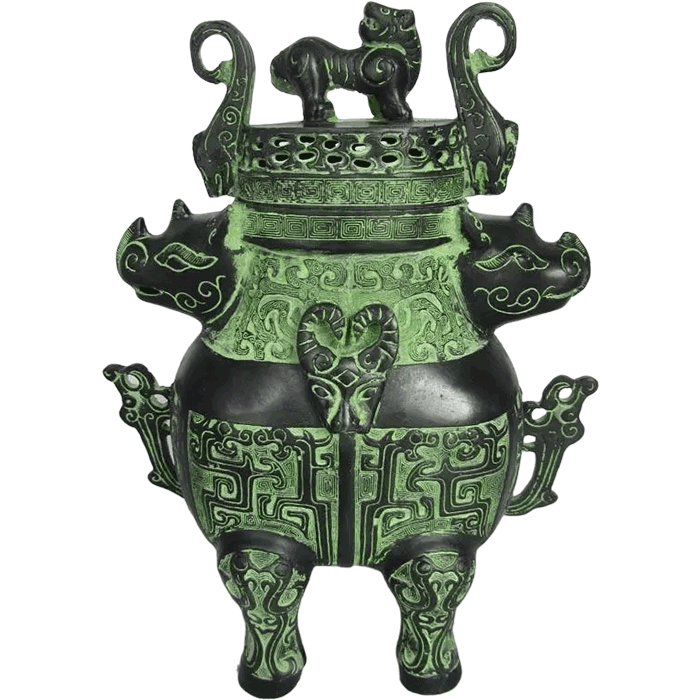
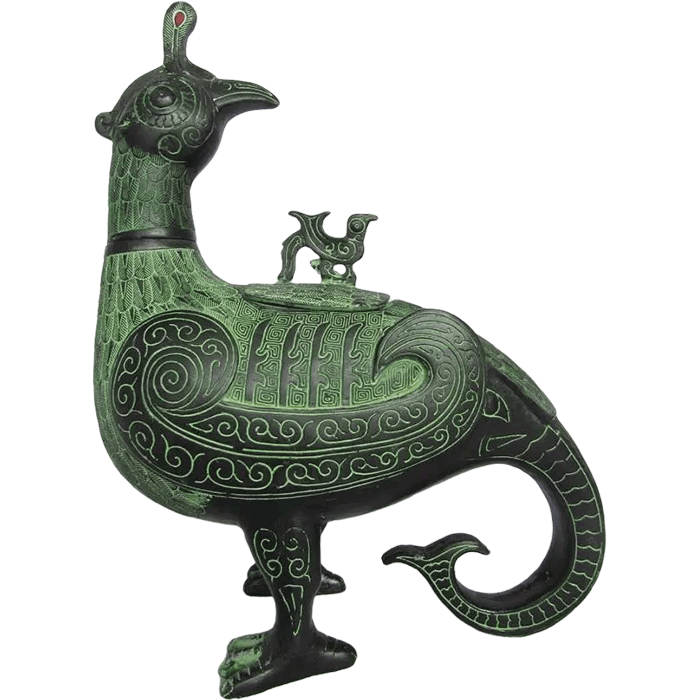
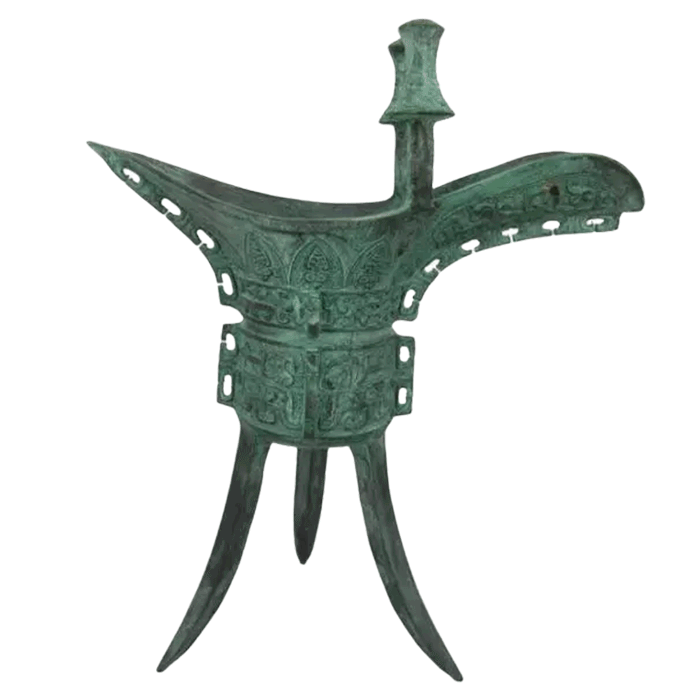
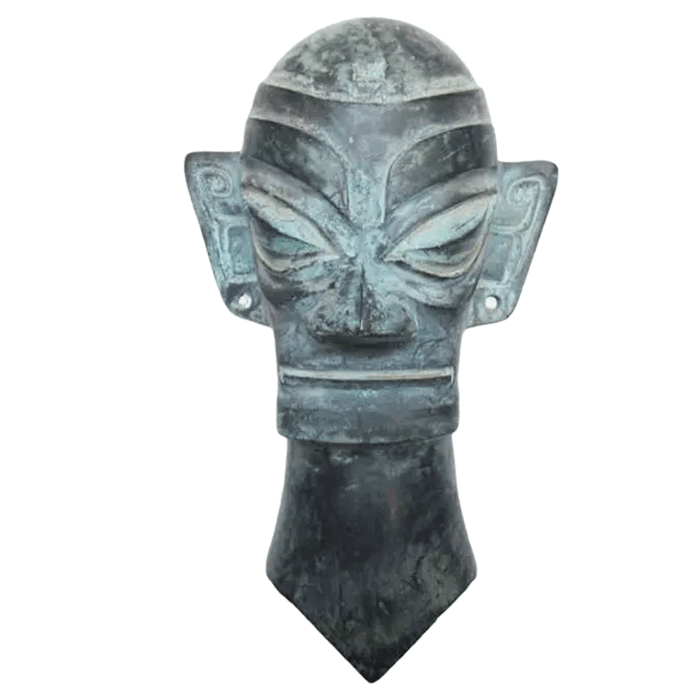
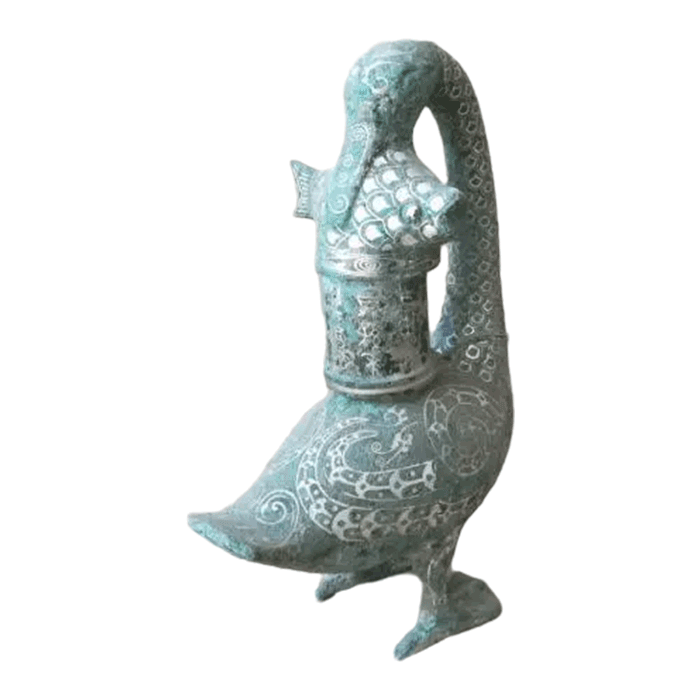
Luoyang Yichuan Bronze Craft Co., Ltd. manufactures bronze sculptures, vessels, mirrors, incense burners, Buddhist statues, and custom bronze artworks in Yichuan County, Luoyang, Henan Province. Its 3,000-square-meter production area supports projects from a single custom prototype to negotiated bulk production runs. For buyers who need related product references during the quotation stage, the company’s range of animal bronze statues can help define an intended style and application category.
Why a Five-Year Cost Model Is More Useful Than a Unit Price
A sculpture quotation may state the casting price, but buyers still need to identify which activities are included and which remain outside the supplier’s scope. For example, the production price may be separate from inland transportation, international freight, cargo insurance, import clearance, local delivery, lifting equipment, foundation preparation, installation labor, and long-term surface care. A quote that appears lower at first can become less economical if these items are not evaluated consistently.
A five-year model is especially valuable when comparing sculptures intended for outdoor locations. Rain, humidity, airborne salts, dust, landscaping chemicals, visitor contact, irrigation overspray, and nearby construction activity may affect cleaning frequency and patina appearance. Indoor works also require planning, although their main risks can be handling, abrasion, cleaning methods, and changes in the interior environment.
Rather than assuming that every project will incur the same costs, use a scenario-based budget. This approach allows a buyer to prepare a conservative estimate while retaining the flexibility to update individual lines after receiving supplier, freight, contractor, and facility-management quotations.
| Cost Group | Typical Timing | What the Buyer Should Confirm |
|---|---|---|
| Sculpture production | Before shipment | Dimensions, alloy, casting method, patina, base, internal reinforcement, and approved artwork scope |
| Export preparation | Before shipment | Protective packaging, crate dimensions, weights, export documentation, and inspection requirements |
| Transport and import | Before installation | Freight route, insurance, destination charges, duties, taxes, customs clearance, and final delivery |
| Site installation | Project commissioning | Foundation, anchoring, crane or forklift access, labor, permits, engineering review, and safety procedures |
| Ownership and care | Years 1 through 5 | Cleaning, inspections, protective treatment, touch-ups, restoration allowance, and recordkeeping |
Build the Year-Zero Landed Cost Before Comparing Suppliers
Year zero includes the costs required to move a finished sculpture from approved design to its installed destination. It is useful to create a normalized spreadsheet in which every supplier is compared against the same assumptions. Do not compare one factory’s ex-works price against another provider’s delivered-and-installed estimate without adjusting the scope.
1. Define the artwork and fabrication scope
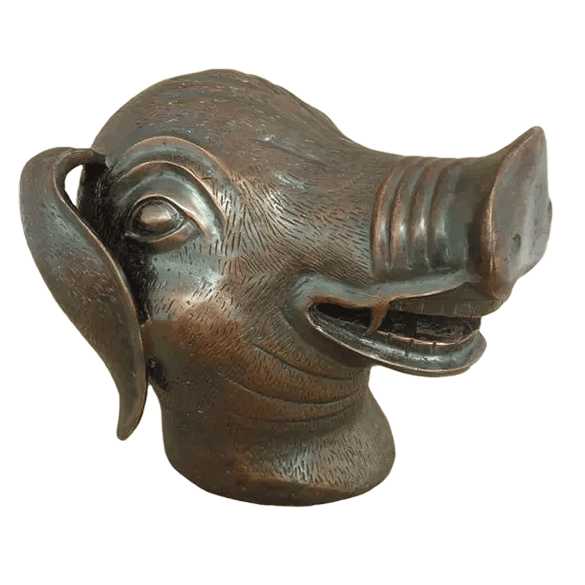
The first cost category is the sculpture itself. Buyers should record the specified animal, overall height and length, estimated finished weight, pose, wall thickness where relevant, number of cast sections, base construction, patina target, and whether the work is intended for indoor or outdoor placement. A highly detailed mane, feather pattern, fur texture, scaled surface, or openwork feature can require more mold-making, casting, hand chasing, welding, and finishing work than a simplified form of similar overall size.
Luoyang Yichuan Bronze Craft Co., Ltd. uses premium Cu-Sn bronze alloy and the traditional lost-wax casting method. Hand chasing, polishing, and antique or modern patina finishing are available. These elements should be listed clearly in the requested quote because the selected finish is part of both the initial cost and later maintenance planning. If an antique object is being referenced, provide photographs, measured drawings, and clear notes on desired texture and coloration. Exact replication should be discussed as a defined project requirement rather than assumed from a single reference photograph.
Buyers should also clarify whether the price includes a plinth, pedestal, integrated mounting plate, bolts, anchors, or only the sculpture body. These details affect fabrication, crate size, freight class, site work, and installation labor.
2. Calculate packing and shipment exposure
Fragile projections such as ears, tails, horns, wings, reins, or raised paws require particular packaging attention. A robust export packing plan can influence crate size and shipping cost, but it can reduce avoidable handling risk. Ask for the packed dimensions and gross weight after the final packaging design is known. These are more reliable inputs for freight comparison than the uncrated sculpture dimensions alone.
Shipping expenses vary by destination, shipment mode, total volume, weight, route availability, handling requirements, and local port or airport charges. For a large outdoor animal sculpture, sea freight may be considered; for a smaller work with urgent timing, an alternative shipping method may be evaluated. The appropriate choice depends on the project schedule, budget, and risk profile. Request freight quotations with the same Incoterm and ensure that all destination-side charges are identified.
Import duty, tax treatment, brokerage fees, insurance, and local compliance costs vary by country and are outside a general sculpture price. The buyer should obtain advice from a qualified local customs broker or logistics provider before finalizing a landed-cost plan.
3. Budget for site readiness and installation
Installation can be a major part of total ownership cost, particularly for monumental, freestanding, or publicly accessible works. The sculpture may require a concrete foundation, structural verification, buried anchor provisions, site drainage, lifting access, and coordination with landscape or building contractors. A heavy bronze work can also require a crane, forklift, rigging crew, traffic control, or restricted-time delivery arrangement.
For each candidate sculpture, ask the installation contractor to price the same documented conditions: site access, lift radius, equipment size, ground bearing conditions, anchor method, working hours, and finishing work after placement. If the work is installed near a fountain, water feature, planting bed, or irrigation zone, record that environmental condition in the maintenance assumptions from the beginning.
A Five-Year Ownership Budget for Chinese Bronze Animal Statues
Once the year-zero amount is established, project teams can assign estimated annual costs for inspection, cleaning, surface review, and contingency. The objective is not to predict every repair. It is to make maintenance visible during procurement, ensuring that the owner has an appropriate process and reserve after installation.
A practical calculation can be expressed as:
Five-Year Cost = Year-Zero Landed Cost + Planned Care in Years 1–5 + Expected Inspection Costs + Repair and Restoration Allowance + Contingency
Each part should be supported by assumptions that can be reviewed by procurement, facilities, landscape, finance, and project-management teams. A hotel property may have routine housekeeping staff but require specialist support for patina work. A municipal landscape project may require a maintenance contractor and formal inspection records. A private collector may have different access, security, and handling requirements.
| Budget Line | Year 0 | Years 1–5 | Planning Notes |
|---|---|---|---|
| Approved sculpture and base | Yes | Only if replacement parts are needed | Keep signed drawings, finish samples, and final photographs in the project file |
| Freight, insurance, import, and delivery | Yes | No routine recurrence | Use actual logistics quotations and local import guidance |
| Foundation and installation | Yes | Periodic review may apply | Include anchors, lifting, access equipment, and contractor labor where required |
| Routine cleaning | Initial handover only if scoped | Potentially recurring | Frequency should reflect indoor or outdoor exposure and the owner’s cleaning protocol |
| Patina inspection and touch-up | Finish approval | As conditions require | Document changes before selecting a corrective method |
| Repair or restoration reserve | Optional allowance | Maintain a contingency | Useful for accidental damage, abrasion, or unexpected environmental exposure |
Estimate Maintenance by Exposure Rather Than by Sculpture Price
A common budgeting mistake is to calculate maintenance as a fixed percentage of the purchase price. In practice, exposure conditions and access requirements may be more meaningful drivers. Two similarly priced sculptures can have very different five-year care needs if one is in a protected lobby and the other is beside a coastal walkway or heavily used public garden.
Protected indoor display scenario
An indoor lobby, gallery, reception room, or private interior can present a relatively controlled environment. The budget should still include gentle dust removal, periodic visual inspection, and procedures to prevent scratches from aggressive cleaning tools or repeated contact with furniture and equipment. If a sculpture is moved for renovations or events, add handling and protective wrapping costs to the plan.
Covered semi-outdoor scenario
Covered entrances, courtyards, and sheltered hospitality spaces may protect a sculpture from direct rain while exposing it to humidity, windblown dust, visitor touch, and occasional water. The budget should account for regular condition checks, surface cleaning appropriate to the approved patina, and evaluation of drainage and water runoff around the base.
Open landscape scenario
Outdoor grounds require the broadest contingency. The ownership team should monitor changes in color uniformity, deposits, scratches, impact damage, water pooling, and the condition of surrounding anchors or base materials. Cleaning products and techniques should be selected carefully because unsuitable methods may alter the desired finish. When touch-up or restoration is required, use documented photographs and consult qualified specialists. Luoyang Yichuan Bronze Craft Co., Ltd. provides after-sales support for patina touch-ups and restoration guidance, which can be relevant when defining post-installation support expectations.
For historical and design context when preparing an antique-inspired project, buyers may consult the company resource on bronze culture evolution. This can help project teams distinguish a desired historic visual direction from a maintenance specification, which should remain specific to the actual installation environment.
Use Three Scenarios to Compare Quote Risk
A strong quote-comparison process uses more than one financial outcome. Prepare low, expected, and high exposure scenarios for freight, installation, and maintenance. This does not mean inflating every budget line; it means recognizing uncertainty before a purchase order is issued.
- Baseline scenario: Uses confirmed sculpture specifications, the preferred freight route, normal site access, and a routine maintenance schedule suitable for the installation environment.
- Higher-cost scenario: Includes a contingency for increased freight, access constraints, additional lifting time, foundation modifications, or more frequent condition review.
- Extended-care scenario: Assumes the owner chooses a more proactive inspection and surface-care approach for a prominent hospitality, public, or landscape location.
For each scenario, retain the same sculpture design and quality requirements. Changing the alloy, reducing surface work, removing base components, or simplifying packaging merely to lower the apparent number can make quotations difficult to compare. Instead, request transparent alternatives: one price for the agreed design, another for an approved design change, and separate optional pricing for services such as site support or additional finish samples.
Questions to Include in a Quote-Comparison Checklist
At the quote-comparison stage, a written checklist helps prevent scope gaps. The following questions can be used alongside drawings and reference images:
- What are the finished sculpture dimensions, estimated net weight, packed dimensions, and gross shipping weight?
- Is the Cu-Sn bronze alloy and lost-wax casting process specified in the quotation?
- What hand chasing, welding, polishing, and patina work are included?
- How will the final patina be approved, and can a physical or photographic finish reference be retained for future touch-up guidance?
- What base, mounting plate, anchors, or installation interfaces are included with the sculpture?
- What protective export packaging is proposed for vulnerable projections and surface finishes?
- Which Incoterm applies, and which freight, insurance, clearance, tax, and destination charges are excluded?
- What factory quality inspection occurs before shipment?
- What is the process if a casting defect is identified, and what after-sales support is available for finish-related guidance?
- What site information does the installation contractor need before providing a final installation price?
The manufacturer is ISO 9001 quality management system certified, and its products comply with export quality inspection standards for art crafts. Quality inspection is conducted before every shipment, and free replacement is available for casting defects. These points should be documented within the commercial agreement together with the approved design, finish, packing scope, and delivery terms.
Buyers seeking to compare custom development options can also review how to customize a bronze sculpture. Early agreement on drawings, dimensions, patina, and installation interfaces can reduce later changes that affect both cost and delivery planning.
Turn the Five-Year Model Into a Confident Purchase Decision
The best purchasing decision is not necessarily the lowest initial sculpture price. It is the option with a clearly defined artistic scope, reliable production requirements, suitable export protection, transparent logistics assumptions, workable installation planning, and a realistic approach to ownership care. A five-year model makes these factors visible to both financial and technical stakeholders.
When requesting quotations, provide the intended location, target dimensions, reference images, finish expectations, destination country, access conditions, expected delivery window, and whether the work will be indoors, covered, or fully exposed outdoors. Ask each bidder to identify inclusions, exclusions, and optional services in the same format. This gives the buyer a defensible basis for comparing total landed and ownership costs.
With annual output of more than 50,000 bronze art pieces and a team of over 30 skilled craftsmen, including bronze-casting masters and finishing artisans, Luoyang Yichuan Bronze Craft Co., Ltd. can support single custom prototypes and negotiated bulk production runs. A structured five-year budget allows buyers to align this production capability with their own procurement, installation, and long-term care requirements before confirming the order.
===BODY===