Chinese Antique Silver Tea Service: Import Cost Factors
What Determines the True Import Cost of a Chinese Antique Silver Tea Service
International buyers researching a Chinese antique silver tea service often focus first on the quoted unit price. However, the final landed cost of any imported metal art collection — whether silverware, bronze vessels, or custom sculptures — depends on far more than the number on a supplier's invoice. Material grade, craftsmanship level, packaging requirements, and cross-border logistics all contribute to the total acquisition cost. This guide breaks down the major cost drivers so buyers can compare quotations accurately and avoid budget surprises after purchase.
Material and Alloy Composition Affect Base Pricing
Silver purity and alloy composition are the starting point for any cost calculation. Pieces marketed as antique-style silverware may use sterling silver, silver-plated brass, or silver-plated bronze, and each option carries a very different raw material cost. Buyers should always request documentation confirming the metal content before comparing quotes, since a lower price often reflects a thinner plating layer or a base alloy substitution rather than a manufacturing discount.
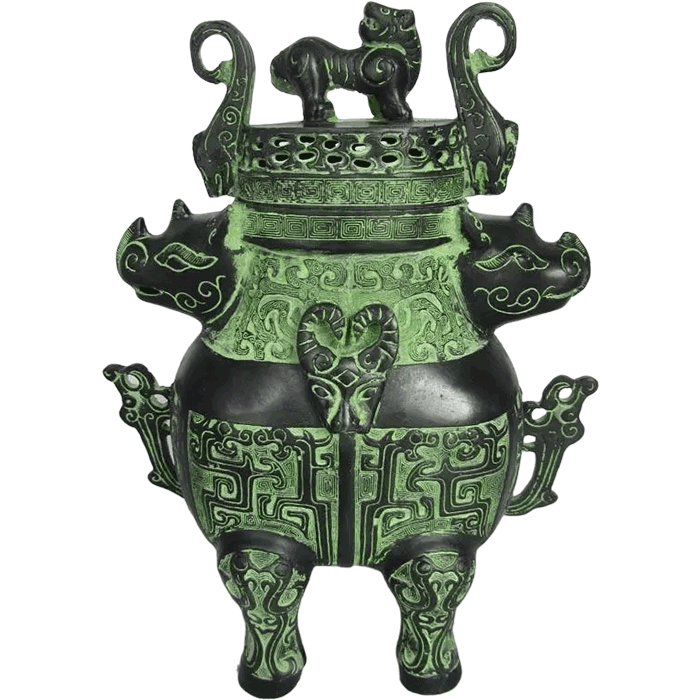
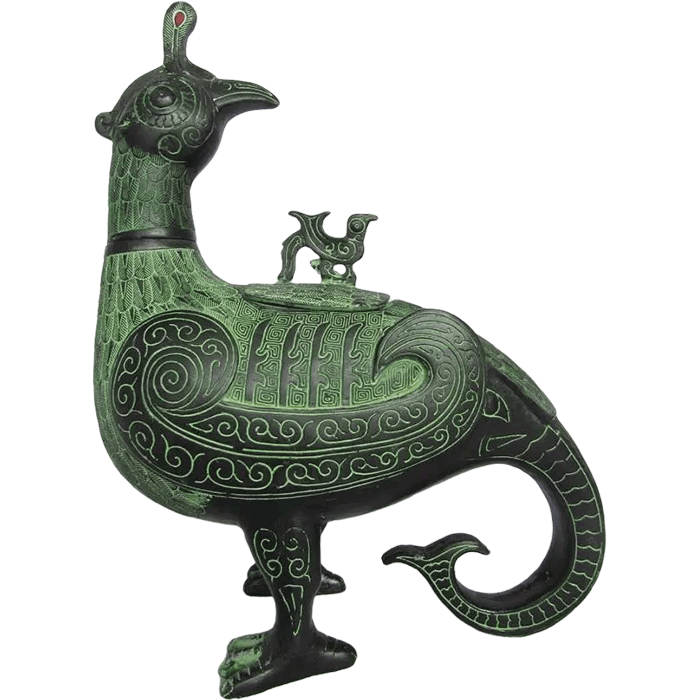
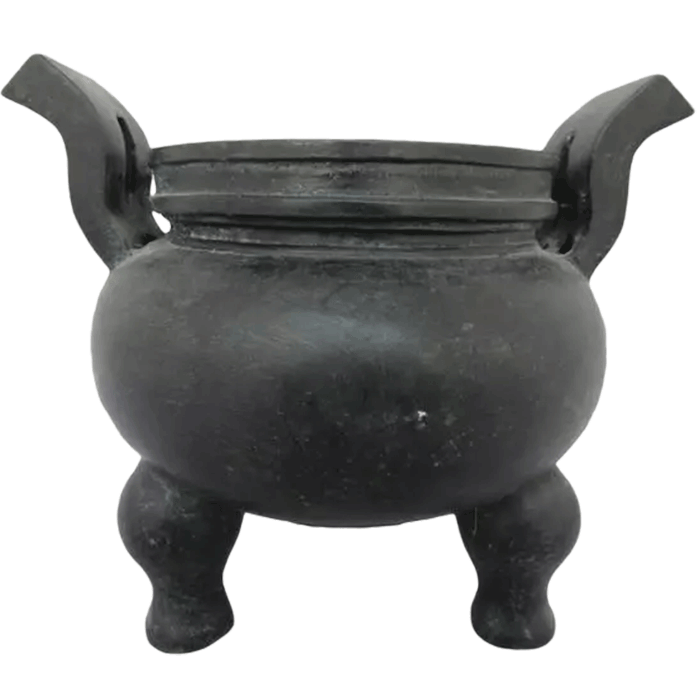
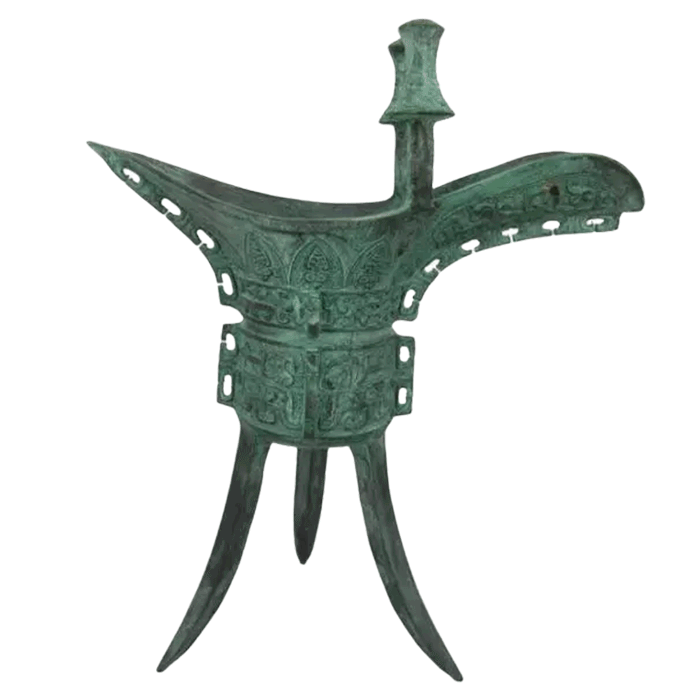
For buyers open to alternative metal artworks with similar aesthetic value, bronze remains a well-established option in Chinese metal craft traditions. Understanding the difference between bronze and brass helps buyers evaluate whether a bronze-based piece could meet their display or gifting needs at a more predictable cost structure than fluctuating silver commodity pricing.
Casting Method and Labor Intensity
Traditional lost-wax casting, hand chasing, and manual polishing require significantly more skilled labor hours than machine-stamped production. A workshop staffed with bronze-casting masters and finishing artisans will price pieces according to the hours of hand engraving, surface texturing, and patina work involved. This labor cost is legitimate and directly tied to the fidelity of antique reproduction — buyers seeking exact replication of historical designs should expect this to be reflected in the quote.
Customization, Design Complexity, and Minimum Order Quantity
Custom orders introduce additional cost variables beyond a standard catalog item. Design complexity, sculpture size, and finishing detail all affect production time and therefore price. Some manufacturers accommodate a minimum order quantity of a single custom piece, which is useful for buyers testing a new design or sourcing a one-off commissioned artwork, while bulk orders typically achieve better per-unit pricing once size and complexity are fixed.
Buyers planning a private collection, a hospitality project, or a corporate gifting program should request a written quotation that separates tooling or prototype costs from repeat production costs. This distinction matters because a first custom prototype often carries a higher unit cost than subsequent units made from the same mold or design reference. For buyers exploring bespoke options, it is worth reviewing how to customize a bronze sculpture from sculpmart.com to understand typical stages in a custom production workflow, from design approval to final finishing.
Patina and Finish Consistency
Achieving a consistent antique patina color across an entire tea service — teapot, tray, cups, and accessories — requires controlled chemical treatment and experienced finishing staff. Inconsistent patina matching between pieces is a common complaint among buyers sourcing antique-style metalware, and it directly affects perceived value. When comparing suppliers, ask how patina matching is quality-checked across a full set rather than a single sample piece.
Quality Inspection, Certification, and Compliance Costs
Export-compliant art crafts typically undergo quality inspection before shipment to confirm structural integrity, surface finish, and packaging suitability. Suppliers operating under an ISO 9001 quality management system generally build inspection costs into their standard pricing rather than charging separately, but buyers should confirm this in writing. A pre-shipment inspection report protects both parties and reduces the risk of receiving damaged or defective goods.
Import compliance also depends on the buyer's destination country. Some jurisdictions apply different tariff classifications to silver versus silver-plated goods, and antique reproduction pieces may require additional documentation to clear customs smoothly. Buyers should consult their customs broker early in the sourcing process rather than after the shipment has already left the factory.
Protective Packaging for Fragile Metalware
Bronze and silver sculptures, vessels, and tea sets are fragile during transit, particularly pieces with fine chasing detail, applied handles, or delicate finials. Export-grade protective packaging — including custom foam inserts, wooden crates, and moisture barriers — adds cost but significantly reduces the risk of transit damage. Buyers comparing quotes should confirm whether packaging costs are included or billed separately, since this line item varies widely between suppliers and can materially change the total cost per unit, especially for smaller orders.
Shipping, Insurance, and Logistics Variables
Freight cost is one of the most volatile components of total landed cost. Sea freight offers the lowest per-unit shipping cost for bulk orders but extends lead time, while air freight suits smaller or time-sensitive shipments at a higher cost per kilogram. Buyers should request quotes under standard Incoterms such as FOB, CIF, or DDP so that responsibility for freight, insurance, and import duties is clearly defined before production begins.
Insurance coverage for high-value metal art shipments is another factor often overlooked in early budgeting. Given the fragility and value density of cast metal pieces, adequate cargo insurance protects against total loss during ocean or air transit. Buyers should also factor in destination port charges, customs clearance fees, and inland transportation to their final delivery address, all of which sit outside the factory's quoted price but form part of the true acquisition cost.
After-Sales Support and Restoration
Reputable manufacturers typically offer free replacement for casting defects identified during quality inspection, along with after-sales support for patina touch-ups or minor restoration guidance. While these services do not usually appear as a separate line item, buyers should ask whether such support is available and for how long after delivery, since restoration access can meaningfully extend the usable lifespan of an antique-style piece.
Comparing Total Cost Against Quoted Price
When evaluating suppliers of a Chinese antique silver tea service or comparable bronze art pieces, buyers should build a comparison table that includes unit price, customization or tooling fees, packaging cost, freight terms, insurance, customs duties, and any inspection or certification fees. A supplier with a slightly higher unit price but included protective packaging and pre-shipment inspection may ultimately offer a lower total landed cost than a cheaper quote that excludes these items.
Buyers new to sourcing Chinese metal art crafts may also benefit from understanding the broader craft tradition behind these pieces, which can inform expectations around pricing and production time. Reviewing the evolution of bronze culture over 2000 years provides useful context on why hand-finished antique reproduction work commands the pricing it does, rooted in centuries of casting and patina techniques still practiced by skilled artisans today.
Working With an Established Workshop
Sourcing from a manufacturer with documented quality systems, a dedicated production facility, and a team of skilled craftsmen reduces many of the hidden risks that inflate total import cost — including rework, delayed shipments, and inconsistent finishing. Buyers are encouraged to review a supplier's production capacity and certifications directly; learn more about scultmart and its manufacturing background before requesting a formal quotation.
Practical Budgeting Checklist for Buyers
- Confirm exact metal composition and plating thickness in writing.
- Request separate pricing for prototype/tooling versus repeat production units.
- Clarify whether protective export packaging is included in the quoted price.
- Choose Incoterms that clearly assign freight, insurance, and duty responsibility.
- Ask about pre-shipment inspection reports and defect replacement policy.
- Confirm after-sales support availability for patina touch-ups or restoration.
- Factor in destination port fees, customs clearance, and inland delivery separately.
By separating these cost components early in the sourcing process, buyers evaluating a Chinese antique silver tea service — or any comparable custom metal artwork — can build a realistic budget that reflects true landed cost rather than a partial factory quote. This approach also makes it easier to compare unrelated suppliers on equal terms, since unit price alone rarely tells the full story in cross-border art and craft procurement.
Exploring Alternative Metal Art Categories
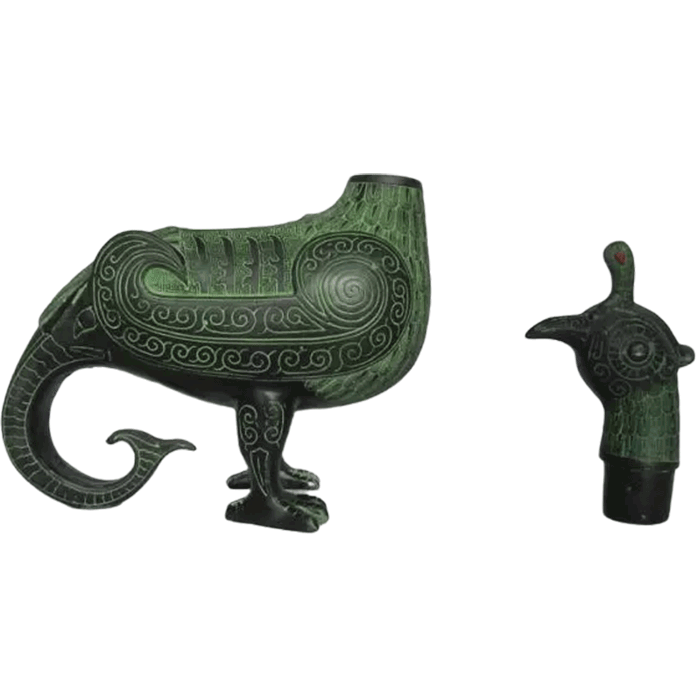
Buyers who find silverware budgets challenging to justify for large-scale procurement sometimes turn to bronze as a durable, historically rich alternative with more stable material costs. Categories such as chinese bronze sculpture and bronze statues with different themes offer comparable craftsmanship and antique aesthetic appeal, often at a more predictable price point for bulk hospitality, corporate, or collector orders. Reviewing options across both silver and bronze categories before finalizing a budget allows buyers to select the material that best balances authenticity, durability, and total import cost for their specific project.