Chinese Antique Silver Tea Service: Hallmark FAQs
Chinese Antique Silver Tea Service Hallmark FAQs Every Trade Buyer Should Know
Sourcing metal antiques for resale or gifting programs requires more than an appreciation of craftsmanship — it demands a working knowledge of the marks, symbols, and physical clues that separate a genuine piece from a modern reproduction with an artificially aged surface. Trade buyers who deal in Chinese silverware, bronzeware, and related decorative metalwork frequently ask the same set of questions before committing to a purchase order. This guide answers the most common hallmark questions, then explains how the same authentication logic applies across silver and bronze metalcraft, drawing on the production standards used at our own workshop in Yichuan County, Luoyang, Henan Province.
Why Hallmark Verification Matters for Trade Buyers
Hallmarks and maker's stamps exist to communicate three things: the purity of the metal, the workshop or artisan responsible for the piece, and — in many cases — an approximate production period. For buyers placing bulk orders or curating a catalog of collectible reproductions, misreading these marks can lead to mispriced inventory, customer disputes, or compliance issues at customs. Because silver tea sets often pass through multiple owners, plating processes, and regional workshops before reaching an export market, a single stamp rarely tells the whole story. Buyers need a layered approach that combines mark identification with material testing and visual inspection of construction details.
Common Hallmark Questions From Trade Buyers
What does a Chinese silver purity mark actually indicate?
Purity marks on Chinese silverware typically appear as characters or numerals indicating a fineness standard, such as "90" for 90% silver content, or characters referencing "sterling" adopted after Western trading influence in the late Qing and Republican periods. Unlike the standardized hallmarking systems used in Britain or continental Europe, historical Chinese silver marking was far less centralized, meaning the same workshop could use different stamps across different production batches. This is one reason a stamp alone should never be treated as definitive proof of purity — spot testing with acid kits or XRF analysis remains the industry-standard supplement.
How do maker's marks differ between workshops and export houses?
Export-oriented silverware from cities such as Guangzhou, Shanghai, and Hong Kong during the 19th and early 20th centuries often carries both a Chinese character mark identifying the workshop and a Latinized name or initials intended for Western buyers. Domestic workshops producing for local markets, by contrast, tended to rely solely on Chinese characters, sometimes accompanied by a reign-related inscription. Cataloging both mark types correctly helps buyers price pieces according to their original trade destination and collector demand.
Can hallmarks alone confirm a production date?
Rarely with full confidence. Reign marks referencing a specific era were sometimes applied decades after that period as a mark of respect or stylistic homage rather than a literal dating claim — a practice also documented extensively in bronze vessel reproduction, discussed further in the evolution of bronze culture over 2000 years. Buyers should treat reign marks as stylistic references and cross-check them against construction technique, wear patterns, and metal composition before assigning a firm date.
Authenticity Signals Beyond the Stamp
Because stamps can be forged, worn smooth, or misapplied, experienced buyers rely on a combination of physical indicators alongside mark reading.
- Weight and density: Cast or hand-raised silver pieces typically feel notably heavier than electroplated modern copies of the same dimensions.
- Tool marks and seams: Hand-chased decoration shows subtle irregularities under magnification, while machine-stamped reproductions display uniform, repetitive patterning.
- Patina consistency: Genuine aged silver darkens unevenly in recesses and high-touch areas, whereas chemically induced patina often sits uniformly across the surface.
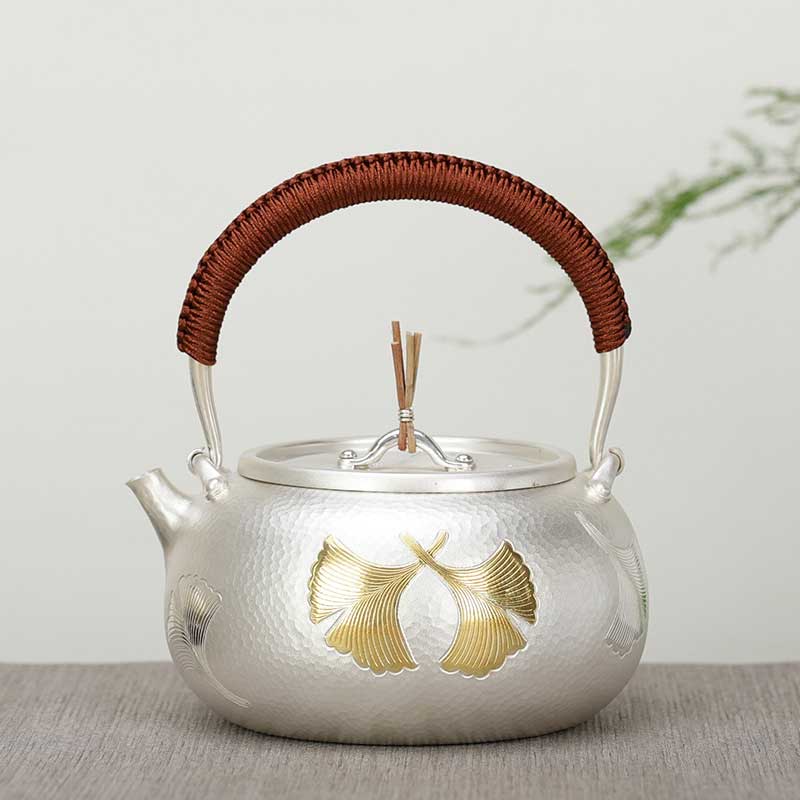
- Joinery quality: Spouts, handles, and finials on a well-made tea service are soldered with minimal visible seam lines, reflecting the same finishing discipline expected in high-quality bronze casting.
These same evaluation principles apply almost identically when authenticating bronze ritual vessels, mirrors, and sculpture — a subject we cover in depth across our collection of chinese bronze handicrafts resources, where casting seams and surface oxidation patterns are examined using comparable diagnostic methods.
How Metalcraft Expertise Translates Across Silver and Bronze
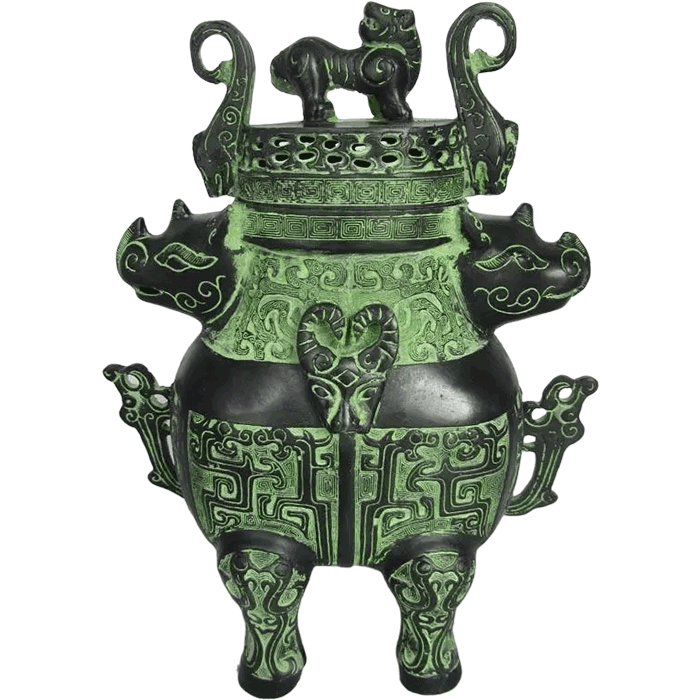
Our workshop specializes in bronze rather than silver, but the manufacturing disciplines that produce a trustworthy Chinese antique silver tea service and a museum-quality bronze reproduction come from the same technical foundation. We cast bronze sculptures, ritual vessels, mirrors, and incense burners using the traditional lost-wax method, refined with a premium copper-tin alloy selected specifically for durability and surface response during hand chasing and patina work. Understanding how alloy composition affects surface aging is directly relevant to hallmark and authenticity questions — buyers curious about how bronze and brass differ in weight, color, and oxidation behavior can review the difference between bronze and brass for a technical breakdown that mirrors the same reasoning used when distinguishing silver alloys from silver-plated base metal.
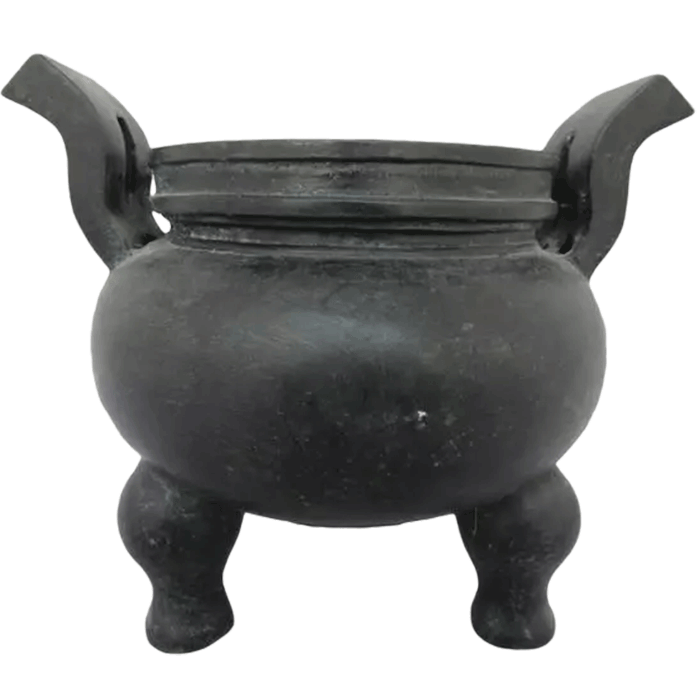
Our facility operates under ISO 9001 quality management certification, with production compliant with export inspection standards for art crafts. Every finished piece — whether a bronze Buddhist statue, a ding tripod, or a custom sculpture — passes quality inspection before shipment, and casting defects are covered by free replacement. This inspection discipline is the same standard trade buyers should expect from any reputable supplier of silver or bronze antiques and reproductions, regardless of the metal in question.
Sourcing Reproduction and Custom Metal Art With Confidence
For buyers who deal primarily in silver antiques but are expanding into bronze decorative art, vessels, or Buddhist statuary, working with a manufacturer that understands both traditional forms and export compliance reduces sourcing risk considerably. Our team of more than 30 skilled craftsmen, including bronze-casting masters and finishing artisans, supports everything from a single custom prototype to full production runs, with a minimum order quantity starting at one piece for custom sculpture work. Annual output exceeds 50,000 bronze art pieces, giving trade buyers the flexibility to scale from sample orders to bulk purchasing as demand develops.
Common pain points we address for import partners include exact replication of antique bronze forms, consistent patina color matching across production batches, and export-compliant protective packaging designed for fragile cast pieces during international freight. After-sales support extends to patina touch-ups and restoration guidance, which mirrors the kind of ongoing care buyers of an antique silver tea set often need after years of handling and display.
If your sourcing catalog spans multiple metal categories, it's worth reviewing our full range of chinese bronze antique pieces alongside decorative options such as vessels, mirrors, and incense burners, since many collectors and gift retailers pair silver tableware with bronze display pieces in the same product line. For buyers exploring silver craftsmanship specifically, our sister category of handmade silver pieces offers a complementary product line manufactured under the same quality inspection standards applied to our bronze work.
Frequently Asked Sourcing Questions
Should I request material testing before finalizing a bulk order?
Yes. For any Chinese antique silver tea service purchase involving multiple units, requesting an XRF or acid-spot test report alongside visual hallmark documentation is standard due diligence for trade-volume transactions.
Can a supplier replicate a specific antique design if I only have photographs?
Reputable metalcraft workshops with lost-wax casting capability can typically reproduce a design from detailed photographs and measurements, though exact patina and surface texture matching may require a physical reference sample. You can review how this process works through our page to customize a bronze sculpture, which outlines the general workflow for custom reproduction orders.
What packaging standards should I expect for fragile metal antiques?
Export-grade packaging for cast metal pieces should include internal cushioning, moisture protection, and rigid outer crating suited to the weight and shape of the item, with documentation confirming compliance with destination-country import standards for art and craft goods.
Whether your business focuses on silver tableware, bronze statuary, or a blended catalog of Chinese decorative metal antiques, pairing careful hallmark literacy with a reliable manufacturing partner remains the most effective way to protect margins and customer trust. To learn more about our production capabilities and certification history, visit our about scultmart page for further background on our workshop and export experience.