Calculate Landed Cost for Custom Art Imports
Understanding Landed Costs for Importing a Handmade Silver Teapot
For businesses engaged in the international trade of high-value artistic creations, accurately calculating the landed cost is paramount. This comprehensive figure represents the total expense of bringing a product from the manufacturer's facility to your desired destination. While this guide uses the example of a handmade silver teapot, the principles apply universally to importing high-value, custom-crafted art pieces, including the exquisite bronze sculptures, vessels, and custom artworks produced by Luoyang Yichuan Bronze Craft Co., Ltd. A precise landed cost calculation is critical for setting competitive prices, ensuring profitability, and making informed sourcing decisions.
Sourcing distinctive art pieces from overseas suppliers, such as intricate bronze vessels or custom human and animal statues, involves more than just the initial purchase price. Overlooking any component of the landed cost can lead to unexpected expenses that erode profit margins or make a project financially unviable. This detailed understanding allows wholesale buyers, art dealers, and interior designers to compare quotes effectively and identify the true cost of their inventory before committing to an order.
What is Landed Cost and Why Does It Matter for Custom Art?
Landed cost is the sum of all expenses associated with getting a product from its point of origin to your inventory. For custom art, this calculation becomes even more nuanced due to the unique nature, fragility, and often higher individual value of each piece. It encompasses the ex-factory price of the item, all shipping and handling charges, customs duties and taxes, insurance, and any additional fees incurred along the supply chain.
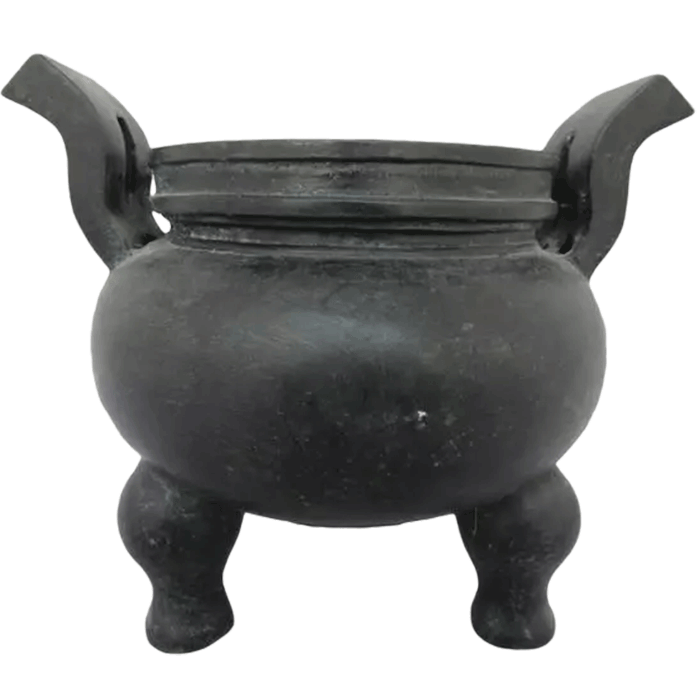
For businesses importing items like a specialized bronze ding vessel or a bespoke Buddhist statue, failing to account for every cost component can have significant repercussions. Imagine miscalculating the import duties on a large shipment, or underestimating the cost of specialized packaging required for fragile sculptures. Such oversights can turn potentially profitable ventures into financial burdens. Understanding the true landed cost enables:
- Accurate Pricing: You can set a retail price that covers all your costs and provides a healthy profit margin.
- Budgeting & Financial Planning: Essential for cash flow management and securing financing for larger orders.
- Supplier Comparison: Allows for a true "apples-to-apples" comparison between different manufacturers, even if their initial ex-factory quotes differ. A seemingly lower unit price might be offset by higher shipping or customs fees.
- Risk Management: Identifies potential areas of unexpected cost, prompting proactive measures such as choosing suppliers with robust export packaging or negotiating favorable shipping terms.
- Improved Profitability: By understanding and optimizing each cost component, businesses can maximize their overall profitability.
For custom bronze artworks, which often represent significant investments, the meticulous calculation of landed cost is not merely good practice—it is an indispensable strategy for sustainable business operations.
Key Components of Landed Cost for High-Value Crafts
Calculating the landed cost for a high-value item like a handmade silver teapot or a custom bronze sculpture involves several distinct categories of expenses. Each component must be thoroughly researched and factored in:
1. Product Cost (Ex-Works Price)
This is the fundamental cost of manufacturing the item itself. For custom pieces, this will depend on the complexity of the design, the materials used (e.g., premium bronze alloy Cu-Sn for our sculptures), the labor involved (e.g., traditional lost-wax method, hand chasing, polishing, patina finishing), and the order quantity. Manufacturers like Luoyang Yichuan Bronze Craft Co., Ltd. offer flexible MOQ from 1 piece for custom sculptures, with bulk orders negotiable based on size and design complexity, which directly impacts the per-unit product cost.
2. Shipping and Freight Costs
Transporting valuable art requires careful consideration. This category includes:
- Inland Freight (Origin): Cost to move the product from the manufacturer's factory (e.g., Yichuan County, Luoyang) to the port or airport of departure.
- International Freight: The main cost of shipping by sea, air, or land from the origin country to the destination country. For fragile items, air freight might be faster and offer less handling, but at a higher cost. Sea freight is more economical for larger, less urgent consignments.
- Freight Forwarder Fees: Services provided by third-party logistics companies to manage the shipping process, documentation, and coordination.
- Insurance: Essential for high-value items. Cargo insurance protects against loss or damage during transit. Given the inherent fragility of many art pieces, this is a non-negotiable expense.
- Inland Freight (Destination): Cost to move the product from the arrival port/airport to your final warehouse or retail location.
3. Customs Duties, Taxes, and Brokerage Fees
These are government-imposed charges that vary significantly by country, product type, and declared value. Accurate classification of the product (HS code) is crucial to determine the correct duty rate. A customs broker can assist with navigating complex regulations and ensuring compliance.
- Import Duties: Tariffs levied on goods entering a country.
- Value-Added Tax (VAT) or Sales Tax: Applied at the point of entry or sale, depending on the destination country's regulations.
- Customs Broker Fees: Charges for professional services to clear goods through customs, prepare documentation, and pay duties on your behalf.
4. Warehousing, Handling, and Storage
Once the product arrives, there might be additional costs before it reaches its final sales point.
- Unloading and Handling Fees: Charges at the port or warehouse for moving and processing the goods.
- Storage Fees: If goods require temporary storage before onward shipment or distribution.
- Quality Control and Inspection: While a reputable manufacturer like Luoyang Yichuan Bronze Craft Co., Ltd. conducts quality inspection before every shipment, you might opt for an independent third-party inspection upon arrival, especially for significant or sensitive orders.
5. Payment Processing and Banking Fees
International money transfers often incur fees, which should be included in the landed cost calculation.
- Wire Transfer Fees: Charged by banks for international transactions.
- Currency Exchange Fees: If payments are made in a different currency, exchange rates and associated fees can impact the final cost.
Mitigating Risks and Costs with a Reliable Manufacturer
Selecting a trustworthy and experienced manufacturer is one of the most effective strategies for managing and optimizing landed costs for custom art pieces, whether it’s a delicate handmade silver teapot or a monumental bronze sculpture. Luoyang Yichuan Bronze Craft Co., Ltd. exemplifies how a reputable supplier can significantly reduce risks and unforeseen expenses for B2B buyers.
1. Assured Quality Reduces Rework and Returns
Quality issues are a significant hidden cost. Defects necessitate returns, replacements, or costly rework, all of which add to the landed cost. Our company's adherence to the ISO 9001 quality management system ensures that products meet stringent standards from the outset. With over 30 skilled craftsmen, including bronze-casting masters, and a production area of 3,000 square meters, we maintain consistent quality across an annual output of over 50,000 bronze art pieces. Furthermore, our commitment to a free replacement for casting defects provides an invaluable safeguard, minimizing financial exposure from manufacturing errors.
2. Expert Packaging Prevents Damage in Transit
Fragile sculptures and vessels require specialized packaging to withstand the rigors of international shipping. Luoyang Yichuan Bronze Craft Co., Ltd. solves the pain point of export-compliant protective packaging for fragile sculptures. Our expertise in this area ensures that each piece, whether a custom bronze artwork or a traditional bronze mirror, arrives at its destination in pristine condition, eliminating the costs associated with damage claims, delayed shipments, and customer dissatisfaction.
3. Clear Communication and Documentation
A reliable manufacturer provides accurate documentation, including commercial invoices, packing lists, and certificates of origin. This clarity minimizes delays at customs, reduces the likelihood of incorrect duty assessments, and streamlines the entire import process. The ability to produce products that comply with export quality inspection standards for art crafts further simplifies this aspect.
4. After-Sales Support and Long-Term Value
Beyond delivery, the longevity and maintenance of art pieces contribute to their overall value. Our after-sales support for patina touch-ups and restoration guidance demonstrates a commitment to the product's lifespan, which can be a selling point for your clients and reduces potential future costs for upkeep. This extended support is crucial for maintaining the aesthetic and monetary value of pieces finished with antique or modern patinas.
Strategic Sourcing: Beyond the Initial Quote
When evaluating potential suppliers for items like a custom handmade silver teapot or any bespoke art piece, a strategic approach involves looking beyond the initial product quote. The "total cost of ownership" perspective, encompassing all landed costs and the value offered by the supplier, provides a more accurate picture for long-term profitability and success.
Consider the following when making your sourcing decisions:
- Supplier Reputation and Certifications: A manufacturer with certifications like ISO 9001 signals a commitment to quality and process efficiency, directly impacting the consistency and reliability of your orders.
- Experience with International Shipping: Ask about their experience with export procedures, preferred freight forwarders, and packaging methods for fragile goods. A supplier familiar with international logistics can prevent many headaches and hidden costs.
- Customization Capabilities: For unique art pieces, the ability to support everything from a single custom prototype to bulk production runs, as offered by Luoyang Yichuan Bronze Craft Co., Ltd., is invaluable. This flexibility ensures your specific artistic and commercial needs can be met efficiently.
- Warranty and After-Sales Service: Understand the manufacturer's policy on defects, returns, and support. A clear policy, such as free replacement for casting defects and after-sales support for restoration, provides significant peace of mind and reduces your financial risk.
- Communication and Transparency: A supplier that communicates openly about timelines, potential challenges, and cost breakdowns fosters a stronger, more reliable partnership.
By taking a holistic view of the sourcing process and meticulously calculating all components of the landed cost, businesses can make informed decisions that ensure the profitability and smooth execution of their international art acquisitions. Whether you are importing a delicate bronze mirror or a grand animal statue, understanding these financial intricacies is the cornerstone of successful global trade in the art sector.