Calculate 5-Year Costs of a Sterling Silver Kung Fu Tea Set
How Distributors Can Calculate the True 5-Year Costs of a Sterling Silver Kung Fu Tea Set
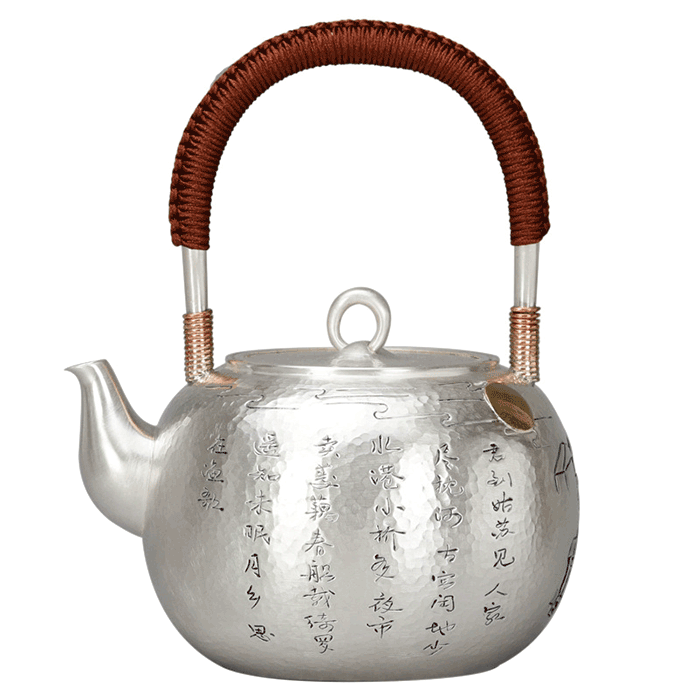
For distributors and retailers evaluating quotes on handmade silverware, the unit price on a supplier's invoice is only the starting point. A Sterling silver Kung Fu tea set is a long-lifespan product line — many pieces remain in showroom rotation or private collections for years — so the real question buyers should ask is not "what does it cost today" but "what will it cost to own, sell, and support over five years." This article walks through a practical framework for modeling that total cost, so procurement teams can compare supplier quotes on equal footing rather than chasing the lowest sticker price.
Why a Single Quote Number Misleads Buyers
When a buyer receives two quotes for the same tea set configuration — say, a six-piece pot-and-cup set with a bamboo tray — the temptation is to pick the cheaper number and move on. But silver craftsmanship products carry cost variables that only surface after the order ships: customs classification differences, tarnish-resistant packaging requirements, breakage during transit, and warranty support for polishing or replating. A landed-cost model that only captures the FOB price will consistently underestimate what a distributor actually spends across a five-year sales cycle.
This is especially true for silverware compared to other metal craft categories. Bronze pieces, for example, develop a stable patina and require little maintenance once finished — our team discusses this difference in more detail in the difference between bronze and brass. Silver, by contrast, oxidizes visibly and needs periodic care, which changes the cost profile buyers should plan for.
Building the 5-Year Cost Model: Core Components
1. Base Unit Cost and MOQ Structure
Start with the negotiated unit price at your expected order volume. Suppliers offering tiered pricing based on order size will usually quote a materially lower unit cost at 500+ pieces than at 50. Buyers should request a written breakdown showing price at three or four volume tiers so the model can flex as reorder volumes change over the five-year window.
2. Import Duties and Compliance Costs
Precious-metal tableware is often classified differently from decorative bronze or brass items, and duty rates vary by destination market. Before finalizing a supplier, confirm the HS code the factory will use on the commercial invoice and cross-check it against your country's tariff schedule. A mismatch discovered at customs can add unplanned holding fees that erode margin on the very first shipment.
3. Packaging and Transit Protection
Silver Kung Fu tea sets are fragile assemblies — pots, cups, trays, and sometimes glass or ceramic inserts all ship together. Export-compliant protective packaging (foam-lined boxes, moisture barriers, reinforced outer cartons) adds a per-unit cost, but it also reduces breakage claims, which is a far more expensive line item over five years than the packaging itself. When comparing quotes, ask suppliers to itemize packaging cost separately rather than folding it into a vague "handling fee."
4. Tarnish Maintenance and After-Sales Support
Unlike bronze sculptures, which are typically sold with a fixed patina finish and require no touch-up (see our note on several bronze mirrors for how ancient bronze surfaces were treated and preserved), silverware tarnishes with air exposure and handling. Over a five-year retail cycle, distributors should budget for:
- Occasional professional repolishing before high-visibility trade shows or seasonal sales pushes
- Replacement of tarnish-prevention pouches or anti-oxidation cloths bundled with retail packaging
- Customer-facing care instructions, which reduce return requests tied to surface dulling
Suppliers who offer after-sales guidance on patina and surface touch-ups — a practice more common in the bronze crafts sector — can meaningfully lower this line item if similar support extends to silverware lines.
5. Defect Replacement and Warranty Terms
Casting and finishing defects are rare with reputable manufacturers, but they do happen, particularly in hand-chased or hand-engraved silverware where finishing is done manually rather than by machine. Confirm in writing whether the supplier provides free replacement for defects identified before or shortly after shipment, and how disputes over "wear versus defect" are resolved after the product has been in retail inventory for months.
| Cost Category | Year 1 Impact | Years 2–5 Impact |
|---|---|---|
| Base unit cost (at negotiated MOQ) | High — full order value | Recurring on reorders |
| Duties and customs compliance | High — first shipment learning curve | Lower once HS code is confirmed |
| Export packaging and breakage | Moderate | Moderate, decreases with reliable suppliers |
| Tarnish maintenance / care kits | Low | Increases as inventory ages |
| Defect replacement / warranty claims | Low if quality is verified | Should trend toward zero |
Comparing Silver Tea Sets to Bronze Product Lines in Total Cost of Ownership
Many distributors who source a Sterling silver Kung Fu tea set also carry bronze decorative items, sculptures, or vessels in the same catalog. It's useful to compare the two categories side by side when planning warehouse space and after-sales staffing:
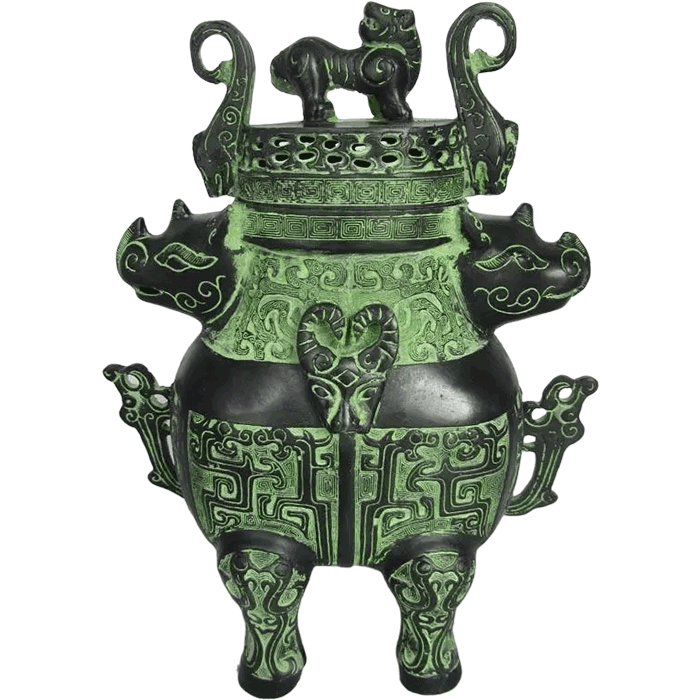
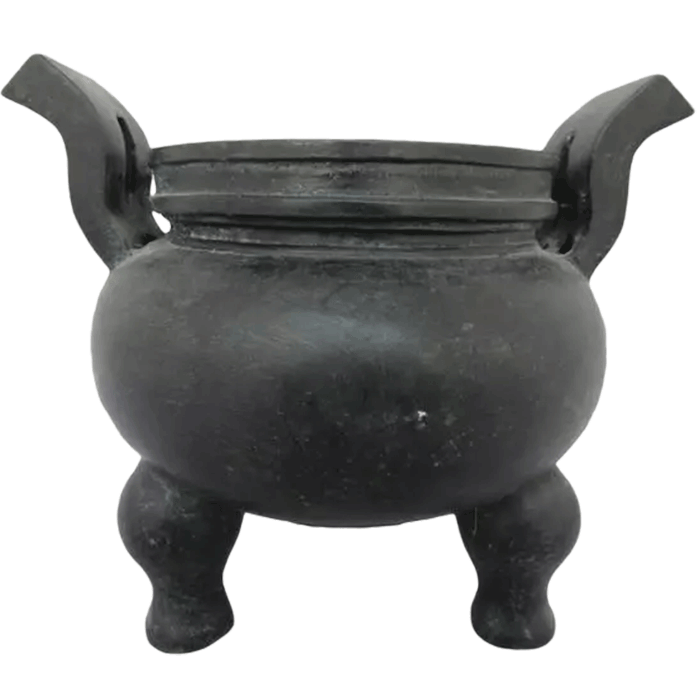
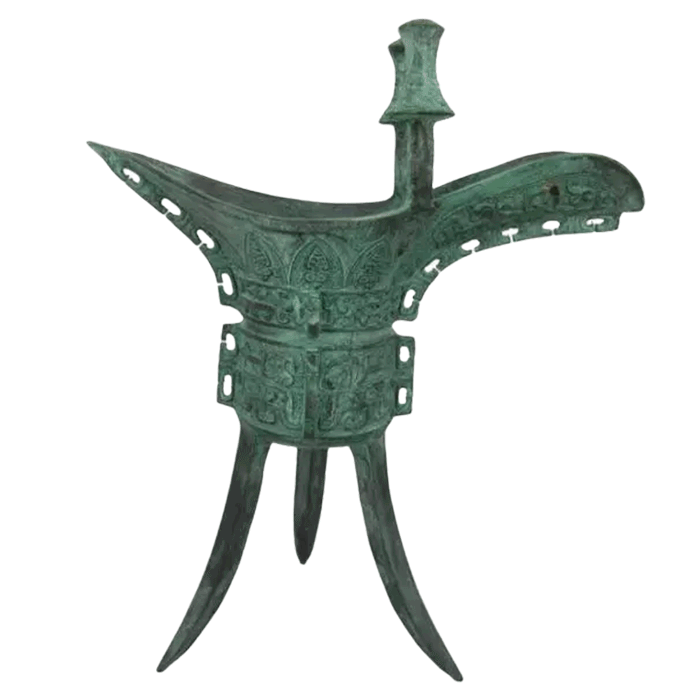
- Bronze vessels, such as the ding, zun, and hu forms detailed in introduction to several bronze wares, are cast using the lost-wax method and finished with a stable patina that does not require ongoing polishing.
- Bronze Buddhist statues and human figure sculptures, browsed further at bronze statues with different themes, are similarly low-maintenance once shipped, making their 5-year cost curve flatter than silverware.
- Silverware, including tea sets, mirrors, and small vessels, requires more active care but commands a different price point and buyer expectation in the gift and collector market.
This comparison matters because a distributor's five-year cost projection should account for staff time spent on customer education and after-sales requests — silverware simply generates more of these touchpoints than cast bronze pieces.
A Practical Worksheet for Quote Evaluation
When a supplier sends a quote, run it through these five questions before comparing it to a competing offer:
- What is the unit price at my actual expected order volume, not a hypothetical bulk tier?
- Is packaging cost itemized separately, and does it meet export compliance standards for fragile goods?
- What is the stated defect replacement policy, and is it in writing?
- Does the supplier offer after-sales support for surface maintenance, and at what cost?
- How does the HS code and duty classification compare across the quotes I'm evaluating?
Buyers who apply this worksheet consistently find that a slightly higher initial quote from a manufacturer with ISO 9001 certified quality control and clear replacement terms often produces a lower total cost over five years than a cheaper quote with vague after-sales language. Quality inspection before shipment, in particular, reduces the single largest hidden cost in this category: returned or reworked inventory that never reaches the retail floor.
Sourcing Considerations Beyond the Spreadsheet
Cost modeling is essential, but distributors should also weigh production capacity and customization flexibility. A workshop capable of producing a single custom prototype as well as scaling to bulk production — without forcing buyers into rigid minimum order quantities — gives distributors room to test new designs before committing to full inventory runs. This flexibility is particularly valuable for buyers who also stock customize a bronze sculpture from sculpmart.com options alongside silverware, since it allows a single supplier relationship to cover multiple product categories with consistent quality standards.
Craftsmanship background matters too. Facilities staffed with experienced casting masters and finishing artisans — the kind of skilled labor pool found in traditional bronze and metal craft production regions — tend to produce more consistent hand-chasing and polishing results, which directly reduces the defect-replacement line item in your five-year model. Buyers evaluating a new supplier relationship should ask about workshop size, craftsman experience, and annual production volume, since these factors correlate closely with the consistency that keeps warranty costs low over time.
Bringing the Model Together
A complete 5-year cost picture for a Sterling silver Kung Fu tea set combines five inputs: negotiated unit cost at realistic volumes, duty and compliance costs confirmed before shipment, export-grade packaging that reduces breakage claims, a realistic tarnish-maintenance budget, and a written defect-replacement policy. Distributors who build this model before signing a purchase order are far better positioned to negotiate confidently, forecast margin accurately, and avoid the budget surprises that come from judging a supplier purely on first-quote price. For buyers curious about how metal crafting traditions inform today's manufacturing standards, our overview of the evolution of bronze culture over 2000 years offers useful context on how craftsmanship expectations in this industry have developed.
Ultimately, the goal of five-year cost modeling is not to eliminate risk entirely but to make it visible and plannable. Distributors who treat quote comparison as a full landed-cost exercise — rather than a single-line price check — consistently make better sourcing decisions across both silverware and bronze craft categories.