Budgeting Bespoke bronze replicas by Size and Finish
Bespoke bronze replicas require a budget that matches size, finish, and approval priorities
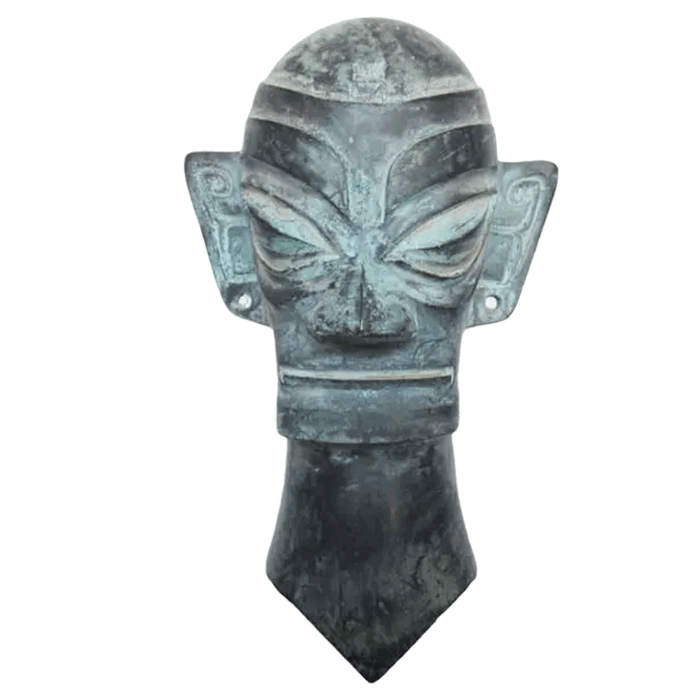
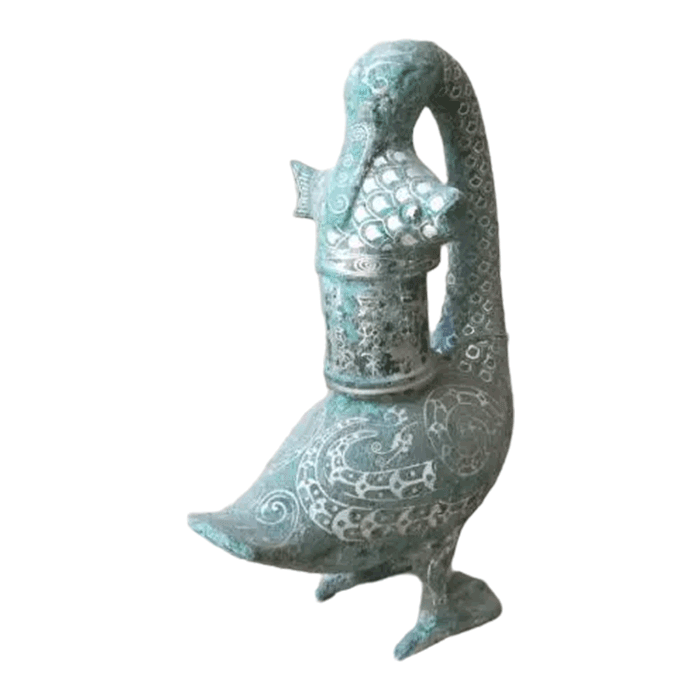
Buyers planning Bespoke bronze replicas need more than a single unit-price comparison. A realistic budget should account for the object’s scale, shape, level of historical detail, mold and wax work, bronze casting requirements, surface finishing, protective packaging, and review steps before production. This is especially important for replica programs involving antique vessels, Buddhist figures, human statues, animal sculptures, mirrors, incense burners, or museum-inspired bronze artworks.
For internal approval teams, the objective is not simply to identify the lowest quoted price. It is to understand what is included in each quotation and whether the proposed production process can achieve the required visual accuracy, structural stability, finish consistency, and shipping protection. A bronze replica that looks acceptable in a digital rendering may require considerably more craftsmanship when it has deep relief, complex openwork, thin projecting elements, engraved patterns, or a carefully matched antique patina.
Luoyang Yichuan Bronze Craft Co., Ltd. produces custom bronze artworks from single prototypes to bulk production runs. The company operates a 3,000-square-meter production area in Yichuan County, Luoyang, with more than 30 skilled craftsmen, including bronze-casting masters and finishing artisans. Its annual output exceeds 50,000 bronze art pieces, supporting buyers who need either one custom sample or a repeatable production program.

How size changes the budget for bronze replica programs
Size is one of the clearest budget drivers because it affects material consumption, mold dimensions, wax pattern preparation, furnace planning, handling, finishing time, and packaging. However, physical size alone does not determine the final budget. A small object with dense ornamentation or difficult undercuts can demand more handwork than a larger sculpture with broad, simple surfaces.
For quoting and approval purposes, buyers should classify each project according to its physical scale and its production complexity. This creates a clearer comparison between supplier proposals and prevents a simple “small, medium, large” description from hiding important cost differences.
| Size category | Typical budget considerations | Questions for quote evaluation |
|---|---|---|
| Small display pieces | Wax detail, sharp decorative lines, engraving, base design, polishing, and finish matching can represent a large share of the work. | Does the quote include pattern cleanup, inscription work, patina application, and individual protective packing? |
| Medium decorative objects | Material weight becomes more important, while mold construction, casting control, welding, chasing, and surface consistency require closer planning. | Will the object be cast as one piece or multiple sections? Are joins and finish blending included? |
| Large sculptures and vessels | Bronze consumption, sectional molds, lifting and handling, assembly, structural reinforcement, finishing access, and export packaging become significant. | How will the maker manage section alignment, internal support, transportation protection, and final inspection? |
| Oversized or public-display works | Engineering review, segmented casting, internal structure, installation interfaces, crate design, and logistics planning may need separate consideration. | What information is needed for site conditions, mounting points, weight handling, and final delivery planning? |
A useful purchasing practice is to ask suppliers to separate one-time development costs from repeatable production costs. For example, sculpture modeling, master pattern development, or complex mold preparation may be initial program expenses, while subsequent castings may use approved production references. This distinction is valuable when a buyer is deciding between a one-off commemorative piece and a multi-unit replica collection.
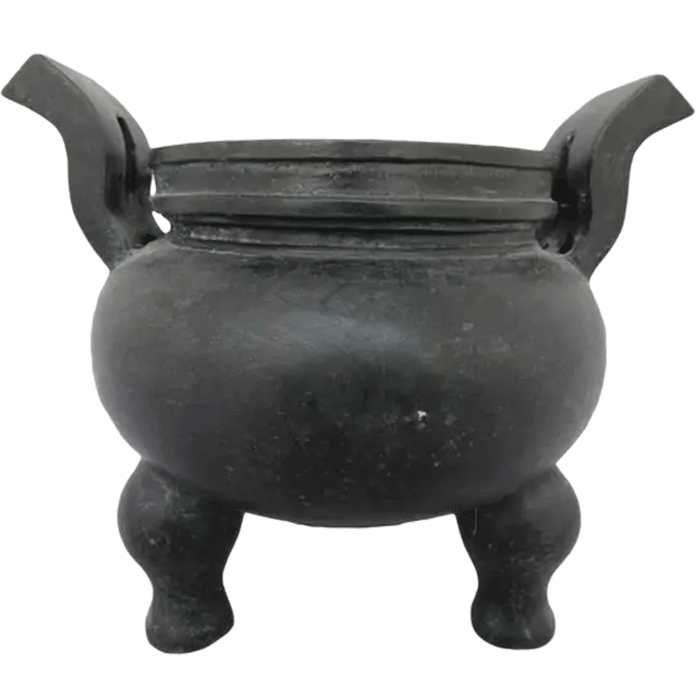
Buyers should also confirm the dimensions used for pricing. Height alone may be insufficient for a wide tripod ding, a long animal sculpture, a vessel with extended handles, or a figure mounted on a substantial base. The quote request should identify overall height, width, depth, intended wall thickness where relevant, base dimensions, and whether the piece must fit a particular display case, plinth, alcove, or shipping carton.
Finish selection can shift the cost more than buyers expect
Surface finishing is often where a bronze replica becomes visually convincing or visibly generic. The same cast form can have a very different appearance depending on the required polishing level, patina depth, hand-applied color variation, highlighting, and protective treatment. During budget review, it is important to state whether the desired appearance is modern, antique-inspired, dark brown, green, blackened, highlighted, or matched to an approved reference image.
Luoyang Yichuan Bronze Craft Co., Ltd. uses premium Cu-Sn bronze alloy and the traditional lost-wax casting method. Hand chasing, polishing, and patina finishing are available for antique or modern visual styles. These stages should be considered separately in a quote review because the casting itself is only one part of the total production process.
Modern polished finishes
A modern finish may require smooth surface preparation, controlled polishing, consistent color, and careful handling to avoid visible marks before packing. Buyers should define whether they want a bright polished appearance, a satin sheen, selectively polished raised areas, or a more restrained contemporary surface. A polished finish can expose casting imperfections more easily than a darker patina, so the amount of chasing and preparation required should be clear.
Antique-inspired patina finishes
Antique-inspired finishing can involve layered color work, recess darkening, raised-edge highlights, and controlled variation that gives the object visual depth. The budget impact depends on the requested degree of matching and the number of review cycles needed. If a replica must coordinate with an existing collection, a physical sample, or a specific reference photograph, color approval should be planned before full production.
Patina should not be described only as “green,” “brown,” or “antique.” These terms are too broad for purchasing approval. A better specification includes the dominant color, secondary tones, degree of variation, sheen level, areas of darker recesses, polished highlights, and any finish exclusions. A buyer researching historical surfaces may also review the difference between bronze and brass to clarify material terminology before finalizing a product brief.
Detail level and form complexity should be budgeted separately
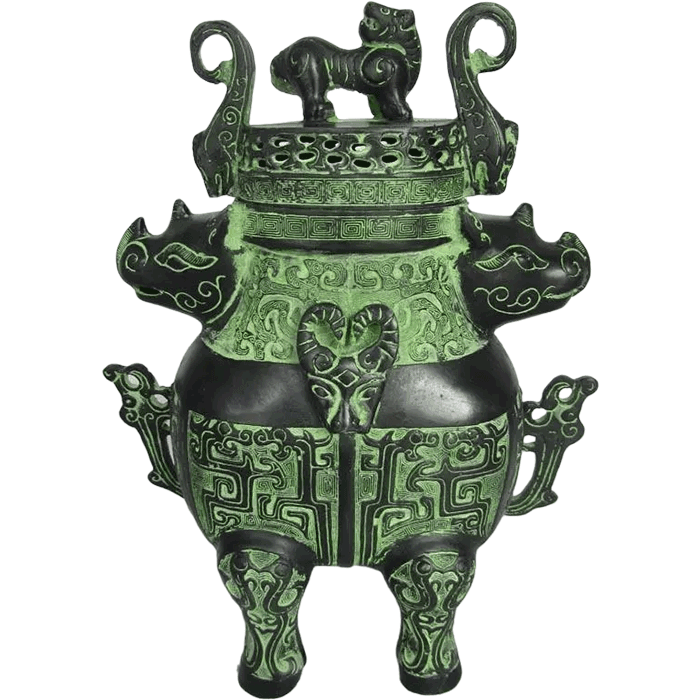
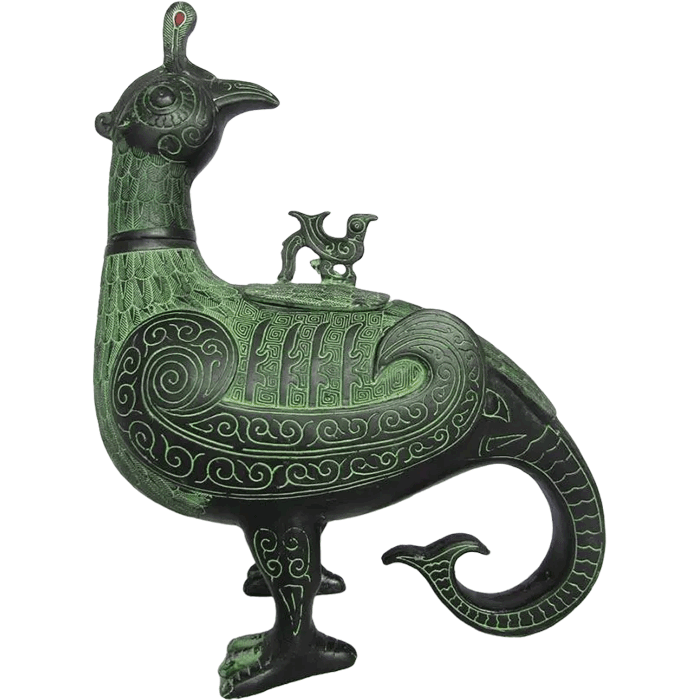
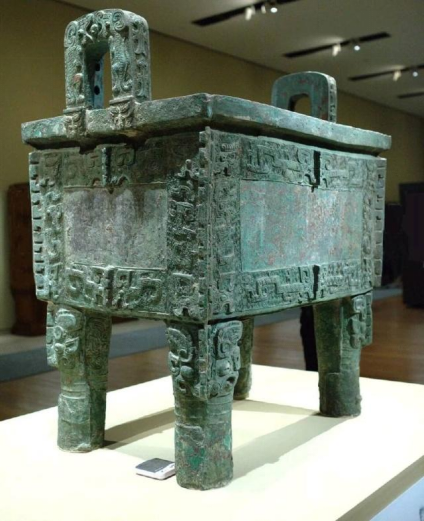
Two items of similar dimensions can require very different production resources. A plain cylindrical vase may be comparatively straightforward, while a ritual vessel with animal-head handles, relief bands, inscriptions, feet, lid components, or openwork decoration requires more detailed wax preparation and finishing. The same principle applies to bronze human figures, animal statues, Buddhist sculptures, mirrors, and incense burners.
When reviewing supplier quotations, identify the features that require the highest degree of craftsmanship:
- Fine facial features, hands, hair, feathers, fur, scales, or garment folds.
- High-relief patterns, archaic taotie motifs, inscriptions, and engraved borders.
- Thin or extended components such as horns, fingers, weapon details, handles, branches, and drapery edges.
- Deep undercuts or hollow areas that affect wax work, mold construction, and finishing access.
- Multi-part lids, movable components, removable bases, or fitted inserts.
- Openwork decoration and repeated geometric patterns requiring accurate alignment.
- Exact replication requirements based on an antique, collection piece, photograph, scan, or supplied sample.
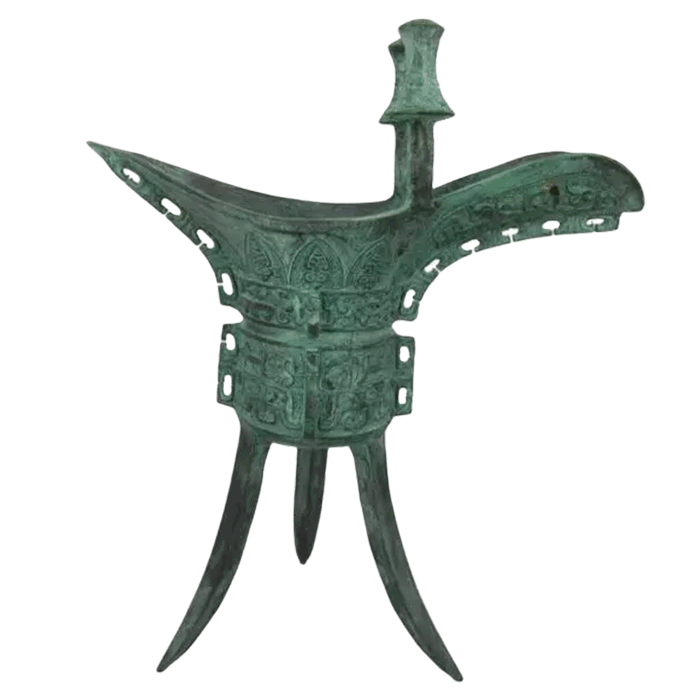
For historical vessel programs, the buyer should provide enough visual reference to show all sides, not only a front view. The profile, foot shape, handle attachment, rim thickness, decorative bands, and underside can all affect the budget. Resources on introduction to several bronze wares can help purchasing teams distinguish vessel categories and communicate the intended form more precisely.
Exact replication also requires agreement on what “exact” means. It may refer to overall silhouette, decorative pattern placement, proportions, patina appearance, or all of these factors together. A supplier cannot reliably price a high-accuracy replica program if the available reference is limited to low-resolution images with missing views. Where accuracy is central to the project, provide measurements, close-up imagery, known material information, desired scale, and a clear approval standard.
Prototype, sample, and production quantities need different approval logic
A single prototype and a bulk order should not be evaluated using the same cost logic. A prototype may include more development work per piece because the design is being interpreted, modeled, tested, and approved for the first time. Bulk production may create efficiencies, but the degree of efficiency depends on size, casting arrangement, finish variation, and whether every unit requires individual customization.
Luoyang Yichuan Bronze Craft Co., Ltd. supports custom sculpture orders from an MOQ of one piece, while bulk order quantities can be negotiated according to size and design complexity. This flexibility is useful for buyers who need to approve a representative sample before committing to a larger program.
A structured approval sequence can reduce budget uncertainty:
- Submit reference images, dimensions, required quantity, preferred alloy appearance, finish direction, and intended destination.
- Confirm whether the object is a direct replica, an inspired adaptation, or a newly designed bronze artwork.
- Request a quotation that identifies development work, casting scope, hand-finishing scope, packing, and shipment-related requirements.
- Approve the design interpretation, dimensions, and patina direction before moving to production.
- For repeat orders, confirm whether the approved mold, finish sample, and packaging standard will be retained as production references.
This workflow is especially useful for procurement teams that must obtain approval from design, heritage, merchandising, finance, and logistics stakeholders. It gives each team a defined point to review the relevant elements rather than trying to resolve all questions after casting has started.
Packaging, inspection, and shipping preparation belong in the budget
A quote for a fragile bronze artwork should not stop at the finished surface. Protective packaging is an essential part of the program, particularly for sculptures with projecting elements, polished surfaces, removable parts, or antique-style finishes that should arrive without abrasion. Export-compliant protective packaging should be discussed early because carton dimensions, internal protection, crate requirements, and handling methods can vary with the shape and size of the piece.
Buyers should ask whether the quotation includes individual wrapping, protective separation for delicate components, reinforced outer packaging, and marking requirements for export handling. Large or unusually shaped works may require a custom packaging approach. If the final delivery route includes multiple transfers, warehouse handling, or long-distance freight, packaging requirements should be shared with the manufacturer during quote evaluation rather than added after production.
Quality control should be equally visible in internal budgeting. Luoyang Yichuan Bronze Craft Co., Ltd. is ISO 9001 quality management system certified, and its products comply with export quality inspection standards for art crafts. The company performs quality inspection before every shipment and provides free replacement for casting defects. It also offers after-sales support for patina touch-ups and restoration guidance. These factors can help procurement teams evaluate the practical value of a quote beyond the initial production amount.
For mirrors and reflective decorative works, buyers may find it helpful to compare historical forms through several bronze mirrors before specifying the rim design, reverse decoration, surface treatment, and display method. For figure-based projects, reviewing available bronze statues with themes can also help clarify whether the desired result is realistic, classical, religious, decorative, or antique-inspired.
Build a quote request that finance and production teams can both approve
The strongest quote request does not force suppliers to make assumptions. It provides a defined project brief and asks for transparent clarification where information is incomplete. For a reliable budget comparison, use the same requirement list with every supplier. This makes it easier to identify whether one quotation excludes finish work, packaging, prototype development, or other important tasks.
Your request should include the following information:
- Product category, such as statue, vessel, mirror, incense burner, Buddhist figure, or custom artwork.
- Required dimensions, including height, width, depth, base size, and estimated display environment.
- Quantity for prototype, first production run, and possible repeat order.
- Reference photos, drawings, scans, or physical sample information.
- Required level of replica accuracy and the features that cannot be changed.
- Preferred bronze appearance and patina direction, supported by reference images where possible.
- Whether inscriptions, logos, edition marks, or customized elements are needed.
- Packaging, export destination, and delivery-handling expectations.
- Required sample, inspection, and final approval process.
When buyers need a fully individualized program, they can customize a bronze sculpture using a project brief that combines design references with clear production and finish expectations. This approach is more likely to generate a quote suitable for internal decision-making than a request based only on one image and an approximate size.
In summary, the most effective way to budget Bespoke bronze replicas is to assess size, form complexity, finish, prototype requirements, repeat quantity, packaging, and inspection as connected factors. A well-defined brief helps purchasing teams compare quotations fairly, protect the desired visual outcome, and create a practical approval path from concept to finished bronze artwork.