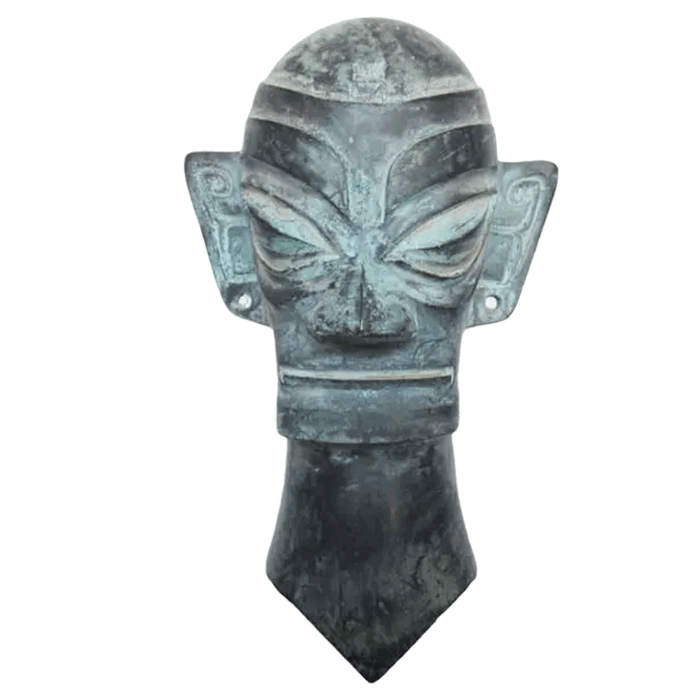
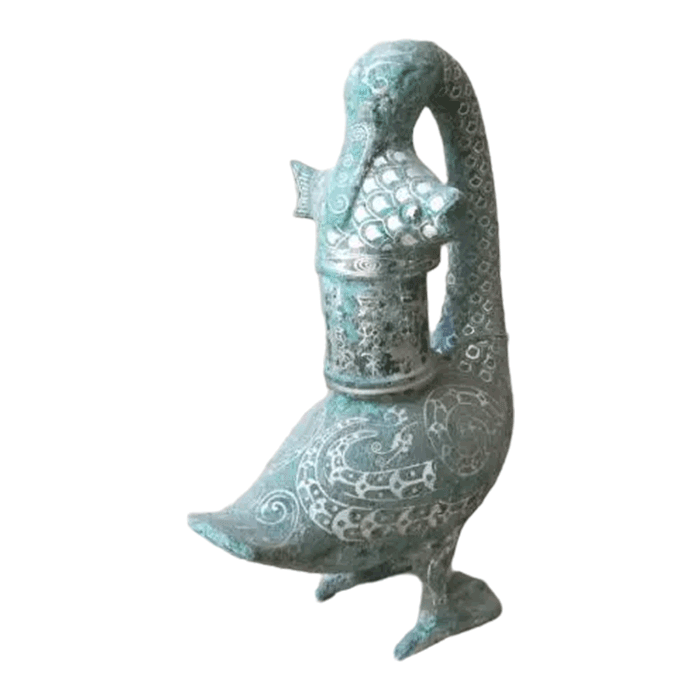
Budget Custom Bronze Sculpture: From Model to Installation
Budget Planning for a Custom Bronze Sculpture From Model to Installation
Commissioning a bronze artwork is a significant investment, and project buyers rarely get a clear picture of where their money actually goes. Between design fees, casting labor, alloy composition, finishing techniques, and freight, the final invoice can look very different from the initial quote if the budgeting process is rushed. This guide walks through every stage of producing a custom bronze sculpture — from the first clay model to the moment it is installed on site — so you can compare supplier quotes with confidence and avoid surprises later in the project.
Why Bronze Sculpture Pricing Varies So Widely
Two sculptures of similar size can carry very different price tags because bronze casting is a multi-stage craft process, not a single manufacturing step. Pricing is shaped by four main variables: sculpture size and weight, the complexity of the original model, the alloy ratio used, and the level of hand finishing requested. A simplified modern figure with smooth surfaces will always cost less than a highly detailed antique replica that demands hours of hand chasing and patina layering.
At Luoyang Yichuan Bronze Craft Co., Ltd., our workshop produces over 50,000 bronze art pieces annually, ranging from single custom prototypes to bulk production runs. This range gives us visibility into cost patterns across very different project scales, which is useful context when you are trying to benchmark a quote for your own commission.
Material Cost: The Alloy Matters
Premium bronze alloy — a copper-tin (Cu-Sn) composition — behaves differently in the mold than lower-grade copper-zinc mixtures sometimes marketed as "bronze." A proper Cu-Sn alloy flows more evenly during the traditional lost-wax casting process, reduces porosity, and holds fine surface detail better after polishing. Buyers comparing quotes should always ask suppliers to specify the alloy ratio, since material substitution is one of the most common ways low quotes are achieved at the expense of durability.
Breaking Down the Production Stages of a Custom Bronze Sculpture
Understanding each production phase helps buyers see exactly what they are paying for, and where cost-saving adjustments are realistic versus where they compromise quality.
1. Design and Model Approval
Every project begins with a design brief, sketches, or reference photos. For replica work — such as recreating a historical piece inspired by pieces documented in the evolution of bronze culture over 2000 years — exact dimensional accuracy matters more than in original artistic commissions. A clay or digital 3D model is produced and approved before any metal work begins. Buyers should budget time here, since rushed approvals often lead to costly revisions after casting.
2. Lost-Wax Casting
The approved model is used to create a wax version, which is then coated in a ceramic shell, fired, and filled with molten bronze once the wax melts away. This traditional lost-wax method is labor-intensive and requires skilled craftsmen — our facility in Yichuan County, Luoyang, employs more than 30 skilled artisans, including bronze-casting masters, to manage this stage precisely. Casting costs scale with the sculpture's volume and the number of mold sections required for complex poses.
3. Hand Chasing and Surface Finishing
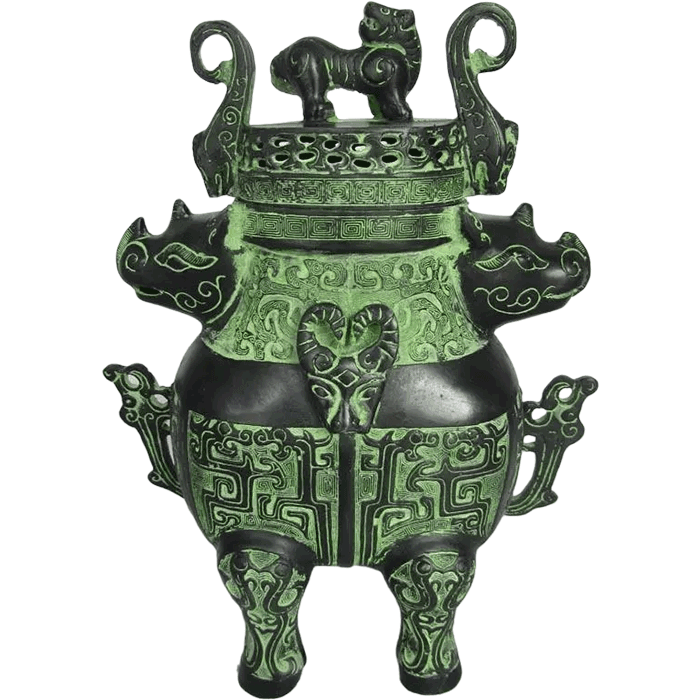
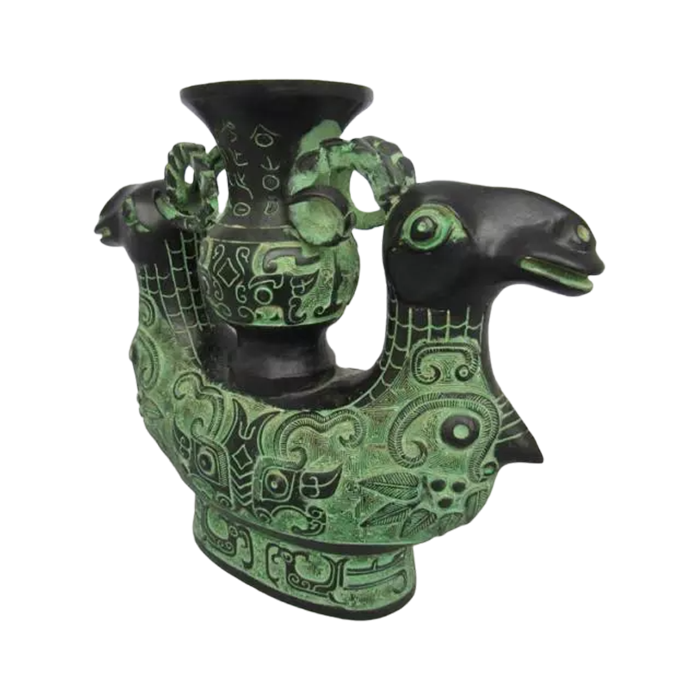
After casting, seams are removed, surfaces are refined, and details are sharpened through hand chasing. This is where labor hours vary the most between suppliers. A smooth modern-style figure needs far less chasing time than a sculpture replicating the intricate relief work seen in pieces like those referenced in Houmuwu square cauldron designs.
4. Patina and Color Matching
Patina finishing — whether an aged antique green, a warm brown antique look, or a modern polished tone — is applied chemically and by hand. Consistent patina color matching across multiple units of the same design is one of the more technical challenges in bronze production, since natural chemical reactions vary slightly with each application. Buyers ordering multiples of the same sculpture should specifically ask how the supplier controls color consistency across a batch.
5. Quality Inspection and Packaging
Before shipment, every piece should undergo inspection against export quality standards for art crafts. Export-compliant protective packaging is essential for fragile sculptures, particularly for pieces with extended limbs, thin details, or tall vertical forms that can shift or crack during transit if packed incorrectly.
Estimating Your Custom Bronze Sculpture Budget Line by Line
While exact figures depend on the specific design, buyers can structure their budget planning around the following cost categories rather than expecting a single flat number:
- Design and modeling fee — covers sketching, clay or digital modeling, and revisions before mold-making begins.
- Material cost — determined by the sculpture's bronze weight and the Cu-Sn alloy ratio specified.
- Casting labor — scales with the complexity of the mold and the number of pour sections required.
- Finishing labor — hand chasing, polishing, and patina application; the most variable line item.
- Inspection and packaging — quality checks plus crating suited for long-distance or international shipping.
- Freight and logistics — varies by destination, sculpture size, and whether the piece ships assembled or in sections.
For buyers exploring what's achievable at a given budget level, browsing existing catalog options is often more useful than starting from a blank commission. You can review a range of bronze statues with different themes to get a sense of size-to-price relationships before requesting a fully custom quote.
MOQ and Bulk Order Considerations
One advantage for buyers early in the budgeting stage is flexibility on order volume. Custom sculpture commissions can start from a single piece, while bulk orders — for hospitality projects, corporate campuses, or memorial installations — are negotiated based on size and design complexity. If your project involves multiple identical or thematically related pieces, requesting a bulk quote early can meaningfully change the per-unit cost, since mold amortization and finishing labor benefit from repetition.
Common Budget Mistakes When Commissioning a Custom Bronze Sculpture
Underestimating Finishing Time
Buyers often anchor their budget to the casting cost alone and underestimate how much labor goes into chasing and patina work. For detailed figurative pieces, finishing can represent a large share of total labor hours, not a minor add-on.
Ignoring Packaging and Freight Until the End
Fragile extended elements — an outstretched arm, a raised sword, a thin animal tail — require custom crating. Leaving packaging and freight out of early budget conversations frequently causes cost overruns once the piece is ready to ship.
Comparing Quotes Without Matching Alloy Specifications
A lower quote using a thinner alloy mix or reduced bronze content is not a fair comparison to a quote based on a full Cu-Sn bronze alloy. Always request the alloy specification in writing before comparing two supplier quotes side by side.
Not Accounting for After-Sales Support
Outdoor bronze pieces weather over time, and patina can shift with sun and rain exposure. Suppliers offering after-sales support for patina touch-ups and restoration guidance help protect the long-term value of the investment, which is worth factoring into your total cost of ownership rather than treating the purchase as a one-time transaction.
From Model Approval to On-Site Installation
Once finishing and inspection are complete, the sculpture moves into packaging and transit. For large outdoor installations, buyers should plan for:
- Site preparation, including foundation or base mounting requirements determined before the final casting stage.
- Transit insurance appropriate to the declared value of the piece.
- On-site assembly if the sculpture ships in multiple sections due to size.
- A final inspection walkthrough after installation to confirm surface condition matches pre-shipment inspection records.
Buyers working on themed collections — animal figures for a garden, historical figures for a cultural center, or devotional pieces for a temple — may also want to review category-specific references such as bronze statues with different themes before finalizing specifications, since seeing comparable finished work often clarifies budget expectations faster than written descriptions alone.
Building a Realistic Quote Request
To get comparable, accurate quotes from any bronze workshop, provide the following details upfront:
- Reference images or sketches, plus exact target dimensions.
- Preferred alloy specification (Cu-Sn ratio if known).
- Desired finish: antique patina, modern polished, or custom color matching.
- Quantity — single piece or bulk order.
- Destination country, for freight and packaging estimation.
- Installation timeline and any site constraints.
A supplier working under an ISO 9001 quality management system should be able to respond to each of these points with specific process detail rather than a vague lump-sum figure. That specificity is itself a useful signal of production discipline before you commit to a deposit.
Final Thoughts on Budgeting for Bronze Commissions
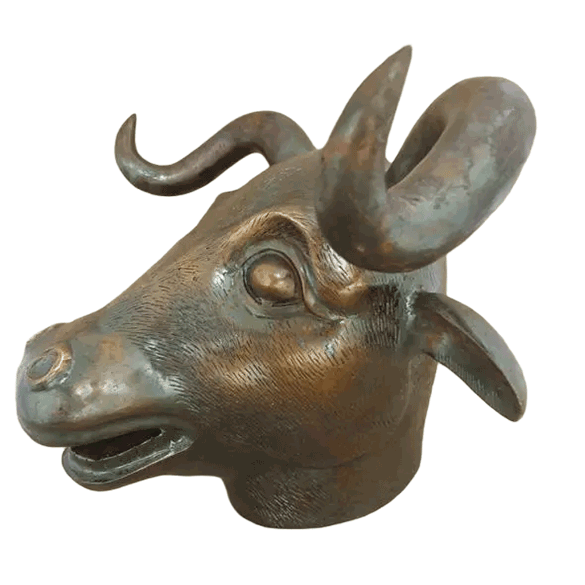
A well-planned budget for a custom bronze sculpture accounts for design, material, casting, finishing, inspection, packaging, and freight as distinct line items — not a single bundled price. Buyers who request alloy specifications, ask how patina consistency is controlled, and clarify packaging standards early are far better positioned to compare quotes fairly and avoid mid-project cost surprises. If you're ready to move from budgeting to specification, you can start the process by requesting to customize a bronze sculpture from sculpmart.com and working through these cost categories directly with a production team.