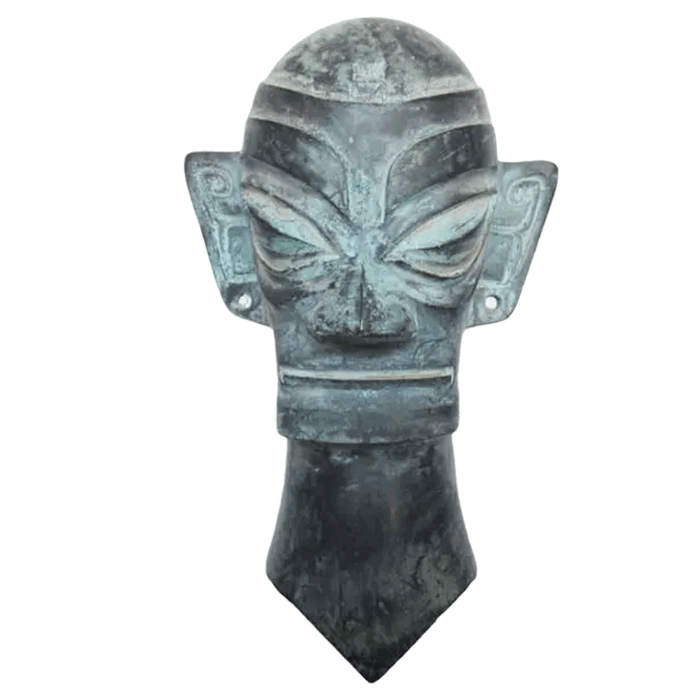
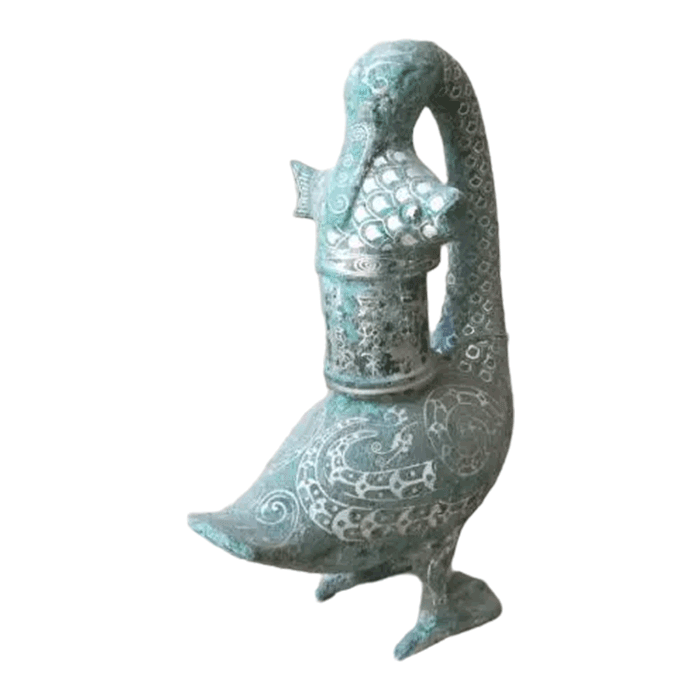
Budget Asian Style Bronze Home Decor: Finish & MOQ Guide
How Finish and MOQ Shape the Real Cost of Importing Asian Style Bronze Home Decor
For wholesalers, interior design firms, and gallery buyers sourcing bronze pieces from China, the quoted unit price is only one part of the budgeting equation. Finish type, casting complexity, and minimum order quantity (MOQ) all influence the final landed cost of a shipment. This guide breaks down how these variables interact so that buyers evaluating quotes can compare apples to apples, rather than being surprised by hidden costs after the deposit is paid.
Luoyang Yichuan Bronze Craft Co., Ltd. produces over 50,000 bronze art pieces annually from a 3,000 square meter facility in Yichuan County, Luoyang, Henan Province, using more than 30 skilled craftsmen including bronze-casting masters and finishing artisans. Because production scales from a single custom prototype to bulk manufacturing runs, buyers at every budget tier can find a realistic path to sourcing without over-committing capital upfront.
Understanding Finish Categories Before You Request a Quote
Finish is the single biggest driver of price variance across bronze sculptures, vessels, mirrors, and incense burners. Before requesting a formal quote, it helps to know which finish family a design falls into, since each requires a different labor and material investment.
Raw Cast and Polished Bronze
This is the most economical finish tier. Pieces are cast using the traditional lost-wax method, then cleaned and polished to a smooth or satin surface without additional chasing or coloring work. It suits buyers who want clean, modern-looking bronze home decor at the lowest achievable unit cost, and it is a common entry point for first-time importers testing a new product line.
Antique Patina Finishes
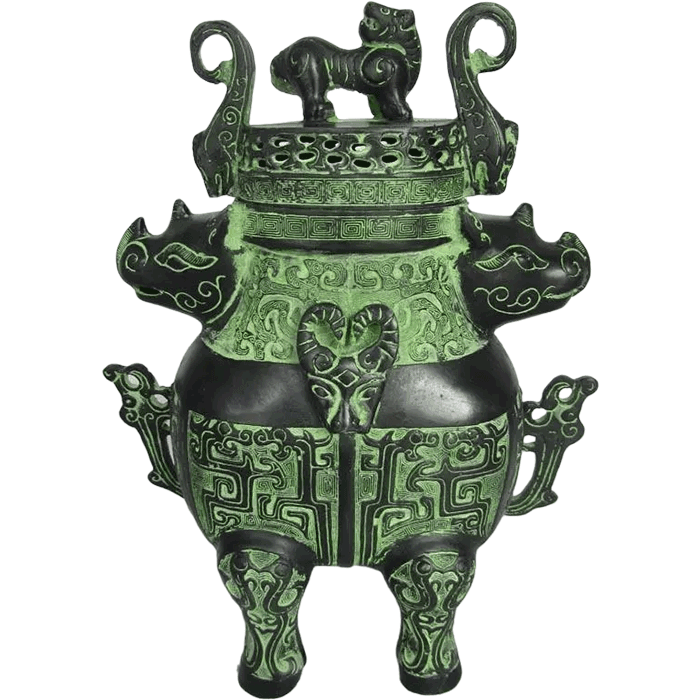
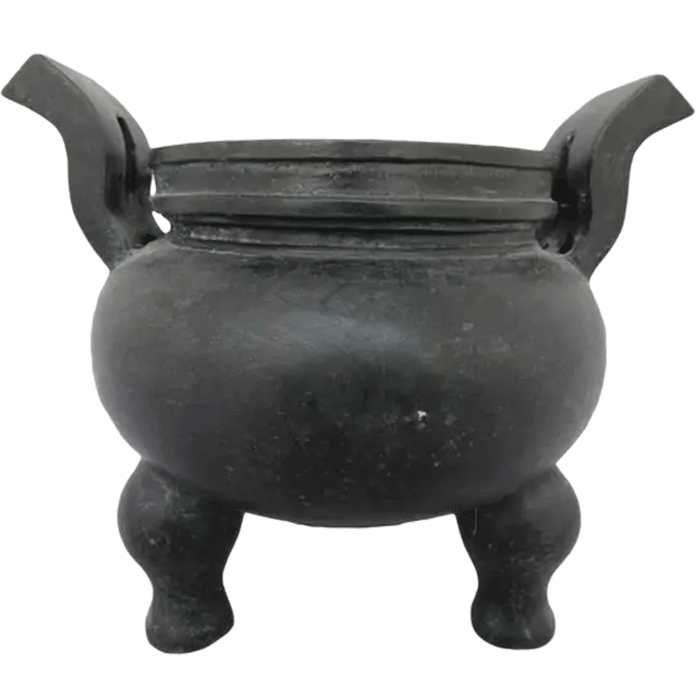
Patina work — achieved through chemical treatment and hand application — replicates the aged green, brown, or black surface tones associated with classical bronze vessels and statues. Because color matching consistency across a batch requires skilled labor and quality control checks, patina finishes typically carry a moderate premium over raw polished pieces. Buyers sourcing matched sets, such as a pair of ding tripods or a run of incense burners for retail display, should confirm that the supplier tests color consistency before shipment rather than relying on visual estimation alone.
Hand-Chased and Detail-Finished Pieces
Hand chasing adds fine surface detail — texture on drapery, facial features on Buddhist statues, or engraved motifs on mirrors and vessels — after casting. This is the most labor-intensive finish category and commands the highest price per piece, but it is also what separates a decorative reproduction from a piece that closely replicates the detail level of antique originals. For buyers targeting galleries, museums-adjacent retail, or high-end interior projects, this tier is usually the appropriate choice despite the added cost.

How MOQ Affects Per-Unit Cost
MOQ flexibility is one of the more practical advantages available to buyers testing new markets. Custom sculptures can be ordered from a single piece, which allows a buyer to evaluate casting quality, patina accuracy, and packaging before committing to a bulk run. Bulk order pricing is negotiable based on size and design complexity, meaning the discount curve is not linear — a small vessel in a run of 200 units behaves very differently, cost-wise, than a large human figure sculpture in the same quantity.
Single-Piece and Small-Batch Orders
Single-piece MOQ is well suited to sample approval, boutique retail, or one-off commissions such as a Buddhist statue for a temple or private collection. Per-unit cost is highest at this tier because tooling, mold preparation, and setup labor are not spread across multiple units. Buyers should treat a single-piece order as a quality and communication test rather than a cost-optimization exercise.
Mid-Volume Runs
Once an order reaches a moderate quantity — enough to justify batch casting and shared finishing labor — per-unit pricing typically improves. This tier is common among interior decor distributors placing seasonal or showroom orders for bronze vessels, mirrors, and smaller sculptures.
Bulk Production
Bulk runs benefit most from economies of scale in casting, polishing, and packaging labor, but complexity still matters. A simple round mirror scales more cheaply than a large detailed animal statue, even at identical unit counts, because the finishing time per piece does not shrink proportionally with volume. Buyers planning large import orders should request a tiered quote showing cost breaks at multiple quantities rather than a single bulk figure, so the true relationship between volume and savings is visible.
Comparing Product Categories for Budget Planning
Different product types carry different baseline costs before finish or MOQ is even factored in. Understanding this helps buyers allocate budget across a mixed shipment.
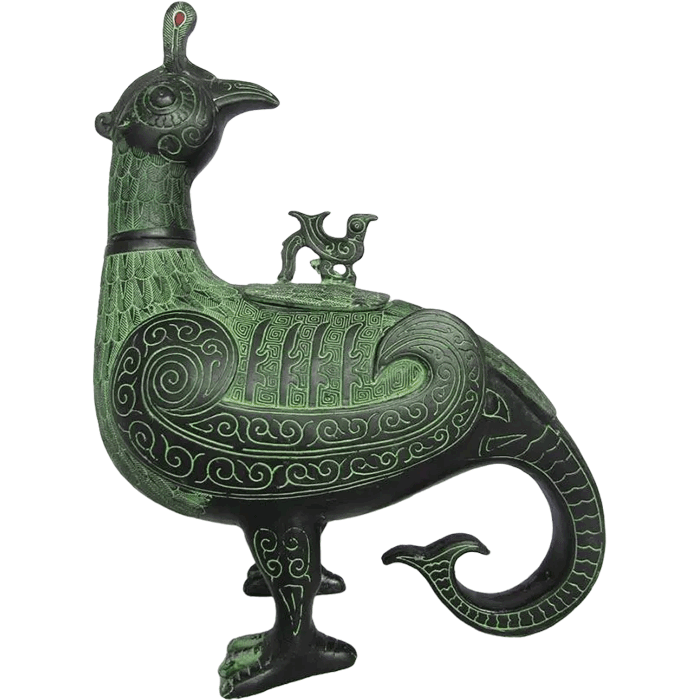
- Bronze sculptures (human and animal statues): Cost driven primarily by size, pose complexity, and finish detail. Smaller animal figures are generally the most budget-friendly entry point.
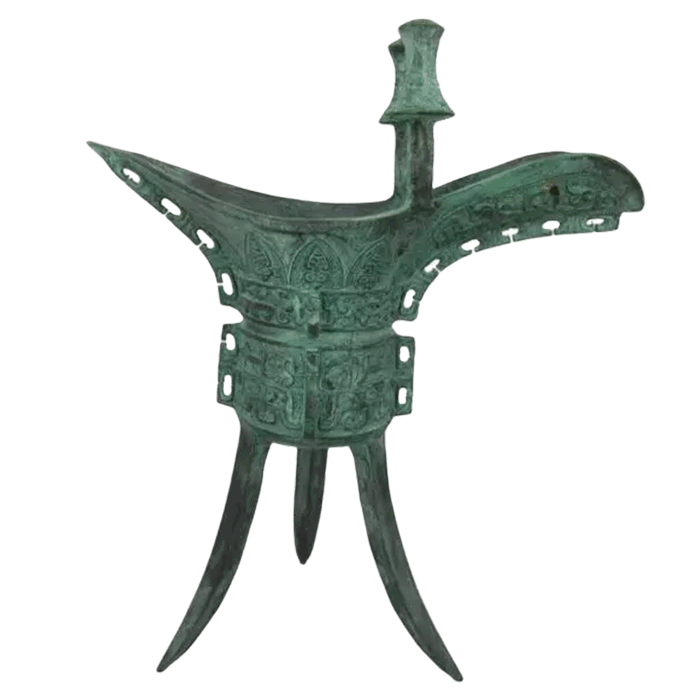
- Bronze vessels (ding, zun, hu tripods and vases): Cost scales with wall thickness, engraving detail, and whether the piece is designed as an exact replica of a historical form.
- Bronze mirrors: Typically among the lower-cost categories per unit, making them a practical addition to mixed containers for buyers filling out an order.
- Bronze incense burners: Mid-range cost depending on lid detail and whether openwork carving is included.
- Bronze Buddhist statues: Cost varies significantly with size and gilding or patina requirements; these are often ordered in smaller quantities due to their devotional and display-specific use.
- Custom bronze artworks: Priced individually based on design complexity, reference material provided, and required approval rounds.
Buyers researching how these forms have evolved historically may find it useful to review the background on the evolution of bronze culture over 2000 years, which provides context for why certain vessel and sculpture forms remain in steady demand for reproduction work.
Building a Realistic Import Budget
A complete cost comparison should account for more than the unit price. The following factors are frequently underestimated by first-time importers of Asian Style Bronze Home Decor.
Quality Assurance and Rework Risk
Because products comply with export quality inspection standards for art crafts under an ISO 9001 quality management system, buyers should confirm what pre-shipment inspection covers — casting defects, patina consistency, and dimensional accuracy are the areas most likely to cause disputes if left unchecked. Free replacement for casting defects reduces downstream risk, but it does not eliminate the value of requesting inspection photos or a third-party check before the shipment leaves the factory.
Packaging for Fragile Sculptures
Export-compliant protective packaging adds a modest cost per unit but significantly reduces the risk of transit damage, particularly for detailed sculptures and vessels with narrow necks or extended limbs. Buyers should ask suppliers to confirm packaging specifications in writing as part of the quote, not as an afterthought after production is complete.
After-Sales Considerations
Patina touch-up and restoration guidance available after delivery can extend the useful life of a piece, particularly for outdoor or high-traffic retail placements. Buyers planning long-term product lines should factor this support into their supplier evaluation rather than treating it as a one-time transaction.
To understand casting and metallurgy differences that affect both cost and durability, it is worth reviewing the difference between bronze and brass before finalizing a specification sheet, since alloy composition affects both patina behavior and long-term weathering.
Matching Sourcing Strategy to Order Size
Buyers new to importing bronze decor are generally better served starting with a small sample order to validate finish quality and communication before scaling up. Those with established retail or design channels may move directly into mid-volume or bulk orders, particularly for standardized items like mirrors or vases where design variation is minimal. In either case, requesting a quote structured by finish tier and quantity break — rather than a single flat number — gives a clearer picture of where the real savings and trade-offs lie.
For buyers evaluating design references, browsing a catalog of bronze statues with different themes can help clarify which sculpture styles and sizes align with a target price point before a formal quote request is submitted. Similarly, exploring options for customize a bronze sculpture from sculpmart.com is a practical next step for buyers who need a design that does not match an existing catalog item.

Final Notes on Comparing Quotes
When comparing quotes for Asian Style Bronze Home Decor across multiple suppliers, ask each vendor to break down pricing by finish category and quantity tier separately, rather than bundling everything into a single number. This makes it far easier to identify where a supplier's strengths lie — some are more competitive on raw polished pieces at volume, others on detailed hand-chased work at small MOQs. A transparent quote structure, combined with clear packaging and inspection terms, is generally a stronger predictor of a smooth import experience than unit price alone.