Budget Ancient Style Bronze Statues by Size and Finish
Planning a Realistic Procurement Budget for Ancient Style Bronze Statues by Size and Finish
Buyers who source reproduction bronze sculptures for galleries, hospitality projects, temples, or corporate collections often start the process with the same question: how much should a bronze statue actually cost? The honest answer is that price depends on three interlocking variables — size, alloy composition, and surface finish. Understanding how these factors interact allows procurement teams to build a defensible budget before requesting formal quotes, rather than reacting to a single number that may not reflect the specification they actually need.
This guide breaks down the cost logic behind reproduction and antique-style bronze work, so B2B buyers can compare supplier quotations on equal footing and avoid underestimating freight, finishing, or tooling costs at the quote-planning stage.
Understanding the Cost Drivers Behind Bronze Statue Procurement
Every bronze piece — whether a human figure, an animal statue, or a temple deity — is priced against three cost centers: raw material (bronze alloy weight), labor (mold-making, casting, and hand finishing hours), and logistics (crating and export packaging for a fragile, heavy object). Because bronze is sold and priced largely by weight, a taller or thicker-walled statue consumes proportionally more copper-tin alloy, which is the single largest line item in most quotations.
Labor is the second major driver. The traditional lost-wax casting method requires a wax model, ceramic shell building, burnout, pouring, and then hours of hand chasing to remove casting seams and restore fine detail. Complex garment folds, filigree, or multi-figure compositions add craftsman hours well beyond what the raw casting alone would suggest. Buyers evaluating quotations should ask suppliers to separate material cost from labor cost, since this transparency makes it easier to negotiate on scope rather than guessing at a lump sum.
Budget Planning by Size: Small, Medium, and Large Format Pieces
Size is usually the first filter buyers apply when narrowing a shortlist of ancient style bronze statues for a project, because it directly caps or expands the available budget range.
Tabletop and Desktop Scale (Under 40 cm)
Small bronze figures, incense burners, and mirror reproductions in this range are the most economical entry point for procurement teams testing a new supplier relationship or ordering sample pieces before a bulk commitment. Because material weight is low, labor and mold amortization make up a larger share of the unit price, which means finish complexity has an outsized effect on cost at this scale.
Mid-Size Display Pieces (40 cm to 120 cm)
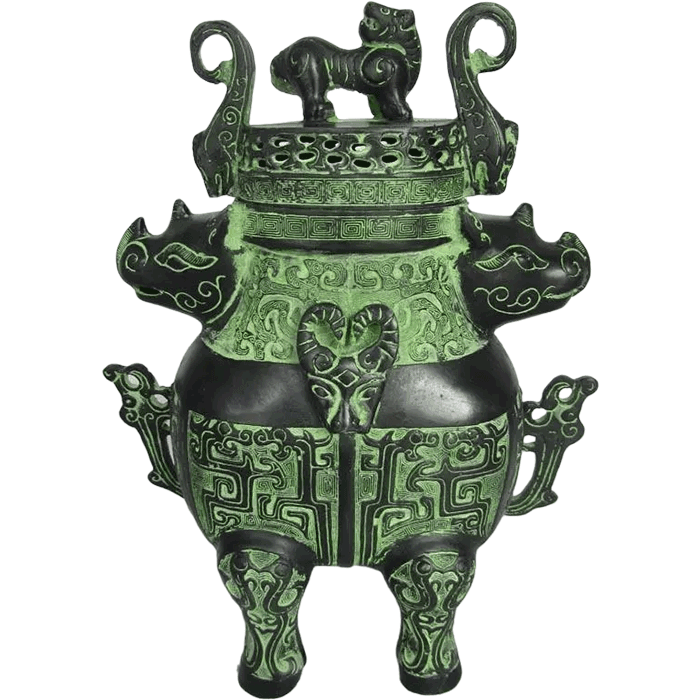
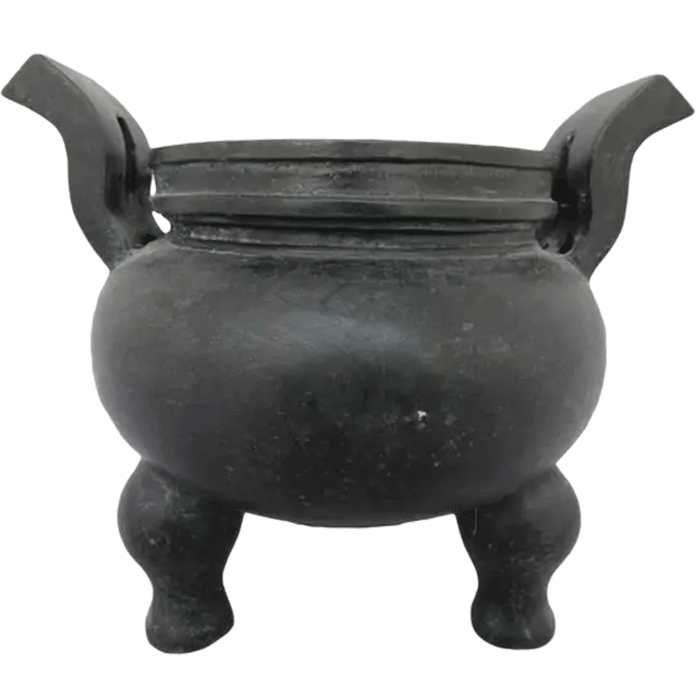
This range covers most gallery-ready human and animal statues, decorative ding and zun vessels, and single Buddhist statues intended for altar or lobby display. Buyers should expect pricing to scale roughly with the cube of height, since volume — and therefore bronze weight — increases faster than linear dimensions. A piece twice as tall as a tabletop figure can require significantly more than double the metal.
Monumental and Installation Scale (Above 120 cm)
Large-format commissions, such as life-size or larger-than-life bronze sculptures for public spaces or corporate courtyards, involve internal structural framing, multi-section casting, and on-site assembly considerations. These projects typically require a phased quotation covering design approval, a scaled maquette, and final casting, and freight becomes a much larger proportion of total landed cost due to crating and oversized shipping requirements. Buyers exploring options across all three size tiers can review a full range of bronze statues with different themes to benchmark scale against typical pricing brackets before requesting a formal quote.
Finish Options and Their Impact on Unit Cost
Once size is settled, finish is the second major lever that shapes both aesthetics and budget. Reproduction bronze work generally falls into two finish families, and each carries different labor and quality-control implications.
Antique Patina Finish
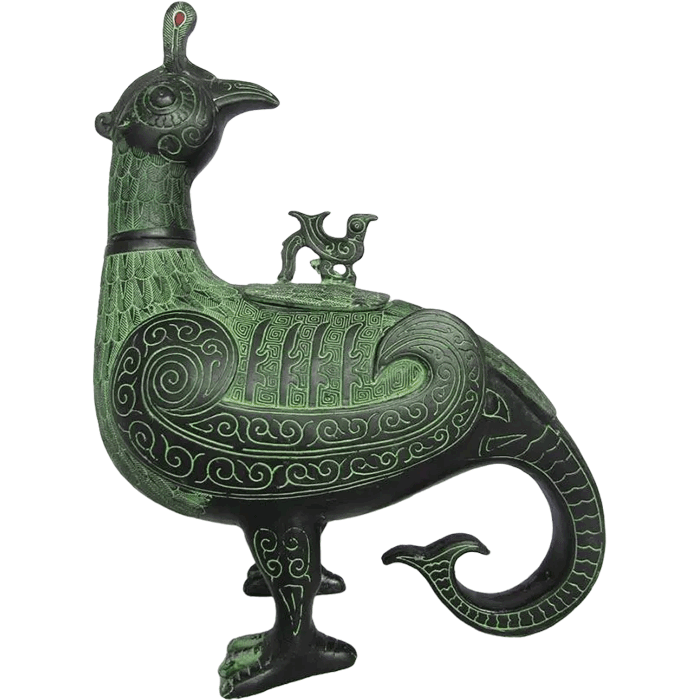
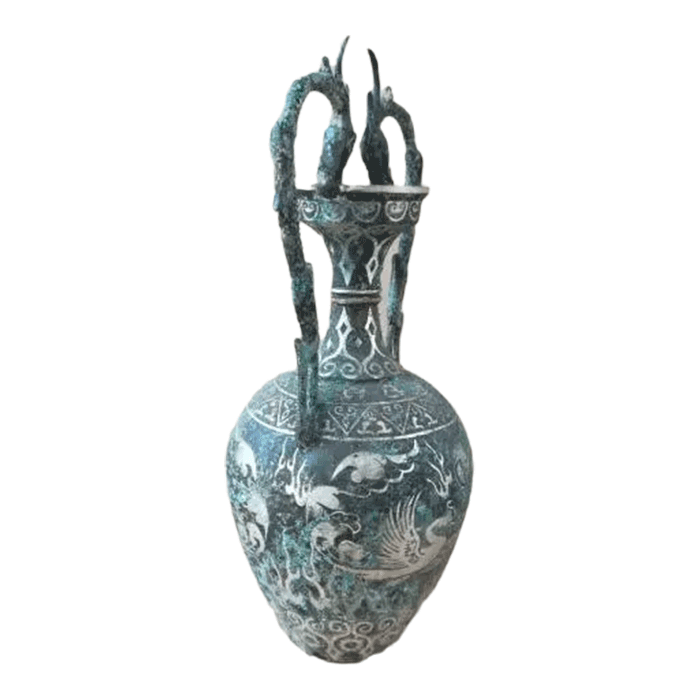
Antique-style patina, meant to replicate the weathered surface of excavated or centuries-old bronzes, requires chemical treatment layered with hand touch-up to achieve believable color variation across the surface — deeper tones in recesses, lighter oxidation on raised details. Matching a specific historical patina reference, such as a museum-catalog color sample, adds craftsman time and typically sits at the higher end of the finishing budget because consistency across a batch is harder to guarantee than with a uniform modern coating.
Modern Polished or Gilded Finish
A polished bronze or partial gilding finish is more straightforward to standardize across units, which can make it a more predictable cost for bulk orders where visual consistency across dozens of pieces matters more than individual weathering character. Buyers researching how casting technique and metal composition affect finish behavior may find it useful to review background on the difference between bronze and brass, since alloy choice affects how a patina or polish ultimately reads.
Hybrid and Custom Finish Requests
Some buyers request a modern silhouette with an antique surface treatment, or vice versa — a classical form finished in a contemporary satin bronze look. These hybrid requests are achievable but should be flagged early in the RFQ process, since they usually require a physical finish sample approved before production begins, adding a short lead-time buffer rather than a large cost increase.
Working with a Manufacturer to Optimize Your Procurement Budget
Because reproduction bronze work spans everything from a single custom prototype to production runs numbering in the thousands, the most efficient way to control budget is to align order structure with actual need rather than defaulting to either extreme. A manufacturer with an ISO 9001 quality management system and export-compliant packaging standards for art crafts can typically support a minimum order of one custom sculpture for prototyping, then scale to bulk production once the design, size, and finish are locked in — avoiding the cost of re-tooling a mold twice.
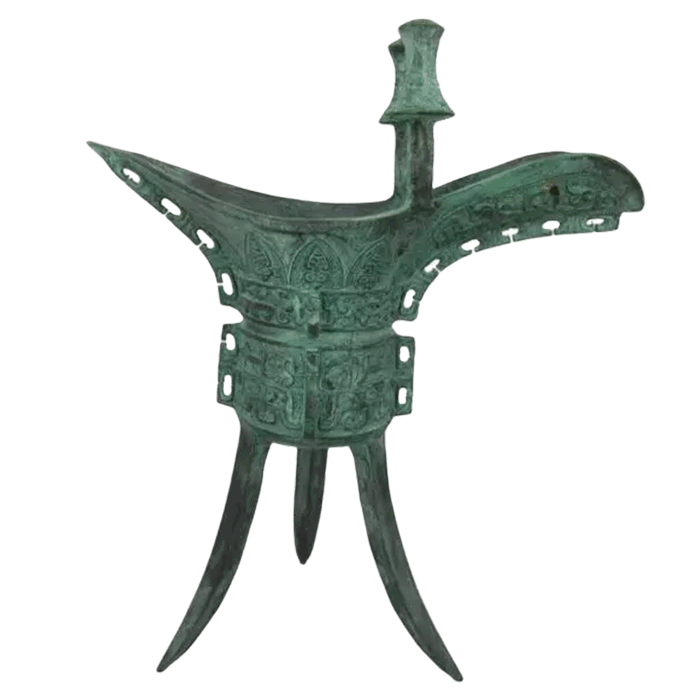
Buyers who need an exact replica of a specific antique piece, rather than a generic "ancient style" design, should request reference photographs and dimensional drawings up front, since precise replication work (matching proportions, inscriptions, or vessel form to a historical original) is priced differently from an interpretive design. For vessel-type orders — ding, zun, and hu tripods in particular — it's worth reviewing how historical form and function evolved, which is covered in more depth in this overview of the evolution of bronze culture over 2000 years, to ensure the reproduction specification matches the intended use case, whether decorative or ceremonial.
For buyers assembling a first-time RFQ, it also helps to separate one-time costs (mold-making, design approval, sample casting) from per-unit costs (metal, finishing labor, packaging), since suppliers structure bulk discounts around amortizing that first category across a larger unit count. Teams starting a new commission can outline size, finish, and quantity directly when they customize a bronze sculpture from sculpmart.com, which allows a supplier to return a quotation broken into these separate cost lines rather than a single bundled figure.
Quality Assurance and Packaging Considerations in the Budget
A complete budget for ancient style bronze statues should also account for pre-shipment inspection and export packaging, since bronze pieces are heavy, rigid, and prone to surface damage if crated incorrectly. Reputable suppliers inspect each piece for casting defects — porosity, cracking, or incomplete detail — before it leaves the workshop, and a credible quality process should include a documented replacement policy for defects found on arrival rather than leaving that risk entirely with the buyer.
Patina touch-up support after delivery is another line item worth clarifying during quote planning, particularly for outdoor installation pieces where weathering will continue naturally after placement. Buyers who want to understand a supplier's overall production capability and finishing standards before committing to a large order can review background information via the about sculpmart page, which outlines workshop scale and craftsman experience relevant to consistent batch quality.
Building a Practical Budget Checklist
Before requesting formal quotes, procurement teams should confirm the following against their project brief:
- Target height or scale category, since this determines the bronze weight and base material cost.
- Finish type — antique patina, polished modern, or hybrid — and whether a physical color sample is required.
- Whether the order is a single prototype, a small batch, or a bulk production run, since minimum order flexibility affects mold amortization.
- Packaging and freight requirements, especially for oversized or multi-section pieces.
- Inspection and after-sales terms, including defect replacement and touch-up support.
Working through this checklist before sending an RFQ typically produces more comparable quotations across suppliers, since each vendor is responding to the same defined scope rather than filling in assumptions differently. For buyers still narrowing a design direction, browsing categories such as bronze statues with different themes alongside animal and vessel options can help finalize the size and finish combination that fits both the intended display space and the available budget.
Conclusion
Budgeting for reproduction bronze sculpture does not need to be guesswork. By separating cost drivers into size, alloy weight, labor-intensive finish work, and logistics, B2B buyers can build a procurement budget that holds up against real supplier quotations rather than a single rough estimate. Starting with a clear specification — scale category, finish type, and order quantity — remains the most reliable way to keep a bronze sculpture project on budget from initial sample to final delivery.