Bronze replica manufacturing service controls
A Bronze replica manufacturing service requires sample-to-production controls
For overseas buyers sourcing replicated artworks, antique-inspired vessels, commemorative statues, or custom decorative objects, the key question is not simply whether a factory can cast bronze. The more important question is whether the manufacturer can control the project from the first reference review through sample approval, production consistency, final inspection, and export-ready packing.
A bronze replica project can involve visual, structural, and commercial requirements at the same time. A buyer may need a sculpture to preserve the pose and proportions of an original artwork, a vessel to reproduce specific decorative motifs, or a Buddhist statue to maintain a consistent surface color across a production batch. Each requirement needs to be discussed before metal is poured, because corrections become more difficult after casting, welding, chasing, and patina finishing have started.
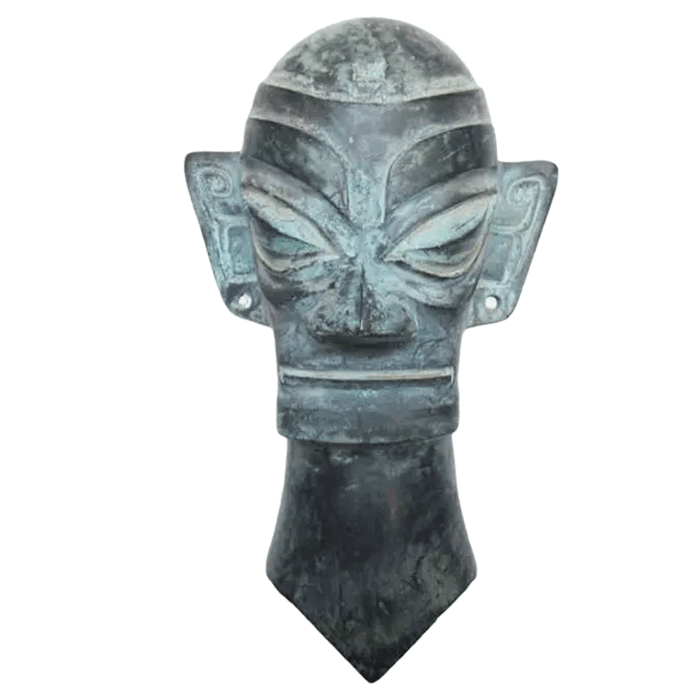
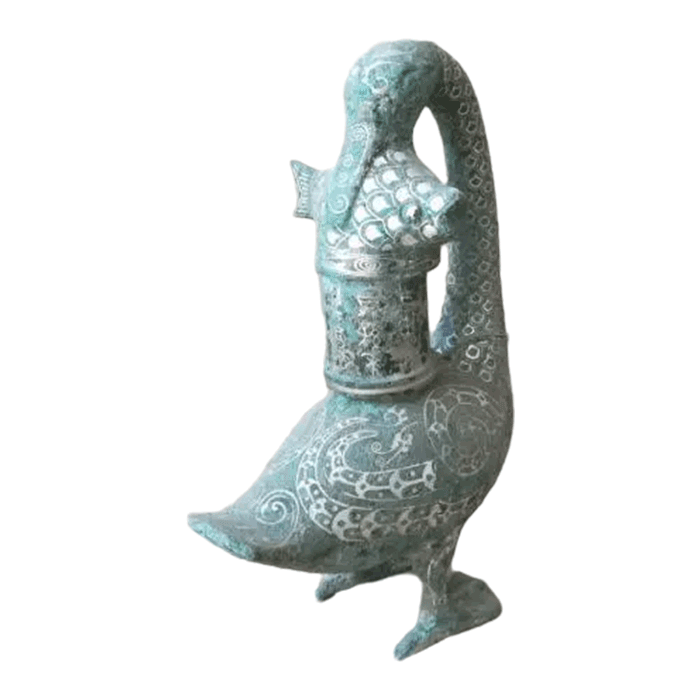
Luoyang Yichuan Bronze Craft Co., Ltd. supports custom bronze projects from a single prototype to bulk production runs. Based in Yichuan County, Luoyang, Henan Province, the company operates a 3,000-square-meter production area with more than 30 skilled craftsmen, including bronze-casting masters and finishing artisans. Its annual output exceeds 50,000 bronze art pieces, covering bronze sculptures, animal statues, vessels, mirrors, incense burners, Buddhist statues, and other custom bronze artworks.
For buyers conducting supplier due diligence, this guide explains the controls that should be visible in a sample-to-production workflow and the information that should be confirmed before an order is released.
What a Bronze replica manufacturing service should manage
A full-service manufacturer should manage more than the foundry step. The finished result depends on how the reference is interpreted, how the master pattern is prepared, how the wax and mold stages are controlled, and how the final surface is evaluated. The process is especially important for replicas because buyers commonly compare the finished work against photographs, measurements, historic references, drawings, or an original object.
At the quotation and technical-review stage, the manufacturer should clarify the project scope in practical terms. This includes the product category, target dimensions, desired quantity, expected surface appearance, installation method where applicable, and packaging needs for shipment. For an antique-style replica, the discussion should also identify which details are essential to preserve, such as handles, relief patterns, inscriptions, facial features, animal forms, rim profiles, or tripod legs.
Bronze replicas can be produced in many formats, including:
- Human and animal bronze sculptures for gardens, public spaces, collections, and interiors.
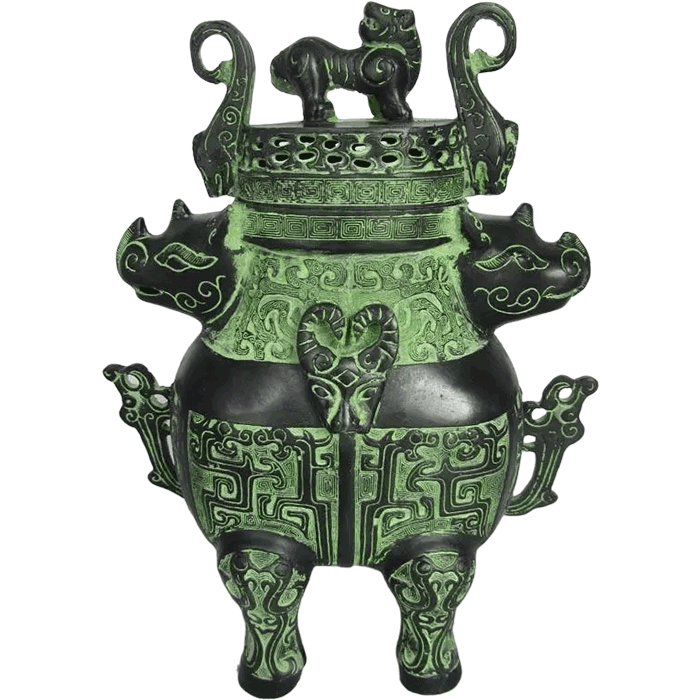
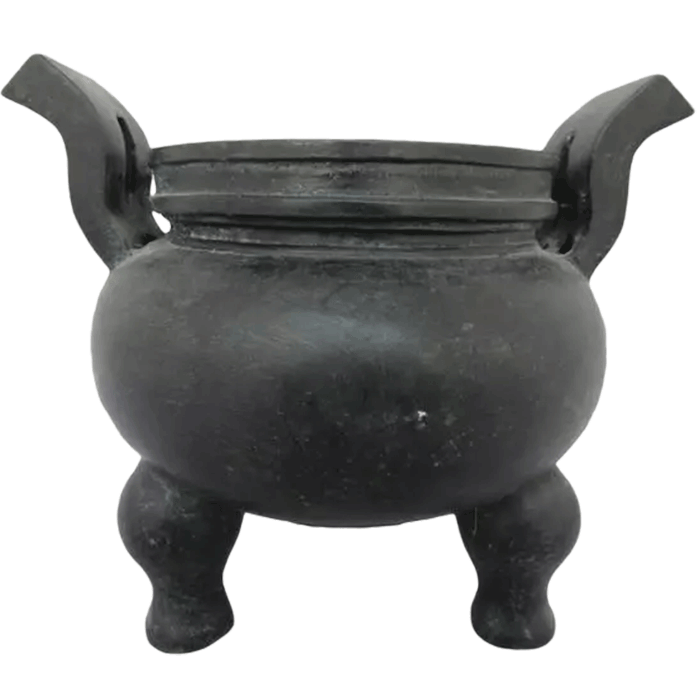
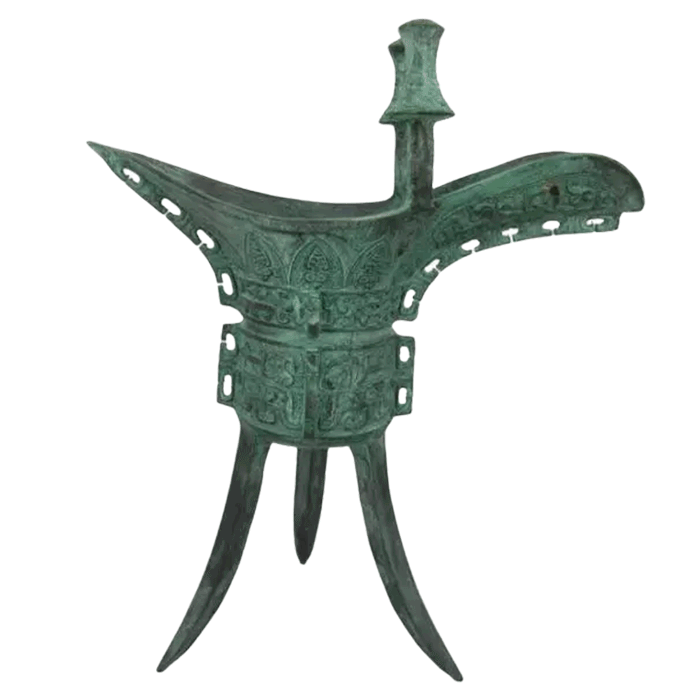
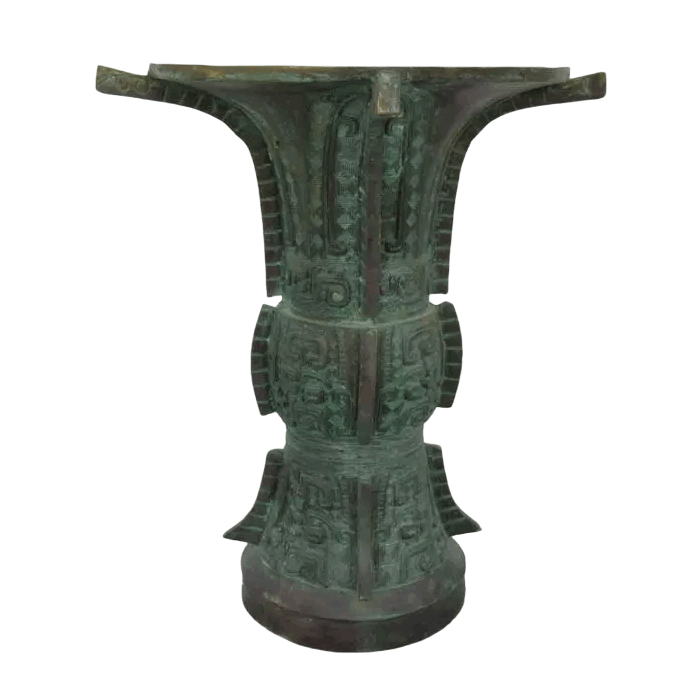
- Traditional bronze vessels, including ding, zun, hu, tripods, and decorative vases.
- Bronze mirrors with historic-inspired patterns and finished surfaces.
- Bronze incense burners for decorative, ceremonial, or cultural settings.
- Bronze Buddhist statues requiring careful treatment of facial expression, robes, symbols, and patina.
- Custom art pieces developed from client drawings, photographs, digital files, samples, or physical references.
Understanding the historical form of a requested item can improve communication during the reference-review stage. Buyers developing vessel replicas may find useful background in this overview of bronze ware types. For projects based on monumental or historically recognizable forms, reference material helps separate decorative interpretation from details that need closer replication.
Reference review begins before the sample is made
Reference quality has a direct effect on production clarity. A manufacturer can work from multiple source types, but each one provides different information. High-resolution photographs may show surface texture and decorative elements, while dimensioned drawings establish scale. A physical sample can reveal weight, wall thickness, and undercut details that photographs may not show. Three-dimensional data can assist with complex forms, but it should still be reviewed against the intended appearance of the finished bronze.
Before sample work begins, buyers should organize their references and identify priorities. This is particularly useful when the requested piece is a reproduction of an antique or a small object that will be enlarged for architectural or landscape use. A feature that looks balanced at tabletop scale may require adjustment when the final sculpture is much larger.
Information to confirm during reference review
- Overall height, width, depth, and any critical local dimensions.
- Whether the requested item is an exact replica, a close visual interpretation, or a design adapted from the reference.
- Required decorative patterns, inscriptions, reliefs, symbols, and other non-negotiable details.
- Desired bronze color, including antique, dark brown, greenish, blackened, golden-brown, or modern surface directions.
- Whether the item will be used indoors, outdoors, mounted on a base, or incorporated into another structure.
- Whether the buyer requires one approved prototype before bulk production.
- Special packaging, labeling, documentation, or shipment-handling requirements.
Clear communication at this stage helps prevent a common sourcing problem: the buyer approves a general concept but later finds that the production piece does not match the intended historical character. Exact replication work requires attention not only to the overall silhouette but also to the relationship between small details. A vessel’s ears, a statue’s hand position, or a mirror’s border pattern can substantially influence authenticity and visual balance.
Sample development converts requirements into an approval standard
The sample is the practical bridge between an approved reference and a production order. It is the stage at which the buyer and manufacturer can evaluate form, detail, surface treatment, and assembly decisions before those choices are repeated across a larger quantity. For custom projects, Luoyang Yichuan Bronze Craft Co., Ltd. can support orders from one custom sculpture, while bulk-order arrangements are discussed according to size and design complexity.
For a lost-wax bronze process, sample development may include creation or refinement of a master pattern, development of the wax form, mold preparation, casting, removal of gates and risers, welding where required, hand chasing, polishing, and patina finishing. The company uses premium Cu-Sn bronze alloy and traditional lost-wax casting for its bronze art pieces. This method is suitable for complex sculptures and decorative works because it can reproduce fine surface detail when the pattern and mold stages are properly prepared.
Buyers should avoid treating sample approval as a simple visual checkpoint. A well-managed sample review should create a usable approval record. That record may consist of agreed photographs, dimensions, finish descriptions, comments on visible details, and written confirmation of any revisions. The approved sample then becomes the comparison basis for production inspection.
Key sample approval points
| Control area | What the buyer should review | Why it matters for production |
|---|---|---|
| Form and proportion | Overall silhouette, major dimensions, balance, pose, vessel profile, and base relationship. | These features define the visual identity of the replica and are difficult to alter after casting. |
| Decorative detail | Patterns, inscriptions, reliefs, facial features, robe folds, animal anatomy, and edge treatment. | Approval establishes which details must remain consistent in later pieces. |
| Surface finish | Polished areas, hand-chased texture, antique appearance, modern finish, and patina direction. | Patina and finishing can vary visually unless a clear target is established. |
| Construction | Separate cast sections, welded joins, mounting points, bases, and structural considerations. | Construction affects handling, installation, packing, and final presentation. |
| Packaging plan | Protection for projections, thin components, delicate decoration, and finished surfaces. | Export transport can damage fragile features if protection is not planned early. |
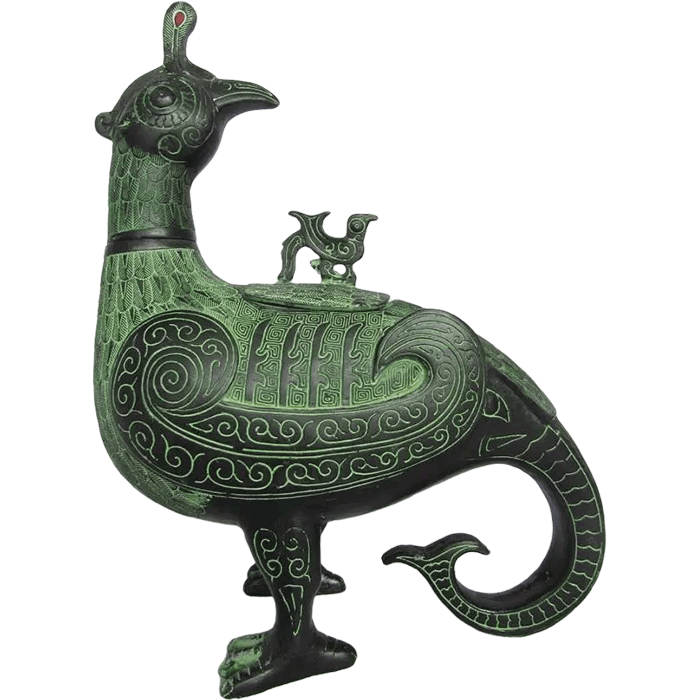
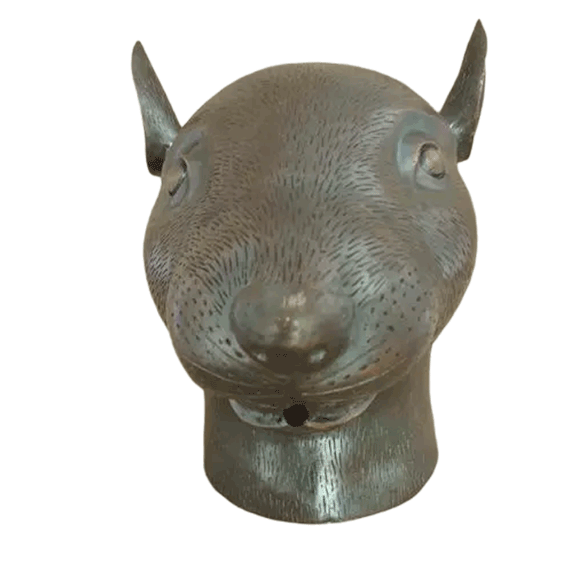
For buyers sourcing figurative pieces, reviewing examples of bronze statues with themes can help identify the level of anatomical modeling, drapery, and finishing direction expected for a project. Animal sculptures require the same level of review, especially where horns, tails, ears, legs, or extended wings create delicate areas for casting and shipment.
Lost-wax casting and finishing need documented production discipline
After a sample is approved, production control should focus on repeating the approved visual and structural standard rather than treating every piece as an independent artwork. Handcrafted bronze production naturally involves skilled artisan work, but the buyer still needs a defined basis for consistency. This is especially relevant for multi-piece orders, matched pairs, series of vessels, and sculptures intended for a coordinated display.
Traditional lost-wax casting involves several stages where disciplined checks are valuable. The wax form needs to reflect the approved design. The mold preparation and metal-pouring stages require careful execution. After casting, finishing work determines how seams, surface marks, and detailed textures are treated. Hand chasing is important because it refines the form and restores details after casting. Polishing can emphasize selected areas, while patina work creates the final antique or modern visual effect.
Patina matching deserves particular attention in replica projects. Buyers may request an aged brown finish, a dark classical surface, a green antique effect, or another controlled visual direction. Patina is influenced by the surface preparation and finishing process, so color expectations should be described using approved samples and reference photographs whenever possible. A written statement such as “antique finish” may not be sufficient by itself, because antique appearances can range from warm brown to dark black, greenish oxidation effects, or mixed tones.
Luoyang Yichuan Bronze Craft Co., Ltd. offers hand chasing, polishing, and patina finishing in antique or modern looks. For a production order, buyers should request that the approved sample, finish reference, and any agreed visual notes remain available to the production and inspection teams. This approach supports continuity from the first unit to the final packed piece.
Inspection should compare production pieces with approved requirements
Final inspection is not a substitute for process control, but it is an essential confirmation point before shipment. Luoyang Yichuan Bronze Craft Co., Ltd. operates under an ISO 9001 quality management system and performs quality inspection before every shipment. Its products comply with export quality inspection standards for art crafts.
For bronze replicas, inspection should consider both physical condition and approved appearance. A practical review may include the overall dimensions, stability, visible casting condition, decorative completeness, finishing quality, patina direction, mounting features, and protection of vulnerable areas. For multi-piece orders, inspection should also consider whether the pieces appear visually coordinated as a batch.
Buyers should provide special acceptance requirements before production whenever possible. Examples include placement of a logo, a required base configuration, a specified mounting-hole layout, or limits on how a particular surface should appear. If the buyer expects the finished work to be installed in a public, architectural, or landscape setting, installation-related information should be shared early enough to be incorporated into the project review.
The company provides free replacement for casting defects and after-sales support for patina touch-ups and restoration guidance. These provisions are particularly relevant for buyers evaluating the long-term handling of bronze artworks after delivery. However, the best outcome remains early definition of the approved standard, because clear specifications reduce the risk of misunderstandings during manufacturing and inspection.
Export packing is part of protecting replica quality
Bronze is durable, but many bronze artworks include features that still require careful protection. Extended hands, slender legs, raised reliefs, pointed ornaments, vessel handles, and delicate patina surfaces can be vulnerable during transport. A manufacturer’s packing plan should therefore be considered alongside the product design rather than after the finished pieces are already prepared for dispatch.
Export-compliant protective packaging is important for fragile sculptures and detailed decorative pieces. The packaging method should account for the item’s weight, shape, projections, and surface finish. Buyers should communicate whether goods will move by sea, air, courier, or through a consolidation warehouse, as handling conditions may differ. Shipment marks, packing-list requirements, and individual identification needs should also be confirmed in advance.
For antique-style pieces, protective packing must do more than prevent breakage. It should also help avoid unnecessary abrasion to the finished patina. This is important when several matching items are ordered for a retail collection, hotel interior, cultural display, or design project. A carefully applied patina can be visually affected by uncontrolled contact between pieces during transit.
Buyers developing a broader decorative range can also explore bronze home decor for related product directions. When a project includes multiple product categories, such as vessels, mirrors, incense burners, and statues, the same sample-control principles should be applied to each category.
Due-diligence questions to ask before releasing an order
Before placing a custom replica order, overseas buyers should use a structured checklist. The goal is to confirm not only artistic capability but also production control, communication expectations, and shipment readiness. The following questions can help define a more reliable purchasing process:
- What reference materials will be used as the production basis?
- Will the project require a prototype or pre-production sample?
- Which dimensions and visual details are critical to approval?
- What Cu-Sn bronze alloy and lost-wax casting approach will be used?
- How will hand chasing, polishing, and patina finishing be reviewed?
- What records will define the approved sample standard for bulk production?
- How will the manufacturer inspect the finished pieces before shipment?
- What protective packaging will be used for fragile or projecting details?
- What support is available if casting defects or patina touch-up needs are identified?
- How will MOQ, production quantity, and design complexity affect the commercial arrangement?
A supplier that can answer these questions clearly is better positioned to manage the transition from a single reference item to repeatable production. Buyers should also evaluate the manufacturer’s relevant product knowledge. For example, a project based on ancient vessel forms may benefit from reviewing resources on the Houmuwu square cauldron, while projects focused on historic surface styles may benefit from understanding the cultural development of Chinese bronze forms.
Choose controls that protect both appearance and delivery condition
A replica project succeeds when the approved sample is treated as a controlled production standard rather than a one-time artistic exercise. The buyer should be able to trace how reference materials become a sample, how sample comments become production requirements, how patina expectations are communicated, and how finished works are checked and packed before export.
Luoyang Yichuan Bronze Craft Co., Ltd. combines traditional lost-wax bronze casting with hand finishing for custom sculptures, vessels, mirrors, incense burners, Buddhist statues, and other bronze artworks. With support for one-piece custom projects through negotiable bulk production arrangements, the company can work with buyers who need detailed review before committing to a larger order.
For due-diligence-stage sourcing, the most practical approach is to prepare complete references, define the critical approval points, request a clear sample process, and confirm inspection and packing requirements before production begins. These controls help protect the visual character, finish consistency, and shipment condition of a bronze replica from first sample through final delivery.