Bronze Zun: Understanding Animal-Shaped Ritual Vessels
Discover Why Animal-Shaped Bronze Zun Vessels Depart from Traditional Forms
The world of ancient Chinese bronzes is dominated by vessels of precise, symmetrical beauty, each form dictated by centuries of ritual and tradition. Among these, the Zun stands as a quintessential wine vessel, its classic silhouette instantly recognizable. Yet, some of the most captivating and historically significant examples of this vessel defy convention entirely, taking the form of powerful, stylized animals. This departure from the standard shape was not a whimsical choice but a profound expression of culture, belief, and extraordinary metallurgical skill. Understanding why these zoomorphic creations exist is to understand the deeper spiritual currents of the Shang and Zhou dynasties.
At Luoyang Yichuan Bronze Craft Co., Ltd., we are situated in the heart of a region with a 3,000-year bronze-casting legacy. This heritage informs our meticulous approach to recreating these masterworks. We delve into the "why" behind each design, blending traditional craftsmanship with modern precision to produce bronze art that is both historically authentic and impeccably crafted. This exploration into the animal-form Bronze Zun reveals a fascinating intersection of ritual function, symbolic power, and artistic innovation.
The Standard Zun: A Foundation in Ritual and Form
Before appreciating the radical nature of the animal-shaped Zun, one must first understand the vessel it evolved from. The conventional Zun is a masterpiece of balanced design, a form perfected over generations to serve a specific and sacred purpose in the elaborate ceremonies of ancient China.
Defining the Conventional Vessel
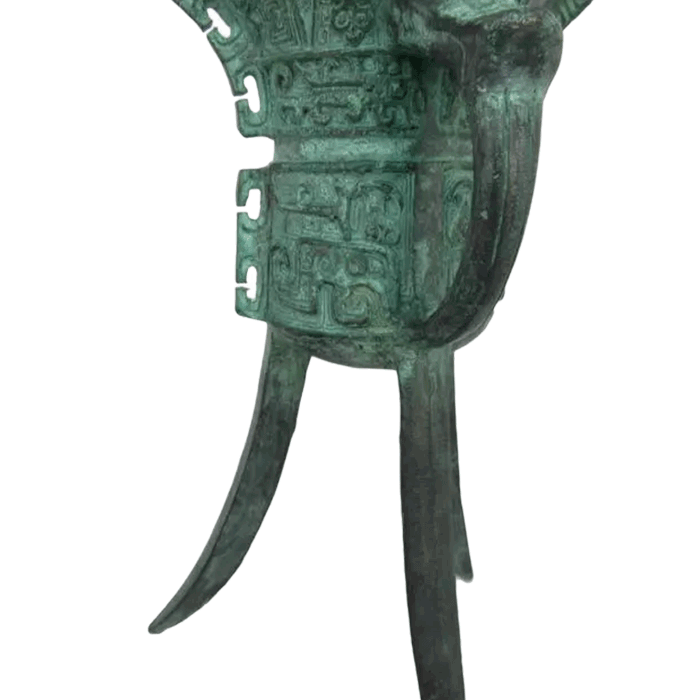
The typical Zun is characterized by its tripartite structure. It features a wide, flaring mouth, which gracefully transitions into a slender neck. This neck then swells into a broad, rounded shoulder and a pronounced, bulging belly, before finally resting on a high, stable ring foot. This elegant and robust profile was not merely aesthetic; it was highly functional, designed for holding and pouring fermented beverages—often translated as "wine"—during solemn rites dedicated to ancestors and deities. The wide mouth facilitated filling, while the sturdy base ensured stability on the altar.
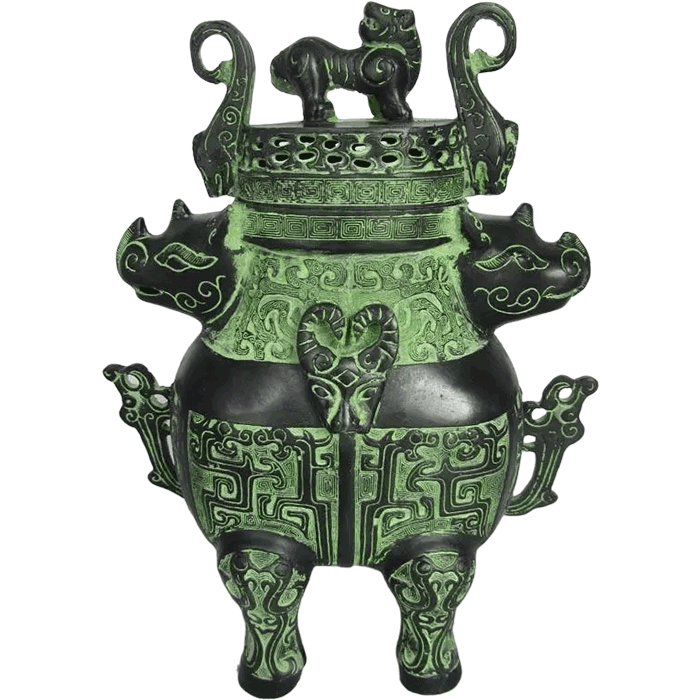
The surfaces of these vessels were rarely left plain. They were canvases for a complex lexicon of symbolic motifs, most famously the taotie mask, an enigmatic zoomorphic face with prominent eyes, horns, and a jaw, but no lower mandible. This powerful image is often surrounded by intricate geometric patterns like the leiwen, or "thunder pattern," a continuous spiral that filled the negative space and added to the vessel's visual and symbolic density. These decorations reinforced the vessel's role as a conduit to the spirit world, a piece of sacred technology for communicating with unseen forces.
Symbolism of the Standard Form
The very shape of the standard Zun conveyed meaning. Its symmetry and clear, hierarchical sections mirrored the ordered, hierarchical society of the Shang and Zhou dynasties. The vessel's stability and groundedness symbolized the stable order of the cosmos and the state. Each element, from the flaring lip reaching towards the heavens to the firm foot planted on the earth, reinforced its role as a link between the terrestrial and the divine. The production of such a standardized and perfectly executed object was a display of the ruler's power—a command over precious resources (copper and tin), advanced technology (bronze casting), and highly skilled labor. In this context, the standard Zun was an icon of ritual propriety, social order, and legitimate authority.
The Emergence of Zoomorphic Zun: A Fusion of Art and Belief
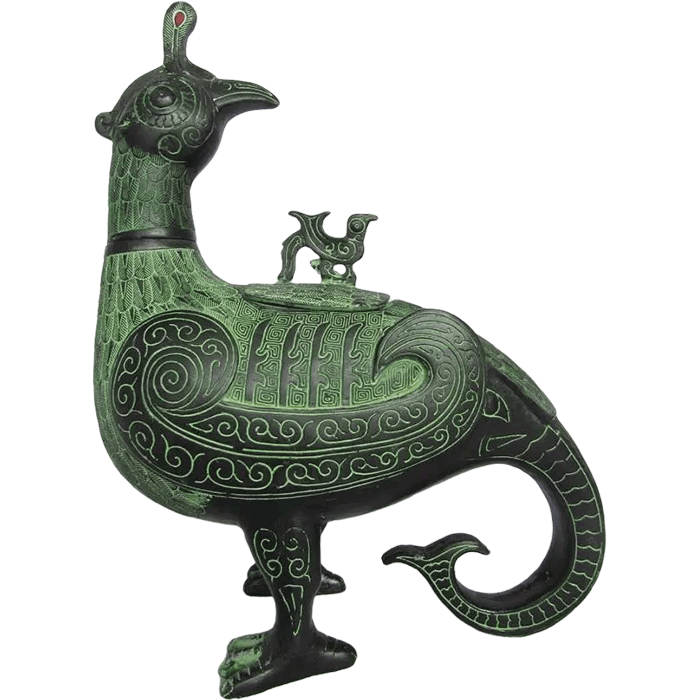
The creation of a Bronze Zun in the complete, three-dimensional form of an animal was a monumental leap in both artistic expression and ritualistic thought. This innovation transformed the vessel from a symbolically decorated container into a symbol in its own right, a sculptural embodiment of the spirit and power of the natural world.
Early Innovations and Animal Worship
This artistic evolution was rooted in the deep-seated spiritual beliefs of ancient China, which were steeped in animism and totemism. Nature was not a passive backdrop but a world inhabited by powerful spirits and forces, many of which took animal forms. Animals were seen as messengers, guardians, and intermediaries between the human and spirit realms. They possessed qualities that humans revered and sought to emulate: the strength of a tiger, the wisdom of an owl, the gentle determination of a ram, or the sheer power of an elephant or rhinoceros.
By casting a ritual vessel in the shape of one of these potent creatures, the artisans and patrons were doing more than creating a novel container. They were channeling the very essence of that animal into the ceremony. The vessel became an active participant, its form imbuing the ritual wine with the specific attributes of the creature it represented. This practice elevated the object from a piece of ritual equipment to a sacred effigy, a powerful tool for invoking supernatural aid. Learn more about the evolution of bronze culture over 2000 years to see how these practices developed.
Function Beyond the Vessel
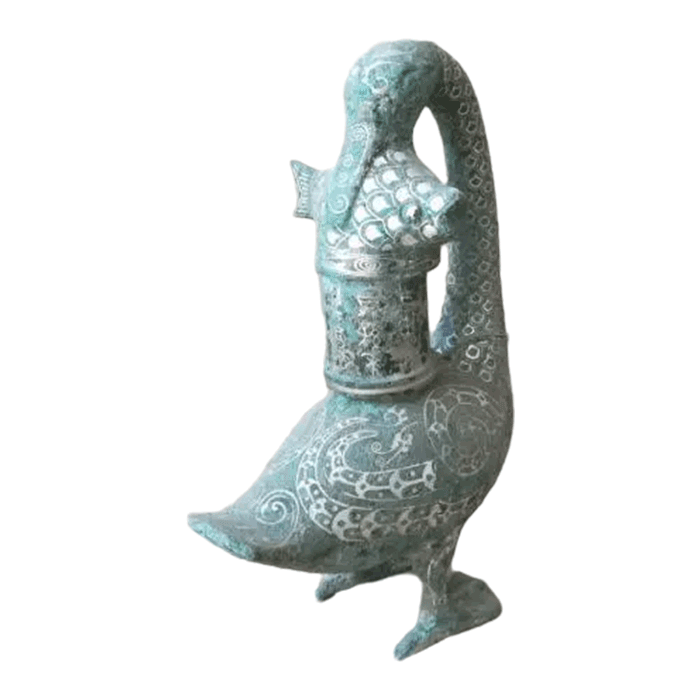
An animal-shaped Zun was a multi-layered symbolic statement. For example, the famous double-ram Zun from the late Shang dynasty is not just a vessel shaped like two rams; it is a powerful symbol of filial piety and prosperity. Using it in an ancestral worship ceremony was a potent visual prayer for the well-being and continuity of the clan. An owl-shaped Zun, with its association with the night and its mysterious nature, might have been used in rituals related to warfare, divination, or communicating with nocturnal spirits. The magnificent elephant Zun, with its trunk often forming a spout, represented strength, wisdom, and auspiciousness. The ritual act became a performance where the spirit of the animal, captured in bronze, played a leading role.
Masterful Craftsmanship: The Technical Challenges of Animal Forms
The shift from a symmetrical, wheel-thrown pottery-inspired shape to a fully realized, three-dimensional animal sculpture presented immense technical challenges. This evolution showcases the incredible leap in skill and sophistication achieved by ancient bronze casters—a level of expertise that requires dedicated mastery to replicate today.
From Symmetrical to Sculptural
Casting a standard Zun, while complex, relies on principles of symmetry. The piece-mold casting technique, common in the Shang dynasty, was well-suited for such regular shapes. However, creating a realistic animal form, with its asymmetries, intricate muscle structures, and detailed surface textures, was an entirely different order of difficulty. It required the artisans to be not just technicians but also master sculptors, with a deep understanding of animal anatomy and the ability to translate that understanding into a viable model for casting.
The Lost-Wax Casting Method
The lost-wax method, a technique we employ at Luoyang Yichuan Bronze Craft Co., Ltd., is ideally suited for producing the complex, unique forms of a zoomorphic Bronze Zun. This process allows for a far greater degree of detail and sculptural freedom than piece-mold casting.
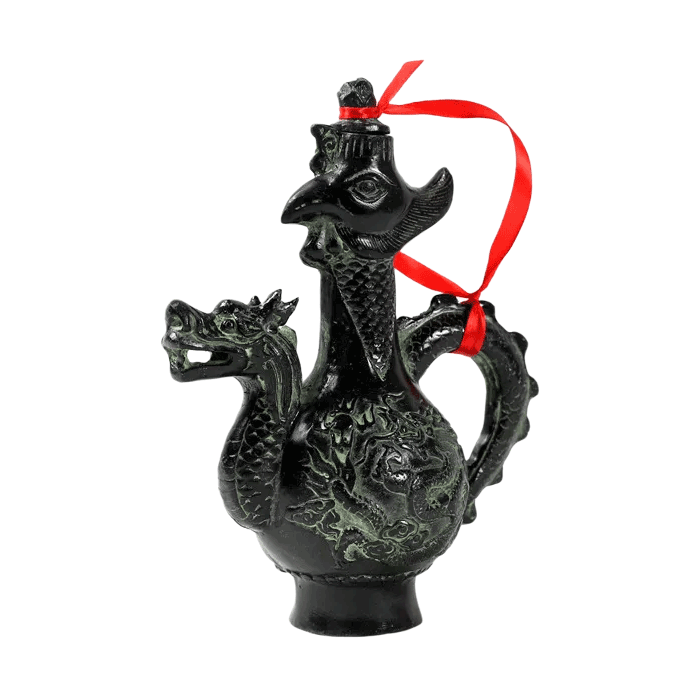
The process begins with the creation of a detailed model of the animal in wax. This is the stage where the artistic vision is fully realized. Every feather on an owl, every scale on a mythical creature, every fold of an elephant's skin is meticulously carved. This wax model is then coated in multiple layers of fine clay slurry, creating a durable mold. Once hardened, the mold is heated, causing the wax to melt and run out (hence "lost-wax"), leaving a perfect, hollow cavity in the shape of the original sculpture. Molten bronze, a premium copper-tin (Cu-Sn) alloy, is then poured into this cavity. After the bronze cools and solidifies, the clay mold is broken away to reveal the raw casting. This level of detail is a testament to the artisans' skill, a tradition we uphold when you customize a bronze sculpture from sculpmart.com.
Finishing and Patina
The work is far from over once the raw casting is revealed. Our team of over 30 skilled craftsmen, including finishing artisans, begins the painstaking process of hand-finishing. This involves chasing, where fine details are sharpened with specialized tools, and polishing to create the desired surface texture. Finally, the crucial patina is applied. This chemical process creates the rich, varied colors—from deep malachite greens to azurite blues and earthy browns—that give bronze its signature antique look. Achieving a consistent and historically accurate patina is a common sourcing pain point for buyers, and our ability to provide precise color matching is a core part of our quality commitment.
Sourcing and Replicating Historical Bronzes with Authenticity
For designers, collectors, museums, and cultural institutions, acquiring a high-quality replica of a historical artifact like a Bronze Zun presents significant challenges. The market is filled with pieces of varying quality, often failing to capture the spirit, detail, and material integrity of the originals. Our mission is to solve these sourcing pain points by combining our region's historical legacy with rigorous, modern quality control.
Our Commitment to Heritage and Quality
As an ISO 9001 certified manufacturer, we adhere to the highest standards of quality management. Every piece we produce, whether a single custom prototype or a large production run, complies with stringent export quality inspection standards for art crafts. We begin with a premium bronze alloy, ensuring material authenticity. Our reliance on the traditional lost-wax method, guided by bronze-casting masters, allows us to achieve the exact replication of complex antique forms—a key requirement for discerning clients.
We understand that authenticity extends to the final finish. Our expertise in patina application ensures a consistent and believable appearance across entire orders. Furthermore, we address the critical issue of logistics with export-compliant protective packaging designed to safeguard even the most fragile sculptures during international transit. This comprehensive approach, from sourcing raw materials to final delivery, is why clients trust us with their most important projects related to chinese bronze sculpture.
From Single Prototypes to Bulk Orders
Our 3,000-square-meter production facility is equipped to handle diverse project scales. We are proud to support custom work with a Minimum Order Quantity (MOQ) of just one piece, allowing for the creation of unique prototypes or one-of-a-kind art installations. Simultaneously, with an annual output of over 50,000 pieces, we have the capacity to manage bulk orders for large-scale architectural projects, museum shop inventories, or corporate gifting programs. This flexibility makes us a versatile and reliable partner. Every piece undergoes a thorough quality inspection before shipment, and we stand behind our work with a free replacement policy for any casting defects and provide after-sales support for patina care and restoration guidance.
The animal-form Bronze Zun is more than just a beautiful object; it is a gateway to the spiritual and artistic world of ancient China. It represents a moment when ritual function and sculptural art fused, creating artifacts of immense power and beauty. By preserving the techniques used to create them, we keep this remarkable chapter of human creativity alive, offering a tangible connection to the profound legacy of Chinese bronze culture.