Bronze Zun: Ritual Use, Forms, and Dynasty Clues
Understanding the Historical Significance and Craftsmanship of the Bronze Zun
The history of ancient China is profoundly intertwined with its bronze artifacts, objects that transcend mere utility to embody profound cultural, religious, and political significance. Among these, the Bronze Zun stands out as a particularly captivating category of vessel. These ornate containers were not merely decorative items; they served as crucial implements in complex ritual ceremonies, state banquets, and ancestral worship, particularly during the Shang, Zhou, and Warring States periods. Their intricate designs, often featuring zoomorphic motifs and geometric patterns, offer invaluable insights into the aesthetic sensibilities, metallurgical prowess, and belief systems of early Chinese civilizations. For researchers, collectors, and institutions, understanding the nuances of the Bronze Zun — its ritualistic functions, evolving forms, and the dynastic clues embedded within its artistry — is essential for appreciating its enduring legacy. Luoyang Yichuan Bronze Craft Co., Ltd. specializes in bringing this history to life through expertly crafted replicas and custom bronze artworks, preserving the integrity and spirit of these ancient masterpieces.
The Enduring Legacy of the Bronze Zun in Ancient Chinese Ritual
Historically, the primary function of the Bronze Zun was as a wine vessel, though its role extended far beyond simple containment. In ancient Chinese society, hierarchical structures and spiritual beliefs were deeply integrated into daily life, and rituals played a pivotal role in maintaining cosmic harmony and social order. The Zun was central to these ceremonies, used for offering sacrificial wine to ancestors and deities. The act of pouring wine from a meticulously crafted ancient chinese bronze wine vessel was a sacred gesture, believed to bridge the gap between the earthly and spiritual realms. Its presence at significant events underscored the status and authority of the user, often a king, nobleman, or high priest.
The very creation of a Bronze Zun was an elaborate ritual in itself, requiring immense resources, skilled labor, and advanced metallurgical knowledge. The bronze alloy, typically a premium copper-tin (Cu-Sn) composition, was carefully chosen for its strength, durability, and ability to hold intricate detail. The painstaking process, from mold making to casting and finishing, imbued each vessel with a sense of sacredness and power. This deep connection to ritual and power has ensured the Bronze Zun’s place as a symbol of ancient Chinese civilization, a testament to a culture that valued tradition, craftsmanship, and spiritual reverence.
Diverse Forms and Artistic Evolution of the Bronze Zun Across Dynasties
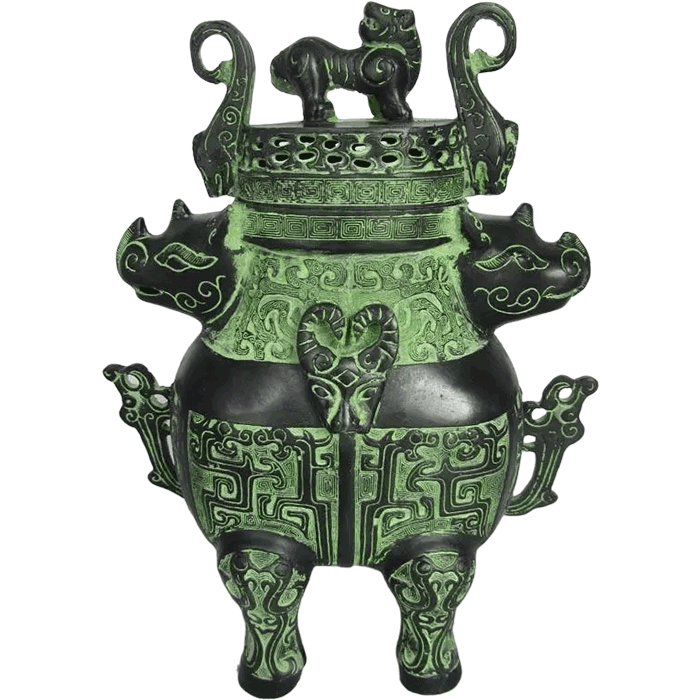
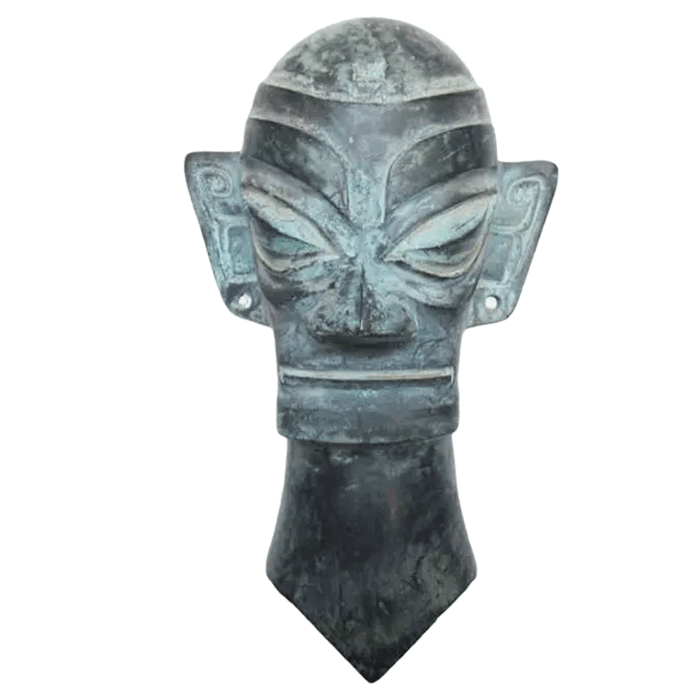
The Bronze Zun is not a monolithic object; its forms evolved significantly over centuries, reflecting changing artistic trends, metallurgical capabilities, and cultural influences of different dynasties. Early Shang Dynasty Zun often featured robust, powerful forms, frequently adorned with taotie (mythical beast) masks and intricate thunder patterns (leiwen). These pieces conveyed a sense of awe and mystery, characteristic of Shang religious practices.
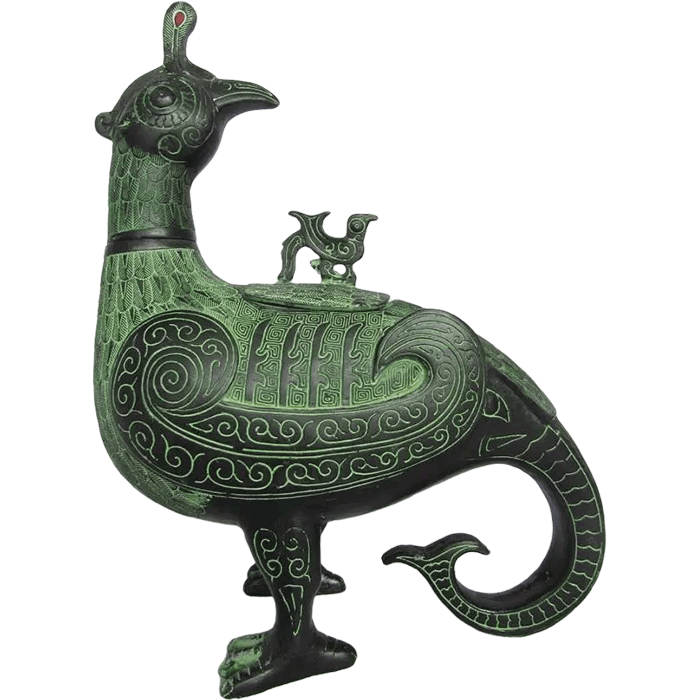
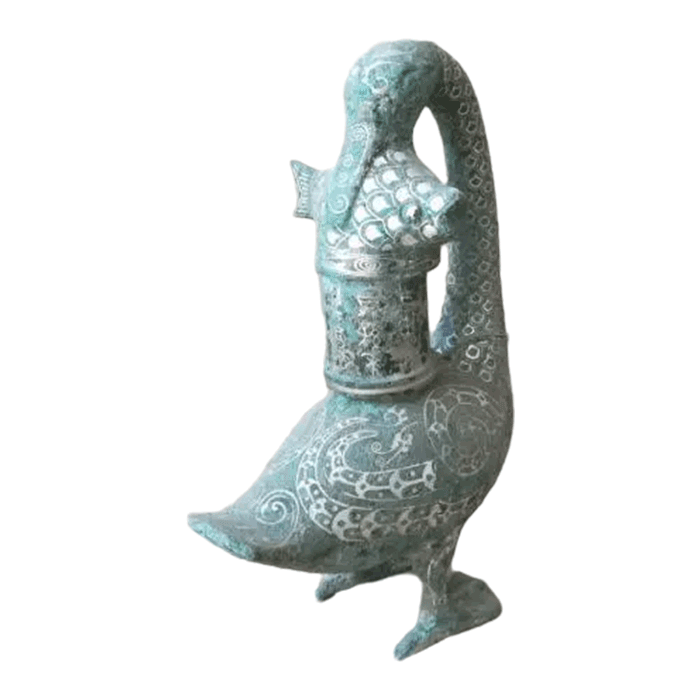
As the Zhou Dynasty emerged, the forms of the Bronze Zun began to diversify. While some continued the zoomorphic traditions, others took on more elegant, often cylindrical or flared shapes. Animal-shaped Zun, such as the famous elephant or rhinoceros Zun, became increasingly sophisticated, showcasing the artisans' mastery in casting complex, three-dimensional figures. The ornamentation also evolved, incorporating more narrative elements, mythological creatures, and eventually, inscriptions that recorded events, dedications, or ancestral names. These inscriptions are invaluable linguistic and historical documents, offering direct glimpses into the social and political landscape of the time. During the Spring and Autumn and Warring States periods, the designs became even more ornate and sometimes incorporated foreign influences, reflecting an era of greater cultural exchange and artistic experimentation. The sheer variety in shape, size, and decoration makes each Bronze Zun a unique artifact, telling a story of its specific time and place.
Decoding Dynastic Clues Through Bronze Zun Design
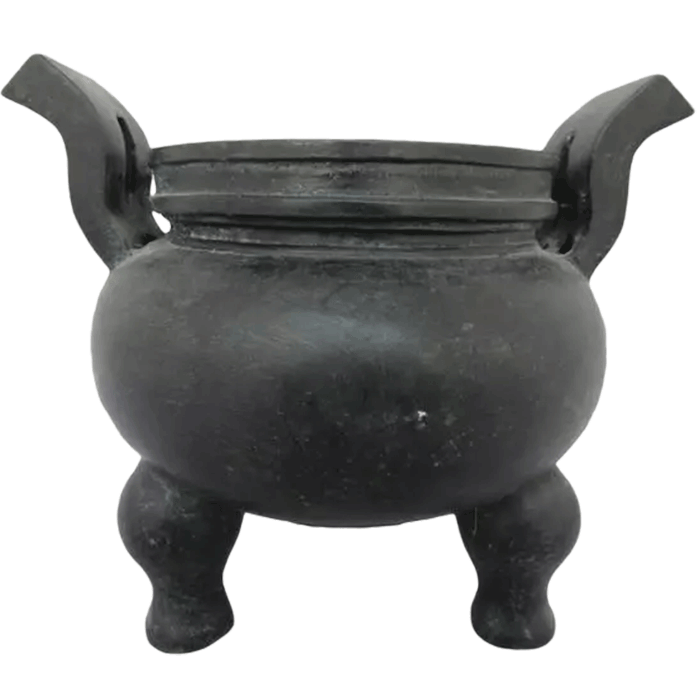
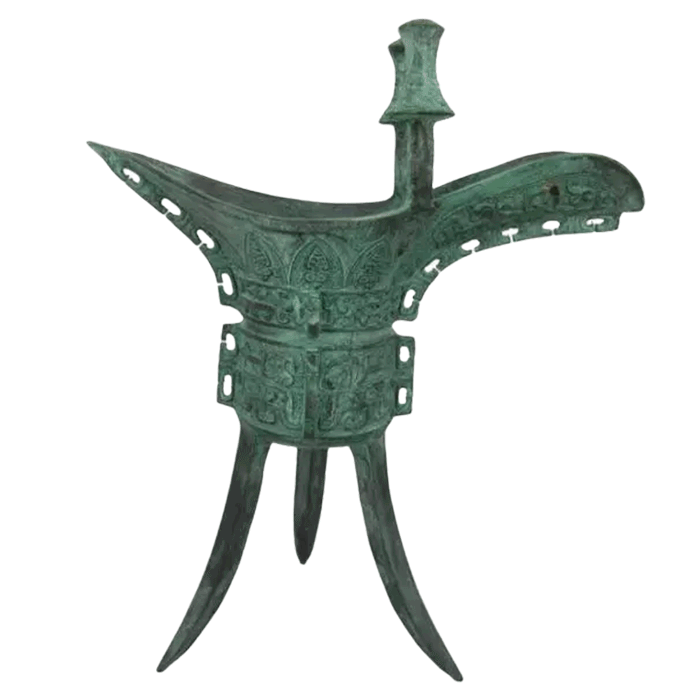
For archaeologists, art historians, and connoisseurs, the design elements of a Bronze Zun serve as crucial markers for identifying its period of origin and even its specific regional workshop. Beyond the overall shape and decorative motifs, subtle details provide significant dynastic clues. The thickness of the bronze, the specific alloy composition, and the variations in casting techniques can differentiate between Shang, Western Zhou, Eastern Zhou, and later periods. For instance, the heavy, often angular forms of Shang Zun contrast with the more graceful and sometimes slender profiles of later Zhou pieces.
Patina, the surface layer that forms over centuries due to oxidation, also offers insights. While genuine antique patinas are unique and complex, expert replication requires a deep understanding of historical processes. Luoyang Yichuan Bronze Craft Co., Ltd. excels in achieving consistent patina color matching, offering both antique and modern finishes that respect historical accuracy. Furthermore, inscriptions, when present, provide definitive dating evidence. The style of calligraphy, the vocabulary used, and the content of the text are all invaluable tools for dating and attribution. Examining handles, bases, and lids for particular stylistic characteristics can further refine the dating process. These intricate details transform each Bronze Zun from a simple vessel into a historical document, waiting to be deciphered by those with the knowledge and expertise to read its silent language.
Mastering the Art of Bronze Zun Craftsmanship
The creation of a high-quality Bronze Zun, whether an exact replica or a custom design, demands an unparalleled level of skill and adherence to time-honored techniques. At Luoyang Yichuan Bronze Craft Co., Ltd., located in Yichuan County, Luoyang, Henan Province, this tradition is upheld by a team of over 30 skilled craftsmen, including renowned bronze-casting masters and finishing artisans. Our production area spans 3,000 square meters, dedicated to preserving and perfecting the ancient art of bronze casting.
The cornerstone of our production is the traditional lost-wax method, a complex multi-stage process that ensures the capture of intricate details and precise forms. This method, combined with the use of premium bronze alloy (Cu-Sn), guarantees the structural integrity and aesthetic fidelity of each piece. Following casting, every Bronze Zun undergoes meticulous hand chasing, a process where artisans refine the surface details with chisels and hammers. This is followed by hand polishing to achieve the desired luster and texture. Finally, the art piece receives its patina finish, available in a range of antique or modern looks, expertly applied to enhance its visual depth and historical authenticity. Our commitment to quality is unwavering, with an ISO 9001 quality management system certification, ensuring all products comply with export quality inspection standards for art crafts. Each piece undergoes thorough quality inspection before every shipment, and we offer free replacement for any casting defects, alongside after-sales support for patina touch-ups and restoration guidance.
Sourcing Authentic and Custom Bronze Art for Collections and Projects
For B2B clients, including museums, art galleries, interior designers, and private collectors, sourcing authentic and custom bronze artworks, particularly specialized pieces like the Bronze Zun, can present unique challenges. These pain points often include ensuring exact replication of antique bronzes, achieving consistent patina color matching across multiple pieces, and guaranteeing export-compliant protective packaging for fragile sculptures. Luoyang Yichuan Bronze Craft Co., Ltd. addresses these concerns directly, offering comprehensive solutions tailored to the specific needs of our clients.
Our annual output of over 50,000 bronze art pieces demonstrates our capacity to support everything from a single custom prototype to extensive bulk production runs. We understand that each project is unique, which is why we offer a minimum order quantity (MOQ) of just one piece for custom sculptures, with bulk orders negotiable based on size and design complexity. Whether you require a historically accurate replica of a specific dynastic Bronze Zun or a contemporary bronze artwork inspired by ancient forms, our expertise ensures exceptional results. Our ability to replicate intricate details and achieve specific finishes, coupled with our rigorous quality control and careful export packaging, provides peace of mind for international clients. We invite you to customize a bronze sculpture from sculpmart.com, leveraging our capabilities to enhance your collections or projects with bronze art of unparalleled quality and historical resonance. Our dedication to craftsmanship and customer satisfaction makes us an ideal partner for all your bronze art sourcing needs.