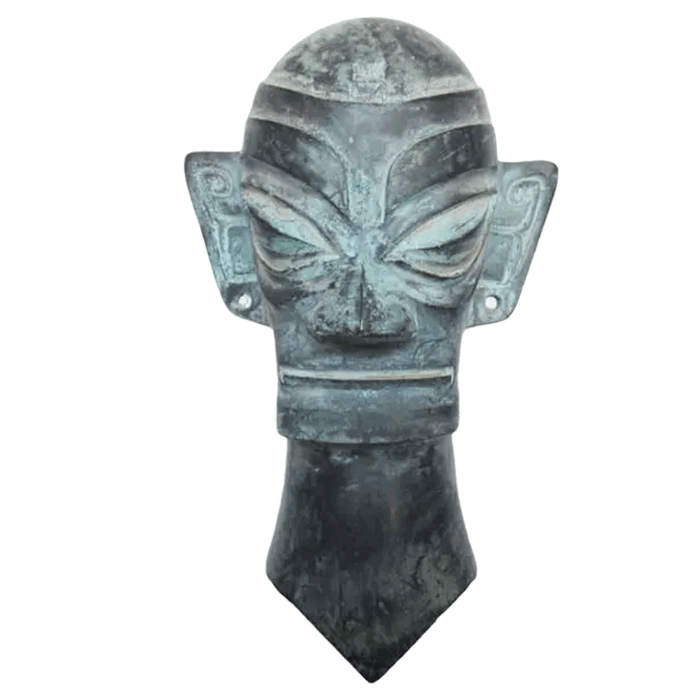
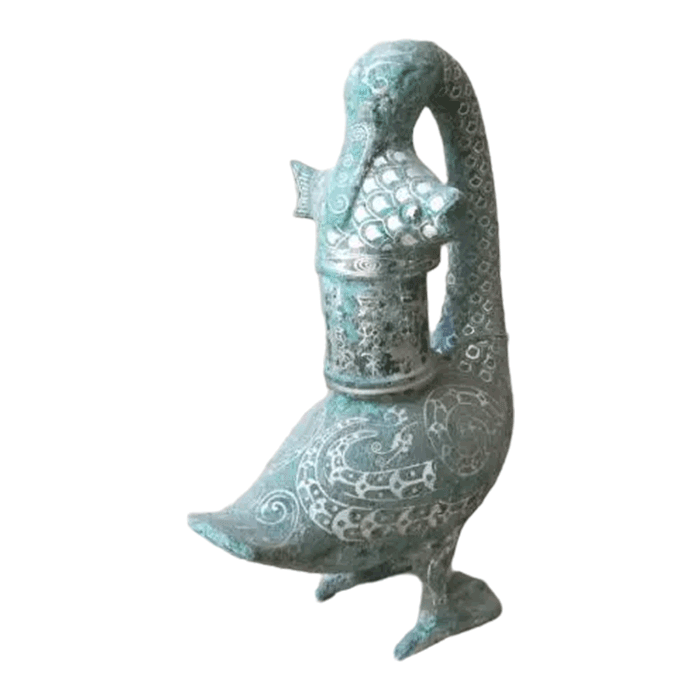
Bronze Zun: History, Animal Forms, and Ritual Uses
Understanding the Ancient Ritual Significance of the Bronze Zun Vessel
Among the vast and intricate world of ancient Chinese ritual bronzes, the zun vessel holds a place of particular artistic and historical importance. As a container for wine used in solemn ceremonies honoring ancestors and deities, its form evolved dramatically over centuries, capturing the shifting aesthetics and beliefs of dynastic China. From powerful, zoomorphic masterpieces of the Shang Dynasty to the more stylized forms of the Zhou, the story of the bronze zun is a story of artistry, ritual, and power. For collectors, interior designers, and cultural institutions, understanding this vessel's background is key to appreciating the depth and beauty of its modern reproductions.
These artifacts are not merely decorative objects; they are echoes of a sophisticated civilization. At Luoyang Yichuan Bronze Craft Co., Ltd., we are situated in the heart of Henan Province, a cradle of this ancient bronze culture. We channel this historical legacy into every piece we create, ensuring that each replica honors the spirit and craftsmanship of the original. This guide delves into the shapes, dates, and uses of the zun, providing clarity for sourcing authentic and masterfully crafted reproductions.
What Defines a Bronze Zun? Form and Function
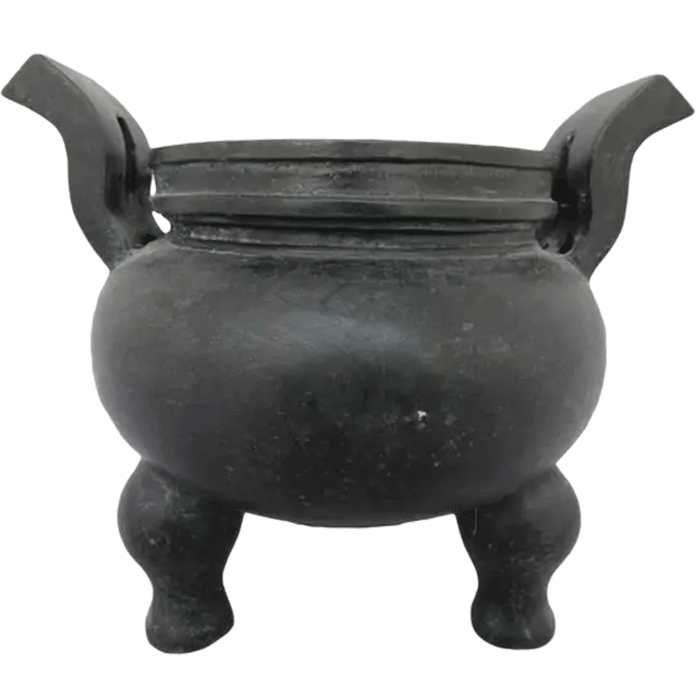
The term 'zun' (尊) refers to a category of ritual wine vessels, but unlike the more rigidly defined 'ding' (cauldron) or 'gu' (beaker), its form is remarkably diverse. Archaeologists and historians generally classify the zun into three main types, each with its own distinct profile and period of prominence.
- Shouldered Zun: This type is characterized by a wide body, a pronounced shoulder, a tall, flaring neck, and a high ring foot. The surface is often heavily decorated with intricate patterns, including the iconic taotie (zoomorphic mask) motif, thunder patterns (leiwen), and projecting flanges that segment the design. This form was particularly popular during the early to mid-Shang Dynasty (c. 1600–1046 BCE).
- Gu-shaped Zun: Emerging later in the Shang and becoming more common in the Western Zhou Dynasty (c. 1046–771 BCE), this type resembles an oversized, more robust version of the slender gu drinking beaker. It features a trumpet-like mouth, a slightly thicker midsection, and a spreading foot. While still ornate, the decoration on these vessels sometimes exhibits a more restrained and organized aesthetic compared to their shouldered predecessors.
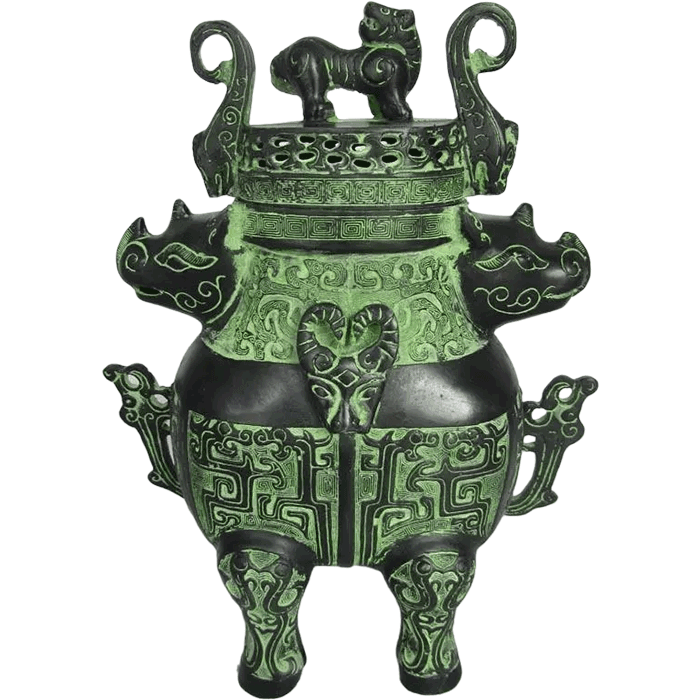
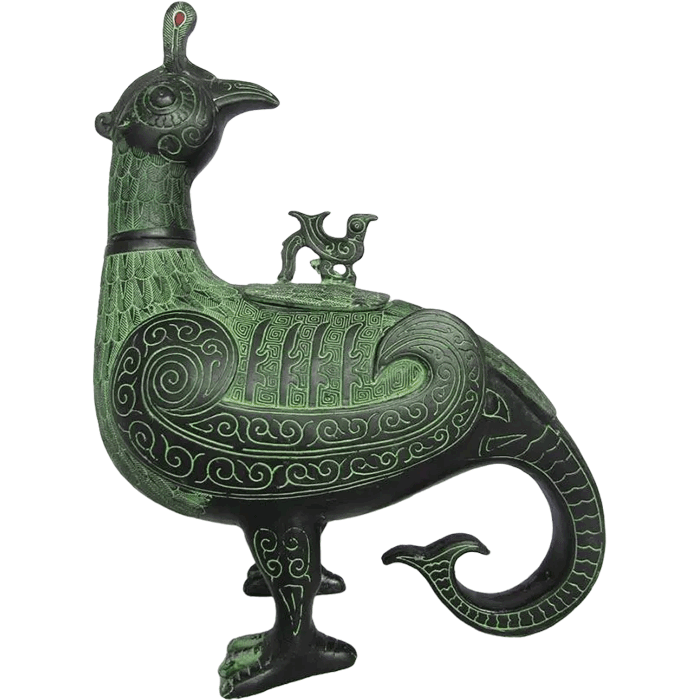
- Animal-shaped Zun: Perhaps the most visually stunning and celebrated category, the zoomorphic zun takes the form of a real or mythical animal. Crafted with extraordinary realism and imagination, these vessels were not mere containers but powerful sculptural representations. The animal's body forms the main chamber for the wine, with an opening, often on the back, for filling. Popular forms included elephants, rhinoceroses, owls, rams, and mythical beasts.
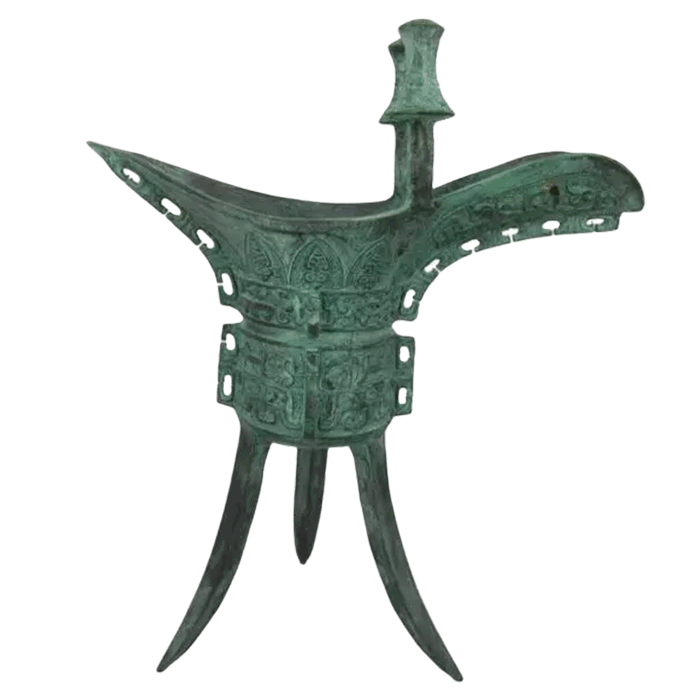
Regardless of its shape, the primary function of the zun was ritualistic. During ancestral worship ceremonies, wine was poured from a jue or gong vessel into the zun to be held before being offered to the spirits. The grandeur and quality of a noble family's bronze collection, including their zun vessels, were direct indicators of their wealth, social status, and political power. The very material—a premium bronze alloy of copper and tin—was a strategic resource, and its use in this manner signified immense prestige.
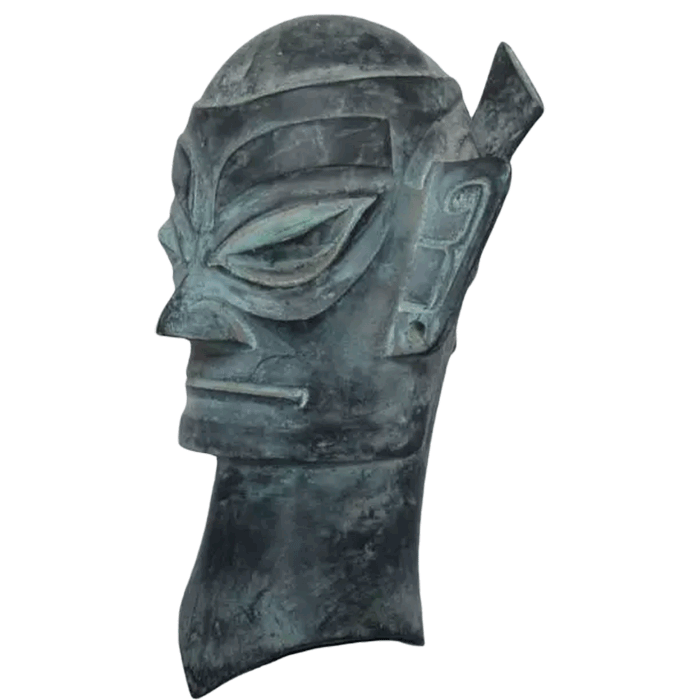
The Evolution of Zun Styles Through Chinese Dynasties
The design of the bronze zun did not remain static. Its evolution reflects the changing ritual practices, technological advancements, and artistic sensibilities of China's Bronze Age.
The Shang Dynasty: An Apex of Creativity
The Shang Dynasty represents the zenith of bronze casting artistry, and the zun vessels from this period are among its greatest achievements. The craftsmen of the Shang pushed the boundaries of the piece-mold casting technique, creating vessels of incredible complexity. The animal-shaped zun, in particular, showcases their mastery. The famous Four-Ram Square Zun, housed in the National Museum of China, is a monumental example, integrating four realistic ram heads into the corners of a square vessel, all covered in dense, symbolic ornamentation.
Shang decoration was deeply symbolic, intended to mediate between the human and spirit worlds. The taotie mask, a symmetrical face with prominent eyes but often no lower jaw, is a ubiquitous feature. It is believed to represent a fearsome guardian, a conduit to the supernatural, or a warning against gluttony. Replicating the crisp, intricate details of Shang-era bronzes requires a profound understanding of these motifs and a casting process that can capture every nuance.
The Western Zhou Dynasty: A Shift Toward Order
Following the overthrow of the Shang, the Western Zhou Dynasty instituted what is known as the "Ritual Revolution." This involved a standardization of ritual practices and, consequently, the bronze vessels used in them. While bronze production continued at a high level, there was a noticeable shift in aesthetics. The wild, zoomorphic energy of the Shang was gradually replaced by a more formal, geometric, and hierarchical style.
During this period, the gu-shaped zun became more prevalent, often produced in sets with other vessels like the ding and gui. Flanges grew larger and more sculptural, and long inscriptions detailing political appointments, military victories, and land grants became common. The famous He zun is a prime example, renowned not for its shape but for its 122-character inscription that contains the earliest known written occurrence of the phrase "Middle Kingdom" (中國, Zhōngguó).
The Eastern Zhou and Beyond: Decline and Transformation
In the Eastern Zhou period, which includes the Spring and Autumn (771–476 BCE) and Warring States (475–221 BCE) periods, the rigid ritual system of the Western Zhou began to dissolve. Bronze vessels became more secularized, functioning as symbols of wealth for a rising class of regional lords and officials. While some zun were still produced, their ritual importance waned. New techniques like inlaying with gold, silver, and turquoise became popular, reflecting a taste for more colorful and luxurious objects. Exploring the characteristics of the bronze wares of the Spring and Autumn period reveals this transition from solemn ritual items to opulent status symbols.
The Craft of Recreating an Ancient Masterpiece
Bringing a historically significant vessel like a bronze zun back to life requires more than just metal and a mold; it demands a fusion of ancient techniques and modern precision. As an ISO 9001 certified manufacturer, we adhere to strict quality management systems to ensure every piece meets the highest standards for art crafts.
The foundation of our work is the traditional lost-wax casting method. This meticulous process, which has been used for millennia, allows for a level of detail that other methods cannot match:
- Model Creation: A precise model of the zun is first sculpted in wax, capturing every detail of the original design, from the curve of a horn to the swirl of a leiwen pattern.
- Ceramic Shell: The wax model is then coated in multiple layers of a ceramic slurry, which is left to harden, creating a durable mold or 'shell'.
- Dewaxing: The shell is heated in a kiln, causing the wax inside to melt and drain away, leaving a perfect negative impression of the sculpture. This is the "lost wax" step.
- Bronze Pouring: Molten, premium-grade bronze alloy is poured into the hollow ceramic shell, filling every crevice of the mold.
- Finishing: Once the bronze has cooled, the ceramic shell is carefully broken away. The raw casting is then subjected to hours of hand-finishing by our team of over 30 skilled artisans. This includes chasing (refining surface details with specialized tools), polishing, and the critical application of the patina.
Our ability to solve key sourcing pain points—such as achieving consistent patina color matching across a large order or creating an exact replica of a museum piece—stems from this deep expertise. Whether a client needs a single prototype or a bulk production run from our annual output of over 50,000 pieces, our process guarantees fidelity and artistry.
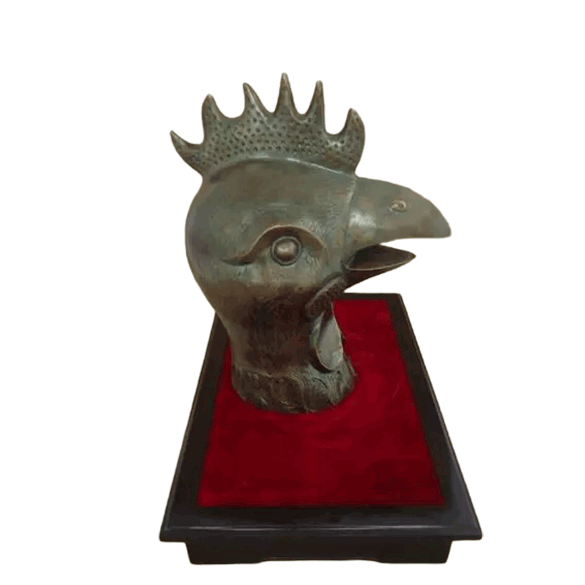
Sourcing High-Quality Bronze Replicas for Modern Spaces
For businesses, collectors, and designers looking to source a reproduction of a bronze zun, quality and authenticity are paramount. A superior replica is not just a copy; it's a tribute that captures the weight, texture, and historical presence of the original artifact. When evaluating a potential supplier, several factors are crucial.
First, examine the casting quality. The decorative patterns should be crisp and clear, not blurred or shallow. The lines should be fluid, and the overall form should be balanced and true to its historical period. Second, consider the patina. An expertly applied patina gives the bronze its color and sense of age, ranging from the classic verdigris green to rich, earthy browns and blacks. A skillful artisan can create a finish that is nuanced and layered, avoiding the flat, painted-on look of inferior reproductions.
Finally, the supplier's capability and reliability are essential. At Luoyang Yichuan Bronze Craft Co., Ltd., we offer the flexibility to customize a bronze sculpture from sculpmart.com, with a minimum order quantity starting from just one piece for custom projects. Every piece undergoes a rigorous quality inspection before shipment, and we provide after-sales support for patina touch-ups and restoration guidance. For our international clients, we have developed export-compliant protective packaging to ensure even the most fragile sculptures arrive safely, a critical consideration when shipping valuable art.
The enduring appeal of the zun vessel lies in its powerful combination of function and form. It is a testament to the metallurgical skill and spiritual devotion of an ancient culture. As a piece of decor, it brings a sense of history and gravitas to any interior, from a corporate headquarters to a private study. By choosing a meticulously crafted replica, you are not just acquiring an object; you are curating a piece of history, a conversation starter, and a work of art that connects the past to the present. Explore our collections of Chinese bronze handicrafts to discover the timeless beauty of these magnificent vessels.