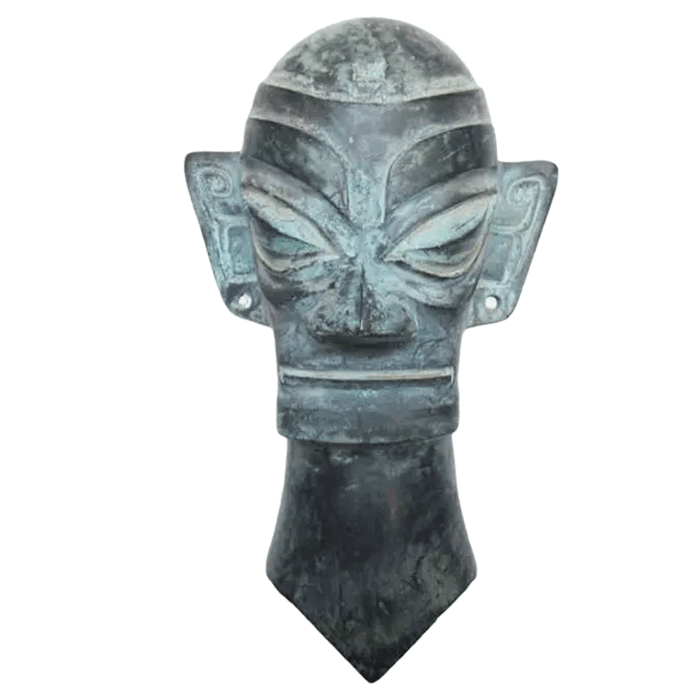
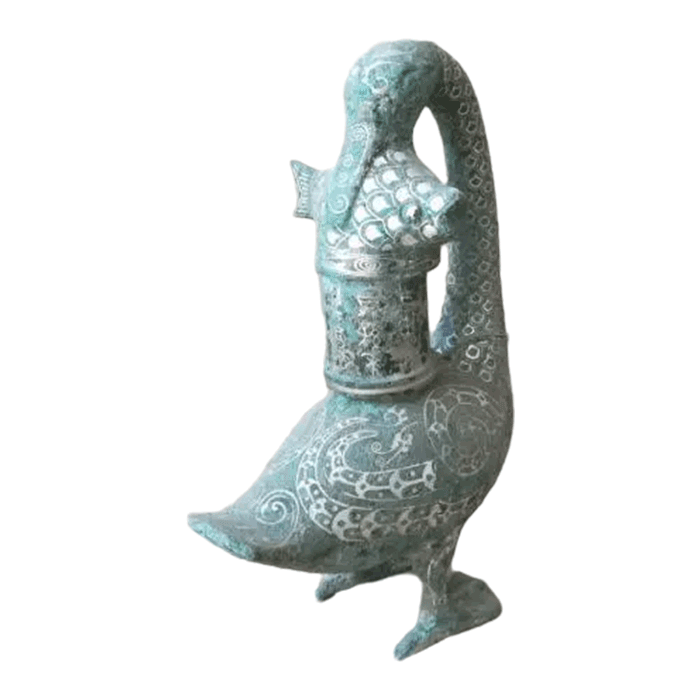
Bronze Replica Manufacturing Service for Less Rework
Bronze replica manufacturing service planning can reduce rework before mass production begins.
For buyers sourcing custom bronze replicas, the highest-cost problems often begin before casting starts. A replica may have impressive historical character, complex decorative relief, or a carefully aged surface, yet production can still require repeated correction if the reference materials, dimensions, finish expectations, and approval criteria are not defined early enough.
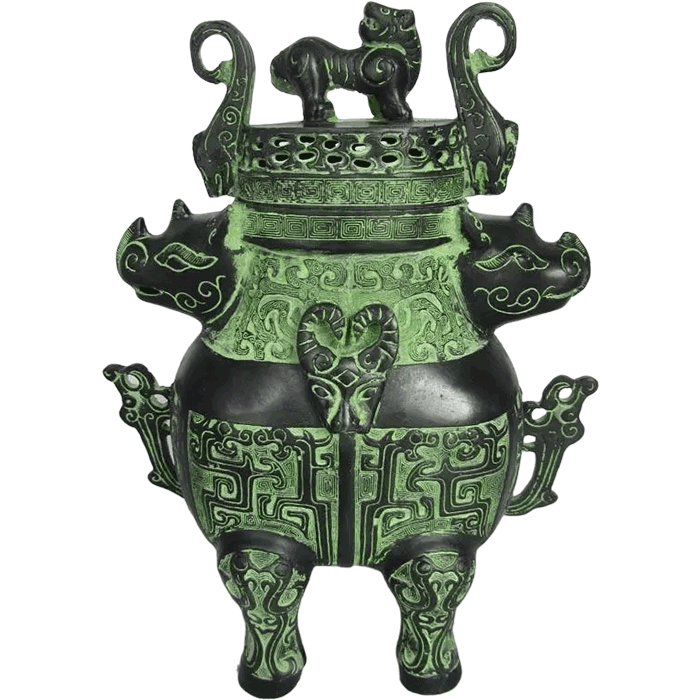
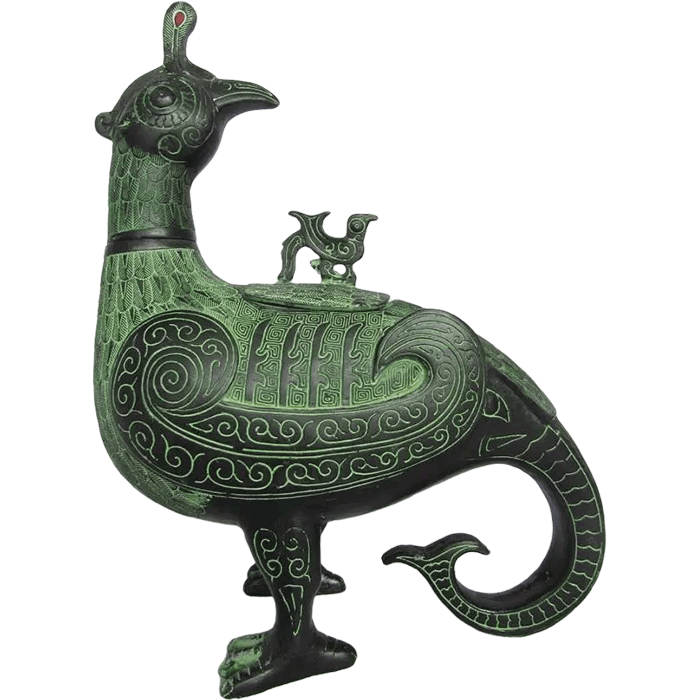
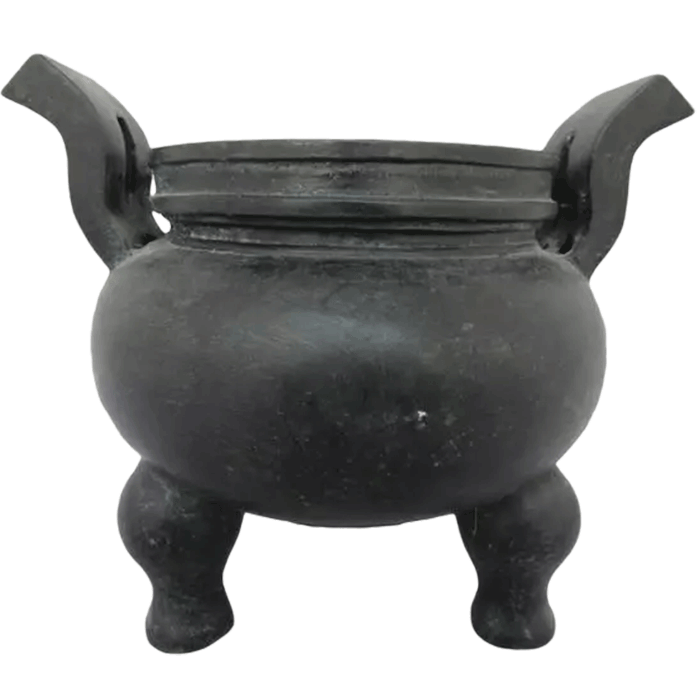
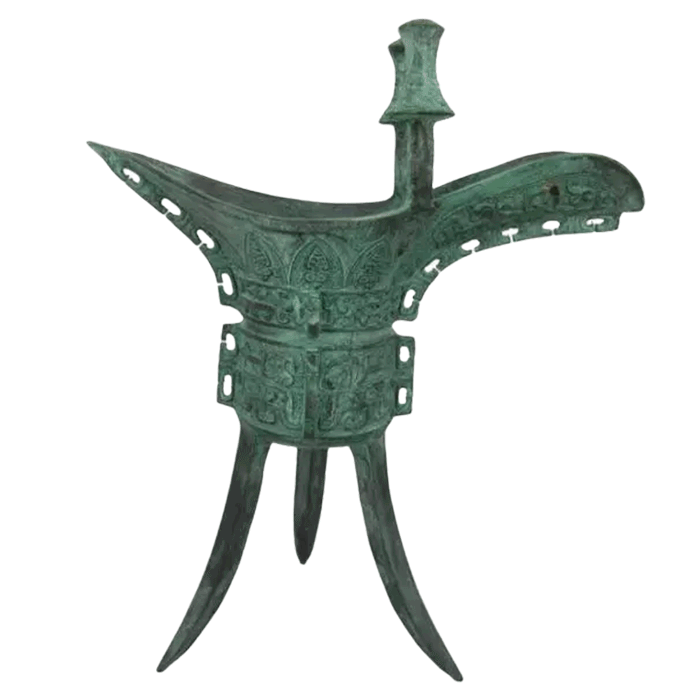
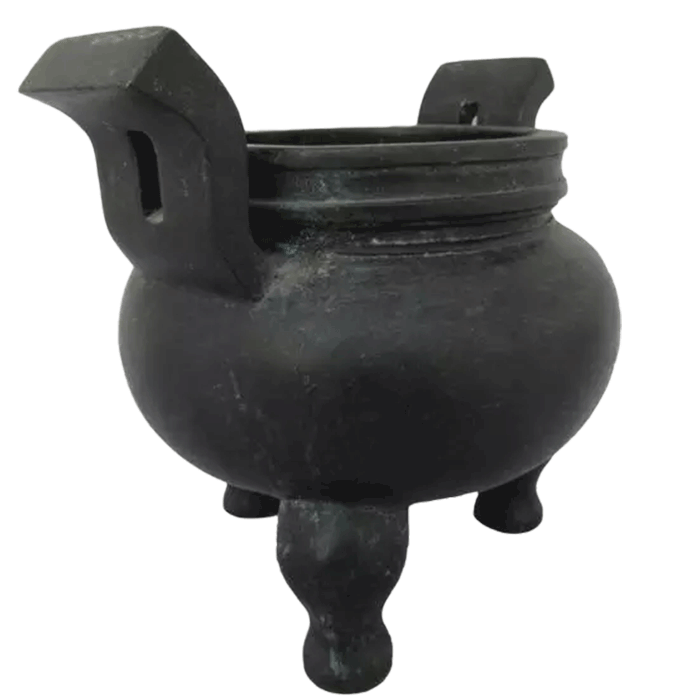
This is especially important when a buyer needs repeat production after the first approved sample. Whether the project involves a bronze ding, zun, hu vase, Buddhist statue, animal sculpture, human figure, incense burner, mirror, or another custom artwork, the approved sample becomes the operational benchmark for later pieces. If the benchmark is incomplete or open to interpretation, variation can enter the process through modeling, wax work, casting, chasing, patina application, assembly, and packing.
Luoyang Yichuan Bronze Craft Co., Ltd. supports projects from a single custom prototype through to negotiable bulk production runs. With a 3,000-square-meter production area in Yichuan County, Luoyang, Henan Province, and more than 30 skilled craftsmen, including bronze-casting masters and finishing artisans, the company works with premium Cu-Sn bronze alloy and the traditional lost-wax casting method. For buyers, however, the most effective way to protect a repeat-production project is to prepare a production-ready brief before quotation and sample planning.
Why rework risk rises before the first bronze sample
Bronze replicas are not standard catalog items. Even when the intended object is based on an existing antique, museum-style reference, sculpture, or decorative vessel, each project requires decisions about scale, structural design, relief depth, alloy behavior, mold parting, surface treatment, and packaging. The supplier cannot reliably infer every requirement from one photograph or a general request such as “make it look old.”
Rework typically occurs when the buyer and production team are each working from different assumptions. A buyer may expect exact proportion matching, while the workshop may be working from an image with perspective distortion. A buyer may expect a dark brown antique patina, while the production team may understand the request as a green-brown aged finish. A vessel may need a functional opening, but the reference image may not clearly show interior dimensions or wall thickness.
These differences are manageable when identified at the planning stage. They become more difficult and expensive after wax patterns, molds, castings, or finishing work have already been completed. Lost-wax production is highly suitable for detailed bronze work, but it also means that design changes should be controlled before the production sequence advances.
For repeat orders, the issue is not only whether the first sample looks correct. The key question is whether the approved sample can be reproduced consistently. A visually attractive prototype without documented tolerances, patina reference, weight range, and packing requirements may still create uncertainty during later production runs.
Build a reference package that removes interpretation gaps
The first step in reducing rework is to create a complete reference package. A single front-view image is rarely enough for an exact bronze replica. It may communicate the general appearance, but it cannot adequately show rear details, undercuts, handle profiles, inscriptions, base construction, wall thickness, or the actual relationship between raised and recessed elements.
A practical reference package should include the following information:
- High-resolution images from front, rear, left, right, top, and bottom views where available.
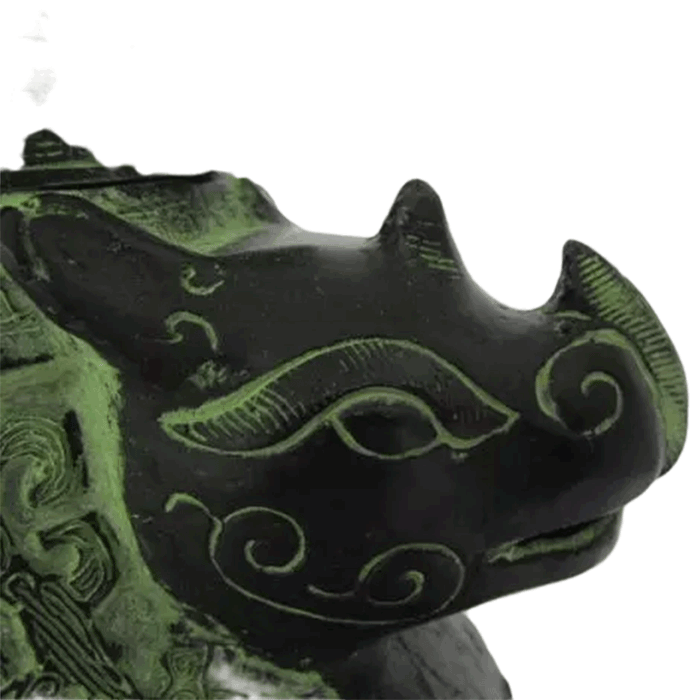
- Close-up images of inscriptions, animal heads, handles, feet, rims, seams, texture, and damaged-looking historical details that must be retained.
- Overall dimensions, including height, width, depth, diameter, base size, and opening dimensions.
- Target weight when weight is commercially or structurally important.
- A statement confirming whether the replica should match the reference exactly or should incorporate approved adaptations.
- Notes identifying details that are essential, optional, simplified, or intentionally excluded.
- Information about whether the item will be displayed indoors, used in a commercial setting, included in an exhibition, or shipped as a gift or retail item.
For antique-inspired pieces, buyers should also identify which visual irregularities are intentional. A reference may show oxidation marks, old repairs, erosion, casting pits, asymmetrical edges, or surface wear. Some of these features are part of the intended historical appearance; others may simply result from lighting, age, or image quality. A written note prevents the production team from treating accidental visual noise as a required sculptural detail.
Reference research can also help buyers specify the object category and expected visual language. For example, buyers evaluating a ritual vessel may find useful context in this overview of ancient bronze wares. For a project based on a large square vessel form, the documented features of the Houmuwu square cauldron can help distinguish structural characteristics from modern decorative interpretations.
Use a reference hierarchy
When several images or source materials are supplied, the buyer should rank them by authority. This avoids a situation where one image defines the silhouette, another defines the patina, and a third introduces a conflicting pattern. A simple hierarchy can state:
- Primary reference: defines overall shape, proportions, and decorative layout.
- Detail reference: defines inscriptions, relief details, handles, feet, or facial features.
- Color reference: defines the required patina tone and surface variation.
- Packaging reference: defines presentation, foam support, crate needs, labels, or carton requirements.
This method gives the production team a practical decision path when sources do not agree. It also makes buyer approval more efficient because both sides know which reference controls each feature.
Define replica accuracy before requesting a quotation
“Replica” can mean different things to different buyers. One buyer may require close visual matching for a collection display. Another may need an antique-inspired item in a new size for a hotel, garden, religious setting, or retail line. A third may want a historical shape with a contemporary polished finish. These are different projects and should not be quoted or sampled under the same assumptions.
Before the quotation stage, define the required level of accuracy in clear terms. The buyer can classify the project as one of the following:
- Exact visual replication: The overall silhouette, decorative arrangement, major proportions, and visible details are expected to closely follow the supplied reference.
- Scaled replication: The object follows the original design but is enlarged or reduced to a specified size.
- Adapted replication: The historical or existing form is retained, but selected features are changed for installation, function, budget, handling, or branding.
- Inspired reproduction: The design draws from a reference category or period but does not require exact copying of every visible detail.
Each category affects modeling time, wax preparation, mold complexity, finishing requirements, and the number of approval steps. It also affects what should be measured during inspection. For example, a scaled bronze mirror may require close attention to edge profile and central motif placement, while a large animal statue may require review of pose, balance, joint locations, and the treatment of textured fur or feathers.
Buyers should provide dimensional tolerances where needed. A tolerance is the acceptable range of variation around a target measurement. Not every dimension needs the same level of control. The mounting holes on a wall-mounted object may require a tighter tolerance than a hand-finished decorative edge. Likewise, the fit between a cover and vessel body may require closer control than the natural variation of an antique-style patina.
| Project Element | What to Specify Before Sampling | Why It Matters for Repeat Production |
|---|---|---|
| Overall size | Target height, width, depth, and permitted variation | Supports consistent display, installation, and carton planning |
| Decorative relief | Required motifs, depth, placement, and readable inscriptions | Reduces disagreement over hand-finished details |
| Patina | Color reference, gloss level, highlight areas, and aging intensity | Creates a defined finish target for later batches |
| Assembly | Separate parts, joining points, mounting hardware, and stability needs | Helps prevent fit and handling issues |
| Packaging | Individual protection, export packing needs, and accessory separation | Protects fragile projections and finished surfaces in transit |
Plan the sample as a production control tool
A sample should do more than confirm that the design is attractive. For repeat production, it should test the features that may be difficult to reproduce consistently. The sample stage is the appropriate time to identify concerns about thin projections, delicate handles, deep undercuts, complex openwork, separate components, and unevenly accessible finishing areas.
Buyers should review a sample through a structured checklist rather than a general approval message. This protects both parties by turning visual impressions into clear production instructions. A useful checklist includes:
- Does the silhouette match the approved reference from all required viewing angles?
- Are the key decorative motifs complete and correctly positioned?
- Are inscriptions, symbols, facial features, scales, feathers, or textile details clear at the intended viewing distance?
- Is the sculpture or vessel stable on its base?
- Do lids, handles, removable elements, or assembled components fit as required?
- Does the patina match the agreed color family, contrast level, and gloss level?
- Are there casting defects or finishing issues that require correction?
- Does the proposed packaging protect protruding or fragile areas?
Luoyang Yichuan Bronze Craft Co., Ltd. performs quality inspection before every shipment and provides free replacement for casting defects. However, the best outcome is still achieved when buyers identify design-related concerns during sample approval, before a larger run is released. Casting quality inspection and design approval serve different purposes: inspection checks whether the piece meets production quality expectations, while approval confirms that the buyer’s chosen replica standard has been correctly understood.
Approve by version, not by informal conversation
Every approved change should be attached to a version number or dated approval record. For example, “Vessel Replica V3” can identify the exact drawing set, image references, dimensions, patina sample, and packaging instructions used for production. This is particularly helpful when several stakeholders are involved, such as a purchasing team, designer, curator, distributor, or installation contractor.
A version-controlled approval record should state what was approved and what remains open. If the shape is approved but the patina requires adjustment, that should be recorded separately. If a buyer approves the front relief but requests a revised base, the change should not be buried in an email chain. Clear records reduce the possibility that an earlier, unapproved image is used as a production reference.
Specify patina and surface finishing in measurable terms
Patina is one of the most common sources of avoidable rework because it is both visual and hand-finished. Descriptions such as “antique,” “traditional,” “weathered,” or “museum-like” are useful starting points, but they are not complete specifications. Two antique finishes may differ substantially in hue, brightness, depth, green oxidation effect, brown undertone, and the placement of polished highlights.
To make patina expectations more repeatable, buyers should provide a reference image under neutral lighting where possible and then describe the finish in practical terms. For example:
- Primary color: dark brown, reddish brown, black-brown, green-brown, blue-green, or another defined tone.
- Surface character: matte, satin, semi-gloss, polished, lightly distressed, or strongly aged.
- Contrast: uniform color, darker recesses, brighter raised relief, or selective highlight polishing.
- Coverage: full-surface patina, partial accents, or areas intentionally left brighter.
- Acceptable variation: whether natural hand-finished variation is welcome or whether closely matched batch color is required.
For buyers comparing bronze finishes and material expectations, this explanation of bronze and brass differences can support more informed early discussions. A bronze replica made with Cu-Sn bronze alloy and finished by hand should be evaluated against the agreed bronze color and surface standard rather than against an unrelated brass-colored reference.
For repeat orders, retain an approved physical sample whenever possible. Photographs are helpful, but lighting, screen settings, and camera processing can change apparent color. A retained sample, supported by written finish notes and controlled reference photographs, gives both buyer and manufacturer a more reliable comparison point for future production.
Review manufacturability without losing the original character
Some replica features require early technical review because they can affect casting success, finishing access, strength, and shipping safety. These features may include extremely thin sword blades, narrow legs, high-relief patterns, long projecting horns, openwork handles, delicate fingers, thin rims, or deeply recessed internal areas. The goal is not automatically to simplify the artwork. The goal is to identify where the design needs planned reinforcement, separate casting, controlled assembly, or adjusted thickness.
During a pre-production discussion, buyers should ask which features may influence the mold and casting approach. The answers can guide decisions about whether a complex sculpture should be cast in multiple sections, whether a hollow form is appropriate, and how assembly lines can be placed with minimal impact on the finished appearance. These questions are relevant to both human and animal works; examples of available categories can be seen among bronze statue themes.
For vessels, manufacturability also includes practical details such as whether the item is decorative or functional, whether the lid must open, whether water exposure is expected, and whether the object requires an internal liner. For Buddhist statues and ceremonial pieces, buyers should define whether accessories, halos, lotus bases, removable elements, or mounting points are required. These requirements influence the production plan and should not be left until after the first casting is complete.
Prepare packaging requirements alongside the product specification
Packaging should be planned before mass production, not only when the goods are ready to ship. Fragile bronze sculptures can include vulnerable extremities, handles, rims, raised ornaments, and patina surfaces that require separation from abrasive packing materials. Export-compliant protective packaging is especially relevant where products will move through multiple handling stages.
Buyers should confirm whether each item needs individual packing, foam support shaped around projections, moisture protection, accessory bags, labels, outer cartons, or crating. The weight and dimensions of the final bronze piece should also be considered with the intended transport method. A heavy vessel may require a different internal support approach from a small bronze mirror or incense burner.
If the project includes a retail or distribution program, packing specifications should identify what will be packed together and what must remain separate. For example, a vessel lid may need protected separation from the vessel body; a base may need to be packed independently from a sculpture; and documentation or care instructions may need a dedicated sleeve. Early planning helps avoid last-minute packing changes that can delay shipment or create avoidable handling risk.
Create a release checklist for repeat production
Before approving a mass-production release, buyers should consolidate all agreed requirements into one final checklist. This document does not need to be complicated, but it should be complete enough to guide manufacturing and quality review. It should cover the approved version, quantity, dimensions, acceptable tolerances, alloy requirement, finish standard, assembly details, packaging method, inspection points, and shipment information.
A practical release checklist can include:
- Approved reference image set and version number.
- Confirmed dimensions, scale, and critical tolerances.
- Approved sample photographs and, where applicable, retained physical sample details.
- Required Cu-Sn bronze material and lost-wax casting process expectations.
- Defined patina color, finish level, and allowed hand-finished variation.
- Confirmed assembly, stability, and mounting requirements.
- Inspection points for visual details, casting condition, finish, and packing.
- Export protective packaging instructions for fragile sculptures or vessels.
- Quantity, delivery coordination, and consignee documentation requirements.
Luoyang Yichuan Bronze Craft Co., Ltd. operates under an ISO 9001 quality management system and manufactures more than 50,000 bronze art pieces annually. That production capability can support custom prototype work and repeat-order planning, but consistent results still depend on an agreed specification. The more clearly the buyer defines what must remain consistent and what may vary naturally through hand finishing, the easier it becomes to evaluate samples and manage subsequent production.
Move from a visual idea to a controlled bronze replica order
A well-prepared custom replica order is not based only on a beautiful reference image. It is based on controlled information: reliable source materials, defined accuracy level, dimensional expectations, a documented sample review, approved patina standards, manufacturability decisions, and protective packaging instructions. These steps reduce interpretation gaps before they become casting or finishing rework.
For buyers seeking a Bronze replica manufacturing service for repeat production, early coordination should focus on creating an approval standard that can be used again. A carefully reviewed first sample can become the foundation for later orders when its dimensions, finish, and construction requirements are documented clearly.
Buyers can begin the project process by using the option to customize a bronze sculpture and preparing their reference package before requesting a quote. This approach supports clearer communication at the pre-quote stage and gives the production team the information needed to plan an appropriate prototype and repeat-production path.