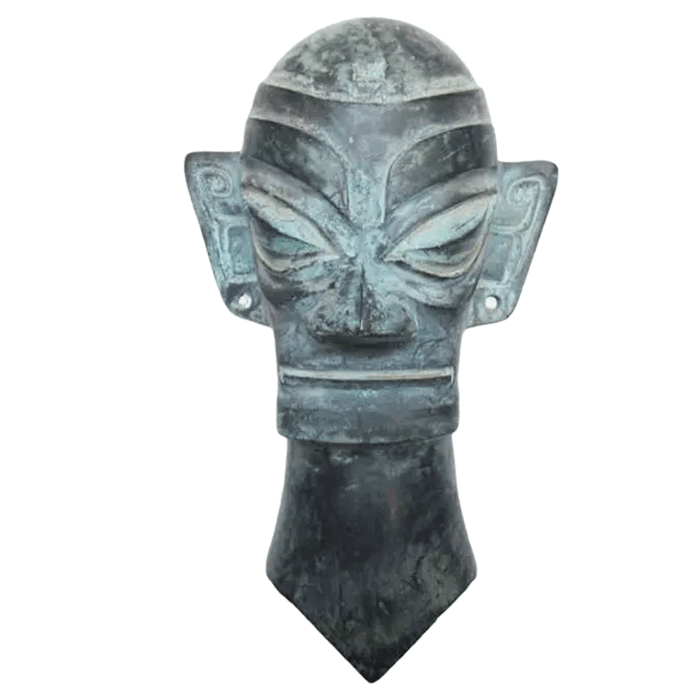
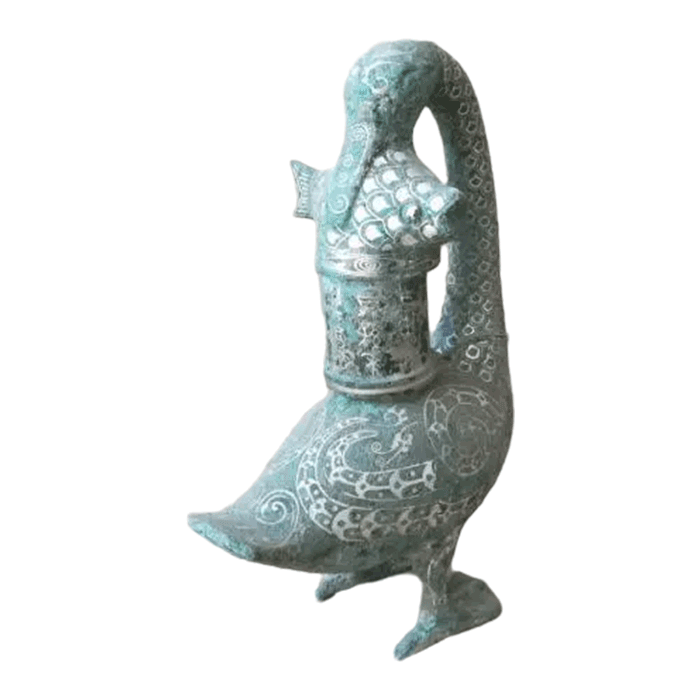
Bronze Replica Manufacturing Service Guide
Choose a Bronze replica manufacturing service by evaluating craftsmanship, control, and export readiness.
Choosing the right manufacturing partner for bronze replicas is an important commercial decision for importers, licensors, museum-store buyers, décor brands, wholesalers, and project purchasers. A bronze replica may be based on an antique artifact, a licensed artwork, a historical vessel, a sculpture, or an original product concept. In every case, the supplier must do more than produce a metal object. The manufacturer needs to understand the reference, translate design requirements into a castable form, manage finishing details, protect the product during shipping, and maintain reliable communication throughout the order.
Price is naturally a major consideration, but it should not be the only selection factor. A low quotation may not reflect the full requirements of your product, such as alloy quality, mold preparation, sculpture detailing, hand finishing, patina consistency, packing protection, or pre-shipment inspection. Buyers who compare manufacturers systematically are more likely to receive replicas that fit their intended market, collection, brand standards, and delivery expectations.
This guide explains the practical questions to ask before requesting samples or quotations. It is designed for buyers sourcing bronze sculptures, vessels, mirrors, incense burners, Buddhist statues, decorative objects, and custom bronze artworks.
What a Bronze replica manufacturing service should demonstrate
A capable supplier should be able to explain how it will move from your reference material to the finished bronze piece. The process may vary according to the product’s scale, geometry, surface detail, and intended finish, but the supplier should communicate the manufacturing route clearly before production begins.
For detailed art pieces, the traditional lost-wax casting method is an important capability to assess. This method can support complex forms, layered relief patterns, sculptural texture, inscriptions, handles, animal figures, and other fine elements found in historical or artistic bronze designs. It is particularly relevant when a replica must preserve visual depth rather than merely approximate an outline.
Ask the supplier how it manages the following production stages:
- Reviewing photographs, drawings, dimensions, scans, or physical samples.
- Confirming the intended size, scale ratio, weight range, and visual orientation.
- Creating or adapting a master model for casting.
- Making molds suitable for the design and production quantity.
- Casting with an appropriate bronze alloy.
- Removing gates, seams, and casting residues.
- Hand chasing surface details after casting.
- Polishing, texturing, and applying the requested patina.
- Inspecting the piece before packing and shipment.
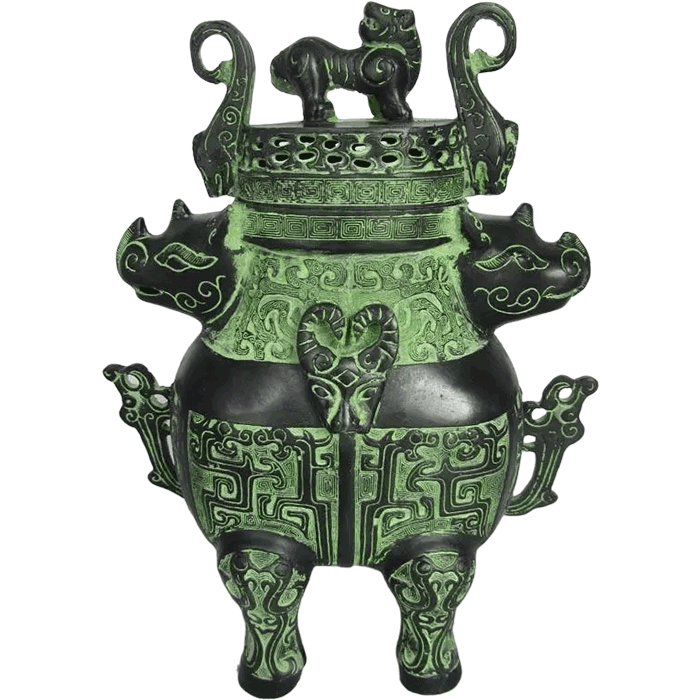
The best response is not necessarily the shortest one. A useful manufacturer answer should identify which steps are relevant to your product and where approval points may be needed. For example, an antique-style zun vase with raised patterns may require different finishing attention from a smooth modern figurative sculpture. A Buddhist statue with a detailed facial expression, robe folds, or symbolic accessories requires careful review of casting and hand-finishing details.
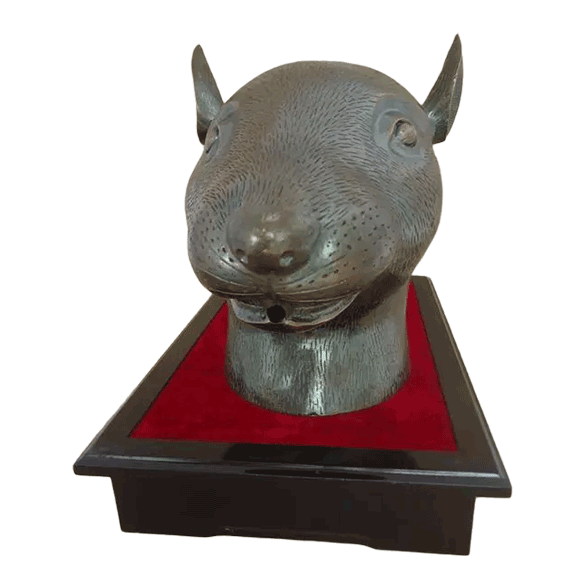
Start with the reference material and replication standard
Before comparing quotations, define what “replica” means for your specific project. Some buyers need a faithful reproduction of an existing object. Others need an inspired adaptation that retains certain features while changing dimensions, ornamentation, mounting methods, or finish. Licensors may need a product that follows approved artwork and protected design details. Décor buyers may prioritize visual character, durability, and product consistency across a collection.
Provide the clearest possible reference package. Useful materials can include high-resolution images from multiple angles, measured drawings, CAD files, 3D scans, clay models, sketches, artwork files, desired dimensions, target weight, finish references, and packaging requirements. If you only have photographs, identify known measurements within the image so the supplier can estimate proportions more accurately.
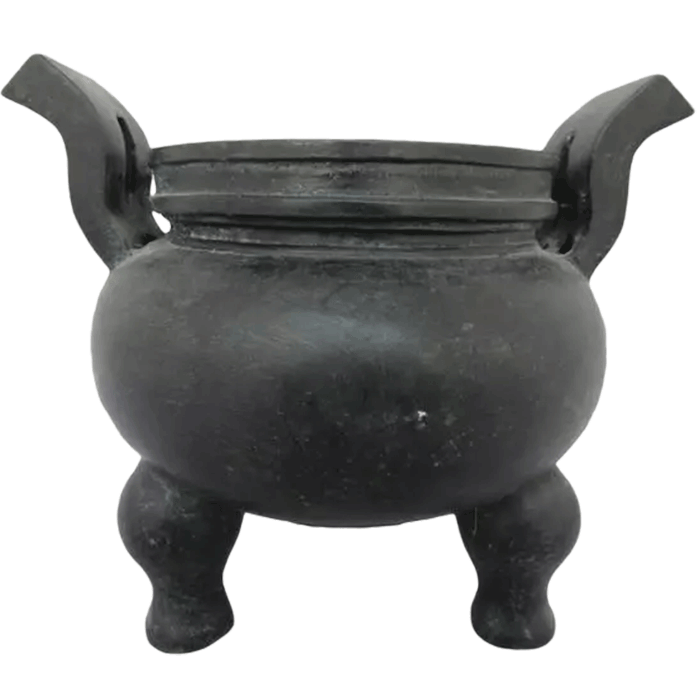
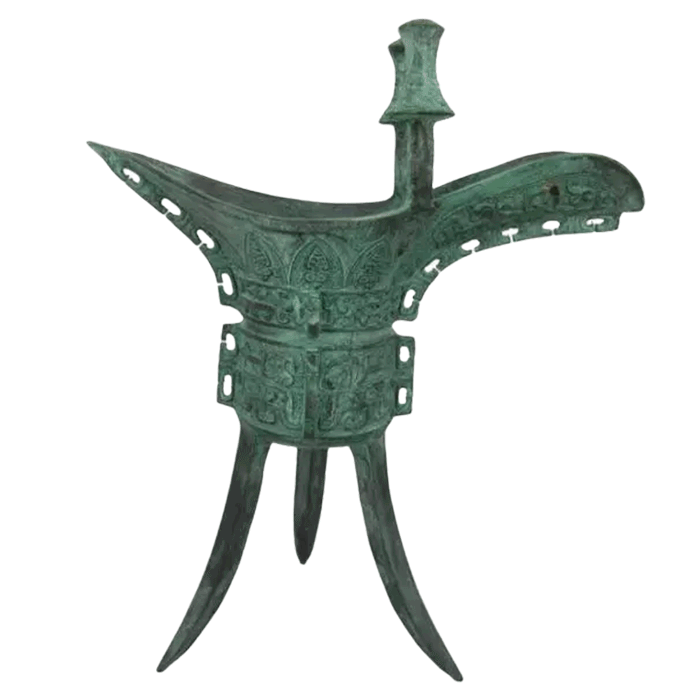
For historical designs, it is useful to research the original object’s structure and decorative language. Buyers developing ancient-style vessel collections may find product context in this overview of several bronze wares. Understanding whether an object is a ding, zun, hu, tripod, mirror, or incense vessel can help a buyer specify its intended characteristics more precisely.
Define the replication standard in writing. Consider including the following points in your request for quotation:
- Dimensions: State overall height, width, depth, opening diameter, base size, and wall thickness where relevant.
- Scale: Confirm whether the item is full-size, reduced, enlarged, or proportionally adjusted.
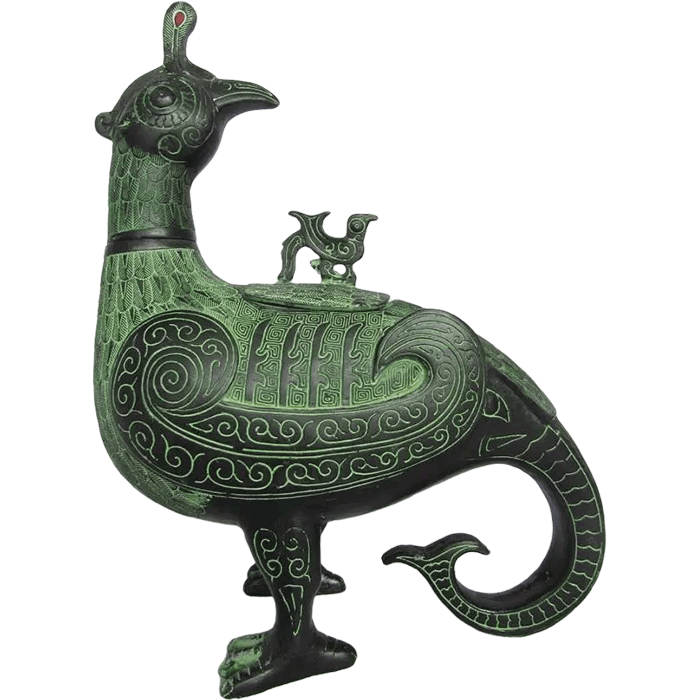
- Surface detail: Identify inscriptions, taotie patterns, facial features, feather textures, robe folds, decorative borders, or relief motifs that must be retained.
- Finish: Specify antique, dark brown, green, black, warm golden brown, polished, matte, or another agreed visual direction.
- Functional requirements: Clarify whether a vessel is decorative only or intended to hold flowers, incense, or another item.
- Display configuration: Note whether the product needs a plinth, wall mounting point, hanging hardware, or a separate base.
- Allowed variation: Explain which handmade variations are acceptable and which features require closer matching.
Exact replication is especially dependent on reference quality and approval communication. A supplier cannot reliably match unseen details, unclear scale information, or an undefined finish expectation. Clear inputs help reduce revision cycles and allow both parties to discuss feasibility before molds and production resources are committed.
Evaluate alloy, casting method, and finishing capability
Bronze is not a single, uniform material specification. Buyers should ask what alloy is proposed and why it suits the intended product. Luoyang Yichuan Bronze Craft Co., Ltd. uses premium Cu-Sn bronze alloy for bronze art pieces and applies traditional lost-wax casting for detailed work. For buyers, this information matters because the selected material and process influence castability, surface appearance, strength, finishing behavior, and the overall character of the product.
It is also helpful to understand the basic distinction between bronze and brass when discussing a project with different suppliers. This article on bronze and brass differences can support more informed material discussions. Ask the supplier to state the proposed material in the quotation instead of using general wording alone.
After casting, the finishing stage strongly affects perceived value. Hand chasing can refine cast details, correct small surface irregularities, and sharpen visual definition. Polishing can range from soft and restrained to highly reflective. Patina finishing can create an antique or modern appearance, but buyers should recognize that patina is a visual process requiring sample confirmation and controlled workmanship.
When comparing suppliers, ask how they manage patina matching across multiple pieces. A manufacturer should understand the requested color direction, surface tone, highlights, recessed areas, and overall level of aging or uniformity. If your project requires repeat orders, retain approved physical samples, color reference images, and written finish notes. These materials create a more reliable benchmark for future production.
For antique-inspired collections, the intended finish should complement the original design rather than hide it. For example, a dark patina may emphasize raised patterns on a ritual vessel, while a selectively highlighted finish may better show the contours of an animal sculpture. Buyers sourcing display pieces based on historic Chinese works may also explore the cultural references behind a Houmuwu square cauldron before defining the look of an antique-style ding replica.
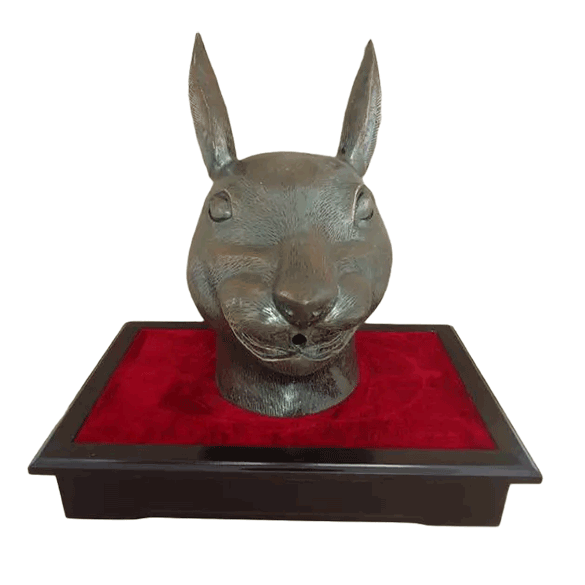
Review customization capacity before discussing volume
A supplier’s ability to support customization is important for buyers whose requirements differ from standard catalog products. Custom work may involve changing a sculpture’s size, adjusting a vessel’s decorative elements, adding an inscription, creating a branded base, revising a mirror pattern, or developing a completely new artwork from supplied drawings or models.
Ask whether the manufacturer can support your order from prototype development through bulk production. Luoyang Yichuan Bronze Craft Co., Ltd. supports projects from a single custom prototype to bulk production runs, with custom sculpture MOQ beginning at one piece. Bulk order terms can be discussed according to product size and design complexity. This flexibility can be valuable when buyers need to approve a physical piece before planning a larger purchase.
However, prototype and production units should be reviewed carefully. A prototype may reveal opportunities to refine scale, texture, patina, or packaging before a full order proceeds. Confirm whether the prototype will be used as the approved production reference and whether any changes must be documented in an updated specification.
A practical evaluation framework is shown below:
| Evaluation Area | Questions for the Manufacturer | Why It Matters |
|---|---|---|
| Design intake | What files, images, or samples are needed for assessment? | Clear inputs help confirm whether the requested form can be reproduced accurately. |
| Prototype support | Can a custom sample be made before bulk production? | A sample provides a practical checkpoint for form, finish, and details. |
| Size range | How does scale affect mold preparation, casting, and packing? | Large or delicate works may require different production and export handling. |
| Finish matching | How will the approved patina be documented? | Written and physical references help maintain visual consistency. |
| Order quantity | What MOQ applies to the design and planned production run? | MOQ can vary according to complexity, dimensions, and customization requirements. |
| Revision process | When can changes be made, and how will they affect the project? | Defined approval stages reduce avoidable misunderstandings. |
For a project involving figures, decorative animals, or themed collections, reviewing available bronze statue themes can help buyers organize their requirements by subject, scale, style, and display context. The important point is to ensure that your requested customization is recorded as a product specification rather than left only in informal messages.
Assess quality management, inspection, and defect handling
Bronze art manufacturing includes many manual stages, so quality control should be discussed in practical terms. Buyers should ask what the manufacturer checks before shipment and how nonconforming issues are addressed. Inspection should consider casting quality, visible surface condition, sharpness of required details, structural stability, finish appearance, dimensions, accessories, and packing condition.
Luoyang Yichuan Bronze Craft Co., Ltd. operates under an ISO 9001 quality management system and states that its products comply with export quality inspection standards for art crafts. Quality inspection is carried out before every shipment. The company also provides free replacement for casting defects and after-sales support for patina touch-ups and restoration guidance.
When reviewing this area with any supplier, avoid vague questions such as “Do you have good quality?” Instead, ask specific questions:
- Which product features are inspected before shipment?
- How are dimensions checked against the approved specification?
- How are casting defects identified and handled?
- Can the buyer receive inspection photos before final packing?
- How is the approved patina compared with finished pieces?
- What support is available if a finish requires touch-up after delivery?
- How are fragile projections, handles, bases, or removable parts protected?
Clear defect definitions are particularly important for replicas. A small variation may be acceptable in a handmade patina, while a missing relief detail, unstable base, crack, or serious casting flaw may not be acceptable. Buyers should establish these distinctions before production, especially for licensed items, collection pieces, or premium retail products.
Confirm export packaging and communication practices
Even a well-made bronze piece can be damaged if it is not packed according to its shape, weight, and fragile features. Sculptures may have extended limbs, delicate accessories, narrow bases, or projecting decorative elements. Vessels may have handles, feet, lids, or raised ornaments that require targeted protection. Export packing should be considered during the quotation stage, not after production is complete.
Ask the manufacturer how it plans to protect the exact product you are sourcing. The answer should account for individual wrapping, internal support, cushioning, carton strength, wooden-crate requirements where applicable, labeling, and handling instructions. Luoyang Yichuan Bronze Craft Co., Ltd. provides export-compliant protective packaging for fragile sculptures, addressing a common concern for overseas buyers of cast art pieces.
Communication is equally important. A reliable manufacturing partner should be able to confirm product specifications, identify missing information, explain approval points, and provide updates appropriate to the project. The manufacturer’s production capability can also influence its ability to handle different project sizes. Luoyang Yichuan Bronze Craft Co., Ltd. is located in Yichuan County, Luoyang, Henan Province, with a 3,000-square-meter production area, annual output exceeding 50,000 bronze art pieces, and more than 30 skilled craftsmen, including bronze-casting masters and finishing artisans.
Buyers may also wish to understand the supplier behind the quotation by reviewing information about Sculpmart. This can help procurement teams create a more complete supplier comparison that considers manufacturing background alongside product specifications.
Use a structured supplier comparison before placing an order
When multiple manufacturers are under consideration, compare them using the same written brief. This approach makes quotations easier to evaluate and prevents one supplier from quoting a simplified version of the product while another includes more complete requirements.
Your comparison sheet can include material, casting method, prototype option, lead-time discussion, MOQ, finishing requirements, inspection process, defect policy, packaging method, payment terms, shipping terms, and communication response quality. Keep the evaluation focused on evidence supplied by the manufacturer rather than assumptions based on price alone.
A Bronze replica manufacturing service should be selected according to the level of detail, customization, finish control, and export protection your product requires. For a simple decorative item, the priorities may be different from those of a museum-inspired vessel, licensed sculpture, or large display artwork. The key is to define the standard first and then choose the supplier whose process is suited to meeting it.
For buyers ready to develop an original piece, the option to customize a bronze sculpture can provide a starting point for sharing artwork, dimensions, and finishing expectations. A clear request for quotation, supported by reference images and written approval criteria, gives both buyer and manufacturer the strongest foundation for a successful bronze replica project.