Bronze Chime Bells replica Tuning Guide
How a Bronze Chime Bells replica Is Tuned for Display or Performance
Bronze chime bells are among the most technically demanding forms of historical metalwork to reproduce. For museums, cultural centers, universities, and performance organizations, the central commissioning question is not simply whether a bell set can resemble an archaeological original. It is whether the reproduction needs to create audible pitches, demonstrate historical acoustic principles, or function as a visual-only exhibit.
A playable bell project requires earlier technical evaluation than a static display commission. The bell profile, wall thickness, alloy behavior, hanging method, striking position, target pitch range, and tonal consistency all affect the outcome. A visually accurate bell can produce an unstable or unsuitable tone if acoustic requirements are not incorporated into the design from the beginning. Conversely, aggressive tuning changes can alter surface detail or historical proportions if appearance requirements are not clearly prioritized.
Luoyang Yichuan Bronze Craft Co., Ltd. supports custom bronze artwork projects from a single prototype onward. With a 3,000-square-meter production area and more than 30 skilled craftsmen, including bronze-casting masters and finishing artisans, the company can assist buyers in evaluating whether a bell reproduction should be ornamental, demonstrative, or playable before production begins.
Why Chime Bell Tuning Begins Before Casting
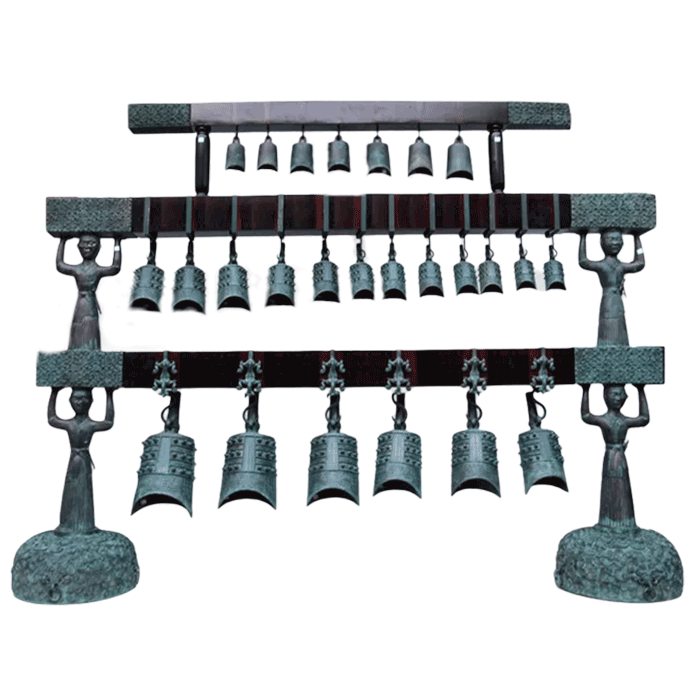
Traditional Chinese chime bells are not shaped like ordinary round bells. Many historical examples have a flattened, almond-like or lens-shaped body, often with a distinctive mouth profile. This geometry is important because it can create different vibrational behaviors at different striking points. In historical bell systems, the relationship between shape, wall thickness, and striking location contributed to the musical character of the instrument.
For a modern reproduction, tuning is not normally a final adjustment made after a completed decorative casting has been delivered. It begins with the technical brief. Buyers should identify whether the project requires:
- A visual replica with historically inspired proportions and patina;
- A display bell that may be lightly struck for educational demonstrations;
- A playable bell designed around a specified pitch or pitch range;
- A multi-bell installation intended to perform selected notes or musical sequences;
- A replica that reproduces a known historical form while balancing visual and acoustic requirements.
The clearer this purpose is, the more effectively the bell dimensions can be planned. A museum may prioritize surface fidelity, inscriptions, decorative bosses, and conservation-style presentation. A cultural center may need a durable demonstration set that visitors or educators can use under supervision. A performance buyer may place greater emphasis on pitch relationships, repeatability, suspension design, and suitable mallets.
Historical context is also useful during specification. Buyers researching period forms and musical background may consult ancient Chinese bronze musical instruments when preparing a curatorial or educational brief. Reference images, measured drawings, archaeological catalog information, and intended installation conditions should be shared before a final production plan is confirmed.
What Determines the Pitch of a Bronze Bell
A bell’s sound is created by vibration. When struck, the bronze body vibrates in several modes at the same time. The listener hears a combination of frequencies, including the dominant perceived pitch and additional partial tones. In a chime bell, the profile is intentionally more complex than a simple circular bell, so the tonal result depends on several interacting factors rather than one measurement alone.
Bell geometry and profile
The exterior contour and interior cavity strongly influence vibration. Changes to the upper body, shoulder, waist, mouth, and side profile can affect how the bell responds when struck. Even small differences in the curvature of these areas may alter the relationship between modes of vibration. For this reason, a reference bell should be measured in more than overall height and width whenever practical.
Wall thickness distribution
Thickness is one of the most important tuning variables. A thicker section generally behaves differently from a thinner section, but tuning cannot be reduced to the rule that more metal automatically means a lower or higher note. The location of the metal matters. Thickness near the rim, shoulder, or strike zone may influence the bell differently because each area participates differently in vibration.
For playable work, the desired thickness distribution should be considered during wax-pattern preparation and mold planning. Removing a significant amount of material after casting can affect decorative relief, inscriptions, and historic surface character. Therefore, buyers seeking both acoustic performance and close visual replication should expect an iterative development process rather than a purely decorative reproduction workflow.
Bronze alloy and material consistency
Bronze composition affects density, stiffness, casting behavior, and sound response. Luoyang Yichuan Bronze Craft Co., Ltd. uses premium Cu-Sn bronze alloy and traditional lost-wax casting for bronze art pieces. For a bell project, maintaining material consistency across a set helps reduce avoidable variation between castings.
However, alloy selection alone does not guarantee a particular musical result. Geometry, thickness, casting quality, and finishing work remain essential. A supplier should assess the complete design rather than promise a pitch outcome solely from the alloy name. Buyers comparing materials may also find it useful to review bronze and brass differences before determining the visual and functional priorities of a commission.
Strike position and suspension
The same bell can sound different depending on where it is struck. A historical chime bell may have designated strike areas on the front, side, or lower body. The striker material, striker weight, and force of impact also influence the audible result. A bell designed to sound acceptable under a controlled test may not perform the same way when struck with an unsuitable mallet.
Suspension is equally important. If the bell is clamped or supported at a point that restricts vibration, the sound may become shorter, quieter, or less stable. A performance-oriented installation should therefore define the hanging hardware, frame arrangement, clearance between bells, and permitted striking method as part of the technical scope.
How a Bronze Chime Bells replica Is Tested and Adjusted
The tuning process generally combines physical measurement, trial striking, listening evaluation, and comparison against the project’s target specification. For a single display bell, this may involve confirming that the bell produces a clear, satisfactory sound when struck. For a musical set, each bell must also be assessed in relation to the intended pitches of the other bells.
- Review the target: Confirm whether the goal is visual authenticity, a demonstrable tone, a defined pitch, or a complete playable arrangement.
- Study the reference form: Gather dimensions, photographs, decorative details, inscription information, and known acoustic observations where available.
- Develop the casting design: Plan the wax model, wall thickness, decorative elements, suspension features, and intended strike areas.
- Cast and finish the bell: Use lost-wax casting, followed by hand chasing, surface correction, polishing, or patina work as required by the design.
- Conduct initial sound testing: Strike the bell at defined locations using suitable test tools and document the perceived tone, sustain, and response.
- Make controlled adjustments where appropriate: If the project allows, small and carefully selected material adjustments may be considered. The extent of adjustment depends on the bell design and visual requirements.
- Re-test and document: Repeat acoustic checks after any approved modification and verify the final appearance, structural condition, and surface finish.
Material removal is a sensitive stage. It should be approached conservatively because it is difficult to reverse. A tuning adjustment may involve controlled work in selected interior or non-decorative areas, but the suitable method depends on the bell shape and the required degree of historical fidelity. If a commission requires exact replication of antique bronze details, the buyer should decide in advance whether visual accuracy has priority over narrow pitch tolerance.
For multi-bell projects, a prototype is particularly valuable. Luoyang Yichuan Bronze Craft Co., Ltd. accepts custom sculpture and artwork orders from one piece, allowing buyers to evaluate a sample bell before committing to a larger arrangement. This can help a museum or cultural organization confirm the preferred scale, patina, mounting method, and sound expectations early in the process.
Display Replicas and Playable Replicas Need Different Specifications
Not every historical bell reproduction should be tuned to a precise musical standard. In many exhibition settings, the primary requirement is faithful form, stable installation, and a finish appropriate to the interpretive design. In this situation, the bell may be cast to reflect the reference object’s visual characteristics, while sound is treated as a secondary feature.
A playable commission requires more detailed documentation. The table below outlines the main differences buyers should address during inquiry.
| Project Requirement | Display-Focused Replica | Playable Bell Project |
|---|---|---|
| Primary objective | Historical appearance and exhibit presentation | Audible performance with defined tonal expectations |
| Reference data | Photos, dimensions, decorative details, patina reference | All display data plus pitch targets, strike points, and installation information |
| Wall thickness planning | Focused mainly on structure and visual replication | Planned as an acoustic and structural variable |
| Finishing priority | Patina, inscriptions, relief details, and display quality | Finish balanced with permitted acoustic adjustment areas |
| Testing | Visual, dimensional, and structural inspection | Visual inspection plus controlled strike and tonal assessment |
For educational installations, it may be practical to define a limited use condition rather than treating the bell as a concert instrument. For example, the brief can specify supervised demonstrations with designated mallets, controlled striking locations, and a display frame engineered to reduce accidental impact. This approach can protect the replica while still allowing visitors to experience the relationship between bronze form and sound.
Questions Buyers Should Ask Before Commissioning
A well-prepared inquiry reduces revisions and helps align casting, finishing, and acoustic expectations. Before requesting a quotation or prototype, buyers should consider the following questions:
- Is the bell for permanent display, education, recording, ceremonial use, or performance?
- Is a clear audible tone sufficient, or is a specified musical pitch required?
- Will the bell be one object, a small group, or a complete chime-bell arrangement?
- Does the buyer have measured drawings, reference photographs, scans, or museum documentation?
- Which details are non-negotiable: dimensions, inscriptions, boss patterns, color, surface aging, or pitch?
- What type of frame, suspension hardware, striker, and operating environment will be used?
- Are there export, packaging, installation, or handling requirements for the final destination?
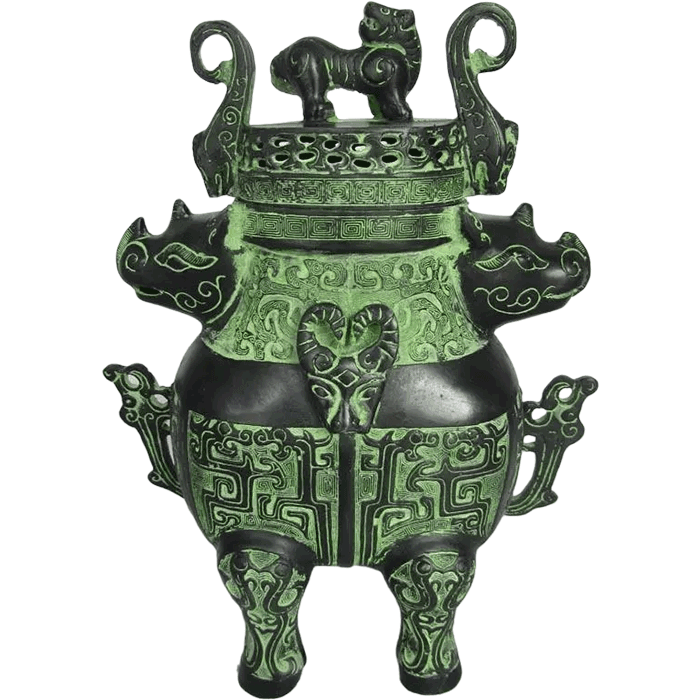
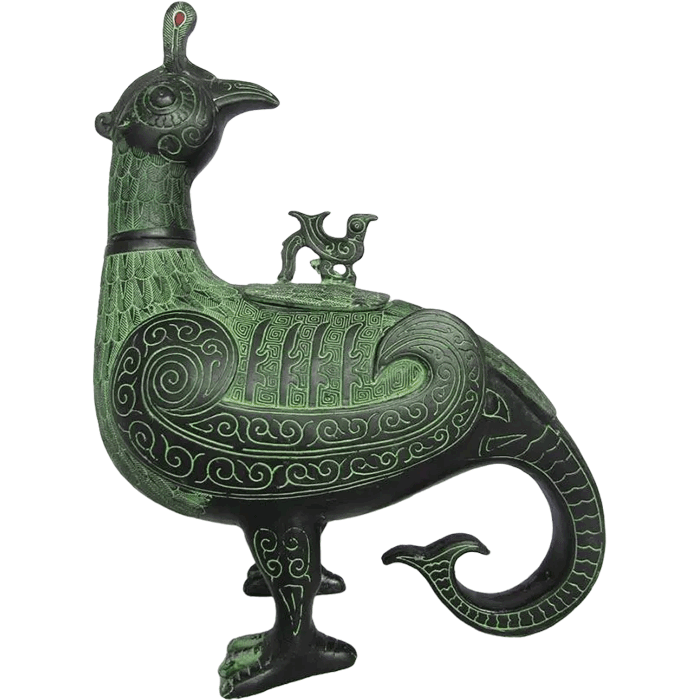
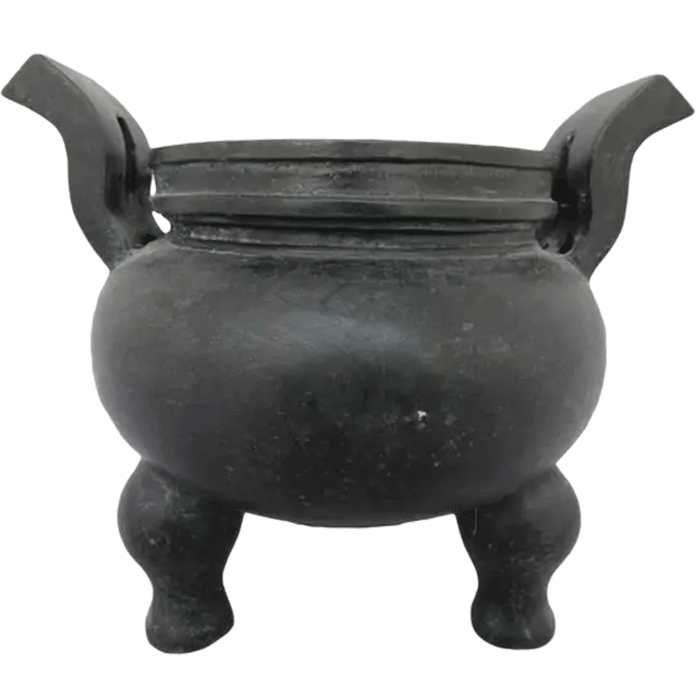
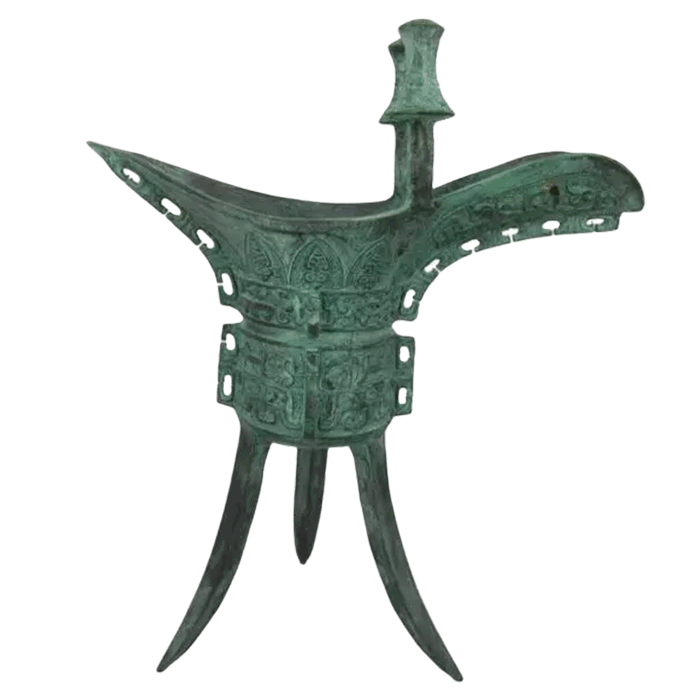
For collections or cultural projects involving other historical forms, suppliers can also coordinate visual continuity among bells, vessels, mirrors, incense burners, and sculpture. Buyers exploring complementary artifacts may review Chinese bronze sculpture to consider how a chime-bell installation can relate to a broader bronze-themed exhibit.
Production Quality, Patina, and Delivery Considerations
Acoustic evaluation is only one part of a successful bell commission. The casting must also meet expectations for appearance, durability, handling, and export preparation. Luoyang Yichuan Bronze Craft Co., Ltd. operates under an ISO 9001 quality management system, and its art-craft products comply with export quality inspection standards. Quality inspection is conducted before every shipment.
For historical display work, hand chasing can refine cast details, while polishing and patina finishing can support antique or modern presentation requirements. Patina should be approved with the intended display environment in mind, because lighting, humidity, handling frequency, and adjacent materials can influence how a surface is perceived over time. The company also provides after-sales support for patina touch-ups and restoration guidance, which can be useful for institutions planning long-term displays.
Protective packaging should be specified according to bell size, weight, projecting details, and installation hardware. Fragile decorative components and finished surfaces need appropriate protection during export transport. Where a project includes several bells, buyers should request clear identification and packing organization so that installation teams can match each bell to the correct position in the frame.
A carefully planned reproduction is more likely to satisfy both curatorial and functional goals. By deciding early whether the commission is visual, educational, or performance-oriented, buyers can give the foundry the information needed to balance historical form, bronze casting, surface finish, and acoustic response. For a custom bronze chime-bell project, an early prototype and technical discussion are the most reliable starting points.