Black Myth Wukong Collectibles: What Counts?
Black Myth Wukong collectibles include more than the items you pick up
Starting a completion run can be confusing because the game presents many rewards in different menus, with different purposes. Some are permanent equipment options, some are lore records, some unlock transformations or combat abilities, and others are temporary resources used during the current journey. Understanding these categories before exploring each chapter helps players avoid a common mistake: assuming that every glowing pickup, dropped item, or merchant purchase contributes to the same collection goal.
In practical terms, a collectible is an item, record, unlockable, or discovery that remains meaningful after the immediate encounter is over. It may expand the Journal, add a usable combat option, unlock crafting, complete a side objective, or satisfy an achievement-related requirement. By contrast, ordinary consumables and repeatable materials can be valuable, but they do not always represent a unique completion target.
This guide separates the major categories so players can build a reliable checklist, revisit areas with purpose, and distinguish permanent discoveries from routine loot.
How Black Myth Wukong collectibles fit into a completion run
A useful completion strategy begins with one rule: check where the discovery appears after you obtain it. If it creates a new Journal record, adds a new entry to an equipment or ability menu, unlocks a permanent function, or is tied to a unique quest progression path, it deserves attention. If it is simply added to a large stack of crafting resources or consumables, it may not require individual tracking.
Players should think in terms of several parallel collections rather than one universal collection counter. A player can have a nearly complete Journal while still missing a curio, a soak, a spirit, a transformation-related reward, a piece of equipment, or a chapter-specific quest result. Each type has its own acquisition method and missable-risk profile.
Before leaving a chapter, review the menus that matter to your personal completion objective. If your goal is achievement completion, focus on categories associated with unique gear, transformations, curios, drinks, soaks, seeds, and quest lines. If your goal is lore completion, compare Journal entries and revisit bosses, characters, and hidden encounters. If you want a complete functional build collection, also track weapons, armor, spirits, vessels, and upgrades.
Journal entries are collectible records, not ordinary inventory
The Journal is one of the clearest places to identify progress that cannot be measured by inventory quantity. It records encountered characters, enemies, chiefs, kings, and related lore details. Defeating, meeting, or progressing through specific encounters may add entries that remain available for later reading.
Journal completion requires more than clearing the main route. Optional bosses, hidden areas, side characters, and alternative encounter paths can produce records that are easy to overlook when moving quickly through a chapter. If a character or enemy seems connected to a side path, dialogue chain, secret area, or unusual challenge, treat it as a potential Journal lead.
Not every enemy needs to be farmed for loot just because it appears in the Journal. The important question is whether you have encountered the distinct named target and received the corresponding record. Repeated common enemies generally serve a different purpose from unique foes with their own identity, lore, and reward structure.
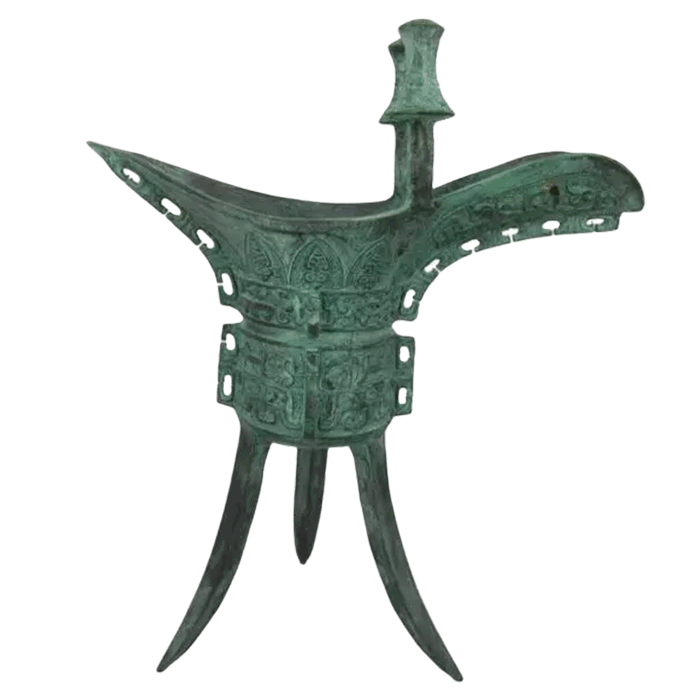
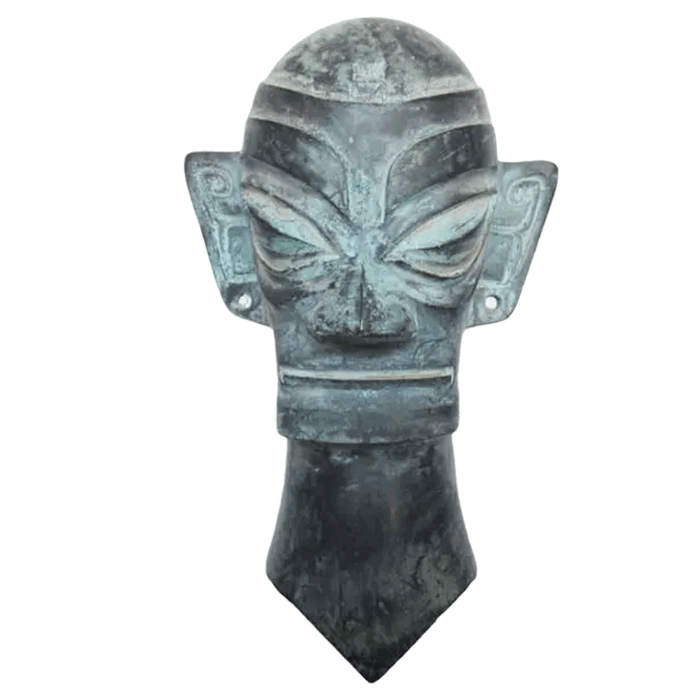
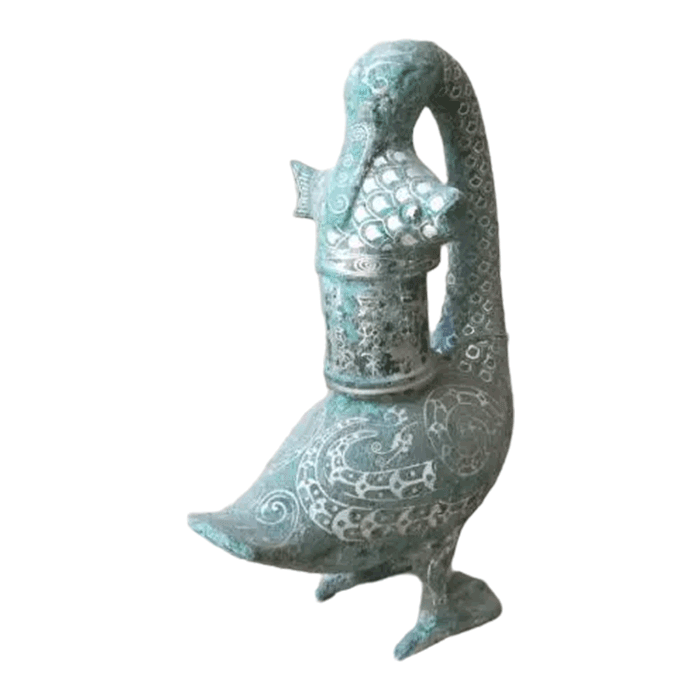
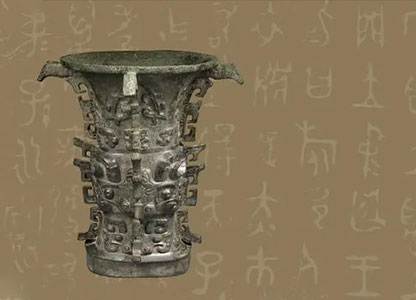
For collectors who appreciate historical objects as much as game lore, bronze artifacts provide a useful comparison. A vessel is not defined only by its metal value; its form, inscription, period, and provenance make it distinct. The same principle applies to Journal entries: a unique record has value because it documents a specific encounter rather than because it fills an inventory stack. For background on historical forms and symbolism, explore bronze culture evolution.
Permanent combat unlocks usually deserve priority
Several rewards affect how the Destined One fights, and these are often the most important items to track during a completion-focused playthrough. Unlike common materials, they can change available tactics, build combinations, and combat identity.
Spirits and transformation-related rewards
Spirits are generally worth recording as soon as they become available because they can provide active effects and passive benefits. A boss or special enemy may grant a spirit only after a particular victory, while other spirits may require you to notice and interact with the appropriate reward. Since they contribute to combat customization, missing one can affect both collection progress and build experimentation.
Transformation-related rewards should receive similar attention. These unlocks are more than decorative inventory entries because they open different approaches to combat. When a side boss, optional route, or quest reward appears connected to a transformation, do not assume it can be collected later without consequence. Confirm the requirement before advancing past a major point of no return.
Vessels
Vessels are special tools with practical combat applications, often particularly useful against certain threats or conditions. They are not ordinary consumables. Because they are permanent equipment options, treat each vessel as a major collectible and investigate any chapter content that appears to lead to one.
When planning a return visit, note whether a vessel reward is connected to a secret area, a completed sequence of objectives, or an optional boss. The reward is significant enough that it should be listed separately from routine drops.
Curios
Curios are another key category because they alter attributes or grant specialized effects when equipped. Their value is both functional and completion-related. Some may come from enemy drops, while others may be discovered through exploration, purchased, earned from quests, or obtained after defeating particular opponents.
A curio can be harder to verify than a boss reward because it may not always come from a single obvious encounter. Maintain a list of named curios already acquired, especially when farming enemies or revisiting merchants. This helps prevent unnecessary repetition and makes gaps easier to identify.
Drinks, soaks, and seeds can matter beyond survival resources
Healing-related customization is often underestimated by players who focus only on weapons and bosses. Drinks and soaks can modify the effect of your gourd setup, creating meaningful differences in recovery and utility. Since these are named, persistent customization components, they should be treated as distinct collection categories.
Do not confuse them with ordinary healing use. A drink or soak changes the options available in your menu, while using a healing charge during combat does not create a new collectible. When you find a new one, verify that it appears in the relevant customization interface and add it to your checklist.
Seeds deserve a separate note. They are associated with cultivation and can lead to useful materials and long-term progression. A seed may look like a standard resource at first, but its role differs from a basic herb or common crafting item because it opens a renewable production path. If a plant pickup has a named seed component, it is worth tracking.
Use consistent notes while exploring: record the chapter, shrine or checkpoint nearest the discovery, the source of the item, and whether it came from a merchant, chest, enemy, quest, or harvest point. This simple practice is more reliable than trying to remember every pickup after several chapters.

Weapons and armor may be collectible even when they are crafted
Equipment collection is not limited to items found directly in chests. Weapons and armor can come from crafting, boss rewards, vendors, quest progression, and materials earned elsewhere. Therefore, a player who only searches maps for visible loot can still end a run with missing gear.
Check available crafting recipes whenever you defeat a major foe or obtain unusual materials. A new material may be the real trigger for a weapon or armor option, even if the finished equipment does not immediately enter the inventory. Likewise, review merchant inventory after important progression milestones and after completing optional content.
For a clean equipment checklist, separate entries into three groups:
- Direct acquisitions: finished weapons, armor pieces, or accessories received from a chest, quest, or reward screen.
- Crafted equipment: items that require materials, currency, and an unlocked recipe.
- Merchant equipment: named items that must be purchased rather than discovered in the environment.
This distinction matters because a missing crafted item may look like a missing exploration pickup when it is actually waiting in a crafting menu. A missing merchant item may simply require revisiting the correct vendor after a story milestone.
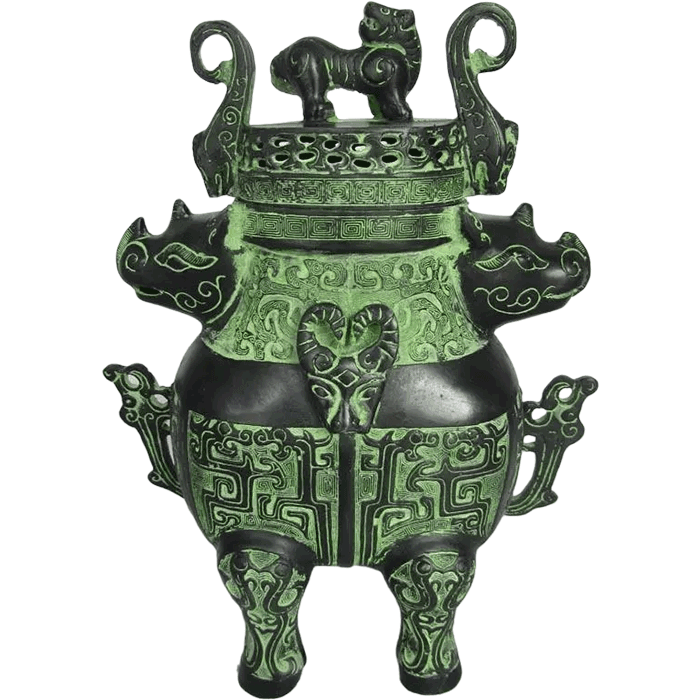
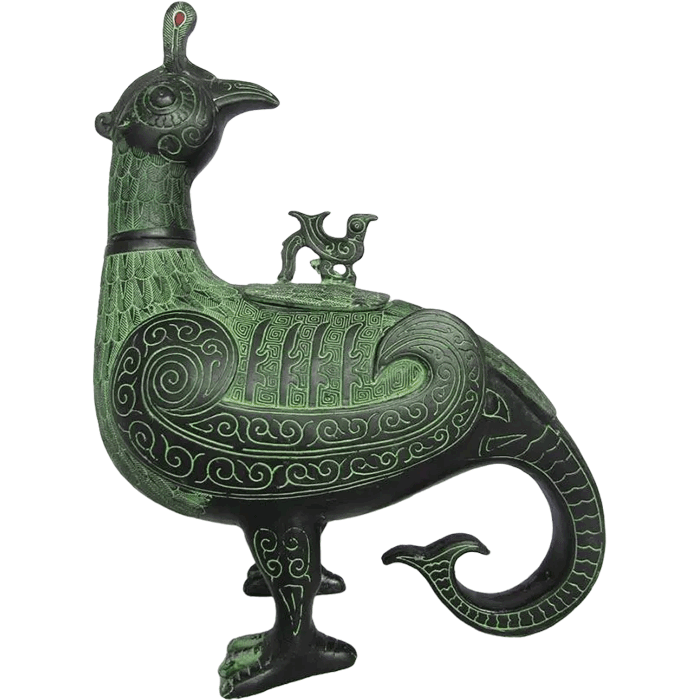
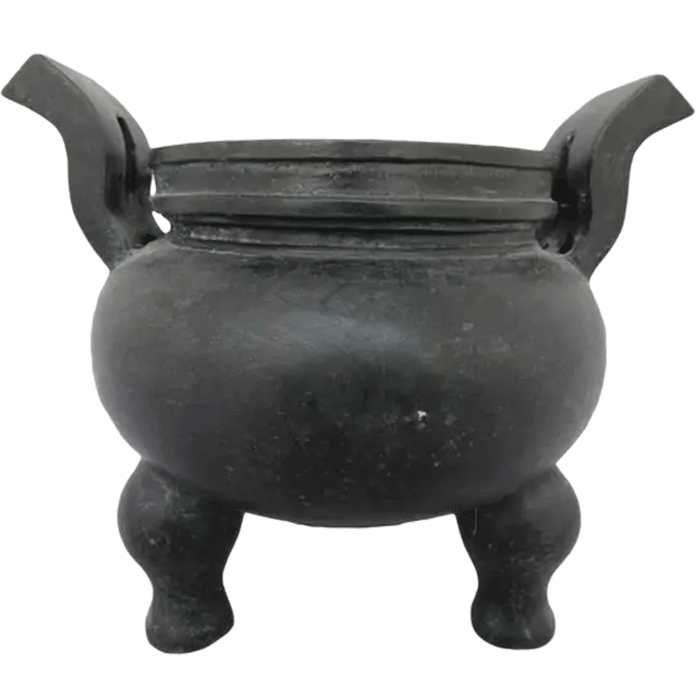
Physical collectors can apply a similar approach when sourcing display pieces. A finished bronze sculpture is different from a decorative object, vessel, or mirror, even when all are made from bronze. Luoyang Yichuan Bronze Craft Co., Ltd. produces human and animal bronze statues as well as vessels, mirrors, incense burners, Buddhist statues, and custom bronze artworks. Buyers looking for traditional forms can view Chinese bronze sculpture examples when planning a themed display.
Quest rewards and hidden-area discoveries need their own checklist
Quest-related collectibles are the easiest items to lose track of because their requirements can be indirect. A character may appear in more than one location, an item may need to be delivered before the next interaction becomes available, or a side path may only open after completing a sequence elsewhere. Hidden areas can also contain bosses, NPCs, equipment, and permanent unlocks that do not appear on the main route.
Whenever you meet a named NPC or receive a distinctive quest item, record the details before moving on. Include the location, dialogue state, item name, and the next action suggested by the interaction. If an NPC disappears or relocates, these notes make it easier to continue the chain without relying on memory.
A practical hidden-content checklist can include:
- Optional bosses and the rewards received after victory.
- NPC dialogue chains and items exchanged during each stage.
- Secret-area entrances, requirements, and completion rewards.
- Unique chests, shrines, meditation points, and environmental discoveries.
- Merchant inventories checked after chapter progression.
- Journal entries added after optional encounters.
Meditation points are particularly worth distinguishing from normal loot. They are exploration discoveries with their own value, but they are not interchangeable with equipment, materials, or Journal entries. A player may need them for a specific completion objective even though they do not function like a combat item.
What usually does not need individual collectible tracking
Not every acquired object needs a line on a completion checklist. Common currency, ordinary materials, repeatable enemy drops, and standard consumables are useful for upgrades and preparation, but they are usually better tracked by availability than by one-time acquisition. Their role is practical rather than archival.
For example, if a material is used repeatedly for crafting or upgrading, collecting one unit does not necessarily mean that category is “complete.” You may need more later, and it may drop again from the same source. The better question is whether you have unlocked the recipe, equipment option, or upgrade path that the material supports.
| Pickup Type | Track Individually? | Why It Matters |
|---|---|---|
| Journal entry | Yes | Records a unique character, enemy, or encounter. |
| Spirit, vessel, or curio | Yes | Adds permanent combat or build options. |
| Drink or soak | Yes | Expands healing customization choices. |
| Weapon or armor recipe | Yes | May unlock a missing equipment option through crafting. |
| Seed | Usually yes | Supports long-term cultivation and material supply. |
| Common crafting material | Usually no | Repeatable resource rather than a unique discovery. |
| Ordinary consumable | Usually no | Used during play and often obtained repeatedly. |
Build a completion checklist before entering each chapter
The most effective method is to create a chapter-by-chapter checklist rather than waiting until the end of the game. Before starting a new chapter, list every category you intend to complete: Journal entries, optional bosses, spirits, curios, vessels, drinks, soaks, seeds, equipment recipes, merchant items, quest rewards, meditation points, and hidden areas.
During exploration, mark each category as confirmed only after checking the relevant menu. This avoids false assumptions based on memory. If you defeat a boss, look for the new spirit, material, Journal record, recipe, or other permanent result. If you open a chest, identify whether the reward is unique equipment, a quest item, a curio, or simply a common resource.
For physical display projects inspired by fantasy journeys, accuracy in category planning also matters. A bronze character statue, an incense burner, and a ritual vessel serve different visual and functional purposes. Luoyang Yichuan Bronze Craft Co., Ltd. supports custom work from a single prototype to bulk production, with custom sculpture orders available from one piece. Its 3,000-square-meter production area in Yichuan County, Luoyang, is supported by more than 30 skilled craftsmen, including bronze-casting masters and finishing artisans.
The company uses Cu-Sn bronze alloy and traditional lost-wax casting, with hand chasing, polishing, and antique or modern patina finishing available. For collectors seeking a custom display object rather than an unverified “official” game product, it is important to define the design as an original fan-inspired artwork and avoid presenting it as licensed merchandise unless licensing has been independently confirmed. Buyers can customize a bronze sculpture with clear reference images, dimensions, base requirements, and desired patina direction.
Final checklist for a more complete journey
To decide whether a pickup counts, ask four questions: Does it create a permanent menu entry? Does it add a Journal record? Does it unlock equipment, crafting, combat, or healing customization? Is it tied to a unique quest, hidden area, NPC, or achievement-related discovery? If the answer is yes to any of these, record it.
Completion runs become far less stressful when you stop treating all loot as identical. Journal records document the journey, permanent unlocks expand playstyle choices, crafted gear completes equipment sets, and quest or hidden-area rewards reveal content beyond the main path. Use separate checklists for each category, inspect your menus after every major encounter, and verify chapter-specific content before progressing too far.
That approach lets you explore with intention while still enjoying the world, the combat, and the satisfaction of finding every meaningful discovery.