Black Myth Wukong Collectibles That Improve Builds
Black Myth Wukong collectibles can improve a first-playthrough build when chosen with a clear combat purpose.
In Black Myth: Wukong, not every collectible deserves the same level of attention. Some items offer direct combat value, while others are primarily completion rewards, lore objects, cosmetic discoveries, or materials that become useful later. For players beginning their first journey, the best approach is to prioritize pickups that improve survivability, help overcome difficult bosses, strengthen a preferred attack pattern, or expand tactical options without consuming rare resources too early.
The most valuable build-enhancing discoveries generally fall into a few categories: Spirits, Curios, Vessels, drinks and soaks, permanent-stat medicines, and key cultivation materials. These systems work together. A Spirit can support defense or burst damage, a Curio can reinforce critical hits or stamina management, and a well-chosen Vessel can make a difficult elemental encounter much more manageable. The right combination depends on whether a player prefers aggressive staff pressure, charged heavy attacks, spell casting, mobility, survivability, or a balanced style.
Instead of upgrading every new option immediately, evaluate each discovery by asking one question: does this item solve a current combat problem? If it does, it is usually worth testing before investing scarce upgrade materials.
Which Black Myth Wukong collectibles offer the strongest practical value?
For an efficient first playthrough, players should usually give priority to collectibles that alter actual combat performance rather than simply adding to an inventory total. Spirits, Curios, and Vessels are particularly important because they can change how an encounter feels. A difficult boss may become more manageable through better damage resistance, a stronger opening attack, more useful spell timing, or protection against a specific environmental hazard.
Spirits: prioritize passives that match your immediate weakness
Spirits are among the most useful collectibles because they provide an activated ability and an equipped passive effect. They are not merely visual trophies. A good Spirit can complement a build even if the player does not use its transformation-like attack frequently. Before committing materials to upgrade one, compare both its active skill and its passive benefit.
The Wandering Wight Spirit is widely valued early because its active attack can deal meaningful damage and stagger pressure, while its equipped effect supports durability. This makes it a sensible first priority for players who are still learning enemy patterns and taking frequent hits. Its value comes from reliability rather than complexity: it supports a direct, balanced approach to combat.
Other Spirits can better suit specialized playstyles. A poison-focused option may have greater value for players who consistently apply status effects. Spirits that support critical-hit potential, Focus generation, damage output, or defensive play can be strong choices when they reinforce an established build direction. However, a powerful-sounding Spirit is not always the best investment if its passive does not support the player’s actual combat habits.
- For new players: favor durable Spirits with simple, dependable activated attacks.
- For aggressive melee builds: look for passives that reward attack pressure, critical hits, or Focus use.
- For spell-oriented builds: consider effects that work well with Immobilize, Cloud Step, A Pluck of Many, or other frequently used spells.
- For status-focused builds: prioritize Spirits that support poison, burn, shock, or other effects already used consistently.
Do not upgrade several Spirits at once during the early chapters. Pick one dependable general-use Spirit, then save materials until another option clearly fits a different boss or a new build plan. This avoids spreading resources across abilities that remain unused.
Curios: small passive bonuses can create large results
Curios are passive equipment pieces that reward careful build planning. Their effects may appear modest when read individually, but they become important when combined with armor bonuses, Spirits, medicines, and combat habits. A Curio that improves critical-hit chance, defense, stamina, damage reduction, or resistance can be valuable if it strengthens the part of the build used most often.
For a first playthrough, defensive and broadly useful Curios are often safer than highly conditional ones. An item that works in every encounter is typically more valuable than a specialized item that only performs under rare conditions. This is especially true before players have a deep collection and limited equipment slots.
When assessing a Curio, consider its opportunity cost. Equipping one means leaving another in storage. If a Curio improves a statistic that rarely affects your performance, it may be less useful than one that supports survival, stamina recovery, or consistent damage. A player relying on charged heavy attacks may value Focus-related benefits differently from a player using fast combos and evasive movement.
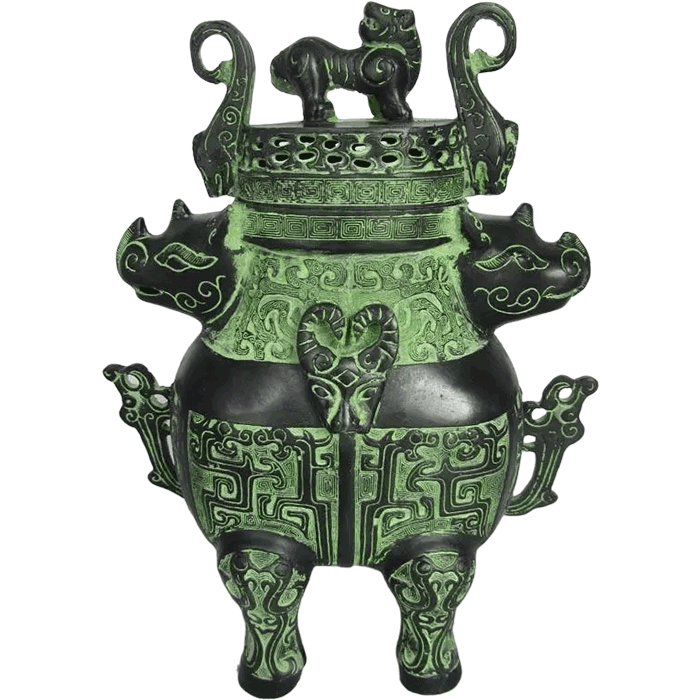
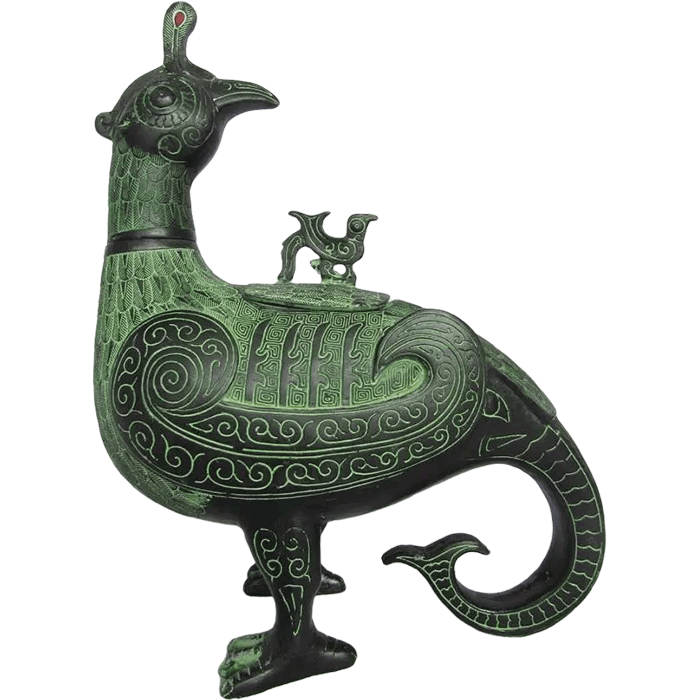
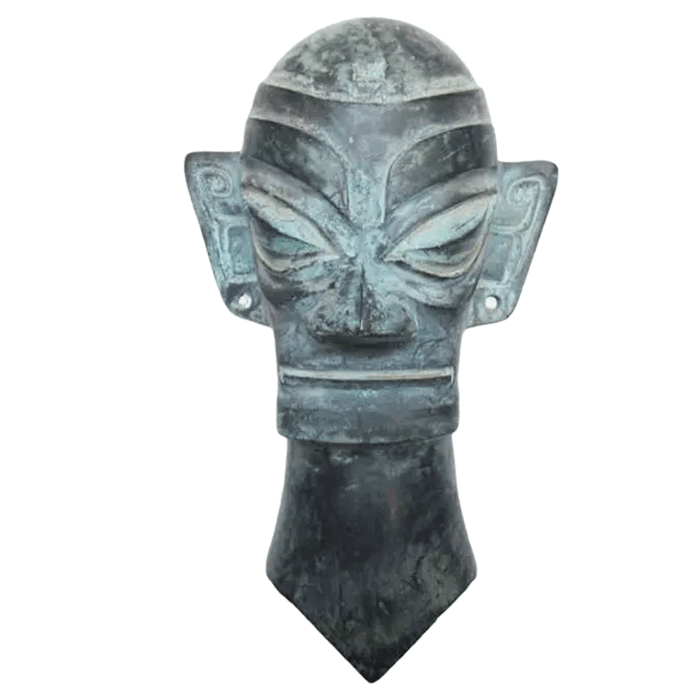
Curios also offer an enjoyable connection between in-game collecting and real-world appreciation of crafted objects. Collectors who enjoy the visual language of historical artifacts may also be interested in Chinese bronze sculpture, where surface treatment, symbolic detail, and silhouette shape contribute to the character of a finished artwork.
Vessels should be treated as encounter tools, not optional rewards
Vessels are some of the most important major collectibles because they can directly address specific boss mechanics and environmental threats. Unlike a minor numerical bonus, a Vessel may provide a tactical answer to a difficult encounter. Players should therefore explore thoroughly, complete relevant quest lines, and pay attention when an area suggests a particular elemental or environmental challenge.
The Fireproof Mantle is a clear example of a Vessel with practical value. Its protection against fire-related pressure can be highly useful in encounters where burning damage and fire attacks dominate the fight. Rather than trying to force a general-purpose build through every challenge, equipping the appropriate Vessel can reduce pressure and create more reliable openings for attacks.
The Wind Tamer is another notable example because it has strong relevance in wind-focused encounters. Its usefulness demonstrates an important first-playthrough lesson: some collectibles are powerful because of when they are used, not because they provide the highest permanent damage number. A Vessel that counters a central boss mechanic may be more valuable than a minor offensive upgrade.
Later Vessels can offer similarly meaningful tactical support. Players should avoid assuming that one Vessel must remain equipped forever. Change equipment before a major boss when the arena, enemy behavior, quest context, or elemental effects suggest a better choice.
| Collectible Type | Best First-Playthrough Use | Upgrade Priority |
|---|---|---|
| Spirit | Supporting defense, burst damage, status effects, or a preferred combat style | High for one frequently equipped Spirit |
| Curio | Adding passive bonuses that improve survivability, stamina, critical hits, or resistance | Moderate; test combinations before committing |
| Vessel | Countering boss mechanics and elemental threats | High when relevant to the current challenge |
| Drink and Soak | Improving healing utility and adding situational recovery effects | Moderate to high, depending on survival needs |
| Celestial Medicine | Creating permanent character-stat improvements | High when the selected stat supports the build |
Drinks, soaks, and gourd upgrades improve consistency between fights
Players sometimes focus entirely on weapons, armor, and flashy abilities while overlooking the healing system. This is a mistake during a first playthrough. Drinks and soaks can affect the usefulness of each gourd use, giving the player more flexibility during long boss fights and exploration-heavy sections.
A drink establishes the basic healing effect, while soaks can add secondary benefits. The best choice depends on what causes the most failed attempts. If a player is simply running out of healing, a more efficient or stronger restorative setup may be the answer. If a player is dealing with a recurring debuff, then a soak that supports resistance or recovery may provide greater value than a small increase in raw healing.
Gourd upgrades should generally be considered a safe investment because healing is useful in nearly every encounter. Unlike a highly specialized Spirit or Curio, a larger healing reserve has broad value. Players who are learning boss patterns can gain more attempts per run and more time to recognize attack sequences.
The most effective approach is not necessarily to maximize healing at all costs. A player with reliable dodging may benefit more from a setup that supports damage or utility, while a player struggling with aggressive enemies may prefer a conservative healing arrangement. Test the result in a difficult fight rather than deciding based only on item descriptions.
Use permanent-stat medicines to reinforce a defined plan
Celestial Medicines and other permanent enhancement options can be among the most meaningful long-term investments. They offer lasting stat improvements, but their value depends on choosing the right attributes. Before spending rare materials, identify the main reason the current build succeeds or fails.
- Choose health and defense when survival is the main obstacle.
- Choose stamina-related support when dodging, sprinting, and extended combos are limiting performance.
- Choose mana-related support when spells are central to the build.
- Choose offensive improvements when the player already survives reliably but lacks finishing power.
A balanced investment path is often better than placing every resource into raw offense. Bosses punish greed, and a slight durability or stamina improvement can lead to more successful attacks over the full length of a battle. Players should build for consistency, particularly before they fully understand later enemy patterns.
How to avoid wasting upgrade materials on an early build
The most common resource-management mistake is upgrading every interesting collectible immediately after finding it. Black Myth: Wukong encourages experimentation, but experimentation does not require maximum investment. Equip a new Spirit, Curio, or drink setup in a few ordinary fights first. If it feels natural and solves a real issue, then it may deserve materials.
Use the following decision sequence before upgrading:
- Identify the current combat problem, such as dying to fire damage, lacking stamina, or failing to create openings.
- Select the collectible that most directly addresses that problem.
- Test it against regular enemies and at least one difficult encounter.
- Upgrade only if it remains useful after the initial novelty wears off.
- Keep a reserve of materials for boss-specific counters and later discoveries.
This method is particularly effective because the game introduces new options over time. An upgrade that seems essential in one chapter may later be replaced by a better fit. Saving a portion of limited resources gives players the flexibility to adapt rather than restarting their entire approach.
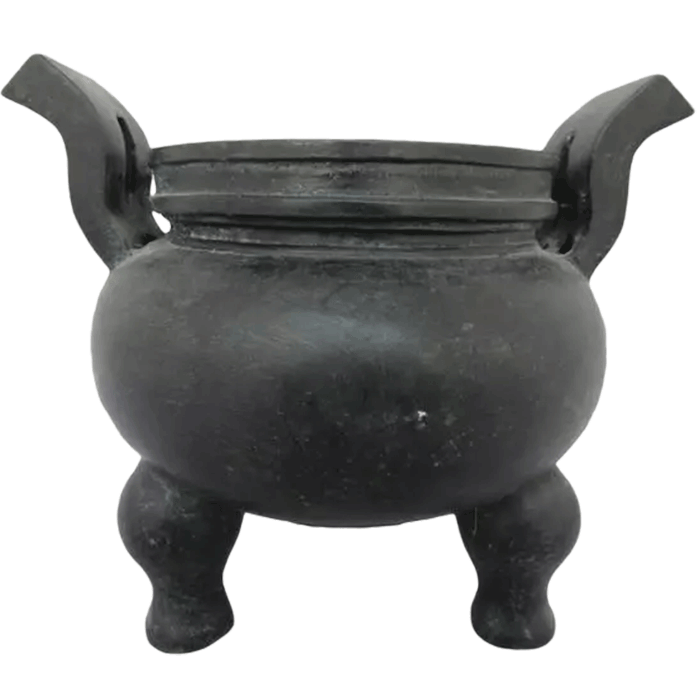
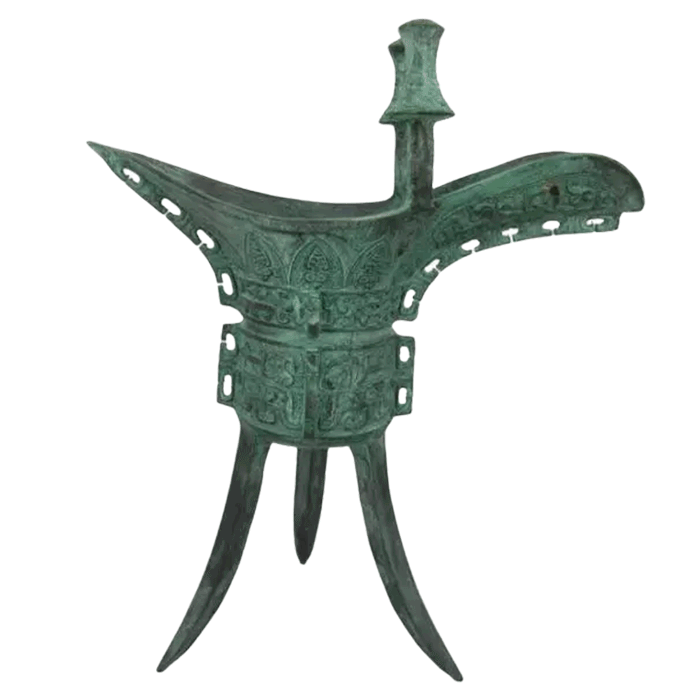
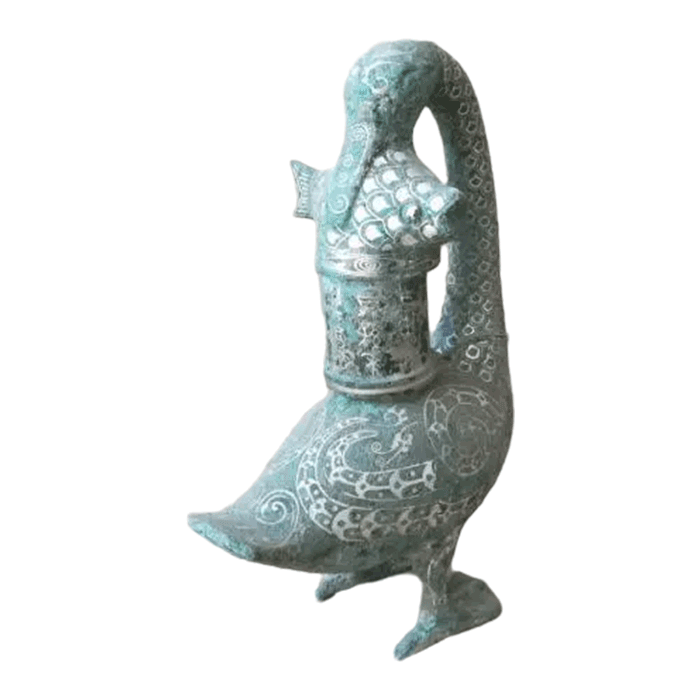
Players interested in the symbolism behind vessels and ceremonial forms can explore several bronze wares. Traditional ding, zun, hu, and other vessel forms are valued for their distinctive proportions and cultural associations, which also make them compelling references for game-inspired display collections.
Build priorities for different first-playthrough styles
There is no single best setup for every player, but most effective first-playthrough builds fit one of several practical directions. The goal is not to copy a fixed list without context. It is to select collectibles that reinforce the way you already fight.
Balanced survival build
A balanced survival build is ideal for players learning bosses. Prioritize a durable Spirit, a defensive or universally useful Curio, practical gourd upgrades, and a Vessel matched to the current encounter. This style may not produce the largest damage screenshots, but it provides more room to learn, recover from errors, and complete difficult battles steadily.
Heavy-attack and Focus build
Players who prefer charged strikes and deliberate timing should value items that support Focus management, attack opportunities, stamina control, and survivability during commitment-heavy attacks. The most important question is whether the collectible helps create a safe window for a heavy strike. A bonus that works only after an unlikely trigger may be less valuable than a passive that improves the player’s normal combat rhythm.
Spell-centered build
Spell-centered players should pay closer attention to mana, cooldown opportunities, and effects that make Immobilize, Cloud Step, or other spells easier to use effectively. However, spells should not replace fundamentals. A collectible that improves spell use is valuable only if the player can still dodge, manage stamina, and recognize enemy attacks while waiting for abilities to become available.
Status and elemental build
Status-oriented builds can become very rewarding once players obtain compatible Spirits, armor effects, and combat tools. The key is synergy. Do not equip a poison-related collectible simply because it sounds strong if the rest of the build rarely applies poison. A complete status setup should consistently trigger its chosen effect and allow the player to maintain pressure safely.
For collectors who wish to place game-inspired art beside traditional decorative pieces, our range of bronze themed statues provides examples of bronze craftsmanship across human, animal, antique-style, and decorative subjects. Luoyang Yichuan Bronze Craft Co., Ltd. also supports custom bronze artworks made through lost-wax casting, hand chasing, polishing, and patina finishing.
Collect for function first, then build a meaningful display collection
The strongest first-playthrough approach is simple: prioritize collectibles that improve the next challenge, not merely the inventory screen. Invest first in a dependable Spirit, useful healing support, permanent stat choices that suit your playstyle, and Vessels that counter the boss or environment currently blocking progress. Curios should be treated as flexible passive tools rather than automatic upgrades.
Once a player has established a stable build, collectible hunting becomes more enjoyable because each new discovery can be evaluated calmly rather than desperately. Some pieces will become core equipment, while others will be retained for situational encounters, future experimentation, or completion purposes. That variety is part of what makes the game’s collection systems engaging.
For physical collectors, a carefully made bronze sculpture or vessel can provide a lasting display piece that reflects the same interest in character, mythology, and artifact-inspired design. Our production team in Yichuan County, Luoyang, uses premium Cu-Sn bronze alloy, traditional lost-wax casting, hand finishing, and available antique or modern patinas for custom projects from one prototype to negotiable bulk quantities. Every shipment is inspected before dispatch and prepared with export-compliant protective packaging for fragile bronze artworks.