Black Myth Wukong Collectibles: Missables and Returns
Black Myth Wukong collectibles need a chapter-safe route for missables and returns.
Players aiming for full journal progress, rare equipment, transformations, spirits, and optional boss rewards should treat every major chapter transition as a review point. Black Myth: Wukong allows travel back to many previously visited areas through Keeper’s Shrines, but returning to a map does not always restore an encounter, NPC state, or temporary quest condition. Some events can change permanently after a boss is defeated, a secret area is completed, or a story companion moves on.
This guide is designed for players who want a practical completion routine without turning every session into a spoiler-heavy checklist. It focuses on the situations that deserve attention before progressing: optional bosses with state-sensitive availability, quest lines that require a sequence of conversations, and rewards that depend on specific actions during a fight.

Understand the difference between revisiting and recovering progress
Chapter travel is valuable, but it should not be confused with a universal recovery system. A Keeper’s Shrine can often take the Destined One back to an earlier region for unexplored paths, meditation spots, seeds, materials, and unfinished side content. This makes the game more flexible than a strictly linear action title.
However, three types of progress can still become difficult or impossible to recover in the same playthrough:
- Event-dependent bosses: A boss may disappear after another boss is defeated or after a story event changes the area.
- Conversation chains: An NPC may need to be approached in a particular order across several chapters. Missing an earlier step can prevent the final reward.
- Fight-specific drops: Some rewards require breaking a body part, completing a condition, or taking an action before defeating the enemy.
For completion planning, the safest approach is simple: clear optional content in the current chapter before defeating its most important late-area or secret-area boss. When an NPC appears more than once, exhaust their dialogue before moving on. When a boss has visible breakable features, investigate whether a special drop is tied to them before ending the fight.
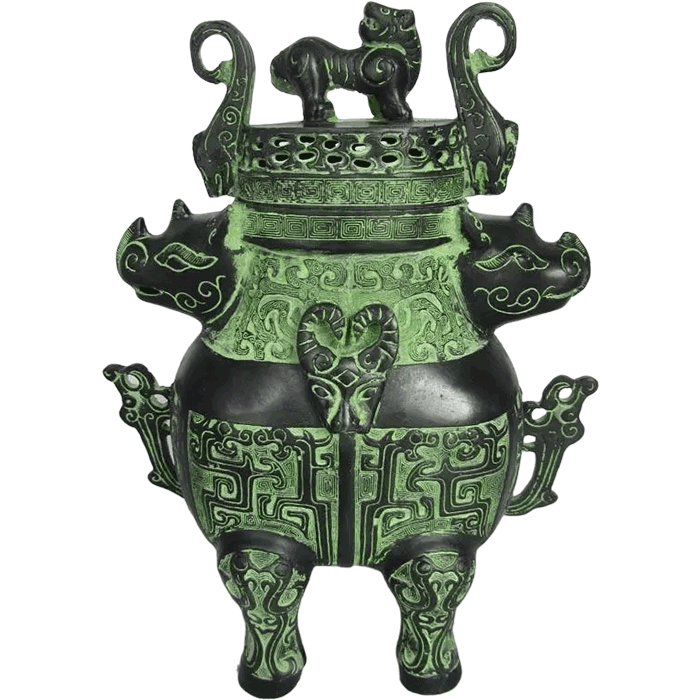
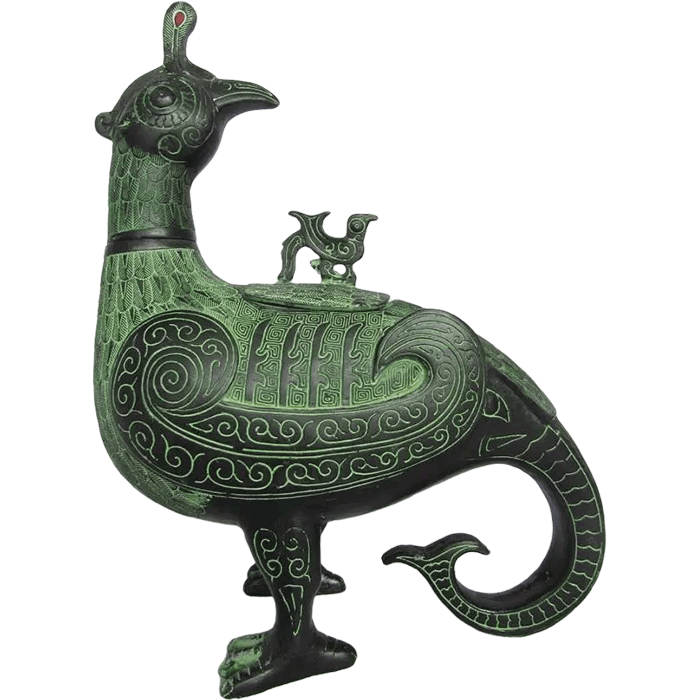
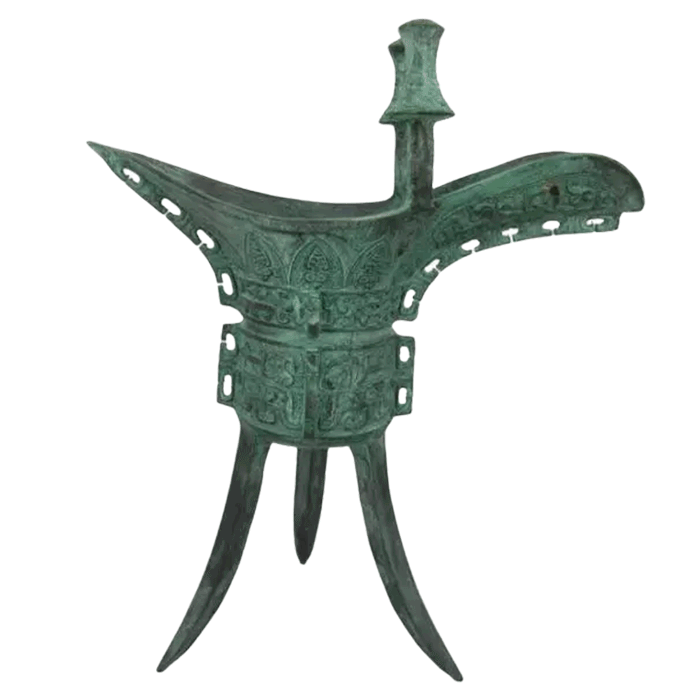
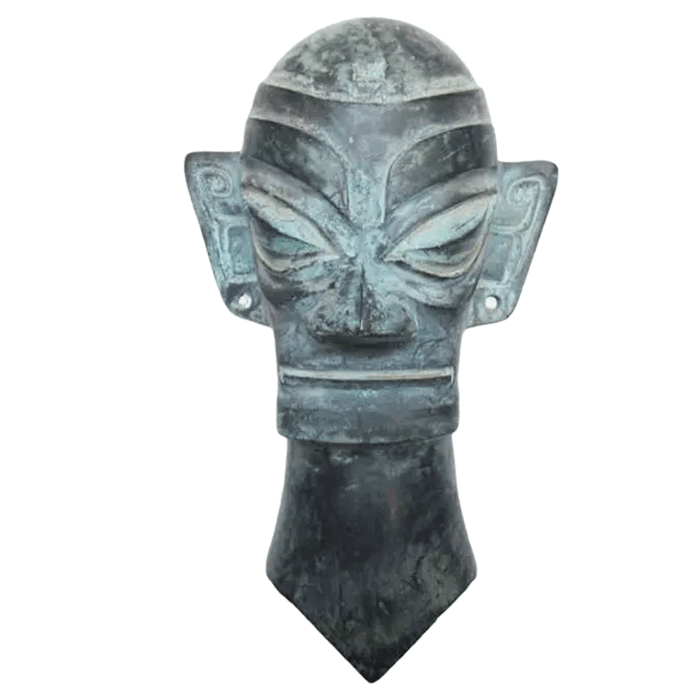
Players who appreciate the long history behind the game’s visual language may also find useful context in the evolution of bronze culture. Ancient vessel forms, guardian creatures, ritual motifs, and patinated surfaces remain relevant references for collectors of Chinese-inspired art.
Priority missables to review before major story progress
The following entries are among the most frequently discussed completion risks. Availability can depend on boss order, quest state, and whether an earlier encounter was fully completed. Because game updates or individual save states can affect behavior, use this as a cautious route-planning guide rather than a replacement for checking your in-game journal and inventory.
| Chapter or area | Priority encounter or reward | Why it needs attention | Safe planning action |
|---|---|---|---|
| Chapter 1 | Wandering Wight | Its presence can be affected by progress involving the three bells and the Elder Jinchi encounter. | Defeat the Wandering Wight and handle its spirit before completing the bell sequence. |
| Chapters 1–5 | Horse Guai quest line | This quest depends on speaking with Horse Guai across multiple chapters in sequence. | Find him in each chapter, exhaust dialogue, and do not assume later chapters can replace earlier conversations. |
| Chapter 3 | Apramana Bat | This optional boss encounter is tied to a limited story-companion situation near Bitter Lake. | Explore the shoreline while Zhu Bajie is still accompanying the Destined One. |
| Chapter 4 | Venomous Armguard | The reward is associated with breaking the Venom Daoist’s arms during the first encounter. | Focus on the breakable arms before defeating the Venom Daoist. |
| Chapter 4 | Scorpionlord | Defeating the Duskveil first can remove the opportunity to fight Scorpionlord. | Challenge Scorpionlord before entering the final Duskveil battle. |
| Chapter 4 | Daoist Mi | His quest and battle can be unavailable after later secret-area progress. | Complete his request and fight before finishing the area’s concluding boss. |
| Chapter 5 | Pale-Axe Stalwart and carts | The cart-related progression is easy to leave incomplete while advancing through the chapter. | Speak with the Pale-Axe Stalwart repeatedly and clear accessible carts before moving toward the chapter conclusion. |
Chapter 1: handle the bells only after the Wandering Wight
The Wandering Wight is an early optional challenge that many players initially avoid because of its high damage and intimidating health pool. That is a reasonable short-term decision, but it creates a checklist item. Before completing the three-bell route and moving into the Elder Jinchi content, return to the Wandering Wight and complete the encounter.
The practical rule is not that every early enemy must be defeated immediately. It is that this particular encounter should be settled before triggering the sequence that changes the surrounding progression. If the boss feels too difficult, upgrade equipment, collect sparks, improve survivability, and return before advancing the bell objective.
Chapter 3: do not rush past the Bitter Lake route
Apramana Bat is especially important because the encounter is linked to the story state in which Zhu Bajie accompanies the player. On the North Shore of the Bitter Lake, take time to explore the shoreline route rather than moving directly toward the main objective. The fight is near a large skeletal landmark and can be overlooked by players following only the most obvious path.
This is a good example of why “I can always come back later” is not a complete strategy. You may be able to revisit the physical location, yet the conditions that caused the boss to appear may no longer be active. Before finishing a chapter section that changes your companion or mission state, sweep the nearby side paths first.
Chapter 4: complete Purple Cloud Mountain in the correct order
Chapter 4 contains several of the most significant order-sensitive decisions for collectors. In Purple Cloud Mountain, Scorpionlord should be handled before the Duskveil. If the Duskveil is defeated first, Scorpionlord may no longer be available in that playthrough. Since Scorpionlord is associated with a unique boss reward and journal value, this is not an encounter to postpone.
Daoist Mi also deserves early attention inside the same broader secret-area progression. Complete his requested task, return to him, and resolve the resulting battle before closing out the area. Avoid treating secret zones as a single straight line; speak to named NPCs, inspect branches, and finish side fights before confronting the final boss.
Another Chapter 4 concern is the Venom Daoist. During the first encounter, pay attention to its arms. Players seeking the Venomous Armguard should focus attacks on the breakable arms before winning the battle. Defeating the boss too quickly without meeting the condition can mean losing access to that specific reward. A controlled approach is better than a maximum-damage rush when a boss has obvious detachable or destructible features.

Build a reliable pre-transition checklist
A short review routine can protect a completion-focused save file without forcing you to consult a guide after every shrine. Use the following checklist before entering a chapter’s final route, confronting a secret-area final boss, or accepting a clear story transition.
- Review the journal: Check whether nearby named enemies, chiefs, kings, and major NPCs remain undiscovered.
- Revisit named NPCs: If an NPC has appeared more than once, speak until dialogue begins repeating or the next objective is clear.
- Clear visible side routes: Explore caves, rooftops, lakeshores, courtyards, lower paths, and locked-looking gates before taking the most direct main route.
- Check for unfinished secret areas: If you have opened a hidden realm, do not leave its optional bosses until after its final encounter.
- Inspect boss-specific conditions: Search for rewards connected to broken limbs, summoned enemies, special phases, or quest items.
- Use Keeper’s Shrine travel: Return to previous shrines to finish meditation spots, resource gathering, secret bosses, and unexplored branches while the chapter state remains favorable.
- Make a manual backup where your platform permits it: A backup before a visibly final encounter can provide protection against an accidental order mistake.
The same discipline applies to physical collecting. A display piece may be ordered long after its first concept is seen, but a game event can have a narrow availability window. For a lasting art project inspired by mythological animal forms, martial movement, or historical Chinese styling, buyers can customize a bronze sculpture from a single prototype through scalable production planning.
How chapter returns should be used
Return travel is best used proactively. Once a new chapter begins, visit the previous chapter’s shrine network and resolve any obvious loose ends before investing too deeply in the new map. This habit helps identify unexplored shrine branches, unopened secret areas, incomplete NPC dialogue, and boss names missing from the journal.
Use map returns for content that is generally location-based, such as gathering materials, seeking seeds, finding meditation spots, completing accessible boss routes, or looking for missed treasure. Be more cautious with content that is tied to characters, companion presence, or the completion of another boss. In those cases, physical access to the location may not equal access to the original event.
Horse Guai is the clearest reason to maintain chapter-by-chapter notes. His story spans multiple chapters, and the safest method is to find him as soon as possible in every eligible chapter and exhaust his dialogue. Do not wait until Chapter 5 to investigate the whole sequence. If an earlier conversation was missed, later progress may not resolve the chain as intended.
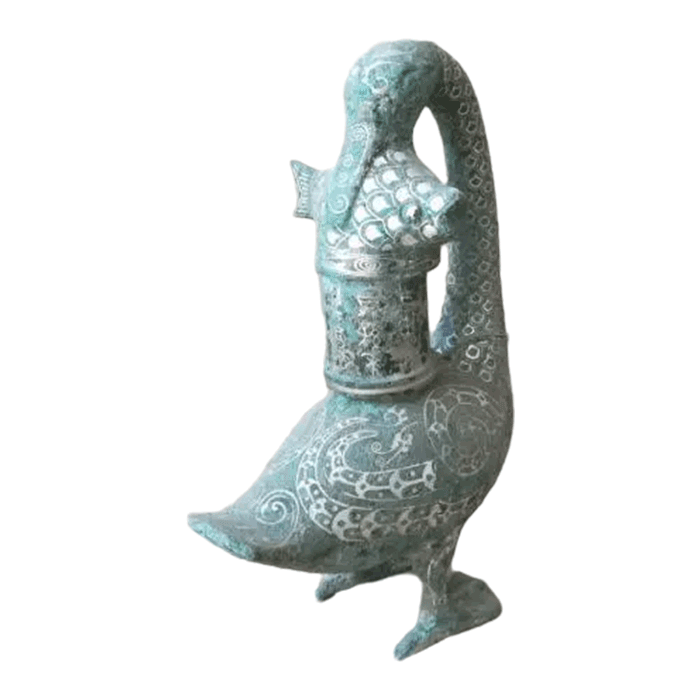
For players building themed spaces around mythic creatures, animal-focused forms can provide a strong visual complement to game-inspired displays. Explore bronze statues with different themes for examples of animal sculpture directions, including decorative and collector-oriented designs.
Plan a completion route without removing the enjoyment
A first playthrough does not need to become a spreadsheet. The most effective low-stress strategy is to mark only high-risk content: the Wandering Wight before the bell sequence, Apramana Bat during the appropriate Bitter Lake story state, Horse Guai conversations in each chapter, Venom Daoist’s breakable-arm reward, and the Chapter 4 secret-area boss order.
Everything else can be managed with normal exploration. When a new shrine appears, look behind the route that led to it. When an NPC requests an item, return before defeating the region’s final boss. When an optional boss is found in a secret realm, finish it before the realm’s central concluding battle. These habits will substantially reduce avoidable gaps while preserving the pleasure of discovering the world naturally.
For collectors who want an offline counterpart to a mythic display concept, Luoyang Yichuan Bronze Craft Co., Ltd. produces custom bronze artworks, human and animal statues, vessels, incense burners, mirrors, and Buddhist statues. The company uses Cu-Sn bronze alloy, traditional lost-wax casting, hand chasing, polishing, and antique or modern patina finishing. With a 3,000-square-meter production area, more than 30 skilled craftsmen, ISO 9001 quality management certification, and support from one custom prototype to bulk production, the workshop can support detailed collectible sculpture projects. Its range of chinese bronze sculpture options is also relevant for buyers seeking traditional bronze character and display craftsmanship.
Final review before beginning a new chapter
Before crossing a major point of no return, pause at a Keeper’s Shrine and ask four questions: Have all current NPC conversations been completed? Have I explored the secret area fully? Have I fought optional bosses before the area’s final boss? Have I checked whether any current boss has a condition-based reward?
If the answer is uncertain, take a few minutes to investigate before advancing. That small delay is far easier than discovering a missing journal entry or unique reward after a late-game story event has changed the map. Careful timing, not exhaustive grinding, is the key to preserving a strong completion run.