Black Myth Wukong Bronze Replica: Materials & Finish Guide
Crafting the Perfect Black Myth Wukong Bronze Replica: A Guide to Materials and Finishes
The global excitement surrounding the action RPG *Black Myth: Wukong* has created a significant demand for high-end collectibles that capture the game's stunning artistry. For distributors, retailers, and private collectors, sourcing statues that do justice to the source material is paramount. A true premium collectible goes beyond simple likeness; it embodies quality through its material, casting method, and finishing. This guide addresses the most common questions B2B buyers have when commissioning or purchasing a high-fidelity bronze statue inspired by the game, ensuring you can confidently source products that meet the highest collector standards.
Understanding the nuances of bronze production is the key to differentiating a true work of art from a mass-produced novelty. From the specific alloy used to the centuries-old techniques employed by artisans, every step influences the final product's value, durability, and aesthetic appeal. We will explore the technical aspects of bronze finishing, providing the knowledge you need to validate product quality before placing an order.
The Foundation of Quality: What Bronze Alloy is Used?
The first and most fundamental question for any bronze collectible concerns the material itself. The term "bronze" can be applied broadly, but for a premium art piece, the specific composition of the metal alloy is critical. True bronze is an alloy consisting primarily of copper, commonly with about 12–12.5% tin as the main additive. This specific composition, known as a Cu-Sn alloy, is prized for several key reasons.
First, it offers exceptional durability and corrosion resistance, ensuring the statue will last for generations without degradation. Second, it has a low melting point and high fluidity when molten, which allows it to fill every minute detail of a complex mold. This is essential for capturing the intricate designs of Wukong's armor, the texture of his fur, and the subtle expressions that define the character. At Luoyang Yichuan Bronze Craft Co., Ltd., we exclusively use a premium Cu-Sn bronze alloy, guaranteeing the authenticity and structural integrity of every piece.
In the collectibles market, it's important to understand the difference between bronze and brass or other alternatives. Brass (a copper-zinc alloy) has a more yellowish hue and is generally less resistant to corrosion. More common are "cold-cast bronze" or resin statues with a metallic powder coating. While these can be detailed, they lack the substantial weight, cool touch, and intrinsic value of a genuine, hot-cast bronze sculpture. A solid bronze piece has a commanding presence and will develop a natural patina over time, enhancing its character, whereas a coated resin piece can chip or peel, revealing the plastic material beneath.
From Digital Model to Physical Masterpiece: The Casting Process Explained
The method used to transform molten metal into a detailed statue is just as important as the alloy itself. For art-grade sculptures, the premier technique is the traditional lost-wax casting method (also known as *cire perdue*). This multi-step, labor-intensive process has been used for thousands of years to create some of the world's most iconic sculptures, and it remains the gold standard for achieving unparalleled detail and fidelity.
The process begins with a master model, which can be sculpted by hand in clay or created from a high-resolution 3D print. From this master, a flexible silicone mold is made. This mold is then used to create a hollow wax replica of the original sculpture. Our artisans meticulously inspect and refine this wax positive, chasing away seam lines and sharpening details by hand. This step is crucial, as any imperfection in the wax will be transferred to the final bronze.
Next, the wax replica is dipped into a ceramic slurry, building up a hard, heat-resistant shell around it. Once the shell is thick and dry, it is placed in a kiln. The intense heat melts the wax, which flows out through strategically placed channels, leaving a perfect negative cavity inside the ceramic shell—this is the "lost wax" step. Molten bronze, heated to over 1,000°C, is then poured into the hollow shell. After the metal cools and solidifies, the ceramic shell is carefully broken away to reveal the raw bronze casting.
This intricate process is overseen at our 3,000-square-meter facility by a team of over 30 skilled craftsmen, including bronze-casting masters who have dedicated their lives to this art form. The raw casting then undergoes extensive finishing, where gating channels are cut off, and the surface is ground, chased, and polished to perfection before the final patina is applied.
Achieving the Perfect Look: A Deep Dive into Bronze Finishes and Patinas
The final color and surface texture of a bronze statue is not paint; it is a patina. A patina is a thin chemical layer on the surface of the bronze, created by the controlled application of various chemicals and heat. This artistic process requires immense skill and is what gives each sculpture its unique character and depth.
Types of Patinas
The range of possible finishes is vast, allowing for immense creative control. Common options include:
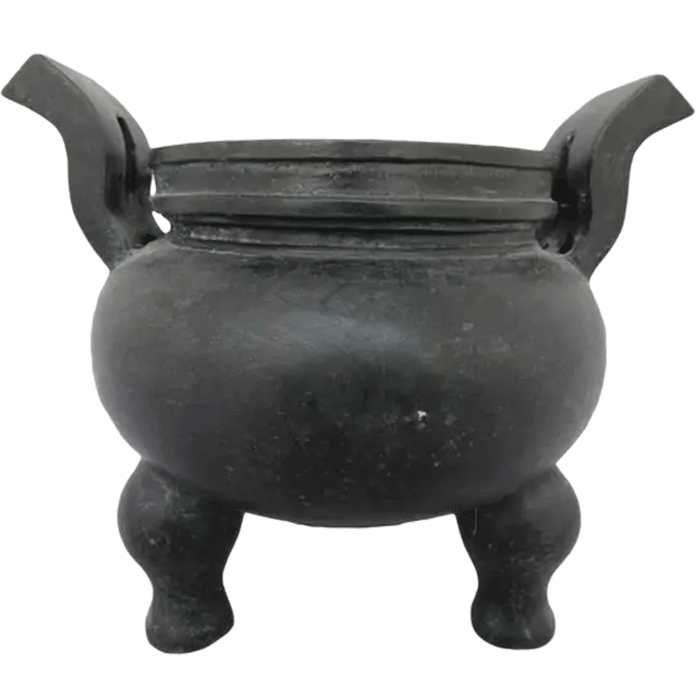
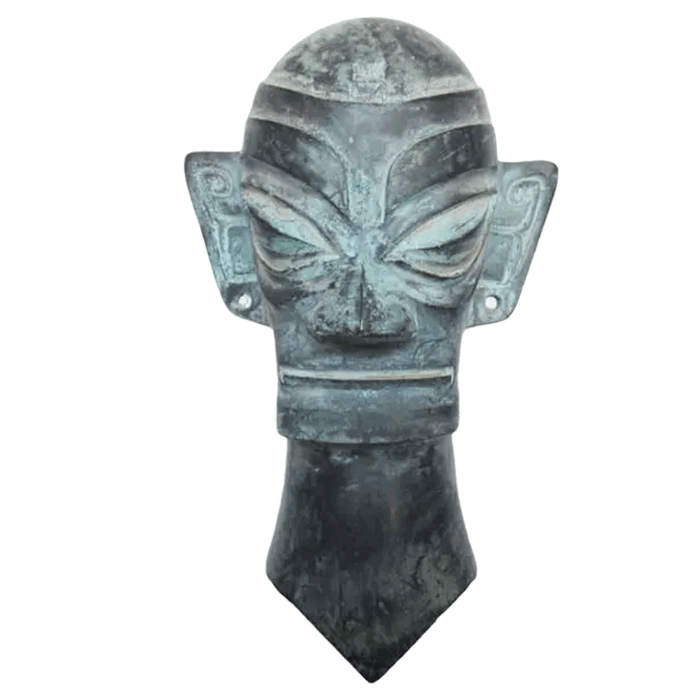
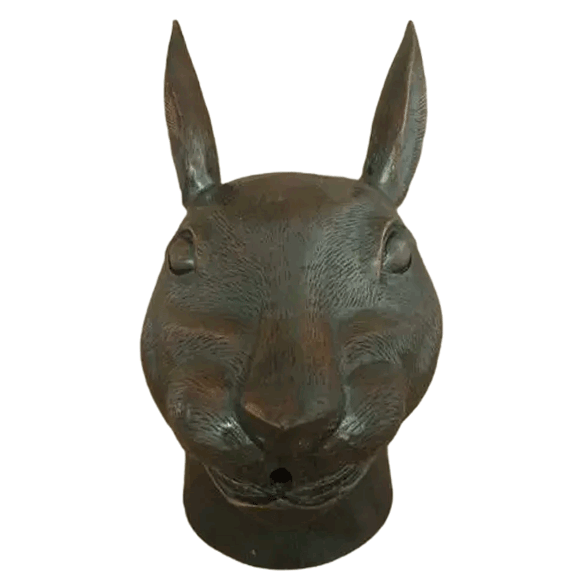
- Traditional Antique Finish: This is the classic look associated with ancient bronzes. Using chemicals like liver of sulfur or ferric nitrate, artisans can create a rich palette of deep browns, blacks, and subtle reddish tones. By carefully layering and rubbing back the chemicals, they can highlight raised details, giving the piece a sense of age and dimension.
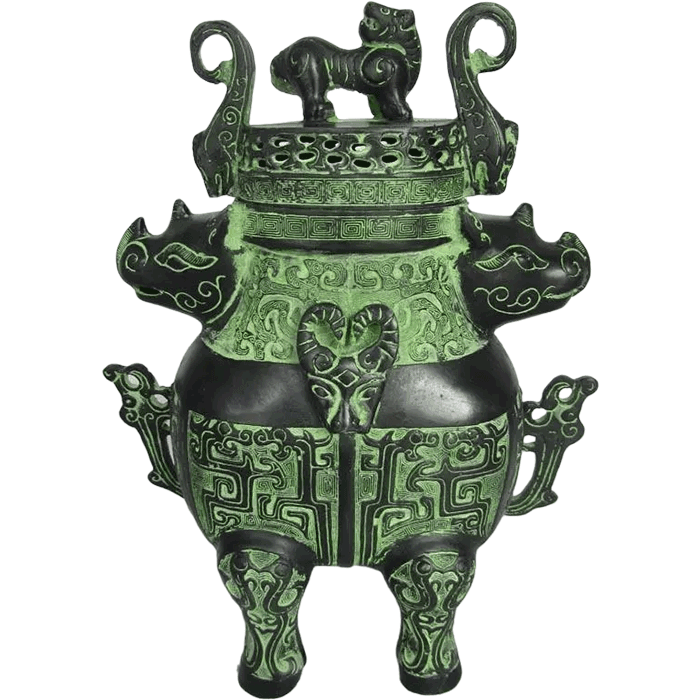
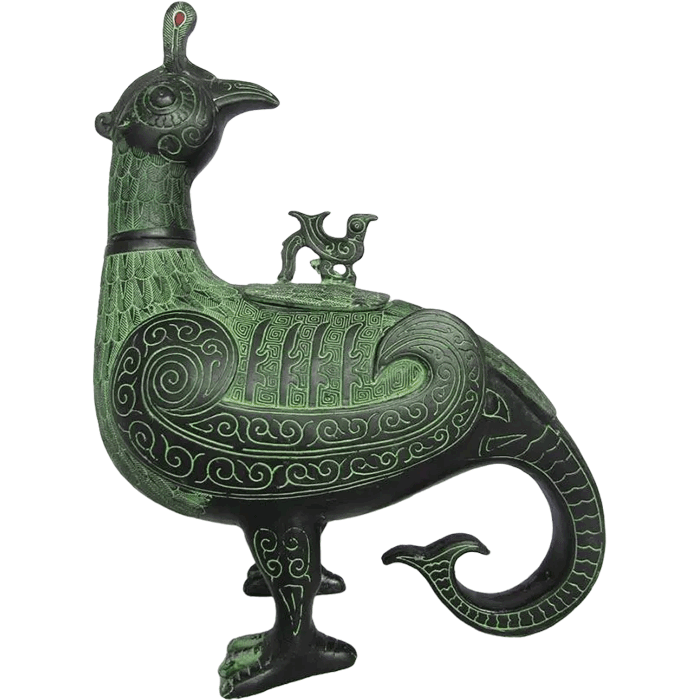
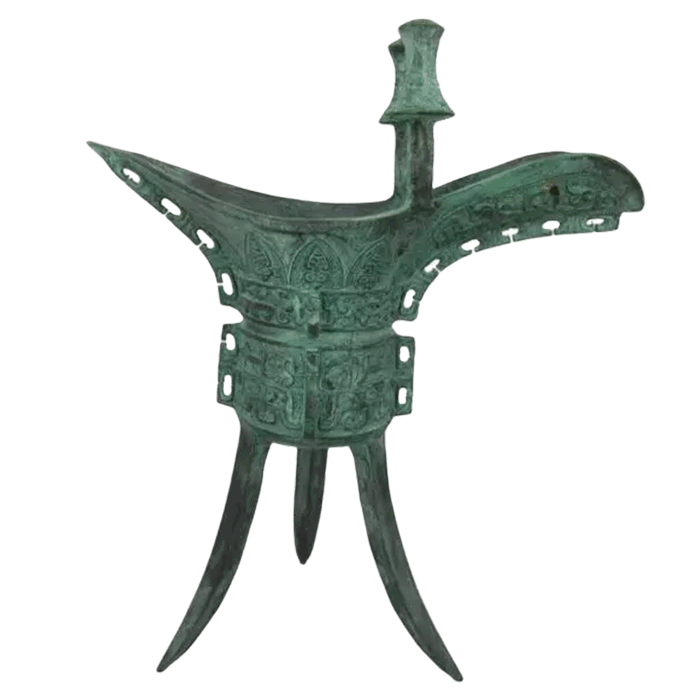
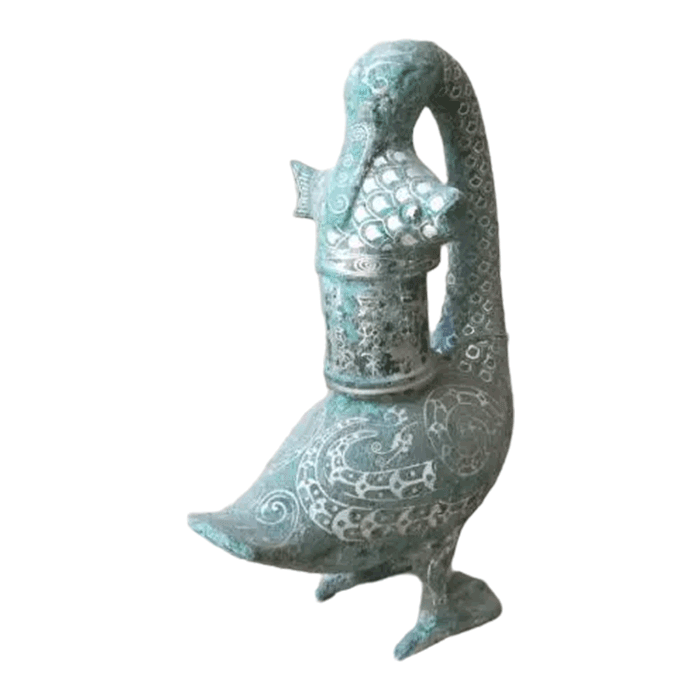
- Verdigris Patina: This finish replicates the distinctive blue-green color that bronze naturally acquires after centuries of exposure to the elements. It can be applied uniformly or selectively to create accents, adding a vibrant, aged look.
- Modern & Polished Finishes: For a more contemporary aesthetic, a statue can be highly polished to a brilliant, mirror-like shine. Alternatively, a uniform chemical patina, such as a sleek monumental black or a rich, dark brown, can provide a clean and powerful look.
One of the most significant challenges in B2B sourcing is ensuring patina consistency across a bulk order. Minor variations in chemical concentration, temperature, or application time can lead to different results. As an ISO 9001 certified manufacturer, we adhere to strict quality management systems. Our processes are standardized to solve this exact pain point, ensuring that we can deliver consistent patina color matching for production runs of any size.
For a project as visually rich as a statue inspired by *Black Myth: Wukong*, a multi-layered patina is often ideal. Our artisans can apply different chemicals to specific areas—for example, a darker, more weathered tone for the armor, a warmer brown for the fur, and a polished metallic glint for the edge of the staff—to bring the character to life with stunning realism.
Sourcing and Customization: What to Expect from a Manufacturing Partner
Partnering with the right manufacturer is essential for bringing a complex project to fruition. Beyond production capabilities, a good partner offers flexibility, quality assurance, and reliable support.
Customization and Prototyping
For distributors looking to create an exclusive edition or a unique design, customization is key. We offer comprehensive services to customize a bronze sculpture based on your specific requirements. Whether you provide a 3D digital file, concept art, or physical maquette, our team can translate your vision into a finished bronze piece. Adjustments to size, pose, base design, and patina are all part of the collaborative process.
To mitigate risk and ensure the final product meets your expectations, we support prototyping with a minimum order quantity (MOQ) of just one piece for custom designs. This allows you to hold a physical sample in your hands for evaluation before committing to a larger production run, a critical step for validating quality and design accuracy.
Production Capacity and Quality Assurance
With an annual output of over 50,000 bronze art pieces, our facility is equipped to handle everything from a single bespoke commission to large-scale bulk orders. Every single piece, regardless of order size, undergoes a rigorous quality inspection before shipment. This inspection covers casting integrity, surface finish, detail accuracy, and patina consistency.
We also address another common sourcing pain point: shipping damage. Fragile and high-value sculptures require specialized packaging. We utilize export-compliant protective packaging, including custom-fitted foam and sturdy crating, to ensure your order arrives safely anywhere in the world. In the unlikely event of a casting defect, we offer a free replacement, and our after-sales support includes guidance on patina touch-ups and long-term care.
Frequently Asked Questions About Bronze Sculpture Care and Longevity
Understanding the long-term characteristics of bronze helps in communicating its value to the end consumer.
How durable is a bronze statue?
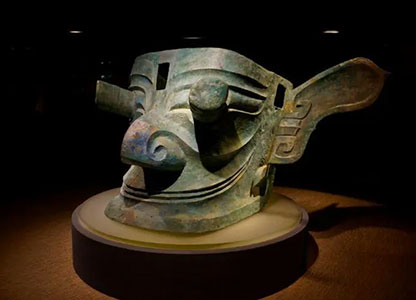
Cast bronze is an exceptionally durable material. Many ancient Chinese bronze sculpture pieces have survived for thousands of years. An indoor bronze statue, properly cared for, will essentially last forever. It is resistant to chipping, cracking, and breaking under normal conditions.
How should a bronze replica be cleaned and maintained?
Maintenance is minimal. For indoor pieces, regular dusting with a soft, dry microfiber cloth is usually all that is needed. Avoid using abrasive cleaners, chemical polishes, or water, as these can damage the delicate patina. A light application of a quality paste wax once a year can help protect the finish and enhance its luster.
Will the patina change over time?
Yes, and this is a natural and often desirable characteristic of bronze. Over many years, the surface will continue to slowly oxidize, which can subtly deepen or enrich the colors of the patina. Handling the statue can also cause changes, as oils from the skin can interact with the surface. This gradual aging process adds to the sculpture's unique history and character.
What is the tangible difference between real bronze and "cold-cast bronze"?
The difference is substantial. A real, hot-cast bronze statue is significantly heavier. It will feel cool to the touch, as metal conducts heat away from your skin. When tapped, it will produce a clear, metallic ring. Cold-cast bronze is a mix of resin and bronze powder; it is much lighter, feels room temperature or slightly plasticky, and produces a dull thud when tapped. Real bronze holds and accrues value over time in a way that resin simply cannot.