Black Myth Wukong Bronze Replica: Buyer FAQs
Everything B2B Buyers Should Know Before Ordering a Black Myth Wukong Bronze Replica
The runaway success of Black Myth: Wukong has created a fast-growing market for bronze collectibles based on the Monkey King and other characters from the game. Retailers, gift distributors, and gaming merchandise brands are now looking for reliable manufacturing partners who can turn digital character designs into physical bronze pieces without losing artistic detail. Before placing a bulk order, most buyers arrive with the same set of practical questions. This guide answers them directly, drawing on how our foundry approaches custom bronze casting, quality control, and export logistics for art crafts.
What Casting Method Is Used for Character-Based Bronze Collectibles?
Complex figures with dynamic poses, flowing garments, and fine facial detail — like a Monkey King figure mid-strike with his staff — require a casting process that can capture undercuts and thin extensions without warping. We use the traditional lost-wax casting method with premium bronze alloy (Cu-Sn), the same technique historically used for temple statues and ceremonial vessels. This process allows one-off wax models to be sculpted precisely to a reference design, then cast, hand-chased, and polished individually. For buyers evaluating a supplier for a character-based collectible line, it's worth asking whether the foundry can show samples of previous human bronze statues with comparable pose complexity — dynamic combat stances are a good stress test for a caster's skill level.
Why Lost-Wax Casting Matters for Detail Accuracy
Unlike sand casting, lost-wax casting produces a smoother surface straight out of the mold, which reduces the amount of grinding needed on fine details such as fur texture, armor plating, or facial expression. This matters significantly for a Black Myth Wukong bronze replica, since fans and collectors will scrutinize accuracy against the source character design. Skilled bronze-casting masters and finishing artisans then hand-chase the piece to sharpen edges and restore detail that may soften slightly during casting.
Can Patina and Finish Be Matched Across a Production Run?
Consistent patina color matching is one of the most common concerns for B2B buyers ordering multiples of the same design. A single antique-bronze figure with uneven coloring is a minor issue; a batch of fifty pieces with visibly different tones is a quality failure that affects your entire product line's presentation.
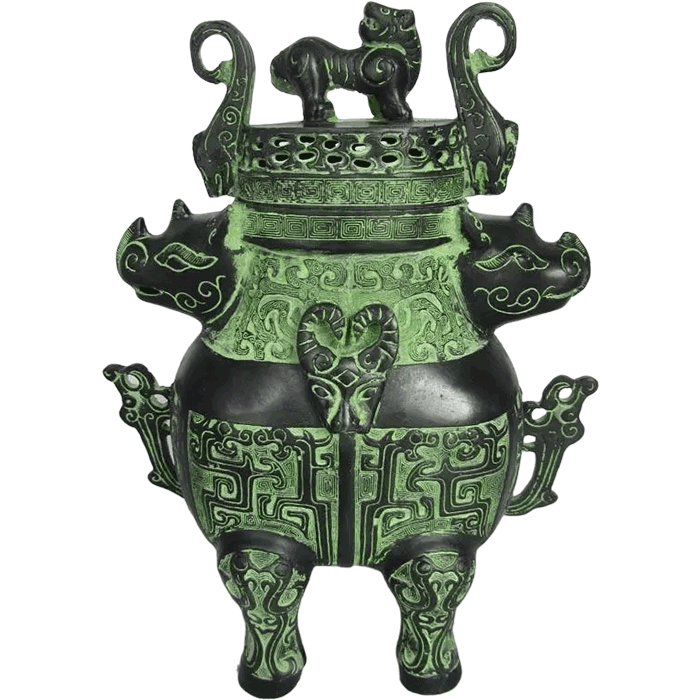
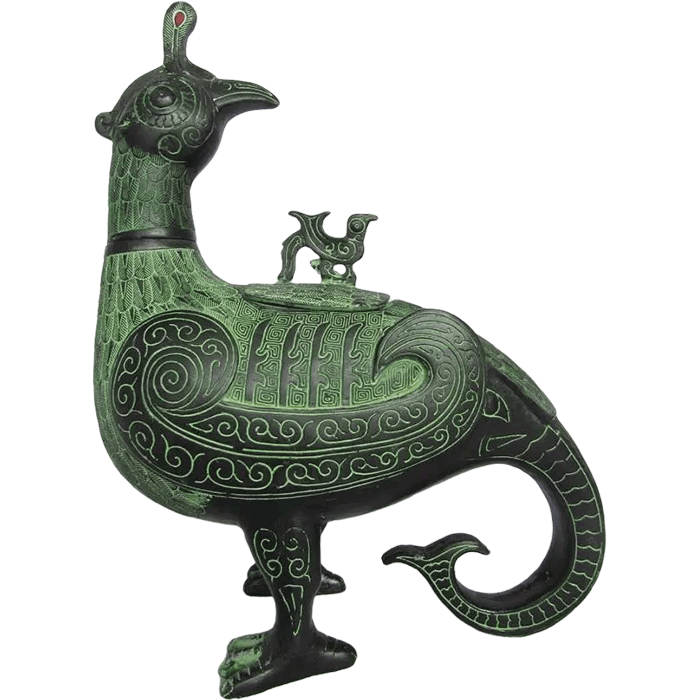
- Antique finish: chemical patina application producing browns, greens, or blacks reminiscent of excavated bronzes, useful for a mythological character like Wukong.
- Modern finish: polished or lightly toned bronze surface for a cleaner, contemporary collectible look.
- Batch control: patina is mixed and applied in controlled sessions with reference samples kept on hand so later production runs can be matched against earlier ones.
If your order will scale over multiple purchase orders across months, ask your supplier to retain a physical reference sample from the first run. This becomes the benchmark for matching color in every subsequent batch, rather than relying on visual memory or photos alone.
What MOQ and Customization Options Are Realistic?
Because bronze casting via lost-wax method involves creating a new mold or wax model for each design, minimum order quantities can start as low as a single piece for a fully custom sculpture. This makes it feasible to commission one master Black Myth Wukong bronze replica for approval before committing to a production run. Bulk pricing then becomes negotiable based on the sculpture's size, level of detail, and whether a reusable mold can be created for repeat casting.
Typical customization requests we handle for character-based orders include:
- Scaling the same design into multiple sizes (desktop collectible vs. display-scale statue)
- Adjusting base or pedestal design for retail packaging compatibility
- Selecting between antique and modern patina for different regional markets
- Adding certificates of authenticity or numbered editions for limited runs
For buyers exploring a full customize a bronze sculpture process for the first time, it helps to provide reference images from multiple angles, approximate final dimensions, and any licensing constraints tied to the character design.
How Is Quality Verified Before Shipment?
Every production run passes through inspection before it leaves the facility. This includes checking for casting defects such as porosity, cracking, or incomplete detail transfer, along with a visual check of patina consistency against the approved sample. Products are manufactured under an ISO 9001 quality management system and comply with export quality inspection standards for art crafts, which matters for buyers who need documentation for customs clearance or retail compliance in their home market.
If a casting defect is identified after delivery, free replacement is available — a meaningful safeguard for B2B buyers ordering sight-unseen from overseas. It's reasonable to request the specific inspection checklist used before shipment so your team knows what quality benchmarks were already applied prior to the goods leaving the factory.
Packaging for Fragile Bronze Collectibles
Bronze figures with extended elements — a raised staff, an outstretched arm, flowing robes — are more vulnerable to shipping damage than solid, compact forms. Export-compliant protective packaging typically involves custom-fitted foam inserts, rigid outer cartons, and reinforced points around any thin or extended sections of the sculpture. Buyers sourcing a Black Myth Wukong bronze replica with a raised weapon or dynamic pose should confirm packaging design specifically addresses these vulnerable points, rather than relying on generic padding.
How Does a Bronze Replica Compare to Other Materials?
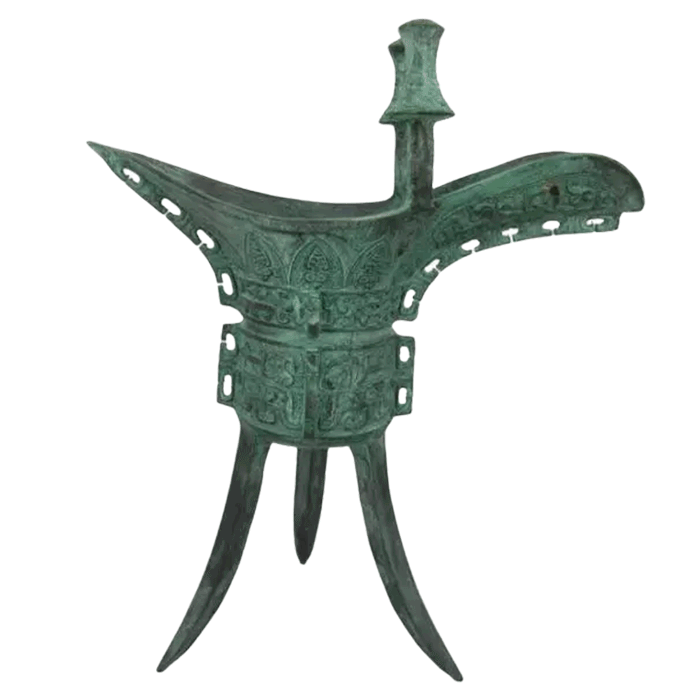
Some buyers weigh bronze against resin or zinc alloy for character collectibles. Bronze carries clear advantages for premium positioning: greater weight and perceived value, a finish that can be aged or polished to resemble genuine antique bronzework, and long-term durability without fading or cracking the way resin can over time. For collectors already familiar with Chinese bronze sculpture traditions, a bronze Monkey King figure also connects the character to a much older visual lineage — bronze casting in China dates back thousands of years, and the material itself carries cultural weight that resin cannot replicate. Buyers curious about that background may find it useful to review the evolution of bronze culture over 2000 years as context for positioning these products to collectors who value craftsmanship history.
What Should Be Confirmed Before Placing a First Order?
At the final evaluation stage, buyers should have clear answers to the following before signing off on a purchase order:
- Has a physical prototype or sample been approved, not just a digital rendering?
- Is the patina finish specification documented in writing, including reference sample retention for future batches?
- What is the inspection process before shipment, and what documentation is provided?
- Are packaging specifications adequate for the specific pose and fragile points of the design?
- What is the after-sales process if a patina touch-up or minor restoration is needed after delivery?
Our facility in Yichuan County, Luoyang, Henan Province operates a 3,000-square-meter production area staffed by more than 30 skilled craftsmen, including bronze-casting masters and finishing artisans, supporting both single custom prototypes and production runs up to tens of thousands of pieces annually. This scale allows a buyer to start with one approved sample and move into a full production order without switching suppliers mid-project.
Sourcing Confidence for Game-Inspired Collectibles
Character-based bronze collectibles sit at an interesting intersection of gaming merchandise and traditional craftsmanship. A buyer ordering a Black Myth Wukong bronze replica for the first time is essentially asking a bronze foundry to translate a digital character into a physical, museum-grade object — and to do it consistently across every unit in a production run. Reviewing sample work, confirming patina matching procedures, and clarifying packaging for fragile poses upfront will prevent most of the issues that surface after goods have already shipped. For buyers wanting to see how these same casting and finishing techniques apply across other product categories, our range of bronze statues with different themes offers a useful reference point for pose complexity, finish options, and scale flexibility.
Whether the end goal is a limited numbered edition for collectors or a broader retail run tied to a game launch, the underlying manufacturing questions remain the same: casting precision, finish consistency, verified quality control, and packaging built for the specific vulnerabilities of the design. Buyers who confirm these points before the first purchase order tend to have far smoother reorder cycles as demand for game-inspired bronze collectibles continues to grow.