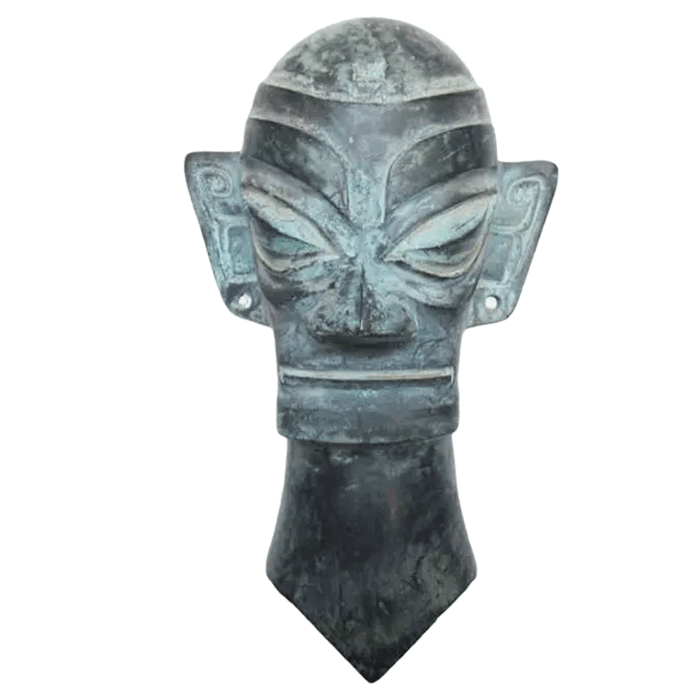
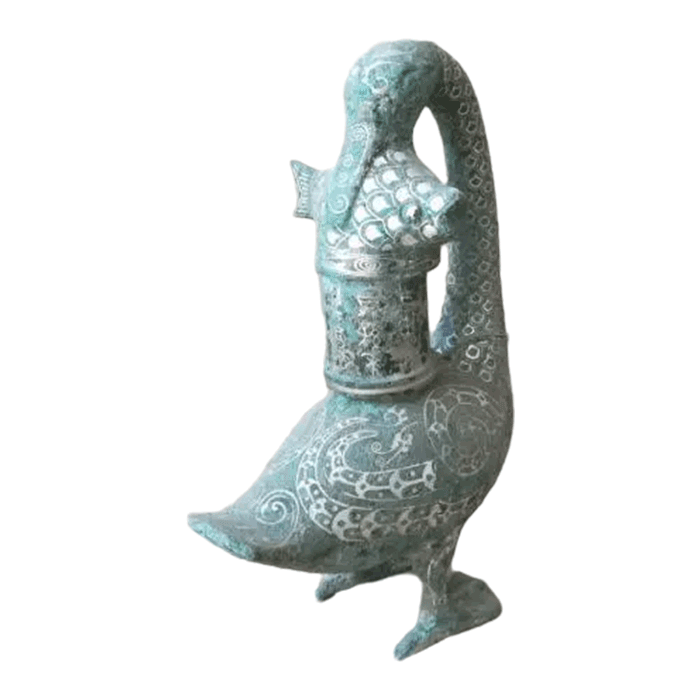
Authentic Shang Dynasty Bronze Ding Vessel Replica
A Shang Dynasty Bronze Ding Vessel Replica Looks Authentic When Every Detail Supports the Original Design
For museum-shop buyers, collectors, interior décor specifiers, and cultural gift buyers, authenticity is often evaluated long before an order is placed. A bronze ding may be visually impressive at first glance, yet still appear unconvincing when its proportions, decorative bands, surface treatment, or casting details do not align with the historical reference. A well-made reproduction should not simply look old; it should communicate the formal discipline, ritual character, and material presence associated with early Chinese bronze culture.
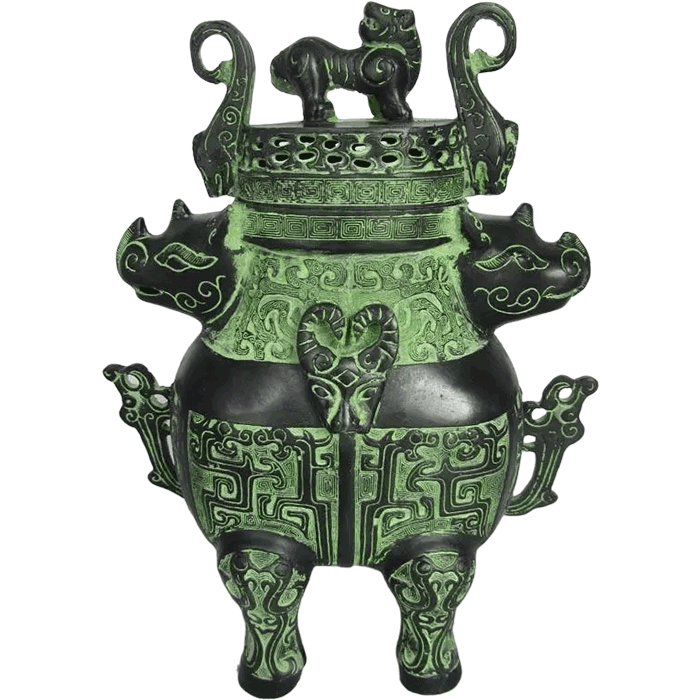
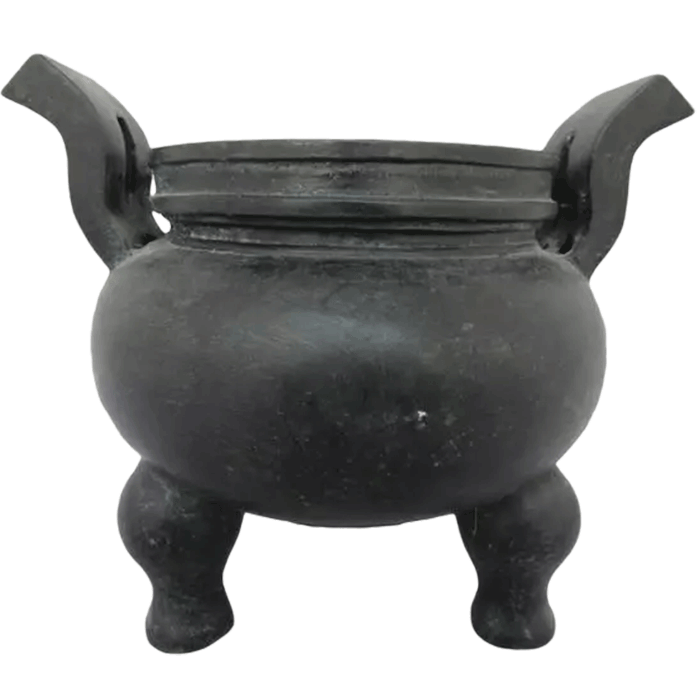
A ding is one of the most recognizable forms in ancient Chinese bronze ware. Traditionally associated with ritual use and social status, the vessel form is typically identified by its rounded or rectangular body, raised rim, legs, and paired handles. However, not every ding follows the same structure. Shang-period examples may vary in profile, decorative density, foot shape, handle geometry, and surface texture. For this reason, visual authenticity begins with selecting a clear reference and translating its defining characteristics carefully into a reproducible bronze artwork.
At Luoyang Yichuan Bronze Craft Co., Ltd., custom bronze vessels can be developed from supplied photographs, drawings, dimensions, or museum reference materials. This process is especially useful for buyers who need a specific historical silhouette, a coordinated display collection, or a decorative piece that relates closely to a particular period style. Our craftsmen combine traditional lost-wax bronze casting with hand chasing, polishing, and patina finishing to create bronze works suited to museum retail, collection display, hospitality projects, and cultural interiors.
Historical Proportion Is the First Sign of a Credible Ding
The overall silhouette is usually the first feature a viewer notices. A historically informed ding should have a body-to-leg relationship that feels stable and intentional. If the vessel body is too deep, too wide, or too thin, the finished piece can look more like a modern decorative pot than a ritual bronze vessel. Likewise, legs that are too short may make the vessel appear heavy and compressed, while overly long legs can make it look fragile or stylized beyond the character of the reference.
Buyers should examine the vessel from several angles rather than relying only on a front-facing product image. A convincing design needs balance in its full three-dimensional profile. Important visual questions include:
- Does the vessel body have the correct depth and curvature?
- Do the legs visually support the weight of the body?
- Are the handles positioned at a believable height and angle?
- Does the rim thickness match the scale of the vessel?
- Does the base sit evenly without appearing overly mechanical?
- Are the decorative bands placed where they reinforce the form?
Historical bronze vessels were not designed as flat decorative objects. Their forms were meant to be seen in the round, with each leg, handle, and patterned panel contributing to a unified structure. This is why accurate dimensions and profile drawings are valuable at the early sourcing stage. A buyer who provides target height, width, opening diameter, and preferred visual reference gives the manufacturer a stronger foundation for evaluating feasibility and preparing a custom proposal.
For broader context on the cultural development of Chinese bronze forms, buyers may explore bronze culture evolution. Understanding the differences between historical periods helps prevent the accidental mixing of motifs and shapes from unrelated eras.
Decorative Motifs Must Follow the Vessel Architecture
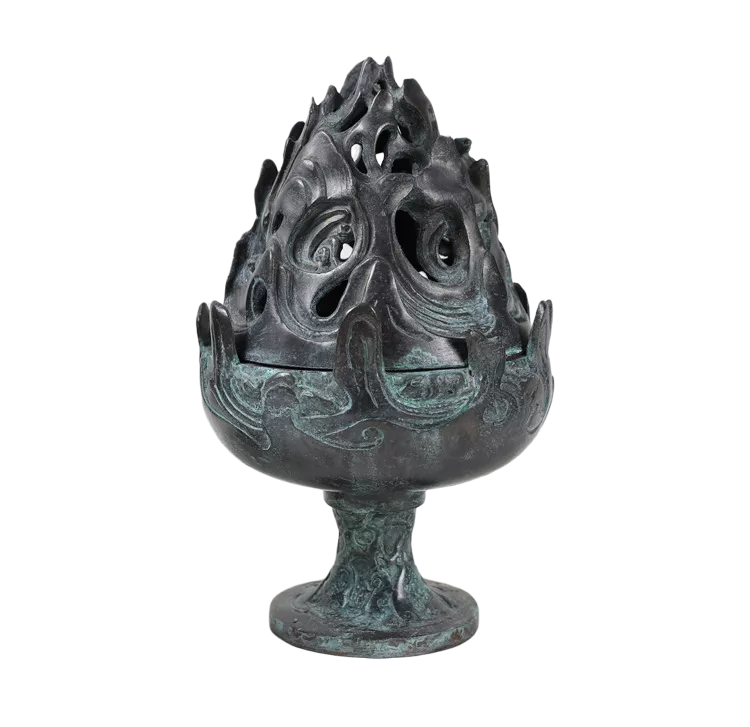
Decorative patterning is one of the most visible elements of a ding, but more decoration does not automatically make a replica more authentic. The placement, scale, repetition, and depth of each motif are more important than visual density alone. Shang-style bronzes are often associated with powerful, rhythmic surface designs, including mask-like motifs, stylized animal forms, spirals, and geometric borders. On a credible reproduction, these patterns should work with the vessel structure rather than appear randomly applied.
For example, a central mask motif may be organized around the body’s main visual field, while narrow borders can frame the rim, lower body, or leg transitions. The decorative language should acknowledge the division between the vessel body, rim, handles, and feet. If pattern bands stop abruptly, wrap unevenly around the form, or ignore the contours of the casting, the result may look decorative but not historically coherent.
Relief Depth and Hand-Finished Definition
Pattern relief should be sufficiently clear to remain visible after patina finishing, but it should not be exaggerated until it resembles modern embossed decoration. The most successful surface modeling usually has a controlled sense of depth. Fine lines, raised areas, and recessed fields should create shadow and visual movement under normal display lighting.
Hand chasing is particularly important after casting because it allows artisans to refine boundaries, clarify details, and remove softness that can occur during the mold and casting process. This work helps motifs retain definition without creating a harsh, machine-cut appearance. For buyers comparing samples, close-up photography of the relief is useful. It can show whether the decorative fields have clean transitions and whether smaller details remain legible after polishing and patina application.
When specifying a custom piece, it is helpful to identify whether the goal is an exact visual reproduction, a period-inspired adaptation, or a modern interpretation using traditional elements. These are different design objectives. A period-inspired vessel may allow greater flexibility in motif selection, while an exact replication requires closer attention to measured details from the chosen reference.
Bronze Material and Casting Quality Influence Visual Authority
An authentic-looking vessel needs more than a convincing design; it also needs a material presence appropriate to bronze. Luoyang Yichuan Bronze Craft Co., Ltd. uses premium Cu-Sn bronze alloy and traditional lost-wax casting for bronze art pieces. Lost-wax casting is well suited to vessels with complex relief patterns, sculptural handles, and detailed feet because it allows the modeled form to be translated into cast metal with substantial surface character.
Quality casting affects authenticity in several practical ways. A well-executed bronze vessel should have a consistent wall appearance, stable structure, clearly formed decorative relief, and properly integrated appendages. Handles and legs should not look visually detached from the body. Their transitions should appear designed as part of the vessel rather than added as an afterthought.
It is also important to distinguish between a historically informed appearance and artificial damage. Authentic visual character does not require random pits, deep cracks, or excessive roughness. Some buyers prefer an aged presentation, but surface distress should be controlled and suitable for the intended display environment. Overdone imitation corrosion can obscure the design and make a new cast vessel look theatrical rather than refined.
Buyers comparing materials may also find value in this overview of bronze and brass differences. The choice of material affects color, weight perception, finishing behavior, and the overall visual quality expected from a bronze art object.
Patina Should Enhance the Form Rather Than Hide It
Patina is one of the most influential elements in the final appearance of a bronze ding. It changes how the surface reflects light, how deeply the relief appears, and whether the vessel feels suited to a museum-inspired, antique-style, or contemporary interior. A good patina should complement the selected reference rather than cover the casting with a uniform dark coating.
For an antique-inspired finish, buyers may request layered brown, black, green, or muted earthy tones, depending on the desired appearance. A modern presentation may use a more even dark bronze, warm brown, or polished highlight treatment. In either case, color should be balanced across the complete vessel. The rim, body, legs, handles, and recessed decorative fields should relate naturally to one another.
Consistent patina matching is especially important for projects requiring multiple vessels, coordinated sculptures, or replacements ordered at a later date. A single color sample can look different under daylight, gallery lighting, warm hotel lighting, or retail display fixtures. For this reason, specifiers should communicate the intended installation environment and request sample images or finish confirmation before final production when color consistency is a priority.
Surface Variation Should Be Deliberate
Subtle tonal variation can add depth to the relief and help the design read from a distance. Darker recesses can emphasize pattern lines, while gently burnished raised areas can reveal the form. However, variation should be guided by the design. Uneven patches that do not follow the contours of the bronze may make the piece appear poorly finished rather than naturally aged.
Professional finishing combines technical control with visual judgment. Hand polishing and patina work allow craftsmen to adjust highlights, deepen selected fields, and retain the small details that define the vessel. After-sales support for patina touch-ups and restoration guidance is also available for customers who need help maintaining the appearance of a bronze artwork over time.
Reference Accuracy Depends on a Clear Approval Process
For buyers seeking a close visual match, authenticity should be managed through a structured approval process rather than left to general descriptions such as “antique bronze style.” The most useful starting materials are high-resolution photographs, museum catalog images, measured drawings, dimensions, close-ups of motifs, and notes about the desired finish. If the source has visible asymmetry, casting marks, worn areas, or distinct decorative zones, those features should be identified early.
A practical custom development process can include the following steps:
- Confirm the reference object, target dimensions, and intended use.
- Identify which details must be replicated closely and which may be adapted.
- Review the proposed form, including vessel profile, handles, legs, and decorative layout.
- Confirm bronze finish direction, such as antique patina, dark brown bronze, green-toned surface, or modern polish.
- Approve production details before casting begins.
- Inspect final photographs and quality details before shipment.
For a single prototype, a compact museum-shop series, or a larger decorative order, early communication reduces uncertainty. Luoyang Yichuan Bronze Craft Co., Ltd. supports custom sculpture and vessel projects from one piece, with bulk quantities negotiable according to size and design complexity. With annual output exceeding 50,000 bronze art pieces, our production team can support both individual custom commissions and larger sourcing requirements.
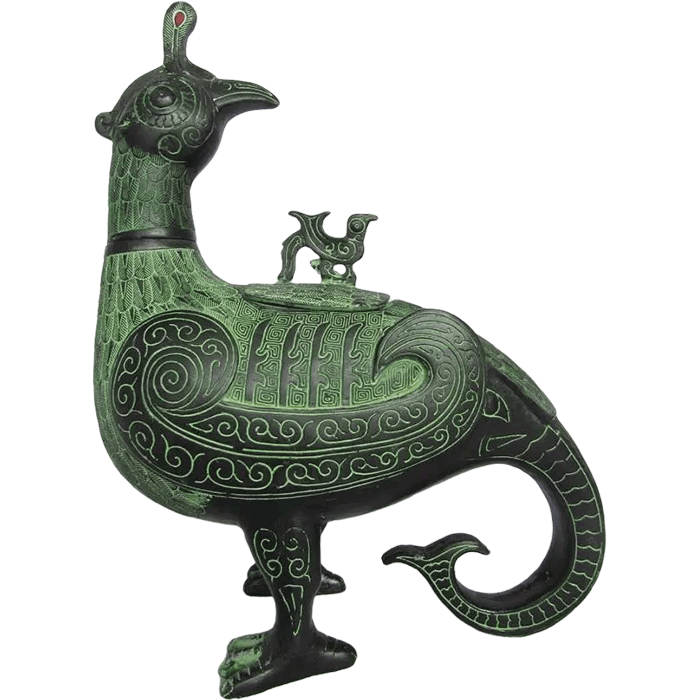
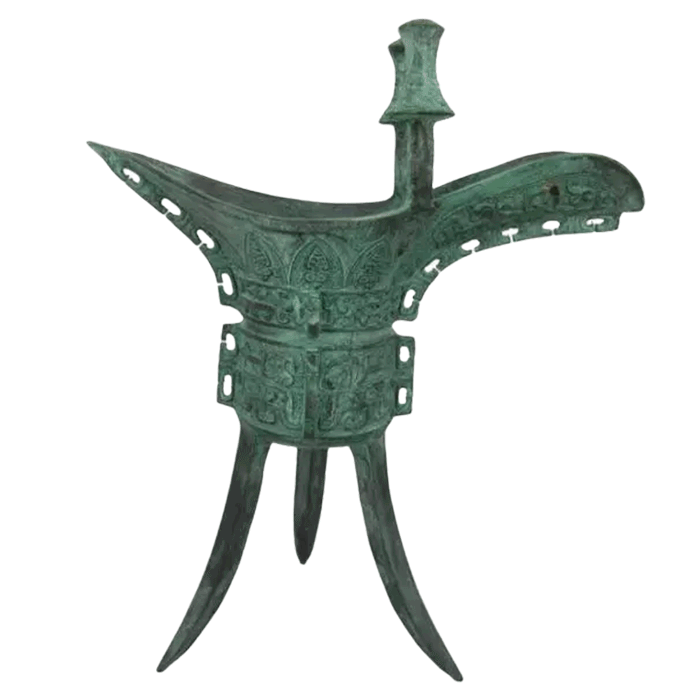
Buyers who are developing a broader collection may also consider related forms such as zun, hu vessels, bronze mirrors, incense burners, Buddhist statues, human sculptures, and animal sculptures. A coordinated range can create a stronger cultural presentation than a single isolated object. For inspiration on related vessel categories, see several bronze ware forms.
Authenticity Also Includes Professional Manufacturing Standards
Visual accuracy matters, but B2B buyers also need confidence in production control, export preparation, and support after delivery. Luoyang Yichuan Bronze Craft Co., Ltd. operates under an ISO 9001 quality management system, and its art crafts comply with export quality inspection standards. Each shipment receives quality inspection before dispatch, and replacement is available for casting defects.
The company is located in Yichuan County, Luoyang, Henan Province, an area connected to a long bronze-making heritage. Its 3,000-square-meter production area is supported by more than 30 skilled craftsmen, including bronze-casting masters and finishing artisans. This combination of traditional craft knowledge and modern production coordination helps customers source bronze artworks with more consistent communication and quality control.
Protective packaging is also an important part of a successful replica order. Bronze vessels may have vulnerable handles, projecting legs, or delicate relief edges that require suitable packing methods for export transport. Packaging should be considered early for large, heavy, or unusually shaped pieces, especially when the final destination involves international freight, retail handling, or installation by a third-party design team.
How Buyers Can Evaluate a Replica Before Ordering
At the quotation and sample-review stage, buyers can evaluate a proposed ding replica using a focused checklist. This approach helps separate meaningful historical and manufacturing considerations from purely decorative impressions.
| Evaluation Area | What to Review |
|---|---|
| Silhouette | Body depth, rim profile, handle position, leg length, and overall balance. |
| Decorative Layout | Motif placement, repeat pattern alignment, border structure, and relief clarity. |
| Casting Quality | Clean transitions, stable legs, integrated handles, and defined surface details. |
| Patina Finish | Color consistency, controlled variation, visible relief, and suitability for the display setting. |
| Reference Match | Dimensions, key details, profile views, and any requested period-specific characteristics. |
| Delivery Preparation | Quality inspection, export-compliant protective packaging, and handling requirements. |
A buyer does not need to be an archaeologist to make a careful decision. The key is to look beyond the general idea of an “old bronze vessel” and ask whether the proportions, patterns, material finish, and manufacturing details work together. When each element supports the chosen reference, the final object is more likely to feel credible in a museum shop, private collection, themed interior, or cultural display.
For custom requirements, buyers can customize bronze artwork according to their preferred size, historical reference, decorative treatment, and finish direction. A clear brief at the beginning helps create a more accurate and commercially suitable bronze vessel at the end of the process.