Asian Style Office Decor for Open Workspaces
Asian Style Office Decor Can Bring Balance to Open Workspaces
Open workspaces are designed to encourage communication, flexibility, and efficient use of floor area. However, without careful planning, they can also feel visually scattered, acoustically busy, and emotionally impersonal. Architects, corporate buyers, and project designers often need decor concepts that improve the character of a shared office without creating visual clutter or interrupting circulation.
Bronze art and carefully selected cultural design references can provide a strong solution. Rather than filling a workplace with many small decorative items, a considered approach uses a limited number of meaningful focal points. Sculptures, vessels, mirrors, incense burners, and custom-made artworks can define important zones while maintaining the openness that modern offices require.
For shared offices, the objective is not to recreate a traditional interior in every detail. The better approach is to translate selected visual principles into a contemporary working environment: balance between empty and occupied space, contrast between warm and cool materials, measured symmetry, natural flow, and visual calm. Bronze is particularly suitable because its weight, texture, and patina can add permanence to glass, concrete, wood, and modular workstation systems.
Start With Spatial Balance Instead of Decorative Quantity
In an open-plan office, every decorative object occupies more than physical space. It also affects sightlines, traffic patterns, lighting, and the visual energy of employees and visitors. A large sculpture positioned at the wrong point can become an obstruction, while too many small objects can create an unorganized appearance. The first stage of concept selection should therefore focus on spatial balance.
Designers can begin by identifying areas that benefit from a clear visual anchor. These may include the reception zone, main lobby, client meeting area, executive collaboration lounge, pantry entrance, or a transition space between work neighborhoods. A bronze artwork can give these locations an identity without requiring full walls, partitions, or extensive architectural changes.
Consider decor as part of the office wayfinding system. A distinct bronze vessel near a meeting suite can help visitors recognize the destination. An animal sculpture in a lounge can create a memorable point of orientation. A refined wall-mounted mirror may introduce depth in a narrow corridor or waiting area. Each piece should have a role within the workplace rather than being installed only to occupy an empty surface.
Use negative space as a design material
Negative space is the intentionally open area around an object. In shared workplaces, it is especially important because employees need visual breathing room. A single well-proportioned bronze sculpture can appear more premium and more purposeful than a collection of unrelated ornaments. Leave enough surrounding floor or wall area for the form, silhouette, and patina to be noticed.
For example, a reception desk with a broad stone or wood backdrop may only need one sculptural object placed to one side. A tall bronze vessel can work well in a vertical composition, while a low animal statue may complement a long bench or planted seating area. The final choice should reflect scale, viewing distance, and the nearby architectural materials.
- Use one major decorative focal point for a principal arrival zone.
- Keep circulation paths clear around freestanding sculptures and vessels.
- Match artwork scale to ceiling height, furniture mass, and wall width.
- Use smaller objects only when they reinforce a larger spatial concept.
- Avoid placing detailed objects where employees will constantly pass at close range.
Create Functional Zones With Bronze Art and Cultural References
Open workspaces commonly combine focused desks, informal lounges, meeting booths, quiet rooms, project tables, and visitor areas within one floor plate. The decor program can help distinguish these uses without relying only on signage or physical barriers. This is where Asian Style Office Decor can support a more layered workplace experience.
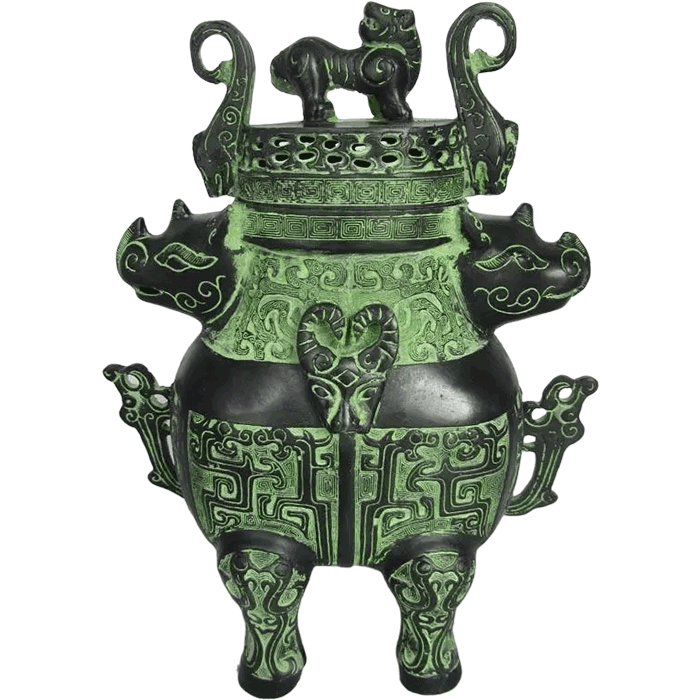
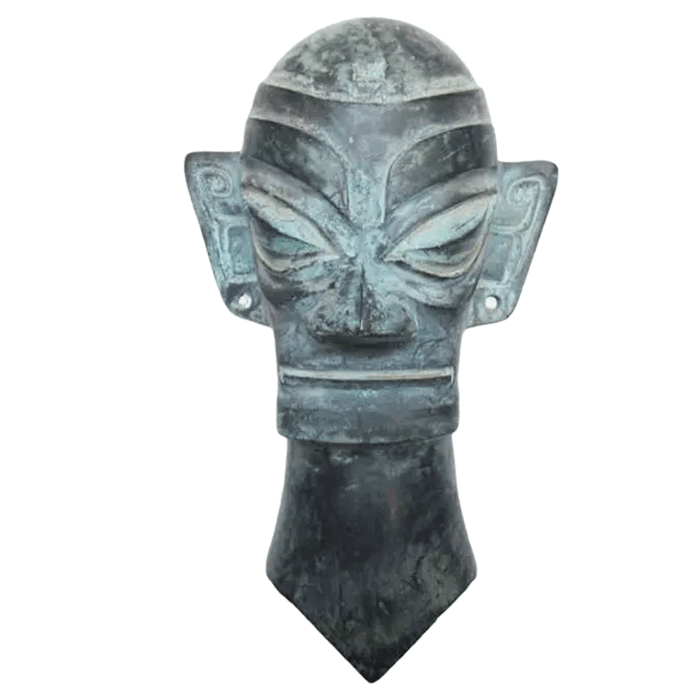
Bronze vessels, human figures, animal forms, Buddhist statues, incense burners, and mirrors offer different visual languages. The correct choice depends on the purpose of the zone and the culture of the organization. A corporate reception may require restrained, architectural forms. A hospitality-oriented lounge may allow a more expressive animal sculpture. A private executive space may suit a vessel or bronze mirror with a quieter presence.
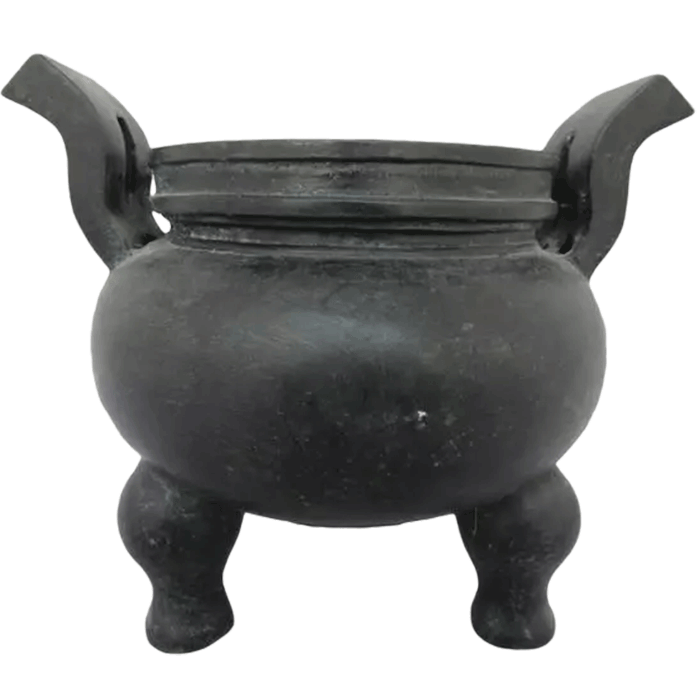
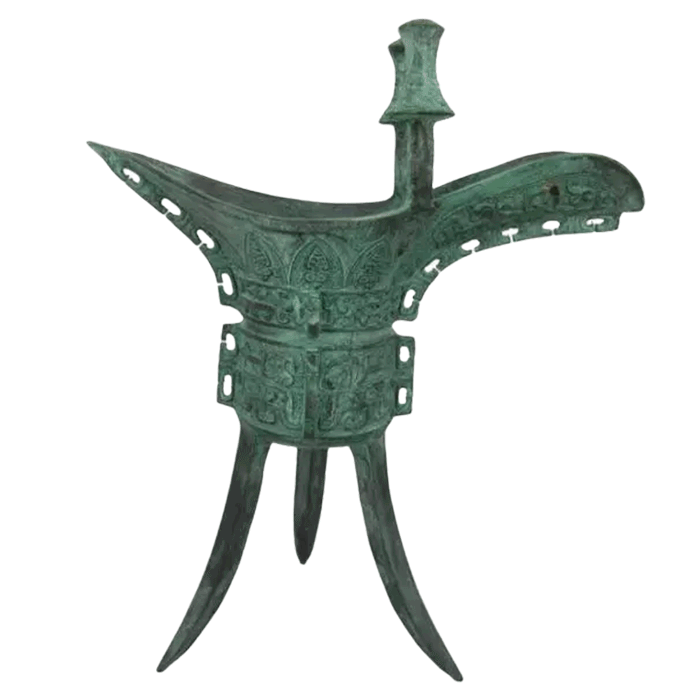
Traditional bronze forms can also serve as a source of shape and proportion rather than as literal historical reproductions. Ding, zun, and hu forms, for instance, can introduce strong silhouettes, balanced handles, rounded bodies, or structured feet into a modern interior. Designers researching period-inspired forms may review bronze ware introductions to better understand the variety of vessel profiles that can inform a project concept.
Reception and visitor-facing areas
The reception is usually the best location for a signature piece. It should communicate the company’s identity and design standards while remaining appropriate for a professional setting. A custom bronze sculpture can be developed around a company theme, a local connection, an abstract form, or an animal motif. The artwork can stand independently on a plinth, be integrated into a wall niche, or be placed near a feature planting arrangement.
For client-facing settings, patina selection is important. Antique-style tones can create depth and a sense of material history, while cleaner modern finishes may suit contemporary architecture. The decor should complement rather than compete with branding, digital displays, and reception furniture.
Collaboration lounges and informal meeting areas
Informal gathering spaces benefit from warmth and visual character. These areas often contain soft seating, timber finishes, rugs, and indoor plants. Bronze can offer a useful contrast to these softer materials. A small-to-medium sculpture or decorative vessel can create a conversation point while keeping the lounge professional.
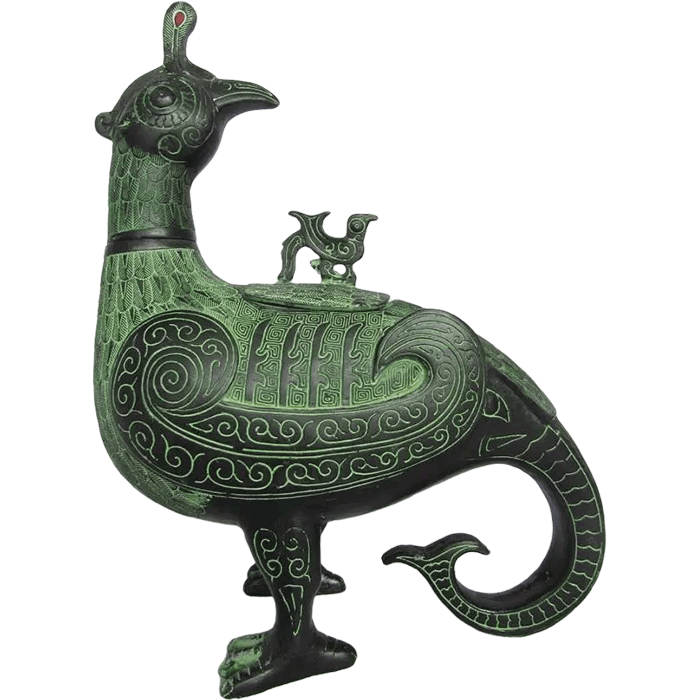
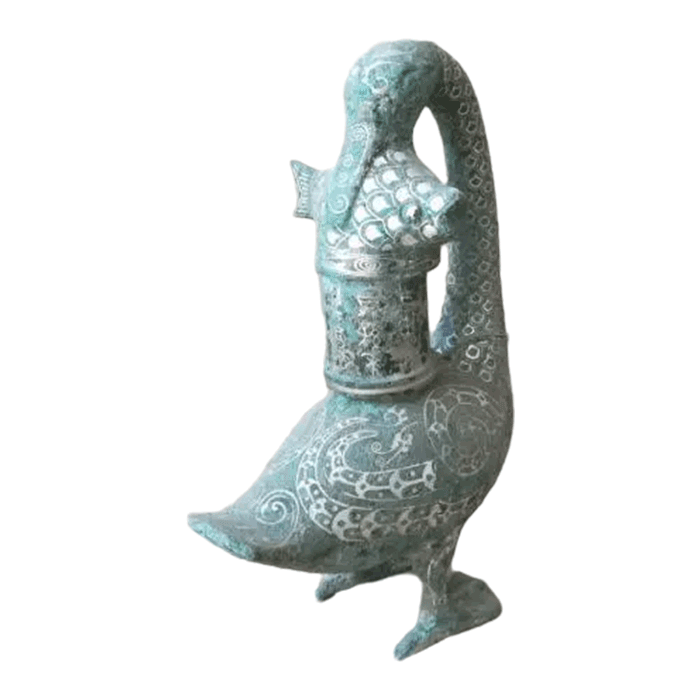
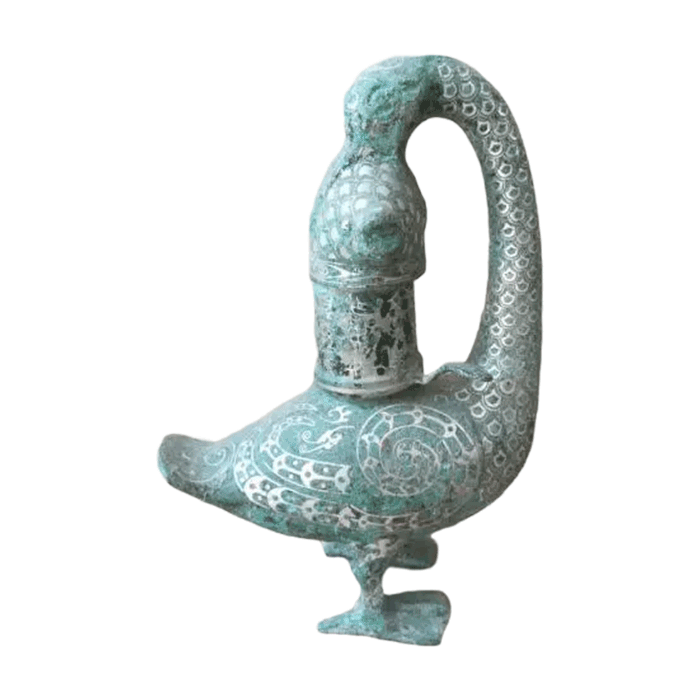
Animal statues may be suitable when the chosen form relates to the organization’s values or local design story. The important consideration is restraint. Select a form with a clear silhouette and place it where it will not interfere with chairs, bags, cleaning access, or flexible furniture movement. Designers sourcing themed pieces can compare available animal bronze statues when developing early visual direction.
Quiet rooms and executive areas
Quiet rooms require a different approach. Heavy visual decoration can undermine the calm that these spaces are intended to provide. A single bronze mirror, a low-profile vessel, or a subtle wall-mounted artwork may be more appropriate than a large figurative statue. Here, the material itself becomes the focal point: hand-finished surfaces, controlled patina variation, and refined edges can add interest without creating distraction.
Select Materials and Patinas That Work With Contemporary Architecture
Most open offices contain a mixture of finishes: acoustic felt, powder-coated metal, carpet tile, glass, stone, timber veneer, laminate, and exposed concrete. Bronze should be selected as part of this complete material palette. Its color and surface treatment can either soften a cool environment or add richness to a restrained neutral scheme.
Premium Cu-Sn bronze cast through the lost-wax method offers detailed form-making possibilities for sculptures and decorative artworks. Hand chasing, polishing, and patina finishing can support different visual directions, from darker antique-inspired surfaces to more contemporary polished or controlled-tonal finishes. For project teams, requesting material samples or reviewing finish references during design development can reduce uncertainty before production begins.
Patina is not only a color decision. It affects how a piece responds to daylight, overhead lighting, and nearby reflective materials. A dark patina may provide visual weight against pale stone or white walls. A warmer brown finish may complement walnut, oak, leather, and brass-toned lighting. Green-toned patinas can work as accents near planting, though they should be balanced carefully to avoid making a corporate environment feel overly themed.
| Office Material | Bronze Decor Direction | Design Consideration |
|---|---|---|
| Glass and polished stone | Dark antique or warm brown patina | Adds visual warmth and reduces a cold, reflective impression. |
| Light wood and neutral textiles | Medium brown or softly polished bronze | Supports a calm, layered material palette. |
| Exposed concrete and black metal | Refined modern patina or polished highlights | Provides contrast while maintaining an industrial-contemporary feel. |
| Green planting features | Restrained dark bronze or selected green patina | Use controlled color balance so the sculpture remains distinct. |
Before specifying a bronze piece, designers should also understand the material distinction between bronze and brass. Their composition, color, and finishing response differ, which can affect the appearance of the final project. The guide on bronze and brass differences can assist buyers evaluating material options during sourcing.
Plan Scale, Safety, and Maintenance for Shared Environments
A visually successful artwork must also function safely in a workplace. Open offices experience frequent movement from employees, visitors, delivery teams, and facility staff. Freestanding artworks should be planned with stable bases, appropriate placement, and sufficient clearance. Small items should not be placed where they can be easily knocked over, while taller sculptures should be positioned away from narrow travel routes.
Project designers should establish practical criteria before selecting final pieces. These criteria may include maximum height, base footprint, weight range, wall fixing requirements, expected viewing distance, cleaning access, and compatibility with building management procedures. Where a work is intended for a high-traffic location, a lower and wider form may be preferable to a narrow, delicate silhouette.
Maintenance planning is equally relevant. Bronze develops character through its surface treatment, but the selected finish should suit the operational realities of the space. Frequent touching, cleaning products, direct sunlight, and high humidity can affect appearance over time. A supplier should be able to provide guidance on care expectations, finish protection, and appropriate handling after installation.
Luoyang Yichuan Bronze Craft Co., Ltd. performs quality inspection before shipment and provides after-sales support for patina touch-ups and restoration guidance. For buyers managing fragile or high-value decorative objects, export-compliant protective packaging is also an important sourcing consideration. This can help project teams receive sculptures, vessels, and custom artworks in a condition suitable for installation planning.
Develop a Clear Sourcing Brief Before Ordering Custom Pieces
A successful decor procurement process starts with a clear brief. Instead of asking for a general “Asian-inspired” item, architects and buyers should define the required visual language, dimensions, finish direction, installation location, and performance needs. This improves communication and helps a manufacturer recommend realistic production methods.
For custom bronze artworks, useful information includes drawings, reference images, mood boards, material palettes, scale models, renderings, and site photographs. The brief should also clarify whether the project needs a single prototype, a matched set of vessels, repeated decorative elements for several office locations, or a larger bulk production run. Custom sculpture orders can begin from one piece, while bulk order arrangements depend on size and design complexity.
- Define the space: Identify the office zone, dimensions, nearby furniture, ceiling height, and circulation requirements.
- Set the visual direction: Choose whether the project needs a modern, antique-inspired, minimal, figurative, or abstract appearance.
- Select the object category: Consider sculptures, vessels, mirrors, incense burners, Buddhist statues, or a fully custom artwork.
- Confirm finish expectations: Provide patina references and note adjacent colors, lighting conditions, and surface materials.
- Review technical requirements: Clarify mounting, base construction, shipment needs, and site installation limitations.
- Approve the design process: Confirm the prototype or production approach before proceeding with the final order.
For projects requiring a one-off centerpiece or a branded sculptural installation, buyers can customize bronze sculptures based on project drawings and design requirements. With a 3,000-square-meter production area and more than 30 skilled craftsmen, including casting masters and finishing artisans, the company supports both individual custom works and larger project quantities.
Use Meaningful Decor to Support a More Human Workplace
The strongest office interiors do more than look polished in photographs. They help people feel oriented, welcomed, and connected to the workplace. In an open environment, decorative elements should introduce moments of pause without reducing flexibility. A bronze sculpture near an entry can establish arrival. A vessel in a shared lounge can add quiet texture. A mirror on a carefully selected wall can increase visual depth. A custom artwork can become part of the organization’s long-term identity.
Asian Style Office Decor is most effective when it is treated as a disciplined design framework rather than a collection of symbols. Select pieces for their form, craftsmanship, placement, and compatibility with the daily experience of employees. Maintain open sightlines, allow room around each object, and choose a limited palette of finishes that supports the architectural concept.
By combining thoughtful space planning with durable bronze craftsmanship, project teams can create shared workspaces that feel contemporary, calm, and distinctive. The result is not an overloaded themed office, but a balanced environment where art supports both professional function and visual identity.
===