Asian Style Office Decor Without Visual Clutter
Asian Style Office Decor Can Be Layered With Purpose, Balance, and Clear Space
Facilities teams and interior buyers often want an office to feel considered, culturally informed, and memorable without becoming busy or difficult to maintain. A layered interior can achieve that result when each object has a defined role, sufficient surrounding space, and a clear relationship with the architecture. Bronze vessels, sculptures, mirrors, and incense burners can introduce material depth and historic reference, but they should not compete for attention in every corner.
The most successful workplace displays use a hierarchy: one focal object, a few supporting elements, and a quiet background. This approach helps employees, clients, and visitors notice the craftsmanship of individual pieces rather than seeing a crowded collection. It also gives cleaning teams safer access and allows facilities managers to make seasonal or departmental updates without redesigning the whole office.
For buyers developing a coordinated environment, Asian Style Office Decor works best as a system of proportions, finishes, display heights, and sightlines rather than as a collection of unrelated decorative objects. The goal is not to fill every empty surface. The goal is to create selected moments of visual interest that support reception, meeting, executive, and circulation areas.

Start With a Display Hierarchy Before Selecting Objects
Clutter usually begins before installation. It happens when every item is selected because it is individually attractive, without determining how it will function in the room. Begin with a simple hierarchy that identifies primary, secondary, and accent pieces. Each level should have a different visual weight and placement strategy.
Use one primary focal point in each major zone
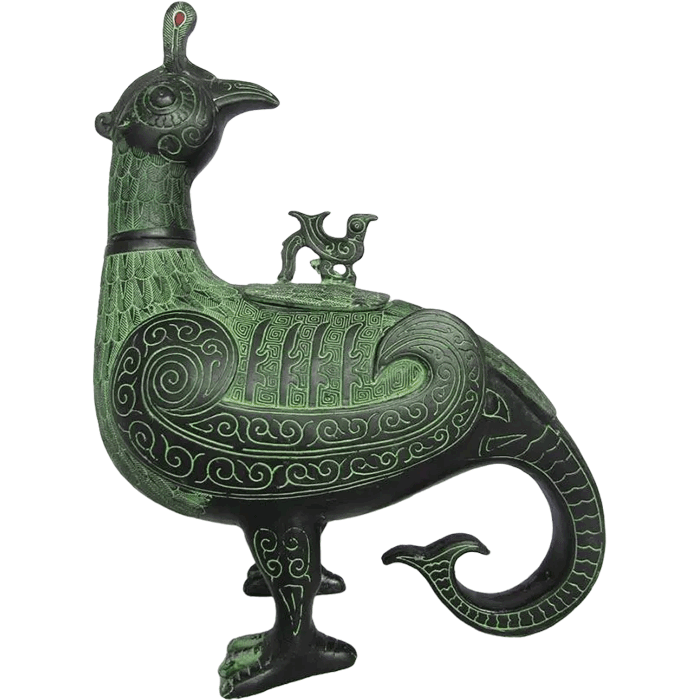
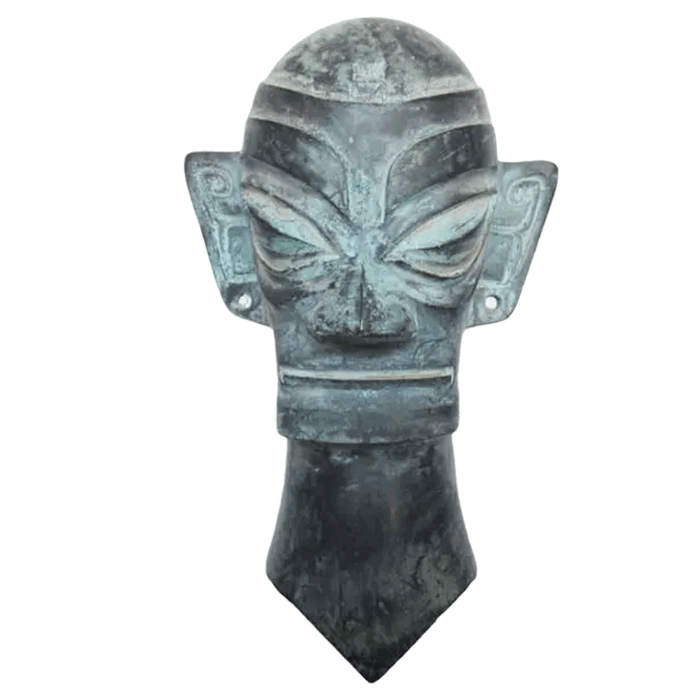
A primary focal point is the object visitors notice first. In a reception area, it may be a large bronze animal sculpture on a low plinth, a dignified human figure behind a reception desk, or a substantial vessel positioned against a plain wall. In a boardroom, the focal point may be one carefully scaled sculpture on a credenza rather than several smaller items spread across every cabinet.
Choose a focal point according to viewing distance. A large lobby with a long approach needs an object with a readable silhouette, while a small executive waiting area benefits from finer surface detail. Keep the background controlled. A patterned wall, multiple signs, office notices, and several art pieces behind one sculpture can weaken its impact. If a feature wall is necessary, use one restrained texture or tone that allows the bronze finish to remain visible.
Support the focal point with quieter companion pieces
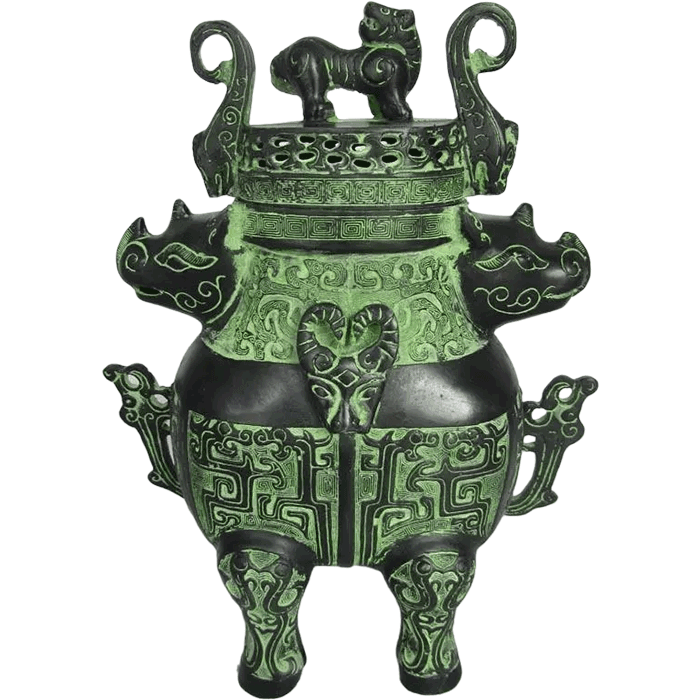
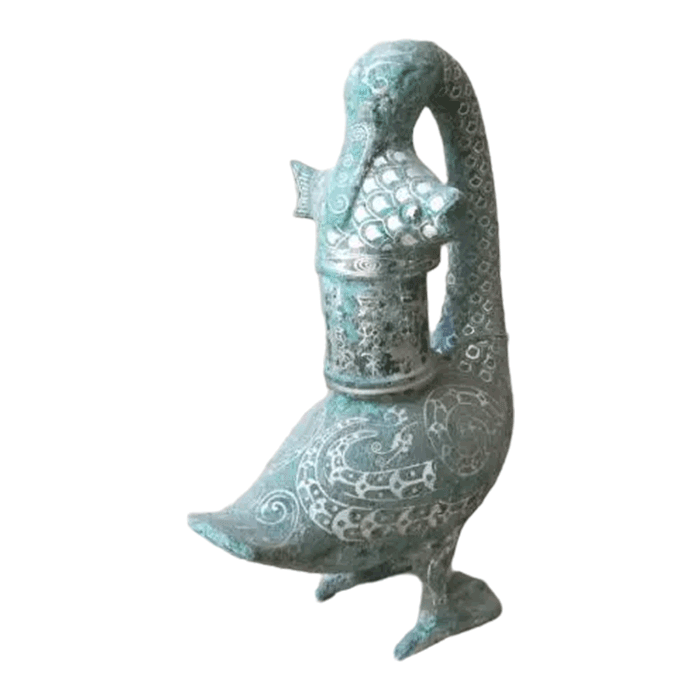
Secondary objects should reinforce the main piece without repeating it exactly. For example, an animal sculpture may be supported by a small bronze mirror or a simple vessel on an adjacent console. A large ding or hu can be balanced by one framed cultural reference or a single low plant. These pieces create rhythm across the room, but their scale, detail, and contrast should remain lower than the focal object.
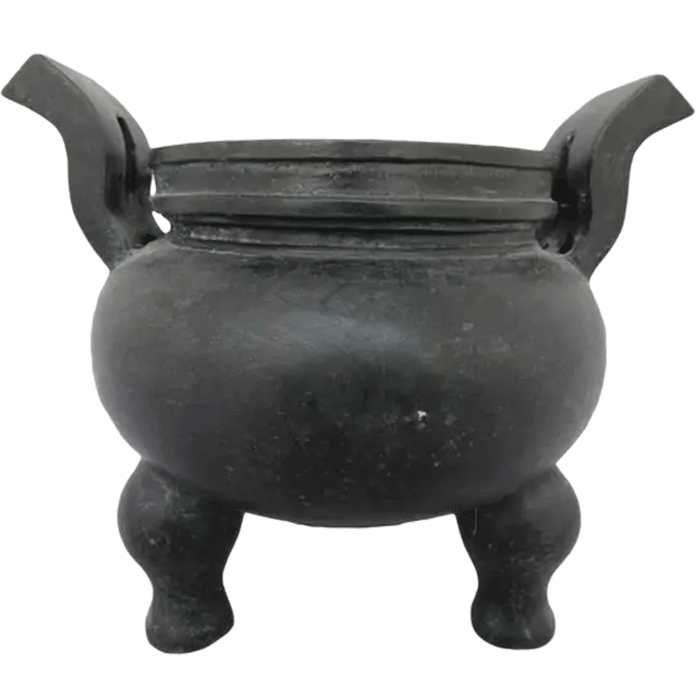
Accent pieces are the smallest layer. They may include a compact incense burner, a modest bronze decoration, or a small object placed in a niche. Use them sparingly. A practical rule for office planning is to leave at least one visibly empty surface in each display zone. The empty surface is not unfinished; it gives the installed objects room to communicate their shape and patina.
Plan Asian Style Office Decor by Zone, Not by Individual Desk
Workplaces have different traffic speeds, sightlines, and operational needs. A single display formula will not suit every space. Plan collections by zone so each piece can be appreciated at an appropriate distance and does not interfere with daily use.
Reception and visitor arrival areas
The reception area establishes the first impression, so it is an appropriate place for one important bronze work. Use a freestanding sculpture, vessel, or custom artwork where visitors can see it without blocking check-in circulation. Avoid placing fragile items directly at the edge of a reception counter or on narrow furniture that may be bumped by bags and deliveries.
A bronze work with an antique-style patina can add depth to a contemporary lobby with stone, timber, glass, or neutral wall finishes. For a more modern result, select a cleaner silhouette and controlled finishing treatment. The key is consistency: if the main piece has a dark, aged appearance, supporting metal accents should not introduce several unrelated bright finishes.
Boardrooms and meeting rooms
Meeting spaces require lower visual noise because attendees need to concentrate and use screens. Keep display pieces away from presentation walls and video-conference camera sightlines. A single vessel or small sculpture on a side credenza can work well, particularly when it echoes the lines of the table or cabinetry.
For rooms with a long wall, create one centered composition rather than a row of unrelated objects. A medium-scale bronze sculpture flanked by generous blank wall area often feels more confident than three small pieces. If the room already includes bold artwork, use a quieter vessel or mirror rather than adding another highly detailed sculpture.
Executive offices and private client rooms
Private offices allow for more personal detail, but they still benefit from restraint. Place a smaller bronze object where it can be seen during seated conversations, such as on a side cabinet or open shelving. Avoid filling desk surfaces, where decorative items compete with working documents, technology, and hospitality items.
A bronze mirror can bring visual interest to a wall or shelf while reflecting light in a controlled way. When selecting a mirror-inspired display, consider what it will reflect. It should not duplicate storage clutter, exposed cables, or a busy corridor. A brief overview of several bronze mirrors can help buyers understand the variety of forms available for a heritage-oriented display concept.
Corridors, transition areas, and niches
Circulation spaces are useful for a sequence of small visual moments, but safety and maintenance come first. Select shallow wall-based displays, recessed niches, or secure pedestals positioned outside the required passage width. Do not place protruding sculptures where they can be struck by carts, cleaning equipment, or people turning corners.
Use repeated spacing to connect multiple pieces along a corridor. For example, three small wall niches with one object each can create order. Their objects do not need to match exactly, but they should share a material family, plinth color, or lighting approach. Repetition creates cohesion without crowding the route.
Control Scale, Negative Space, and Viewing Height
Layering is not simply adding objects. It is arranging differences in size and elevation so the eye can move through a composition comfortably. When every item is the same height or similar visual weight, the display can appear flat. When every item is large, dark, and highly detailed, it can feel overwhelming.
Start by measuring the display surface and wall area. A vessel placed on a credenza should leave visible surface around its base. A sculpture on a plinth should have sufficient clearance on all sides so viewers can understand its outline. In most office settings, avoid placing multiple objects so close together that their silhouettes merge from the main viewing position.
- Use height variation carefully: Combine a low vessel with a taller sculpture or framed element, but avoid creating a steep staircase of unrelated objects.
- Keep one dominant form: Let the largest object establish the composition, then use smaller pieces to support it.
- Leave breathing room: Blank wall area, unoccupied shelving, and clear tabletop space are essential parts of the design.
- Consider seated and standing viewpoints: Reception guests, meeting attendees, and passing staff members see displays from different heights.
- Protect operational surfaces: Do not use shared worktables, printer cabinets, or emergency-access areas as permanent art display locations.
For shelving, avoid the common mistake of filling every compartment. Instead, use a pattern of occupied and empty bays. One shelf can hold a compact bronze incense burner, the next can remain open, and a lower shelf can hold a vessel with a broader silhouette. This distribution makes each item easier to see and reduces dust-trapping congestion.
Build a Cohesive Material and Patina Palette
Bronze naturally offers visual depth through casting texture, chasing, polishing, and patina. That richness is valuable in commercial interiors, but it should be balanced with surrounding materials. Before placing orders, create a finish board that includes wall paint, timber veneer, stone, upholstery, metal hardware, and lighting temperature. Then assess whether the bronze finish reads as a deliberate accent rather than an isolated color.
Luoyang Yichuan Bronze Craft Co., Ltd. works with premium Cu-Sn bronze alloy using the traditional lost-wax method, with hand chasing, polishing, and patina finishing available in antique or modern looks. This allows interior buyers to discuss the intended finish direction early in the specification process, rather than trying to coordinate patina only after other materials are installed.
For a restrained office scheme, select one dominant patina family. Deep brown, warm red-brown, dark green, and muted blackened bronze can each work well, but mixing all of them in a single compact room may look accidental. If more than one finish is necessary, make the distinction purposeful: for example, use darker pieces as the major anchors and a lighter polished detail only as a small accent.
It is also useful to distinguish bronze from brass before selecting fixtures or decorative companions. The discussion in bronze and brass differences can support more informed material coordination when a project includes multiple metal elements.
Coordinate historical references without creating a themed set
Asian-inspired office interiors do not require every object to come from the same historical source or decorative vocabulary. However, unrelated references need a unifying principle. This may be the same patina, a repeated base material, comparable levels of ornament, or a consistent use of negative space.
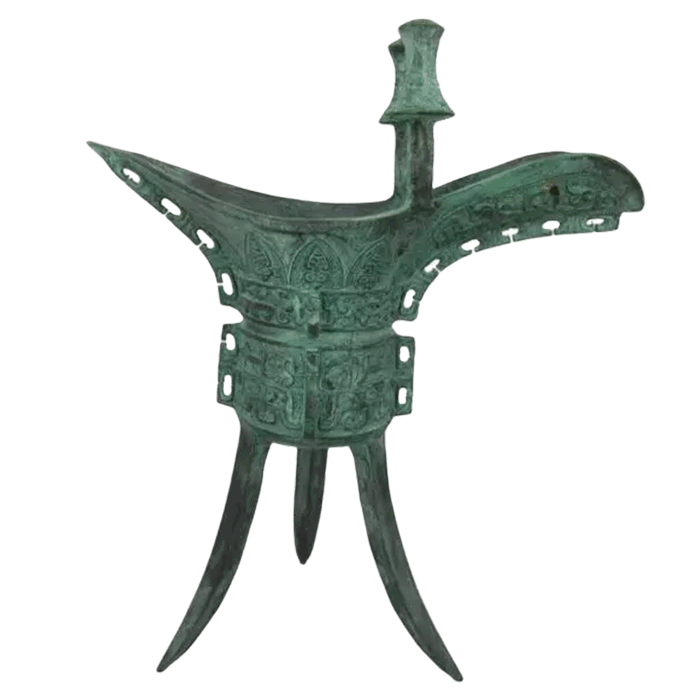
For example, a vessel-inspired piece can sit in the same office as a contemporary animal sculpture if both use a compatible finish and receive similarly calm presentation. Buyers considering traditional forms may find useful context in traditional bronze ware forms. The objective is not museum-style reconstruction; it is a coherent professional environment that respects the visual language of the objects.
Specify Display Details That Reduce Maintenance Risks
An attractive installation must also function safely over time. Facilities teams should assess location, mounting, cleaning access, stability, and protective packaging before finalizing the display plan. Bronze is durable, but a finished work can still be damaged by impact, unstable furniture, incorrect handling, or unsuitable cleaning methods.
| Planning Item | Recommended Office Approach | Clutter-Control Benefit |
|---|---|---|
| Plinths and bases | Use stable, proportionate bases with concealed protection where appropriate. | Creates a clear visual boundary around the artwork. |
| Lighting | Use focused, low-glare lighting that reveals form without creating harsh reflections. | Reduces the need for extra decorative items to create impact. |
| Cleaning access | Maintain reachable space around each object and provide handling guidance. | Prevents surrounding surfaces from becoming crowded. |
| Object grouping | Group by one shared factor such as finish, scale, or subject. | Makes a collection read as intentional rather than accumulated. |
| Packaging and delivery | Confirm protective packing requirements for fragile forms before shipment. | Supports safer installation planning and fewer last-minute substitutions. |
Luoyang Yichuan Bronze Craft Co., Ltd. performs quality inspection before every shipment and provides export-compliant protective packaging for fragile sculptures. The company also offers free replacement for casting defects, with after-sales support for patina touch-ups and restoration guidance. These details are relevant when a display is intended for a reception area, executive suite, or other location where presentation quality needs to remain consistent.
Specify the final display method in the project documentation. Include object dimensions, approximate weight confirmation, plinth requirements, mounting method where applicable, handling instructions, lighting position, and the approved viewing direction. This level of planning helps prevent a carefully selected piece from being placed on unsuitable furniture after delivery.
Use Custom Work When Standard Pieces Do Not Fit the Layout
Ready-made objects can suit many projects, but custom bronze artwork is valuable when an office has a distinctive niche, a constrained ceiling height, a brand-related theme, or a carefully controlled color palette. Custom work can also help a buyer avoid forcing a standard-size piece into a space where it appears undersized or obstructs circulation.
Luoyang Yichuan Bronze Craft Co., Ltd. supports custom bronze sculpture orders from a single prototype to bulk production runs, with a custom MOQ from one piece. Its 3,000-square-meter production area in Yichuan County, Luoyang, includes more than 30 skilled craftsmen, including bronze-casting masters and finishing artisans. With annual output exceeding 50,000 bronze art pieces and ISO 9001 quality management system certification, the company can support buyers who need both tailored artwork and repeatable production coordination.
When requesting custom work, provide a clear brief that includes the intended location, maximum footprint, target height, preferred patina, installation environment, viewing distance, and reference images. For antique-inspired replication, clarify whether the project requires a close visual reproduction or an interpretation suitable for a modern office. Buyers can begin the specification process through custom bronze sculpture options.
Create a Layered Office Display With a Simple Review Process
Before approving a final scheme, review each zone from the perspective of a visitor, an employee, and a facilities manager. The visitor should see a clear focal point. The employee should have an environment that feels calm rather than distracting. The facilities manager should have safe access for cleaning, moving furniture, and maintaining the display.
- Identify the main sightline and select one focal work for the zone.
- Add no more than two supporting objects before reviewing the composition.
- Remove any piece that duplicates the same scale, finish, or visual role.
- Check circulation routes, furniture clearances, and access to electrical or safety equipment.
- Confirm lighting and patina samples under the actual office light conditions.
- Document placement so the composition can be restored after cleaning or office reconfiguration.
Thoughtful layering is a process of editing. A smaller number of well-made bronze objects, placed with space and intention, can communicate more quality than a crowded collection. By establishing hierarchy, coordinating finishes, and specifying maintenance requirements early, interior buyers can create a workplace display that feels cultured, professional, and easy to manage over time.