Asian Style Office Decor Materials That Last
Asian Style Office Decor Materials That Last
Office decoration has a practical role beyond visual appeal. For corporate lobbies, executive suites, boardrooms, hospitality offices, cultural institutions, and reception areas, decorative objects must retain their presence through daily use, routine cleaning, changes in light, and frequent visitor traffic. Buyers evaluating Asian-inspired interiors often need materials that communicate cultural depth while also meeting realistic expectations for longevity, maintenance, and installation.
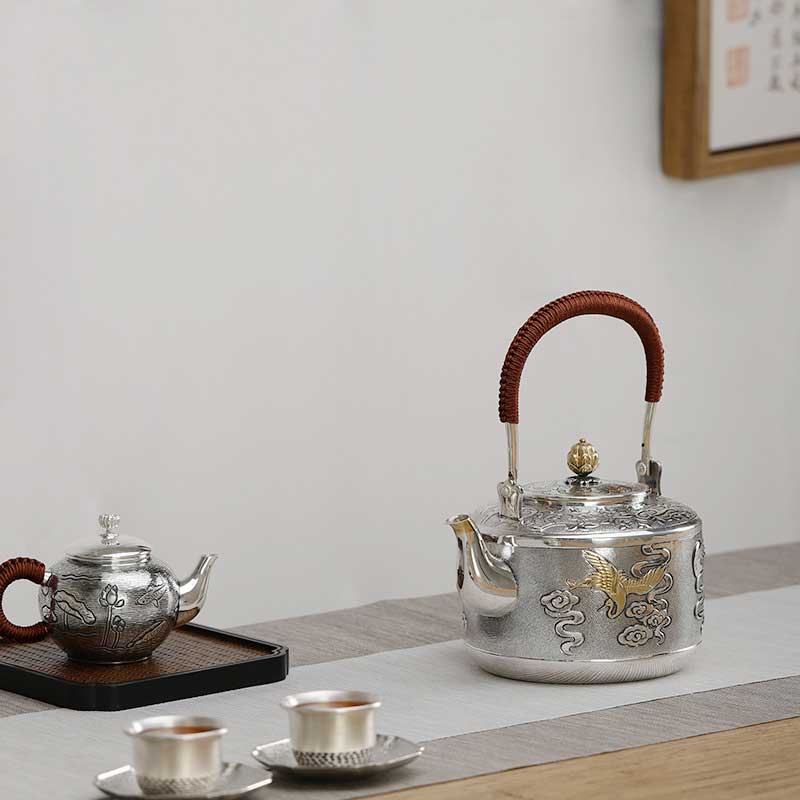
Bronze, hardwood, stone, ceramic, and carefully selected textiles can all support an Asian-influenced office concept. However, their performance is not identical. A fragile ceramic display may be appropriate for a protected executive cabinet, while a substantial bronze vessel or sculpture may be better suited to a busy lobby or shared conference area. Procurement teams should consider not only the initial design effect, but also the material’s weight, surface stability, cleaning requirements, repair options, and suitability for the intended location.
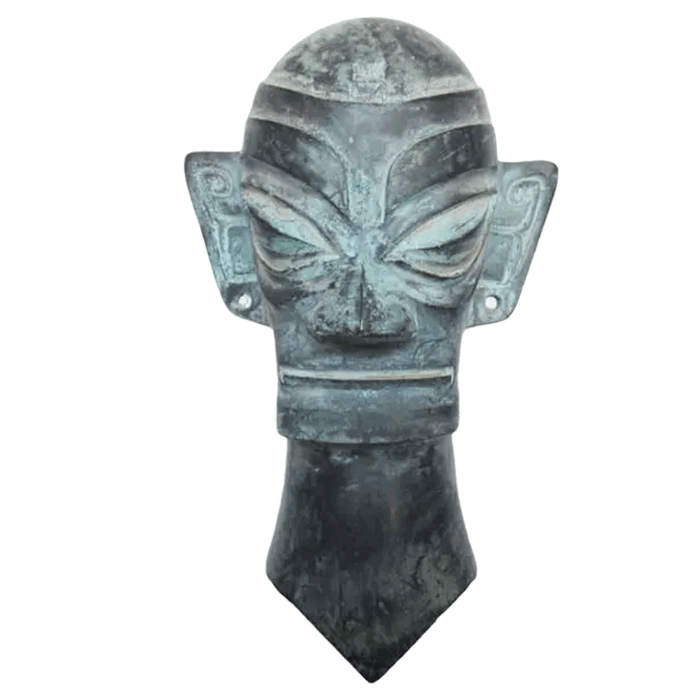
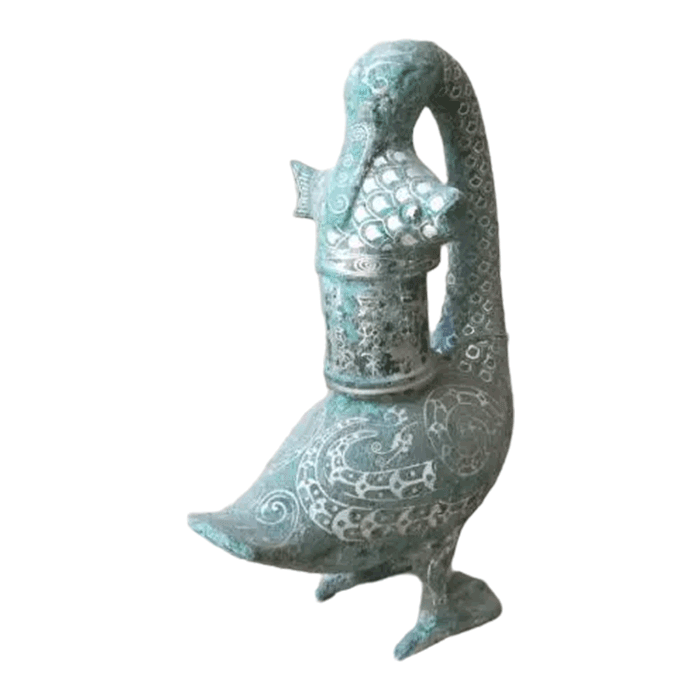
For buyers seeking durable decorative metalwork, Luoyang Yichuan Bronze Craft Co., Ltd. produces bronze sculptures, vessels, mirrors, incense burners, Buddhist statues, and custom bronze artworks. The company uses premium Cu-Sn bronze alloy and traditional lost-wax casting, with hand chasing, polishing, and patina finishing available for antique or contemporary interiors. Its ISO 9001 quality management system certification and export quality inspection compliance provide relevant assurance for international decorative-art procurement.
Why Material Selection Matters in Commercial Interiors
Decorative material selection should begin with the operating conditions of the office. A design that works in a private study may not work in a public reception area where furniture is moved, visitors gather, and cleaning personnel work around the display. A long-lasting specification considers how the object will be viewed, touched, relocated, illuminated, and maintained over time.
Asian-inspired interiors often balance natural textures with structured forms. Dark woods, stone surfaces, hand-finished metals, woven fibers, ceramic vessels, and muted color palettes can create a composed atmosphere. The most successful projects avoid treating every decorative item as interchangeable. Each material should have a defined purpose in the overall scheme.
- Bronze provides visual weight, detailed modeling, and a finish that can suit classical, traditional, or modern spaces.
- Stone brings permanence and texture, particularly in entryways, courtyards, and large reception zones.
- Hardwood introduces warmth but requires attention to humidity, sunlight, scratches, and surface care.
- Ceramic offers refined form and color but is more vulnerable to impact in high-traffic locations.
- Textiles and paper-based accents soften an office environment but may require more frequent replacement or controlled display conditions.
For procurement professionals, durability should not mean selecting only the hardest material. It means matching the material to the project environment. A bronze incense burner may serve as a stable focal point on a credenza, while a bronze animal sculpture can anchor an open shelving display. A delicate antique-style mirror may be better placed where it is visible but protected from repeated handling.
Bronze for Long-Term Decorative Value
Bronze is particularly suitable for offices that require decorative pieces with dimensional presence and substantial visual character. Cu-Sn bronze has been used in artistic and ceremonial objects for centuries because it can capture fine surface detail during casting and accept a wide range of finishing treatments. In contemporary commercial interiors, bronze can work equally well with dark timber panels, pale stone, glass partitions, concrete, and restrained neutral furnishings.
Lost-wax casting is especially relevant when selecting detailed custom objects. The method supports complex forms, undercuts, textures, relief patterns, facial features, animal anatomy, and ornamental motifs that may be difficult to achieve through simplified fabrication methods. After casting, hand chasing and polishing help refine the surface, while patina finishing can establish the intended color and visual age.
Bronze does not need to look identical in every project. A dark antique patina may complement a formal boardroom inspired by traditional Chinese architecture. A warmer brown or more contemporary finish may suit a modern headquarters. For teams comparing historic references, the evolution of bronze culture offers useful context on the long design history of bronze objects and their changing forms.
Common bronze selections for commercial decoration include:
- Human figures for reception areas, executive corridors, and cultural offices.
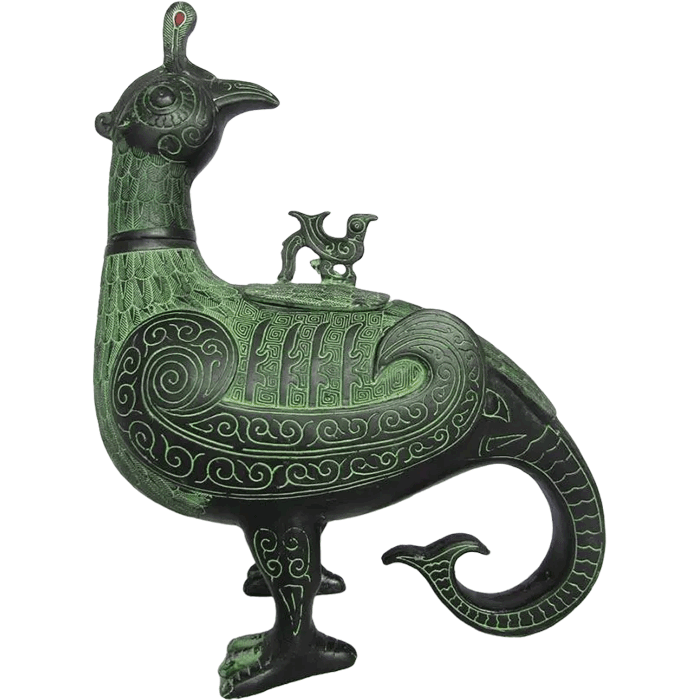
- Animal statues for lobby focal points, garden-facing interiors, and hospitality settings.
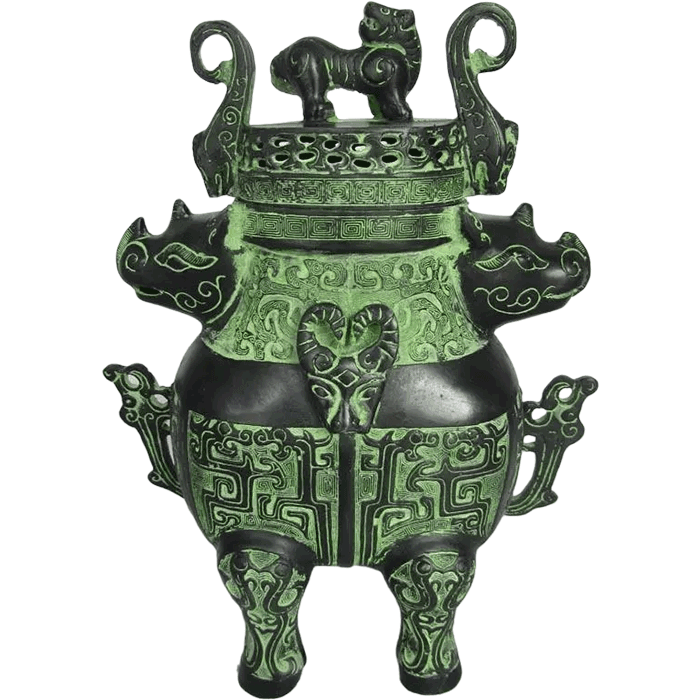
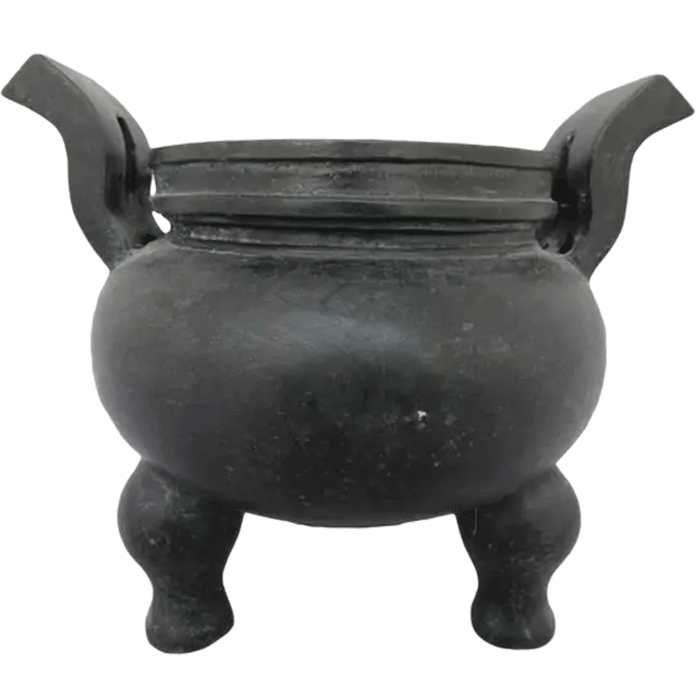
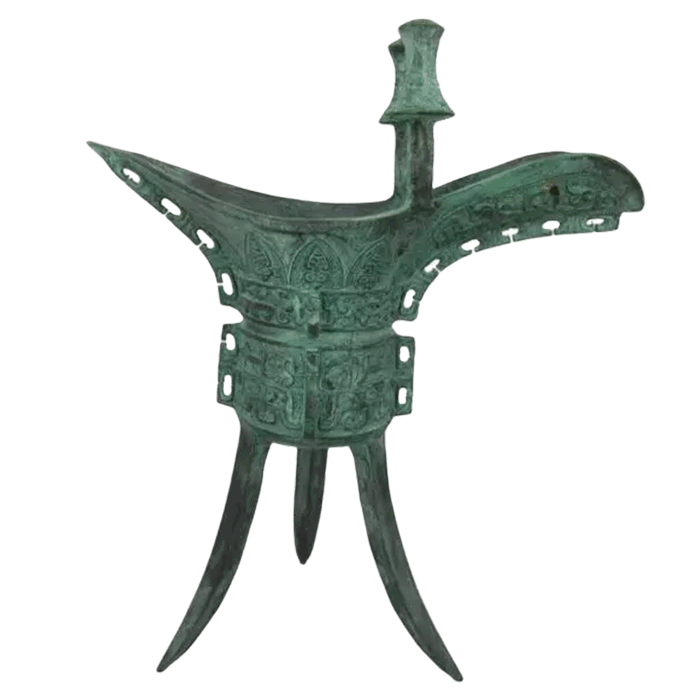
- Ding, zun, hu, tripod, and vase forms for credenzas, feature shelving, and meeting rooms.
- Bronze mirrors for walls requiring historical character and reflective visual depth.
- Incense burners and Buddhist-inspired forms for spaces where contemplative design language is appropriate.
- Custom artworks developed around a company emblem, local history, architectural feature, or curated concept.
Luoyang Yichuan Bronze Craft Co., Ltd. supports custom work from one prototype piece through bulk production runs. This is useful when a designer needs a single signature artwork for a headquarters lobby, while a procurement team may need coordinated objects for several offices or hospitality locations. The company’s annual output exceeds 50,000 bronze art pieces, supported by a 3,000-square-meter production area in Yichuan County, Luoyang, Henan Province and a team of more than 30 skilled craftsmen, including bronze-casting masters and finishing artisans.
Comparing Durable Decorative Materials for Office Use
A procurement comparison should assess more than appearance. The following table provides a practical overview of how common decorative materials may fit office environments. Final suitability will depend on the specific object design, display method, environmental exposure, and cleaning process.
| Material | Best Office Locations | Key Advantages | Maintenance Considerations |
|---|---|---|---|
| Bronze | Lobbies, boardrooms, executive areas, protected shelves | Substantial appearance, detailed casting, adaptable patina finishes | Dust gently; avoid abrasive cleaners and unnecessary handling |
| Stone | Entryways, large floors, courtyards, fixed installations | Natural visual weight and strong architectural presence | Requires suitable sealing and careful handling during installation |
| Hardwood | Executive offices, meeting rooms, wall panels, furniture displays | Warm texture and traditional character | Protect from excessive moisture, scratches, and prolonged direct sunlight |
| Ceramic | Display cabinets, low-contact shelves, private offices | Fine color, glaze, and vessel forms | More vulnerable to impact and accidental breakage |
| Textile or paper | Wall art, screens, controlled decorative zones | Softens acoustics and adds layered texture | May fade, stain, or require periodic replacement |
For high-visibility locations, bronze offers an advantage when buyers want an object that reads clearly from a distance and remains appropriate across changing furniture layouts. A sculpture does not need to be oversized to be effective; a well-proportioned bronze figure, vessel, or animal form can provide a strong visual center when placed against a simple wall, stone plinth, or timber console.
Material combinations can also improve the overall result. For example, a bronze vessel placed on a dark wood cabinet creates a layered contrast between metallic patina and natural grain. A bronze mirror on a textured wall can add depth without requiring a large painted artwork. Buyers exploring different forms may review available Chinese bronze sculpture styles when developing a material and placement schedule.
Choosing the Right Object for Each Office Zone
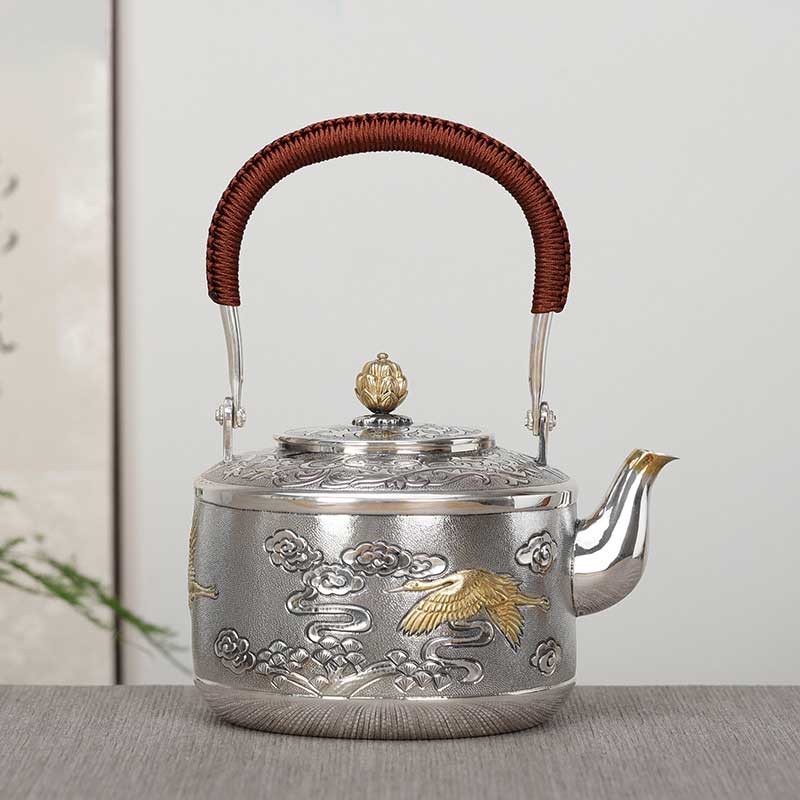
Display suitability changes from room to room. A decorative object should support the purpose of the space rather than interrupt it. Reception areas need a confident first impression. Boardrooms benefit from objects that feel considered but do not distract from meetings. Executive suites may accommodate more personal or historically referential pieces. Corridors and open offices require careful attention to clearance and safety.
Reception and Lobby Areas
Reception spaces can support larger bronze statues, animal sculptures, or vessels with strong silhouettes. These areas typically have the greatest visitor exposure, so the object should be positioned with adequate circulation space. Consider a pedestal, a stable console, or a wall niche rather than placing a valuable decorative object at floor level in a narrow passage.
A custom work can be appropriate when the organization wants a symbol connected to its brand, regional identity, or industry. Before commissioning, provide drawings, reference images, target dimensions, display photographs, and desired patina direction. Exact replication of antique bronze references and consistent patina color matching are among the sourcing concerns the company addresses for custom bronze art projects.
Boardrooms and Executive Offices
Boardrooms often benefit from smaller but highly finished objects. A bronze ding, hu, zun, or tripod vessel can serve as a table-adjacent accent or credenza centerpiece. Such pieces introduce cultural reference without requiring a large installation. For interiors with a quieter visual language, a restrained dark patina can work well with walnut, charcoal upholstery, stone, and warm indirect lighting.
When selecting historical vessel forms, avoid treating them as generic ornaments. Understanding the source language helps designers choose appropriate shapes and motifs. The overview of several bronze wares can help teams distinguish between traditional categories when building a more informed display concept.
Corridors, Libraries, and Display Walls
Wall-mounted bronze mirrors, reliefs, or smaller shelf-based objects can add interest to transitional spaces. Ensure that protruding pieces do not affect circulation. In libraries, private clubs, cultural organizations, and hospitality offices, a sequence of coordinated smaller works may be more effective than one oversized object.
For open shelving, use spacing deliberately. Decorative objects need visual breathing room, particularly when paired with books, framed documents, or greenery. A common mistake is crowding multiple items together until their forms are lost. A single bronze statue with appropriate lighting can be more memorable than a densely packed shelf.
Maintenance and Handling Requirements
Durable materials still require correct care. A long service life depends on selecting an appropriate location, establishing a sensible cleaning routine, and training facilities staff not to use unsuitable products. Maintenance instructions should be included in the project handover documentation, especially where multiple sites or outsourced cleaning teams are involved.
For bronze objects, routine care generally begins with gentle dust removal using a soft, dry cloth or soft brush. Abrasive pads, harsh chemical cleaners, and aggressive polishing products should be avoided because they may alter a hand-applied patina or create uneven surface changes. Do not use cleaning methods intended for unrelated metals without confirming their compatibility with the finish.
Placement is equally important. Consider the following practical measures:
- Keep sculptures on level, stable surfaces designed to support their weight.
- Use secure pedestals or bases for freestanding displays in public areas.
- Avoid locations where the object may be struck by doors, carts, chairs, or luggage.
- Keep liquids, food service items, and cleaning chemicals away from the display.
- Use controlled lighting that highlights form without exposing sensitive adjacent materials to excessive heat.
- Document the intended patina appearance before installation for future reference.
For export projects, protective packaging matters as much as the finished piece. Fragile sculptures and detailed surfaces require packaging appropriate to their shape and transport conditions. Luoyang Yichuan Bronze Craft Co., Ltd. provides export-compliant protective packaging for fragile sculptures and conducts quality inspection before every shipment. The company also offers free replacement for casting defects, together with after-sales support for patina touch-ups and restoration guidance.
How to Procure Custom Bronze Art With Fewer Risks
Mid-stage buyers often have a design direction but still need to confirm dimensions, finish, quantity, budget alignment, shipping requirements, and installation conditions. A structured inquiry reduces uncertainty and helps a bronze supplier provide a more relevant quotation and production recommendation.
Include the following information when requesting a proposal:
- Reference images, sketches, CAD files, or photographs of the intended concept.
- Required dimensions, including maximum height, width, depth, and base size.
- Target quantity and whether the project needs one unique piece or repeated items.
- Preferred finish, such as antique, dark brown, green-toned, polished, or modern patina.
- Display location, including indoor or sheltered outdoor conditions.
- Target delivery destination and any packaging, labeling, or inspection requirements.
- Installation information, including pedestal dimensions, wall fixing needs, and access limitations.
Custom bronze sculpture orders can begin from one piece, while bulk order terms can be discussed according to size and design complexity. For a buyer managing a distinct branded installation, the option to customize a bronze sculpture can be especially useful when standard catalog dimensions do not fit the available space.
Before approval, ask for confirmation of the alloy, casting process, finish direction, dimensions, base construction, and packing approach. If the project depends on color consistency across multiple pieces, communicate the desired patina with clear visual references. Since hand finishing is involved, the approval process should focus on the intended visual character rather than expecting a purely machine-uniform surface.
Building a Timeless Decorative Specification
A lasting office interior is not created by filling every surface with themed objects. It is created through proportion, material compatibility, thoughtful placement, and quality execution. Bronze performs well in this context because it can be both sculptural and architectural: a small vessel can enrich a credenza, while a substantial statue can define a reception space.
For procurement teams, the best approach is to create a material hierarchy. Reserve more substantial bronze works for focal locations. Use wood and stone as supporting architectural materials. Place ceramics in protected display areas. Select textiles where their softness and acoustic contribution outweigh their need for more frequent care. This approach helps maintain a clear visual identity while allocating budget according to visibility and expected use.
When evaluating a supplier, look beyond the product photograph. Confirm craftsmanship capacity, finishing options, quality control, packaging, and after-sales support. With experienced bronze-casting masters, hand-finishing artisans, and capacity for both custom prototypes and larger runs, Luoyang Yichuan Bronze Craft Co., Ltd. can support decorative projects that require cultural character, reliable production planning, and export-oriented handling.
Well-chosen bronze art can give an office a lasting point of reference: a physical object that carries weight, craftsmanship, and visual calm long after temporary decorative trends have changed.