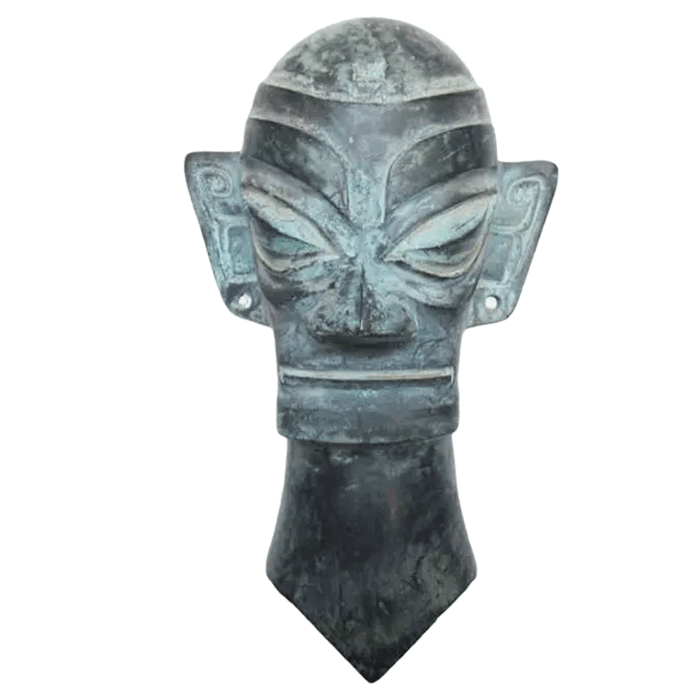
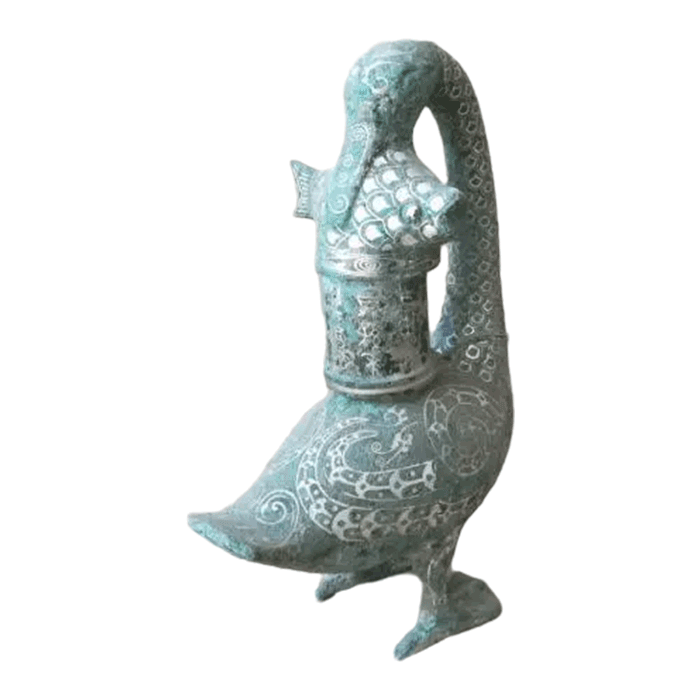
Are Ancient Chinese Bronze Reproductions Worth Importing?
Are Ancient Chinese Bronze Reproductions Worth Importing for Giftware and Décor Buyers?
Importers and giftware buyers who evaluate the bronze category often ask the same question: do reproduction bronzes deliver enough margin, durability, and buyer appeal to justify the sourcing effort? The answer depends heavily on where the pieces are made, how they are cast and finished, and whether the supplier can support the quality and packaging standards required for international shipment. This article breaks down the practical factors that determine whether Ancient Chinese Bronze Reproductions are a sound addition to your product line.
Why Buyers Are Sourcing Bronze Reproductions from Luoyang
Luoyang, in Henan Province, sits at the heart of a bronze-casting tradition that stretches back roughly 3,000 years. This region produced many of the ritual vessels, mirrors, and ceremonial pieces that later became museum-grade references for collectors and designers worldwide. Sourcing from this area gives importers access to craftsmen who have inherited generations of casting knowledge, rather than factories that treat bronze as a generic metal product.
At Luoyang Yichuan Bronze Craft Co., Ltd., production takes place across a 3,000-square-meter facility staffed by more than 30 skilled workers, including dedicated bronze-casting masters and finishing artisans. The company holds ISO 9001 certification, and products are made to comply with export quality inspection standards for art crafts — a baseline that matters when customs authorities or retail partners request documentation.
Buyers researching the category further can review the historical background of the evolution of bronze culture over 2000 years to understand why certain forms, such as ding tripods and zun vessels, remain in steady demand among collectors and interior designers.
Casting Method and Finishing Determine Real Quality
Lost-Wax Casting vs. Sand Casting
Not all bronze reproductions are made equally. Lower-cost workshops often use sand casting, which is faster but produces rougher surface detail and visible seams. Premium producers use the traditional lost-wax method with a Cu-Sn bronze alloy, which allows for finer surface detail, sharper inscriptions, and closer replication of antique originals. For importers targeting galleries, museum shops, or high-end gift catalogs, this distinction directly affects sell-through and return rates.
Hand Chasing, Polishing, and Patina
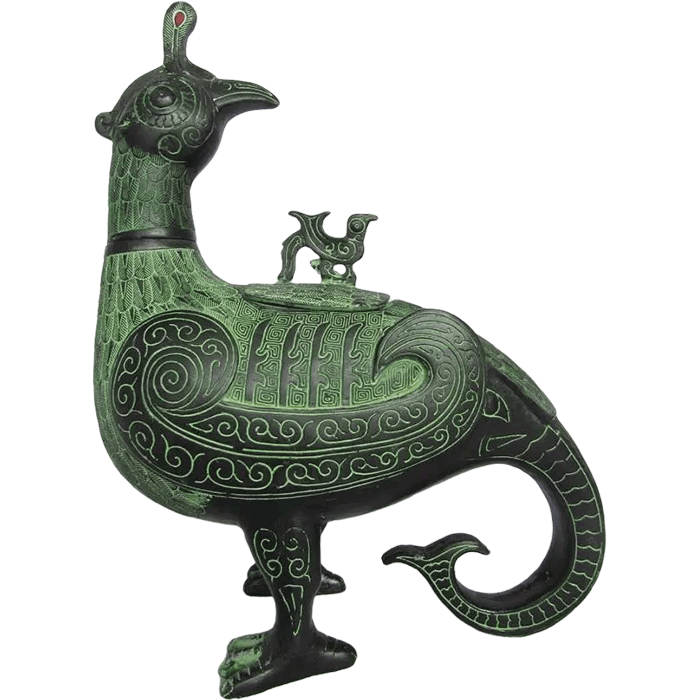
After casting, pieces typically go through hand chasing to refine surface details, followed by polishing and patina application. Patina work is where reproduction quality is most visible — customers can request antique-style oxidized finishes that mimic centuries of aging, or modern polished looks suited to contemporary interiors. Consistent patina color matching across a production run is one of the more common pain points for importers ordering in volume, since uneven coloring across a batch can hurt presentation on a retail shelf or trade show display.
Buyers interested in the variety of forms available should browse chinese bronze sculpture collections, which range from ceremonial vessels to decorative pieces suited for home and office environments.
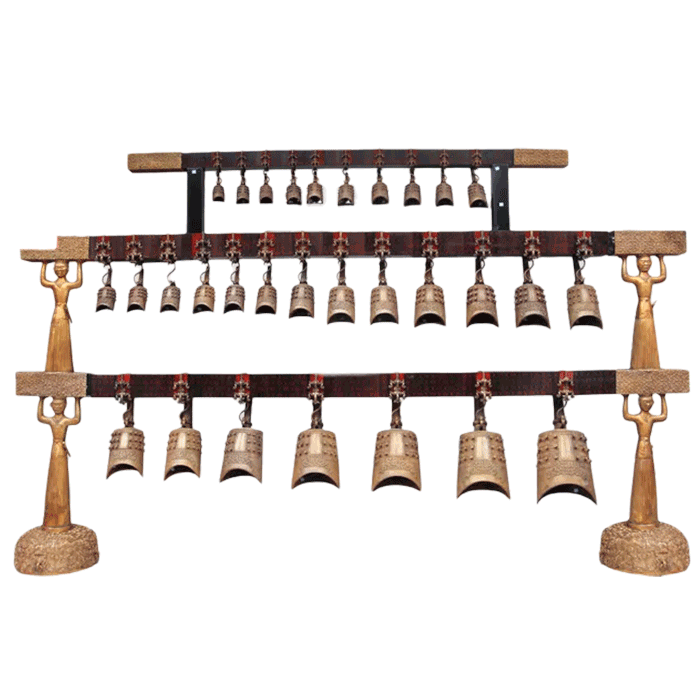
Margin Considerations for Importers and Giftware Buyers
MOQ Flexibility Reduces Initial Risk
One practical advantage for new importers is MOQ flexibility. Custom sculpture orders can start from a single piece, which allows buyers to test a design, confirm quality, and gauge market response before committing to bulk production. Larger orders are negotiable based on size and design complexity, giving importers room to negotiate unit pricing once a design is validated.
Product Categories with Distinct Margin Profiles
Different bronze categories carry different margin structures depending on labor intensity and finishing complexity:
- Bronze sculptures (human and animal statues): Often priced by size, pose complexity, and detail level; animal statues tend to have broader consumer appeal for home décor buyers.
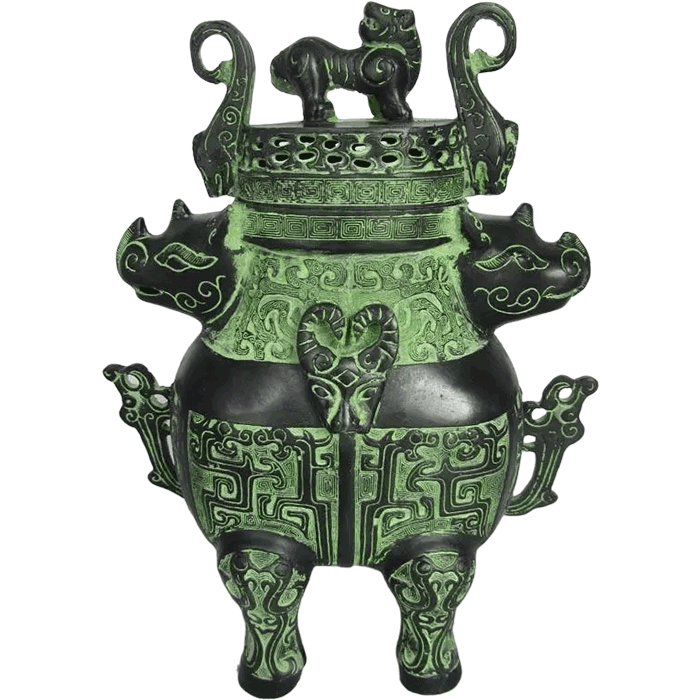
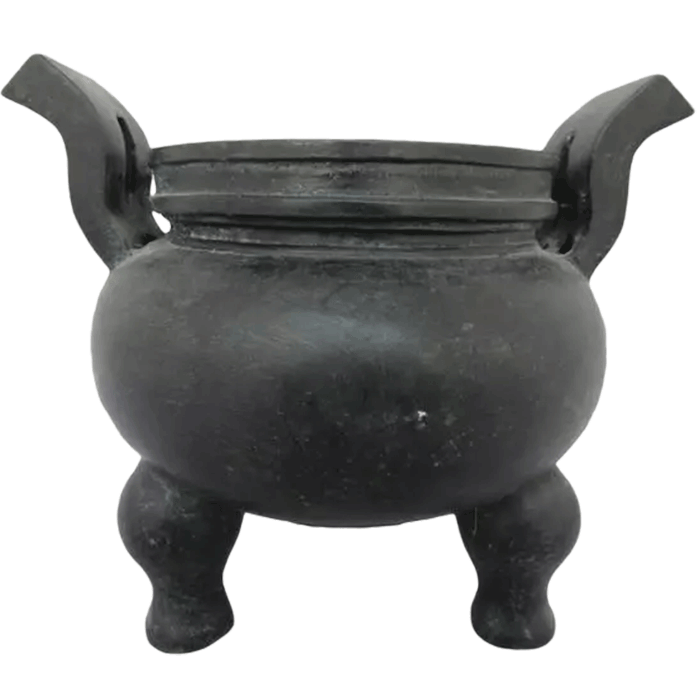
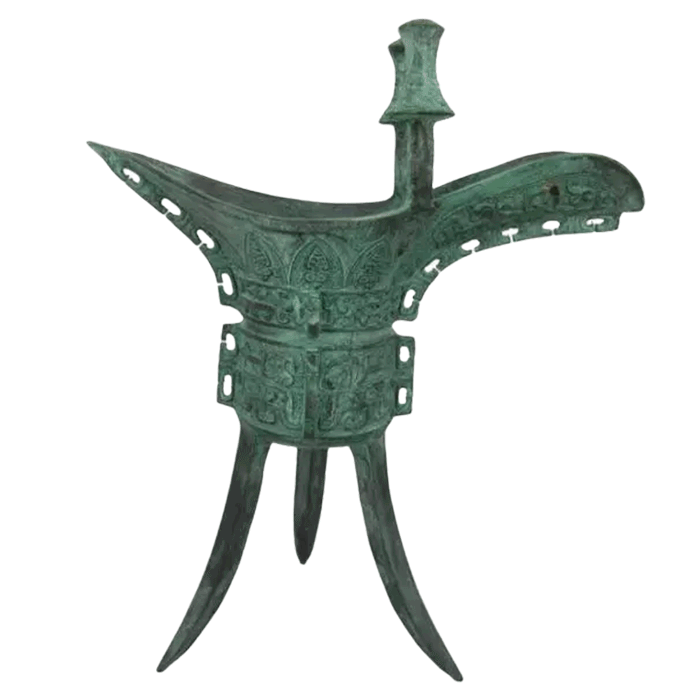
- Bronze vessels (ding, zun, hu tripods and vases): Strong appeal to collectors and cultural gift buyers; inscription accuracy and proportion matter for perceived authenticity.
- Bronze mirrors: A niche but steady category for buyers targeting museum-style reproductions and cultural gift sets.
- Bronze incense burners: Popular in both religious and lifestyle décor markets, with demand from temple suppliers and home goods retailers alike.
- Bronze Buddhist statues: Requires precise proportion and finishing standards, often sold through religious goods channels or specialty importers.
- Custom bronze artworks: Highest margin potential but requires close coordination on design approval and prototyping.
Importers can explore themed options in more depth through bronze statues with different themes, which cover antique reproductions as well as modern decorative styles.
Quality Control and After-Sales Support
Inspection Before Shipment
Quality inspection before every shipment is standard practice for a serious bronze exporter, and importers should confirm this step explicitly during supplier vetting. Given that bronze pieces are cast, chased, and finished by hand, minor variances can occur, and a pre-shipment check reduces the chance of receiving defective castings at the destination port.
Handling Casting Defects and Restoration
Free replacement for casting defects is a meaningful safeguard for importers working with fragile or high-value pieces, since bronze sculptures can be costly to reship internationally. After-sales support for patina touch-ups and restoration guidance also matters for buyers who plan to hold inventory for extended periods, as patina finishes can shift slightly over time depending on storage conditions.
Export-Compliant Packaging
Fragile sculptures and cast vessels require packaging that can survive ocean freight, customs handling, and inland transport. Export-compliant protective packaging is one of the underappreciated factors that separates reliable bronze suppliers from those who only optimize for unit price. Importers should ask suppliers directly about crating standards, cushioning materials, and whether packaging has been tested for the specific piece dimensions being ordered.
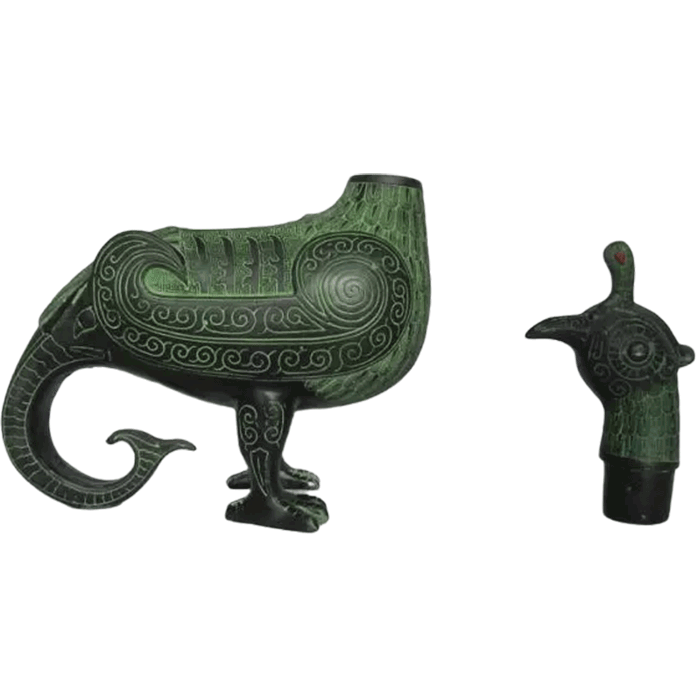
Authenticity, Design Accuracy, and Custom Sourcing
Exact Replication of Antique Originals
For importers serving museum shops, cultural institutions, or high-end collectors, exact replication of antique bronzes is often a non-negotiable requirement. This includes accurate proportions, correct inscription placement, and patina that closely matches the tone of historical originals rather than a generic "aged" look. Suppliers with craftsmen trained in traditional casting techniques are generally better positioned to meet this level of accuracy than mass-market metal goods factories.
Working from Custom Designs or Client References
Buyers who need a specific historical piece replicated, or who want to adapt a traditional form into a new size or finish, can work directly with the manufacturer's design and casting team. This is particularly relevant for private collectors, interior designers, and gift companies building an exclusive catalog. Details on the custom process are available at customize a bronze sculpture from sculpmart.com, which outlines how prototypes move from concept to finished casting.
Learning the Categories Before Ordering
Buyers new to the bronze category benefit from understanding the historical vessel types they may be sourcing, since naming conventions (ding, zun, hu) affect both product descriptions and customer expectations. Reference material such as introduction to several bronze wares can help buyers align their catalog descriptions with historically accurate terminology, which improves credibility with knowledgeable end customers.
Is Importing Bronze Reproductions the Right Move?
For importers targeting cultural gift markets, home décor retailers, religious goods distributors, or collector-focused channels, Ancient Chinese Bronze Reproductions can be a viable category — provided the supplier offers verifiable quality control, flexible order volumes, and packaging built for international freight. The combination of low MOQ for custom pieces, negotiable bulk pricing, and a documented inspection and replacement process gives importers a reasonable way to test the category without overcommitting capital upfront.
Before placing a first order, buyers should request casting method details, patina samples, and packaging specifications in writing, and confirm whether the supplier can provide consistent results across a full production run rather than just a single showcase piece. Taking these steps upfront reduces the most common risks associated with importing handcrafted metal goods and positions the buyer to build a reliable, repeatable sourcing relationship. To understand how this heritage craft fits into a broader product strategy, buyers can also review background on about scultmart and its production capabilities.