Antique Style Chinese Bronze vs. Real Antiques | A Guide
Understanding the Distinction: How an Antique Style Chinese Bronze Differs from a Genuine Antique
The allure of Chinese bronze ware is timeless. For millennia, these intricate vessels, statues, and ritual objects have represented power, artistry, and a deep cultural heritage. For collectors, dealers, and interior designers, sourcing these pieces presents a critical question: what is the difference between a genuine historical antique and a masterfully crafted antique-style reproduction? Understanding this distinction is fundamental to making informed acquisition decisions, assessing value, and appreciating the unique merits of each category.
A genuine antique is a product of its time, an irreplaceable artifact carrying the weight of history. An antique-style bronze, however, is a testament to the enduring legacy of that history—a piece of art that revives ancient techniques for a modern audience. This article provides a comprehensive guide for B2B buyers, clarifying the defining characteristics of each, from material composition and patina to production methods and market purpose.
The Essence of Authenticity: Defining Genuine Antique Bronzes
A genuine antique Chinese bronze is an artifact cast during the historical period it represents, most notably from the Shang (c. 1600–1046 BC) and Zhou (c. 1046–256 BC) dynasties through to later periods like the Han and Tang. These are not mere objects; they are primary source documents of a bygone era, unearthed from tombs, caches, or archeological sites. Their value and identity are inextricably linked to their unique historical context.
Material Composition and Natural Patination
Ancient bronzes were typically cast from an alloy of copper and tin, with lead and other trace elements often present. The exact composition varied by region and period, providing clues to the object's origin. The most defining visual characteristic of an authentic antique is its patina. This is not a surface finish but a complex layer of corrosion that has developed naturally over centuries of burial or exposure. The resulting greens, blues, and reds are a chemical record of the object's interaction with soil, water, and air. This natural patination is unique to each piece, featuring an irregular, multi-layered quality that is exceptionally difficult to replicate with complete accuracy.
Era-Specific Craftsmanship
The casting methods of ancient China, primarily piece-mold casting, were revolutionary for their time but inherently different from modern techniques. Genuine antiques often bear subtle tells of these older processes: slight misalignments at mold lines, core-pin holes, and surface textures that reflect the technology of the period. The decorative motifs, inscriptions (jinwen), and overall form adhere strictly to the artistic and ritualistic conventions of their specific dynasty. Each piece was typically a unique creation, reflecting the direct hand of an ancient artisan working with the tools and knowledge available to them.
Purpose and Provenance
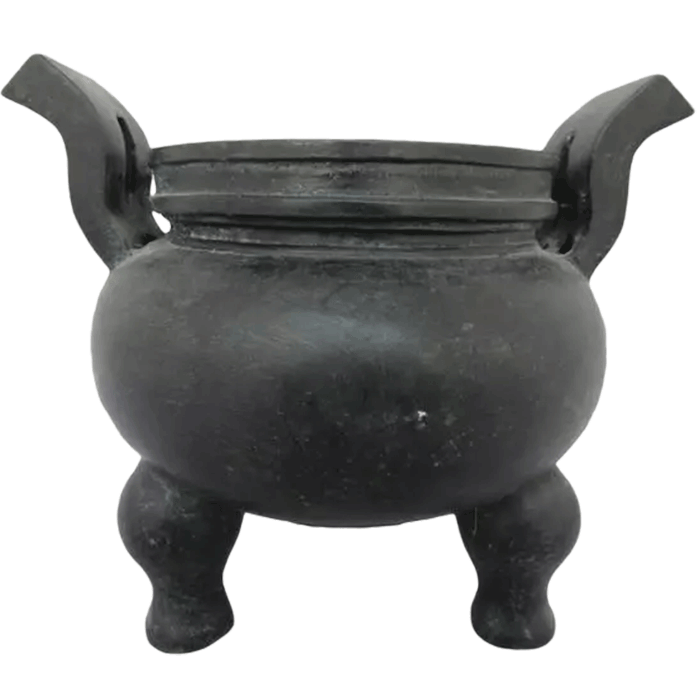
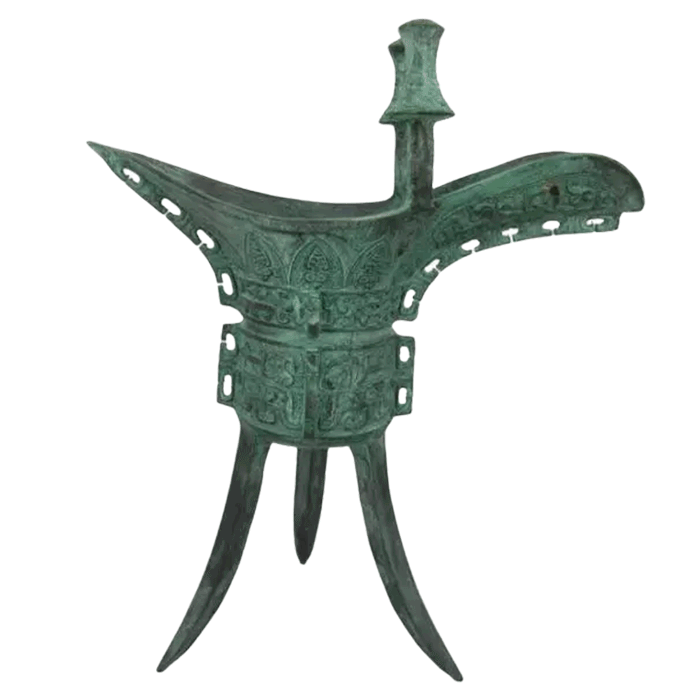
The vast majority of ancient bronzes served specific functions within their society. Ritual vessels like ding (cauldrons) and zun (wine vessels) were central to ancestral ceremonies, while weapons, mirrors, and musical instruments had practical and symbolic roles. A true antique's value is heavily dependent on its provenance—a documented history of ownership that traces its journey from its time of creation to the present day. This chain of custody is crucial for authentication and legal sale, as the trade of unprovenanced antiquities is fraught with legal and ethical complexities.
The Art of Replication: Defining High-Quality, Antique-Style Bronzes
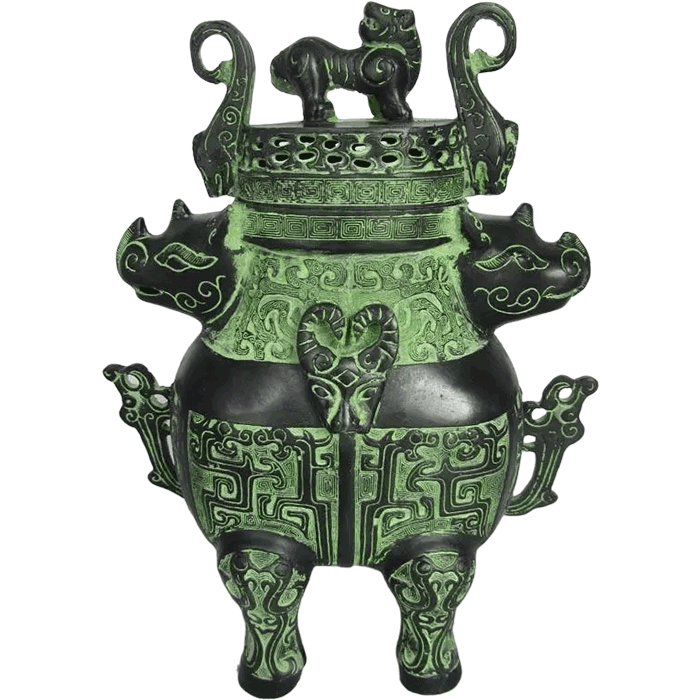
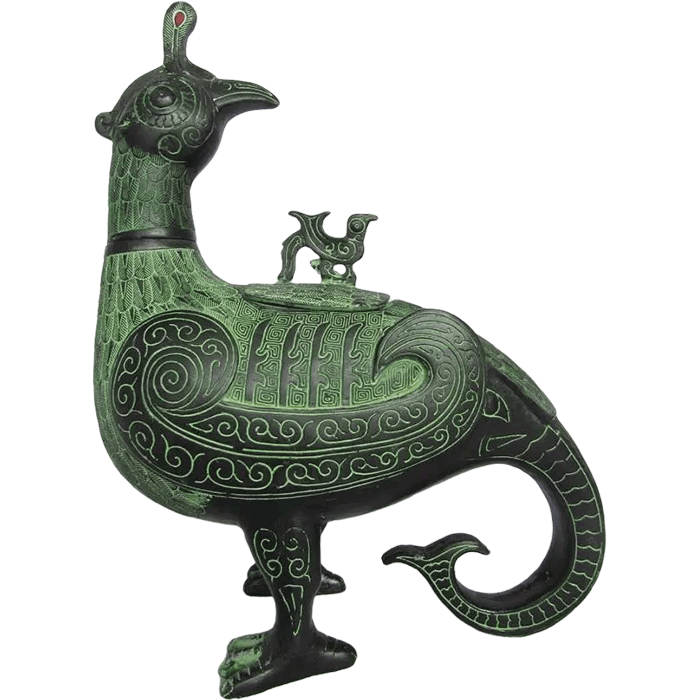
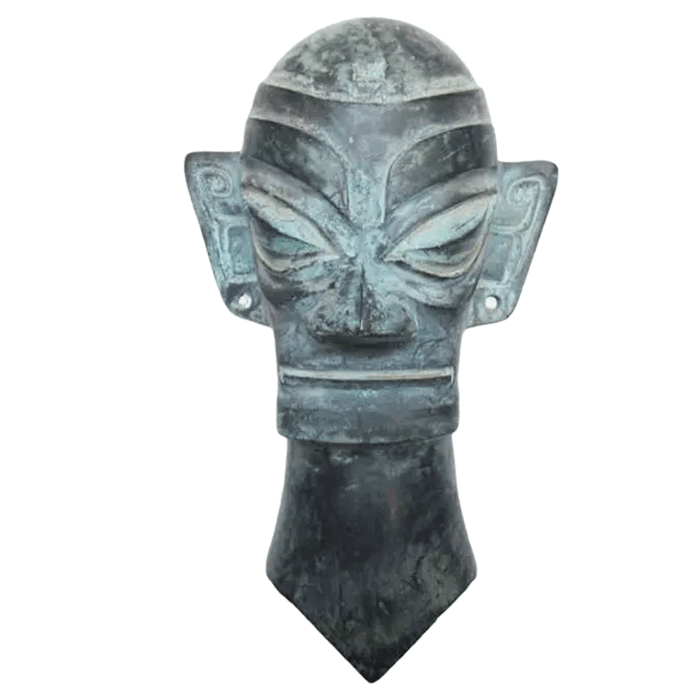
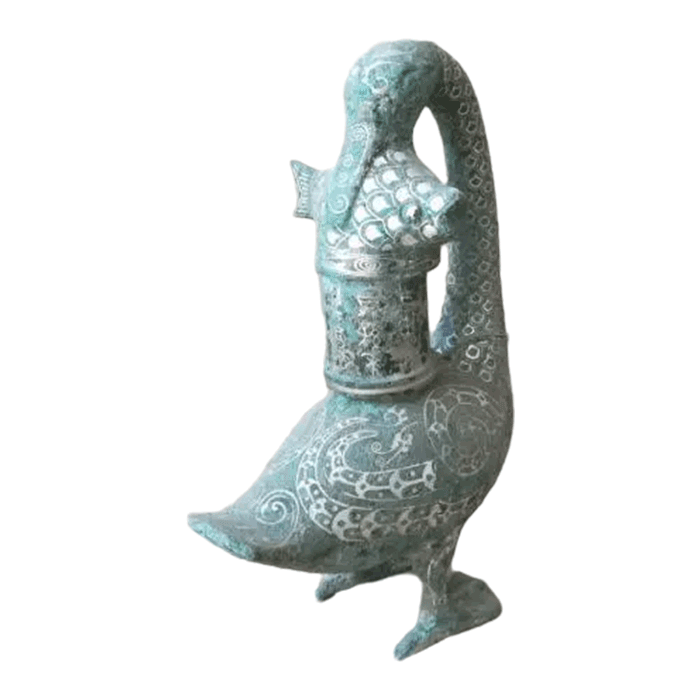
An antique style Chinese bronze is a modern creation designed to emulate the form, decoration, and spirit of a historical piece. It is not a forgery intended to deceive, but rather a tribute—an artistic reproduction that makes timeless designs accessible. These pieces are valued for their own merits: the skill of the modern artisan, the quality of the materials, and the precision of the execution. At Luoyang Yichuan Bronze Craft Co., Ltd., we are dedicated to this art form, blending traditional methods with modern quality control to continue Luoyang's 3,000-year bronze heritage.
Controlled Materials and Applied Patina
Modern reproductions are crafted from premium, high-purity bronze alloys, typically a controlled mixture of copper and tin (Cu-Sn). This ensures material consistency and structural integrity, free from the unpredictable impurities of ancient smelting. The patina, a key element of the "antique" look, is expertly applied by skilled artisans. Through a controlled process of chemical application and heat treatment, craftsmen can create a range of finishes that simulate the appearance of aged bronze. A key advantage for B2B buyers is consistency; a master artisan can achieve reliable color matching across a production run, a critical requirement for design projects or product lines that a naturally aged antique could never meet.
Mastering Traditional Techniques with Modern Precision
While ancient foundries used piece-molding, the gold standard for high-fidelity bronze reproduction today is the traditional lost-wax casting method (cire perdue). This process allows for exceptionally fine detail and complex, hollow forms. Our facility, staffed by over 30 skilled craftsmen, utilizes this very technique. After casting, each piece undergoes meticulous hand-finishing, including chasing (refining surface details with specialized tools) and polishing. The result is a sculpture that captures the aesthetic of the original but is produced to modern standards of quality and finish. This process allows for everything from a single prototype to large production runs of over 50,000 pieces annually.
Purpose-Driven Production
Unlike their ancient counterparts, the purpose of modern antique-style bronzes is primarily aesthetic, decorative, or commemorative. They are commissioned for interior design, corporate art collections, museum displays, and private enthusiasts who appreciate the historical designs without the prohibitive cost and regulatory burden of genuine antiquities. The ability to customize a bronze sculpture from sculpmart.com is a significant advantage, allowing clients to specify dimensions, patina, and even modifications to classic designs to suit a specific project's needs, starting with a minimum order quantity (MOQ) of just one piece.
A Comparative Analysis for B2B Buyers
For a dealer, importer, or designer, understanding the practical differences between these two categories is essential for sourcing, marketing, and client communication. Here is a direct comparison of key attributes:
| Attribute | Genuine Antique Bronze | Antique-Style Bronze Reproduction |
|---|---|---|
| Origin & Age | Created in a specific historical period (e.g., Shang or Zhou Dynasty). Centuries to millennia old. | Modern production. Created to honor historical designs. |
| Material | Historical bronze alloy with period-specific impurities. Signs of natural degradation. | High-quality, controlled bronze alloy (e.g., Cu-Sn). Materially sound and consistent. |
| Patina | Naturally formed over centuries. Unique, multi-layered, and irregular. | Artisan-applied through chemical processes. Can be controlled and replicated consistently. |
| Craftsmanship | Reflects ancient techniques (e.g., piece-mold casting). Tool marks and form are of the era. | Utilizes traditional lost-wax casting with modern precision. Hand-finished by master craftsmen. |
| Consistency | Each piece is unique. No two are identical. | High consistency possible across bulk orders, crucial for product lines and design projects. |
| Documentation | Requires provenance, archeological records, and expert authentication. | Comes with manufacturer certification (e.g., ISO 9001), material specifications, and quality guarantees. |
| Value Driver | Rarity, historical significance, provenance, and condition. | Craftsmanship, material quality, artistic skill, and size/complexity. |
| Accessibility | Extremely rare, high-cost, and heavily regulated. | Readily available, affordably priced, and produced to meet export quality standards. |
These distinctions highlight how reproductions serve a different, yet equally valid, market. They offer access to the profound beauty of classic Chinese bronze handicrafts without the immense investment and risk associated with the antiquities market.
Sourcing a Reliable Partner for High-Quality Bronze Replicas
When sourcing an antique style Chinese bronze, the quality and reliability of the manufacturer are paramount. For B2B buyers, the goal is to partner with a supplier who not only understands the art form but also operates with professional standards of quality, production, and service. Here are the key criteria to evaluate in a potential partner.
Commitment to Craftsmanship and Authenticity
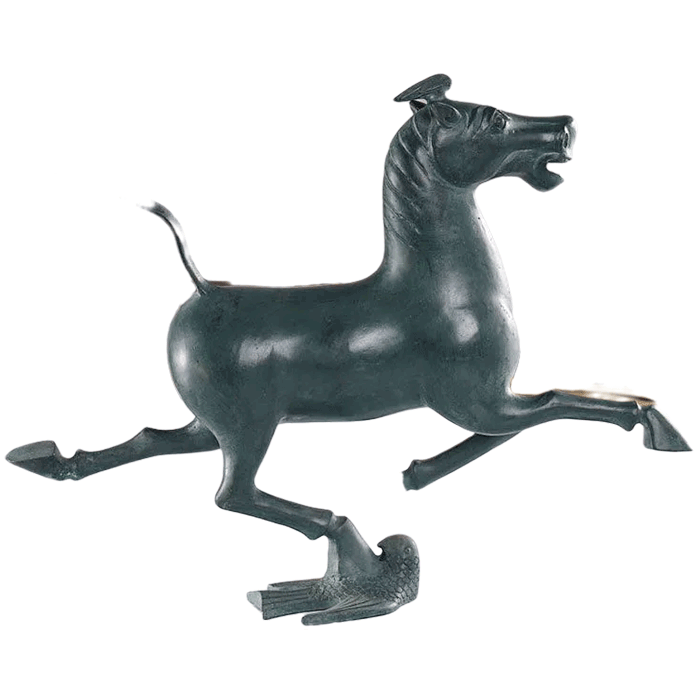
A premier supplier will be transparent about their production methods. Look for a commitment to traditional techniques like lost-wax casting, which ensures a higher level of detail and fidelity to the original forms. A team of experienced artisans, from casters to patina specialists, is the foundation of a quality product. Our team includes bronze-casting masters who uphold the rich traditions of Luoyang, ensuring that every piece, whether it's one of our bronze statues with different themes or a complex ritual vessel, is a work of art.
Verifiable Quality Management
Professional operations are backed by verifiable standards. An ISO 9001 quality management system certification indicates that the manufacturer has established and follows rigorous processes for production, inspection, and continuous improvement. This ensures that every piece meets a consistent standard of excellence and complies with export quality inspection requirements for art crafts—a crucial factor for international buyers.
Scalability and Customization Capability
Your supplier should be able to meet your specific needs, whether you require a single, highly detailed custom prototype or a large-scale production run. A flexible manufacturing process that supports a low MOQ (as low as one piece for custom works) while also having the capacity for bulk orders demonstrates a client-focused and robust operational structure. This flexibility allows you to test new designs or fulfill large contracts with confidence.
Comprehensive Support and Guarantees
A reliable partner stands behind their work. This includes rigorous quality inspection before every shipment and a clear policy for addressing any issues, such as a free replacement for casting defects. Furthermore, after-sales support, like providing guidance for patina touch-ups or restoration, demonstrates a long-term commitment to the client and the product. Finally, a supplier experienced in international trade will have mastered export-compliant protective packaging, solving the critical pain point of ensuring fragile and valuable sculptures arrive safely at their destination.
By choosing a partner like Luoyang Yichuan Bronze Craft Co., Ltd., you are not just buying a product; you are sourcing from a deep well of cultural heritage, backed by modern manufacturing excellence and a commitment to your business's success.