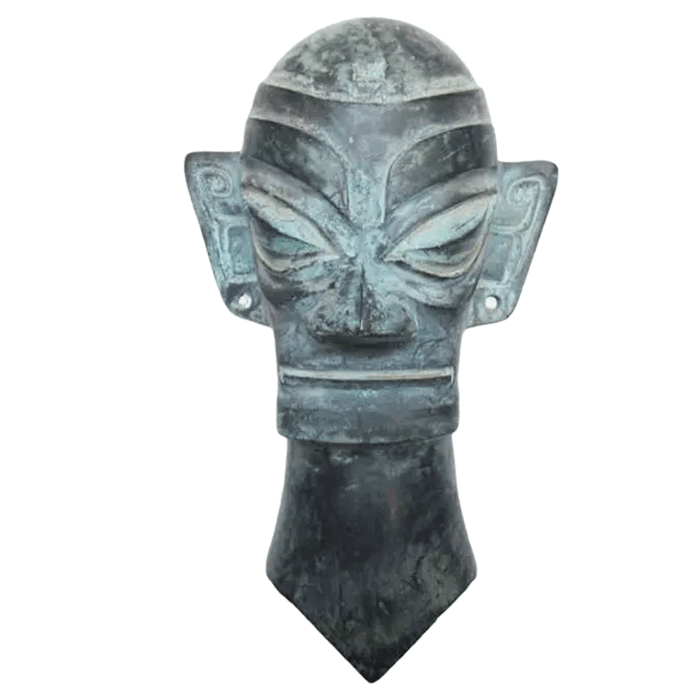
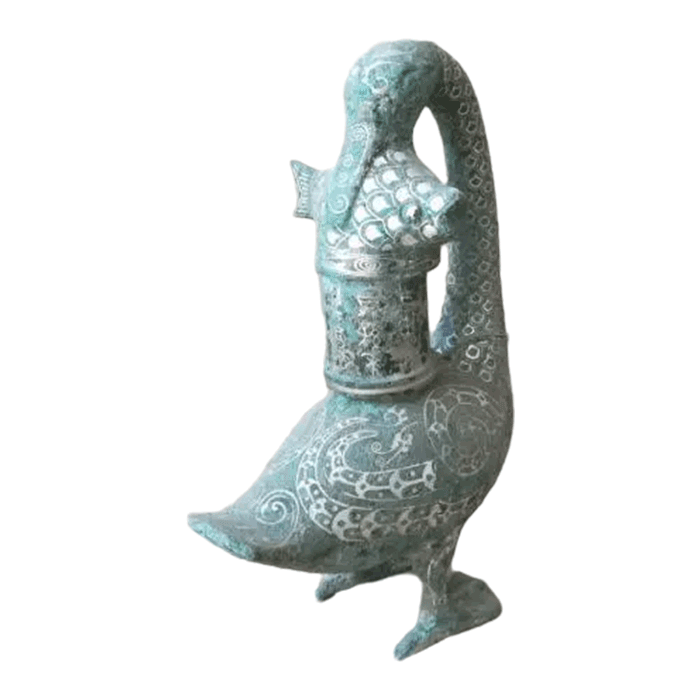
Antique Style Chinese Bronze: Restoration Guide
Antique Style Chinese Bronze: Assessing When Restoration is Necessary
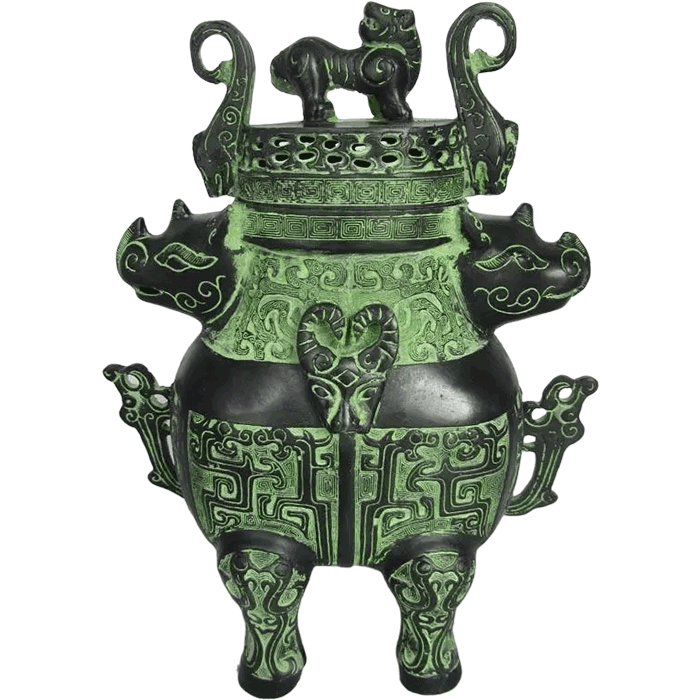
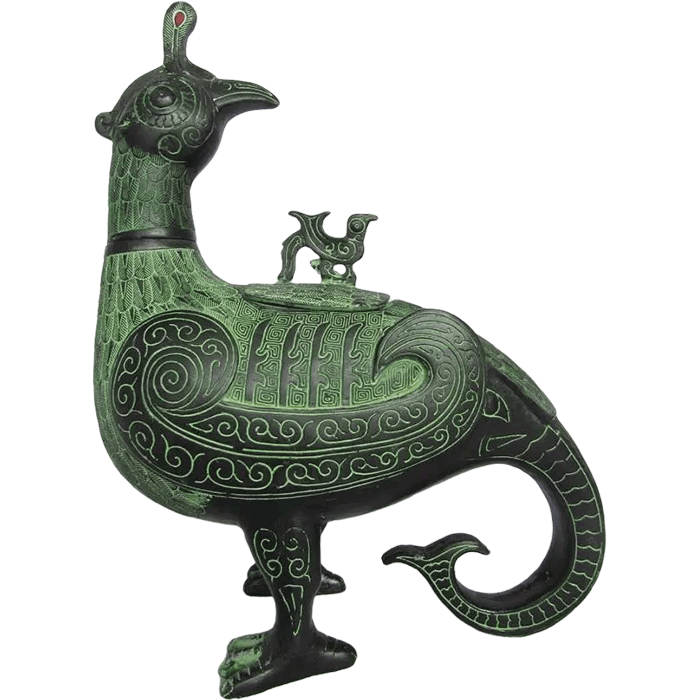
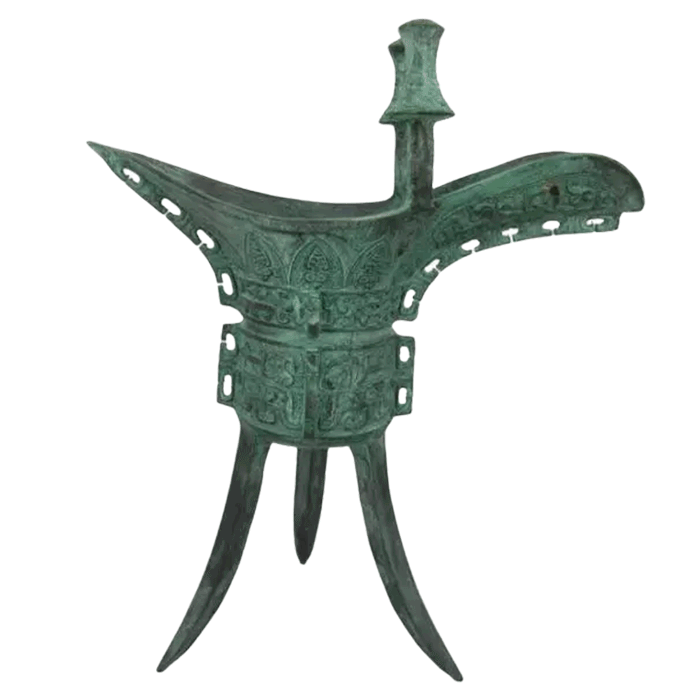
For collectors, dealers, and import buyers, the allure of antique style Chinese bronze lies in its rich history, intricate artistry, and enduring material. These magnificent pieces, ranging from Chinese bronze sculpture to ritualistic vessels, often carry the marks of time, which can enhance their character or, conversely, necessitate careful restoration. Deciding when to intervene with a piece of antique style bronze art is a nuanced process that balances preservation, aesthetic integrity, and market value. Luoyang Yichuan Bronze Craft Co., Ltd., with its ISO 9001 certified quality management system and a team of over 30 skilled craftsmen, understands the profound significance of these artifacts and the meticulous care they demand, whether newly crafted or requiring professional assessment for potential restoration. Our expertise, rooted in traditional lost-wax casting and advanced finishing techniques, positions us to offer insights into evaluating the condition of bronze art and determining the appropriate course of action.
The Intrinsic Value of Antique Style Chinese Bronze
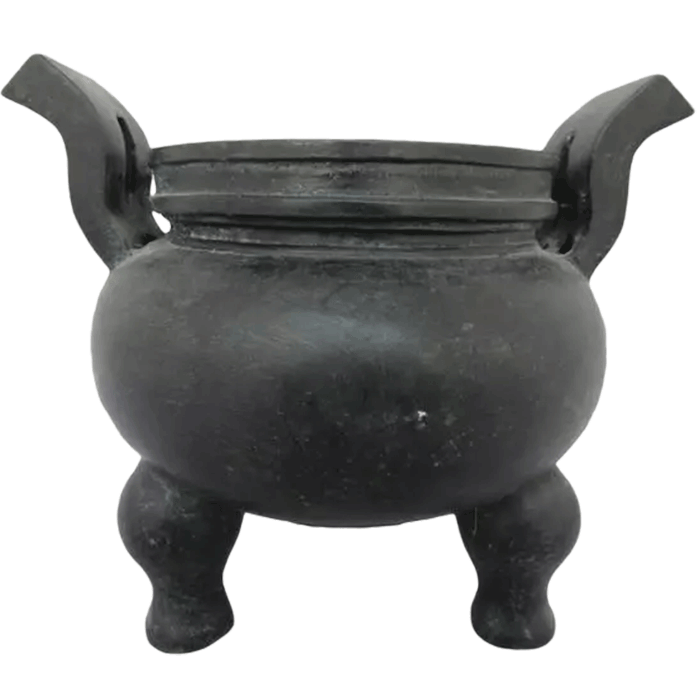
The appeal of the evolution of bronze culture spans millennia, embodying a continuum of craftsmanship and cultural expression. From the Shang and Zhou dynasties to contemporary interpretations, these works represent not merely decorative objects but tangible links to historical narratives and artistic traditions. Each bronze piece, whether a majestic ding vessel, an intricate mirror, or a serene Buddhist statue, carries a story etched in its form and surface. The decision to restore, or not to restore, profoundly impacts this narrative. Recognizing this, Luoyang Yichuan Bronze Craft Co., Ltd. is dedicated to upholding the highest standards in creating new bronze artworks that honor these traditions, ensuring every piece complies with export quality inspection standards for art crafts.
Our commitment to excellence extends to understanding the nuances of bronze preservation. We employ premium bronze alloy (Cu-Sn) and the time-honored lost-wax method, followed by meticulous hand chasing, polishing, and patina finishing, available in both antique and modern aesthetics. This deep understanding of material and technique is paramount when assessing existing pieces. When considering a piece of antique style Chinese bronze for your collection or inventory, a thorough evaluation of its condition is crucial. This evaluation goes beyond superficial damage, delving into the structural integrity, the historical context of its surface, and the potential impact of any intervention.
Understanding Patina and Its Role in Bronze Preservation
One of the most critical aspects of evaluating antique style Chinese bronze is understanding its patina. Patina is the natural layer that forms on the surface of bronze over time due to oxidation and interaction with its environment. It can manifest in a spectrum of colors, from verdant greens and blues to rich browns and blacks, each telling a part of the object's life story. A well-preserved, stable patina is often highly valued by collectors as it attests to the object's age and authenticity. It also serves a protective function, shielding the underlying metal from further corrosion.
However, not all surface changes are beneficial. Detrimental corrosion, often referred to as "bronze disease," can manifest as powdery, bright green spots that actively degrade the metal. This type of corrosion is unstable and can spread, posing a significant threat to the object's long-term survival. Distinguishing between a stable, desirable patina and active, damaging corrosion is the first critical step in determining if restoration is necessary. Our artisans are adept at creating consistent patina color matching for new pieces, a skill that translates into a keen eye for assessing existing patinas and their stability. Understanding the difference is key to knowing when to touch up a surface and when to seek professional intervention.

Key Considerations for Restoration: Damage Assessment and Scope
Once the patina has been assessed, a comprehensive evaluation of the bronze piece's physical condition is required. This involves identifying specific types of damage and determining their severity. The scope of restoration will depend heavily on these findings.
Structural Integrity: Cracks, Breaks, and Missing Elements
Structural damage is often the most pressing concern. Cracks, fractures, or complete breaks in a bronze sculpture or vessel can compromise its stability and risk further deterioration. Missing elements, such as a limb from a statue, a handle from a ding, or decorative motifs, can diminish both the object's aesthetic completeness and its historical narrative. Restoration in these cases often involves careful dismantling (if necessary), cleaning, stabilization, and precise reassembly or fabrication of missing parts. Luoyang Yichuan Bronze Craft Co., Ltd. excels in creating exact replication of antique bronzes, a capability that is invaluable when dealing with missing or severely damaged components. Our capacity to support everything from a single custom prototype to bulk production runs allows for unparalleled precision in recreating intricate details.
Surface Degradation: Corrosion, Abrasions, and Unwanted Coatings
Beyond active bronze disease, other forms of surface degradation can warrant restoration. Deep abrasions, scratches, or dents can mar the surface and disrupt the visual harmony of the piece. Furthermore, past interventions, such as poorly applied lacquers, paints, or waxes, can trap moisture, accelerate corrosion, or simply detract from the original appearance. Removing these unwanted coatings requires specialized techniques that do not harm the underlying bronze or its stable patina. Our expertise in various patina finishes, from antique to modern looks, means we are intimately familiar with the chemical and physical properties of bronze surfaces and how best to treat them.
Aesthetic Discrepancies: Inconsistent Patina or Prior Poor Repairs
Sometimes, the need for restoration is primarily aesthetic. An uneven or inconsistent patina, perhaps due to partial cleaning or environmental exposure, can detract from the object's overall presentation. Previous restoration attempts executed by unskilled hands can also leave behind unsightly joins, mismatched patinas, or poorly sculpted repairs. In such instances, the goal of restoration is to achieve a more harmonious and historically appropriate appearance without compromising the object's authenticity. Our after-sales support for patina touch-ups and restoration guidance demonstrates our commitment to the long-term beauty and integrity of bronze art.
The Ethics and Philosophy of Bronze Restoration
The decision to restore bronze statues with different themes or vessels is not purely technical; it also involves significant ethical considerations. The guiding principle in conservation is often minimal intervention, aiming to stabilize the object and prevent further deterioration while preserving as much of its original material and historical evidence as possible. Over-restoration can strip an object of its age and authenticity, potentially diminishing its historical and monetary value.
Preserving Authenticity vs. Enhancing Display Quality
A key debate revolves around balancing authenticity with display quality. For some collectors, the signs of age are integral to the object's charm and authenticity, and they prefer minimal intervention. For others, particularly those displaying pieces in public or commercial settings, a more "finished" appearance might be desired. Professional conservators strive to achieve a balance, ensuring that any restoration is reversible where possible and that all interventions are thoroughly documented. Our rigorous quality inspection before every shipment and free replacement for casting defects underscore our belief in delivering products of inherent quality that minimize the need for extensive restoration down the line, focusing on preventative quality assurance.
The Impact on Market Value and Historical Integrity
Restoration can significantly impact an object's market value. Expertly executed, judicious restoration can enhance value by stabilizing a piece and improving its aesthetic appeal. Conversely, amateurish or overly aggressive restoration can drastically reduce value, as it may be seen as compromising the object's historical integrity. For dealers and import buyers, understanding the nuances of restoration is crucial for accurate valuation and responsible sales. It is always advisable to consult with reputable experts who understand both the technical aspects of bronze conservation and the ethical considerations involved.
The Restoration Process: What to Expect from Professional Services
A professional restoration process for antique style Chinese bronze typically involves several stages, each requiring specialized knowledge and careful execution:
Initial Assessment and Documentation
The first step involves a comprehensive examination of the object, including photographic documentation, detailed condition reports, and sometimes metallurgical analysis. This phase establishes the object's current state and helps formulate a treatment plan. This meticulous approach mirrors our own process for new customize a bronze sculpture projects, ensuring precise understanding from conception to creation.
Cleaning and Stabilization
This stage focuses on removing dirt, grime, and active corrosion products. Techniques can range from mechanical cleaning (using scalpels or air abrasives) to chemical treatments, all chosen to be as non-invasive as possible. The goal is to stabilize the bronze and halt any ongoing degradation without damaging the original surface or stable patina.
Repair and Reconstruction
For structural damage, repairs might involve soldering, welding, or the use of reversible adhesives. Missing elements may be sculpted from bronze or other appropriate materials, carefully matching the original form and texture. Our Luoyang Yichuan Bronze Craft Co., Ltd. masters are highly skilled in hand chasing and intricate detailing, making us uniquely qualified to understand and execute such precise repairs.
Patination and Protective Coatings
After repairs, patination may be applied to integrate new bronze sections with the existing surface or to re-establish a stable, aesthetically pleasing finish. This is an art form in itself, requiring an understanding of various chemical recipes and application techniques to achieve a natural and consistent appearance. Finally, a protective coating, such as a microcrystalline wax, may be applied to shield the bronze from environmental pollutants and moisture, providing long-term preservation. Our capability to apply a range of antique or modern patina finishes is a testament to our mastery of this critical stage, ensuring longevity and visual appeal.

Partnering with Experts for Your Bronze Collection
Whether you are sourcing new bronze art or considering the restoration of existing pieces, partnering with a knowledgeable and experienced entity is paramount. Luoyang Yichuan Bronze Craft Co., Ltd. is not only a leading manufacturer of new bronze artworks but also a repository of profound knowledge on bronze craftsmanship and preservation. Located in Yichuan County, Luoyang, Henan Province, our 3,000 square meter production area houses over 30 skilled craftsmen, including bronze-casting masters and finishing artisans, all dedicated to the art of bronze.
We understand the custom bronze art sourcing pain points—the need for exact replication, consistent patina color matching, and export-compliant protective packaging for fragile sculptures. Our annual output of over 50,000 bronze art pieces demonstrates our capacity, supporting everything from a single custom prototype to bulk production runs. With a MOQ from 1 piece for custom sculptures and negotiable bulk orders, we offer unparalleled flexibility.
Our commitment extends beyond creation. We conduct quality inspection before every shipment, offer free replacement for casting defects, and provide after-sales support for patina touch-ups and restoration guidance. This holistic approach ensures that whether you are commissioning a new piece or seeking advice on an existing one, you receive the highest level of professional service and expertise. We are not just producers; we are custodians of bronze heritage.
Conclusion: Informed Decisions for Lasting Beauty
The decision of when to restore an antique style Chinese bronze piece is a complex one, requiring careful consideration of its condition, historical significance, aesthetic value, and ethical implications. It involves distinguishing between a natural, stable patina and damaging corrosion, assessing structural integrity, and evaluating surface degradation. By understanding these factors and consulting with experienced professionals, collectors, dealers, and import buyers can make informed choices that preserve the beauty and historical integrity of these magnificent artworks for generations to come.
Luoyang Yichuan Bronze Craft Co., Ltd. stands as a reliable partner in this endeavor, offering not only the creation of exquisite new bronze art but also the foundational knowledge and quality assurance that underpins responsible collection and preservation. Our deep understanding of traditional methods and modern quality standards ensures that every interaction helps safeguard the legacy of bronze art.