Antique Style Chinese Bronze: Ming-Qing Revival Art
Understanding Antique Style Chinese Bronze: Ming-Qing Revival Clues
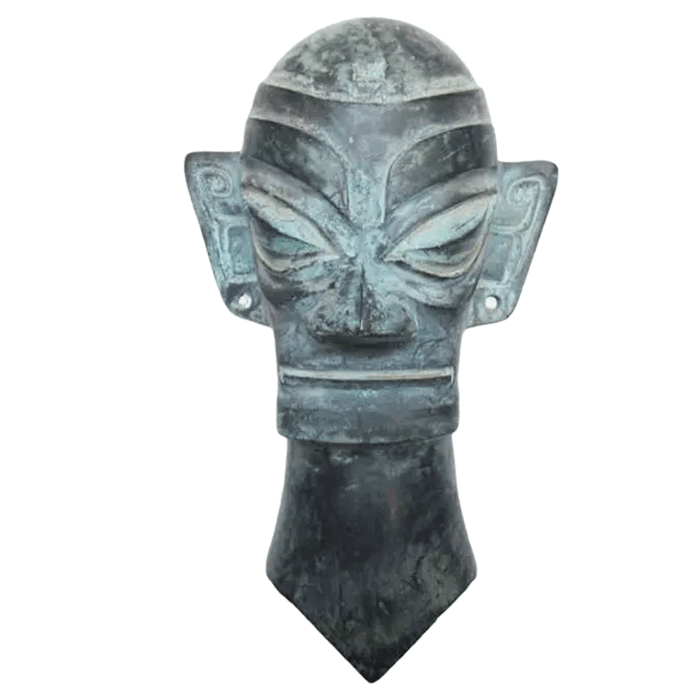
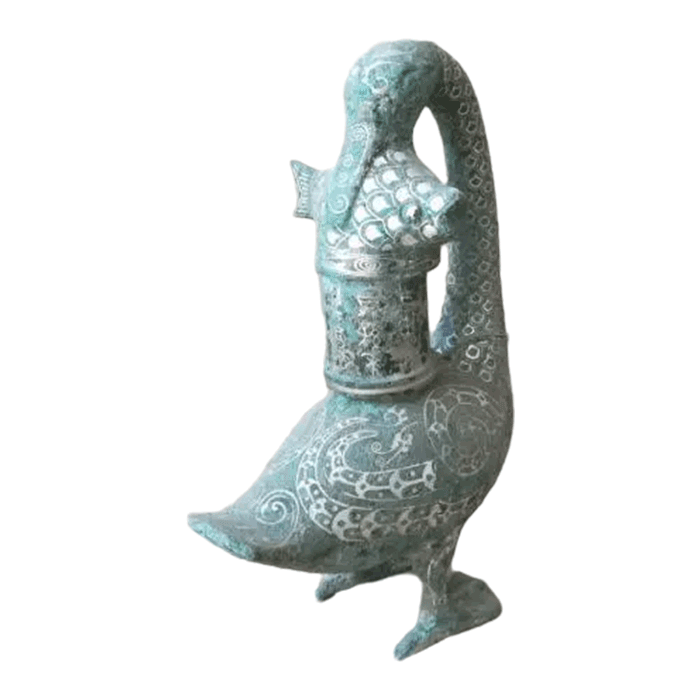
The allure of Chinese bronze art spans millennia, captivating collectors, historians, and art enthusiasts with its profound cultural significance and unparalleled craftsmanship. While the earliest bronzes from the Shang and Zhou dynasties hold an iconic status, the subsequent periods, particularly the Ming and Qing dynasties, witnessed a remarkable revival of these ancient forms. This era saw artisans meticulously studying and reinterpreting historical designs, creating pieces that resonate with both antique grandeur and distinct period characteristics. For trade buyers and collectors seeking to acquire or commission chinese bronze sculpture that authentically captures the spirit of these revival periods, discerning the nuances of Ming-Qing craftsmanship is paramount. Luoyang Yichuan Bronze Craft Co., Ltd. stands as a premier partner, specializing in the creation of premium bronze art that adheres to these rigorous historical and artistic standards, manufactured under an ISO 9001 quality management system.
Our expertise lies in bridging the gap between historical authenticity and modern production capabilities, ensuring each piece, from a single custom prototype to extensive bulk production runs of over 50,000 bronze art pieces annually, meets exacting specifications. With an MOQ of just one piece for custom sculptures, we empower clients to explore bespoke projects with confidence, supported by over 30 skilled craftsmen, including revered bronze-casting masters and finishing artisans, operating from our 3,000 square meter facility in Yichuan County, Luoyang.
The Enduring Legacy of Chinese Bronze Craftsmanship
The history of Chinese bronze casting is a testament to human ingenuity and artistic evolution, dating back over 3,500 years. From the ritual vessels of the Shang dynasty, imbued with spiritual power, to the intricate mirrors of the Han dynasty, bronzes have served as more than mere objects; they are tangible records of dynastic power, religious belief, and sophisticated metallurgical knowledge. The traditional lost-wax method, a hallmark of this legacy, has been passed down through generations, allowing for the creation of incredibly detailed and complex forms that would be impossible with simpler casting techniques. This method, involving the creation of a wax model, encasing it in a ceramic shell, melting out the wax, and then pouring molten bronze into the cavity, is central to the authenticity and quality of traditional Chinese bronzes.
Over two millennia, this art form continuously adapted, absorbing new influences while retaining its core identity. Early bronzes were primarily functional, serving in ancestral rites and banquets, often adorned with zoomorphic motifs like the fearsome taotie mask or intricate geometric patterns known as leiwen. As dynasties rose and fell, the styles evolved, reflecting changing aesthetic preferences and societal values. The Han dynasty, for instance, saw the emergence of more dynamic animal sculptures and sophisticated narrative scenes on mirrors, while later periods introduced Buddhist iconography and secular decorative pieces. Understanding this rich tapestry of development, as detailed in the evolution of bronze culture over 2000 years, is crucial for appreciating the later revival movements.

Luoyang Yichuan Bronze Craft Co., Ltd. honors this profound heritage by employing premium bronze alloy (Cu-Sn) and adhering strictly to the lost-wax method. Our artisans, many of whom are bronze-casting masters, possess the inherited knowledge and refined skills to execute hand chasing, polishing, and patina finishing that authentically replicate the antique or modern looks desired by our clients. This dedication ensures that every piece we create is not merely a reproduction but a continuation of a revered artistic tradition, embodying the spirit and craftsmanship of historical Chinese bronzes.
Ming-Qing Dynasties: A Resurgence in Classic Forms
The Ming (1368-1644) and Qing (1644-1912) dynasties represent a fascinating chapter in the history of Chinese bronze art, characterized by a profound appreciation for antiquity and a deliberate revival of earlier styles. Unlike earlier periods that often pushed artistic boundaries with new forms and decorative innovations, the Ming and Qing eras, particularly under imperial patronage, saw a conscious effort to look back to the glorious past. This resurgence was driven by a scholarly interest in ancient artifacts, a desire to legitimize imperial rule by associating it with venerable traditions, and a burgeoning market for collectible art among the literati.
During these periods, bronzes from the Shang, Zhou, and Han dynasties became highly prized, leading to a demand for faithful reproductions and interpretations. Artisans meticulously studied extant ancient pieces, often drawing inspiration from illustrated catalogues of imperial collections. This resulted in a proliferation of bronze vessels (such as ding, zun, and hu), mirrors, and incense burners that echoed the grandeur of their ancient predecessors. However, Ming-Qing revival bronzes were not mere copies. They often incorporated subtle stylistic nuances that distinguished them from true antiques, such as a more refined and lighter casting, distinct patina treatments that mimicked natural aging, or inscriptions that, while perhaps archaic in style, were contemporary in their execution or commemorative purpose.
This period also saw the expansion of bronze art into new categories, particularly with the widespread production of Buddhist statues and decorative items for scholarly studios. The emphasis was on craftsmanship, aesthetic harmony, and a sense of timeless elegance. The Ming and Qing revivals demonstrate a deep cultural reverence for history and the enduring power of classic forms, making these pieces highly sought after by those who appreciate the continuity of Chinese artistic tradition.
Distinguishing Features of Revival-Era Bronzes
Identifying and appreciating Ming-Qing revival bronzes requires an understanding of their specific characteristics, which blend historical inspiration with period-specific execution. These features are critical for collectors and trade buyers seeking authentic customize a bronze sculpture from sculpmart.com that aligns with these historical aesthetics.
Forms and Typologies
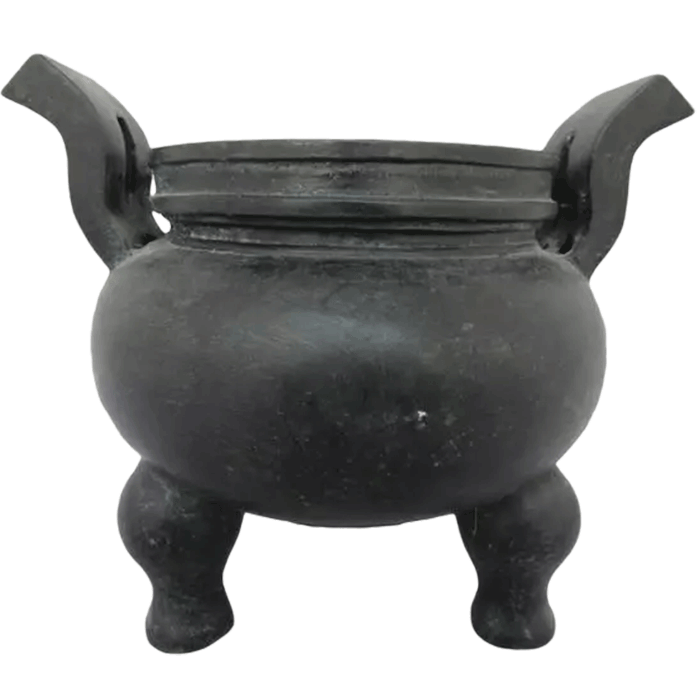
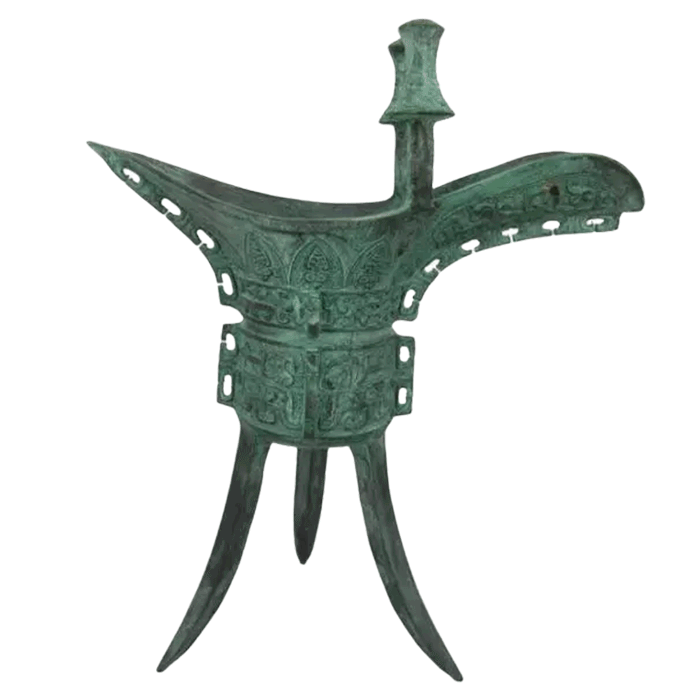
- Vessels: The classic forms of ding (tripod cauldrons), zun (wine vessels), and hu (vases) were consistently replicated, often in smaller, more refined versions suitable for scholarly desks or decorative display rather than ritual use. The proportions and contours generally followed ancient models, but with a characteristic Ming-Qing crispness in detail.
- Mirrors: Bronze mirrors, which had a long history of intricate design, continued to be produced, often featuring motifs, such as dragons, phoenixes, or auspicious symbols, inspired by Han and Tang dynasty examples. Our selection includes diverse several bronze mirrors, reflecting this rich heritage.
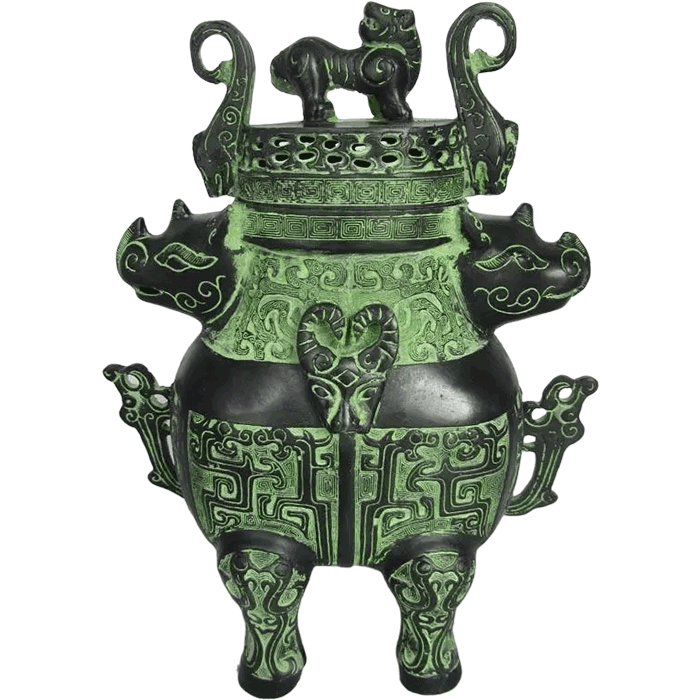
- Incense Burners: These became particularly popular, ranging from elaborate tripod forms mimicking ancient ding to figural burners. They were essential for scholarly pursuits and religious devotion, often featuring openwork designs and elegant bases.
- Buddhist Statues: Bronze Buddhist figures, including Buddhas, Bodhisattvas, and arhats, flourished, characterized by serene expressions, flowing drapery, and often gilded surfaces. These pieces demonstrate a blend of spiritual devotion and artistic refinement.
Decorative Motifs
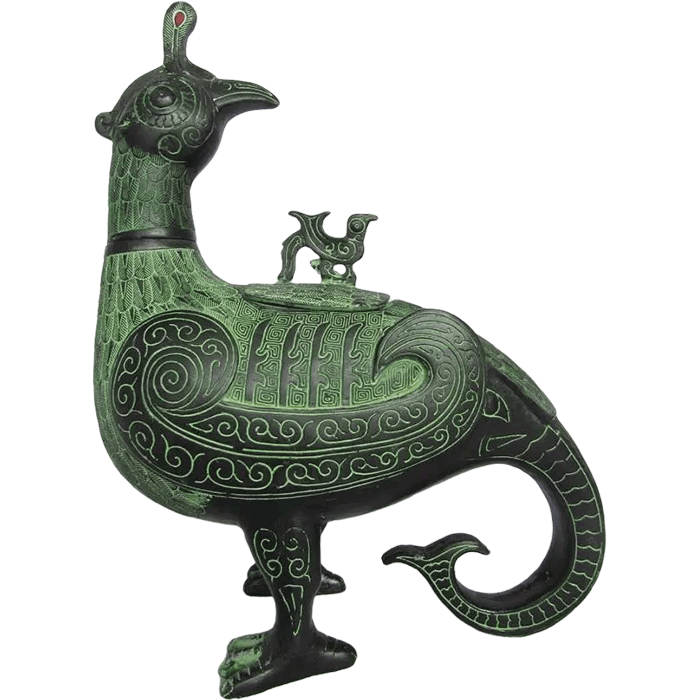
Ming-Qing artisans adeptly reinterpreted ancient motifs. The formidable taotie mask, kui dragons, and phoenixes were rendered with a renewed clarity. Geometric patterns like leiwen (thunder patterns) provided a textured background, while auspicious symbols such as bats (fu, symbolizing good fortune) and peaches (longevity) were incorporated, subtly blending ancient aesthetics with contemporary symbolism.
Patina and Finish
The patina, or surface coloration, is a crucial element that lends character and age to a bronze. Ming-Qing revival pieces often feature intentionally created patinas designed to mimic the effects of centuries of burial or exposure. These could range from rich, dark browns and greens to mottled, variegated surfaces. Luoyang Yichuan's expertise in patina application ensures consistent color matching and the ability to achieve specific antique or modern looks, crucial for collections or interior design projects. We understand the art of developing these finishes to perfection, addressing client pain points for consistent patina color matching across multiple pieces.
Craftsmanship and Techniques
The core of Ming-Qing bronze production remained the traditional lost-wax method, ensuring high fidelity to the original models. Following casting, skilled artisans engaged in meticulous hand chasing—the process of refining details with chisels and hammers—and polishing to achieve desired surface textures. The expertise of our bronze-casting masters and finishing artisans at Luoyang Yichuan ensures that every detail, from the sharpness of a decorative motif to the smoothness of a polished surface, is executed with precision, reflecting the high standards of historical craftsmanship.
Expert Sourcing for Your Antique Style Chinese Bronze Collection
For discerning collectors, galleries, designers, and trade buyers, sourcing high-quality, historically accurate bronze art can present unique challenges. Luoyang Yichuan Bronze Craft Co., Ltd. directly addresses these pain points, offering comprehensive solutions rooted in our extensive expertise and state-of-the-art production capabilities.
One of the primary concerns for those seeking period-inspired pieces is the exact replication of antique bronzes. Our team excels in this area, possessing the artistic insight and technical skill to meticulously reproduce historical forms, decorative motifs, and stylistic nuances. Whether it's a specific Ming dynasty incense burner or a Qing revival vessel, we ensure that the finished product faithfully captures the essence and detail of its ancient inspiration.
Another common challenge is achieving consistent patina color matching, especially across multiple pieces for a collection or an installation. Our artisans are masters of patina application, capable of creating a wide range of finishes, from rich, aged antique looks to contemporary styles, ensuring uniformity and aesthetic harmony throughout your order. This consistent quality is backed by our stringent quality inspection before every shipment, and we offer free replacement for any casting defects, providing peace of mind and demonstrating our commitment to excellence.
Furthermore, the fragility of bronze sculptures, especially during international transit, necessitates robust and reliable packaging. We provide export-compliant protective packaging specifically designed for fragile sculptures, ensuring your valuable acquisitions arrive safely and intact, anywhere in the world. Our after-sales support extends to patina touch-ups and restoration guidance, further solidifying our role as a long-term partner in preserving the beauty of your bronze art.
With an annual output exceeding 50,000 bronze art pieces and the flexibility to support everything from a single custom prototype to large-scale bulk production runs, Luoyang Yichuan is uniquely positioned to meet diverse client needs. Our MOQ from 1 piece for custom sculptures makes bespoke projects accessible, while bulk orders are negotiated based on size and design complexity, ensuring competitive pricing without compromising on our premium quality. Our ISO 9001 certification underscores our unwavering commitment to quality management, providing an additional layer of trust and reliability for our global clientele.
The Luoyang Yichuan Commitment to Bronze Artistry
Located in Yichuan County, Luoyang, a region historically significant for its bronze heritage, Luoyang Yichuan Bronze Craft Co., Ltd. benefits from a deep-rooted tradition of craftsmanship. Our 3,000 square meter production area houses over 30 skilled craftsmen, a testament to our dedication to preserving and advancing the art of bronze casting. These artisans, including celebrated bronze-casting masters and finishing experts, bring generations of knowledge and experience to every piece they create.
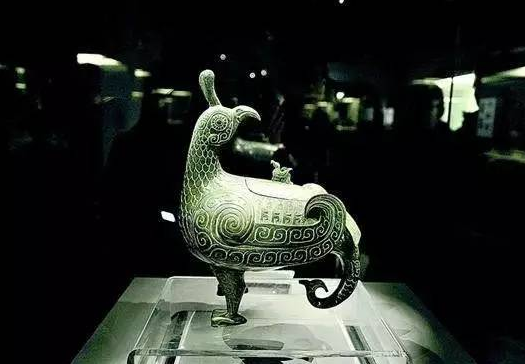
Our commitment extends beyond mere production; it encompasses a holistic approach to bronze artistry. We utilize only premium bronze alloy (Cu-Sn), ensuring the durability, aesthetic appeal, and intrinsic value of our creations. From the initial design consultation, through the intricate lost-wax casting process, to the final hand chasing, polishing, and patina application, every step is meticulously controlled. We offer a comprehensive range of products, including bronze sculptures (human and animal statues), bronze vessels (ding, zun, hu tripods and vases), bronze mirrors, bronze incense burners, and bronze Buddhist statues, alongside bespoke custom bronze artworks.
For institutions, collectors, and businesses worldwide, Luoyang Yichuan represents a trusted partner capable of delivering bronze art that not only meets but exceeds international export quality inspection standards for art crafts. Our dedication to quality, authenticity, and client satisfaction makes us a leader in the field of bronze decorations and historical reproductions.
The Ming-Qing revival bronzes offer a fascinating glimpse into a period of profound cultural reverence and artistic reinterpretation. These pieces, while drawing heavily from ancient forms, possess their own distinct charm and historical value, reflecting the aesthetic sensibilities and technical prowess of their era. For those looking to acquire or commission high-quality reproductions and interpretations of this unique period, Luoyang Yichuan Bronze Craft Co., Ltd. offers unparalleled expertise, artisanal skill, and a commitment to quality that ensures every acquisition is a valuable addition to any collection or project. Partner with us to bring the timeless elegance of Chinese bronze art to your world, crafted with precision and passion.