Antique Style Chinese Bronze: Display & Care Guide
Your Guide to Safely Displaying and Caring for Antique Style Chinese Bronze
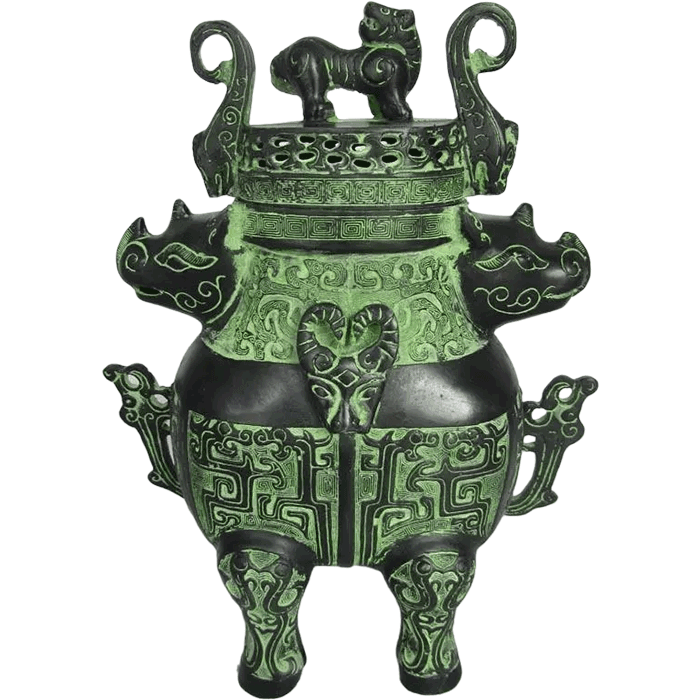
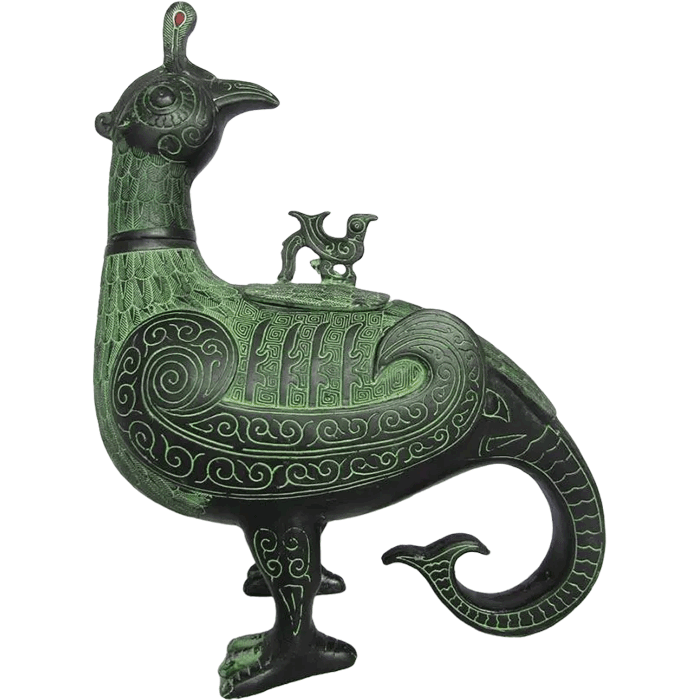
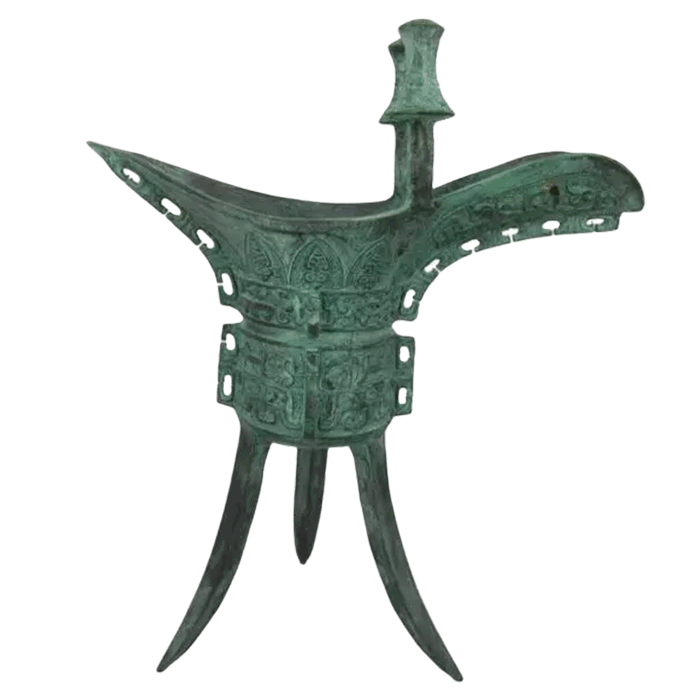
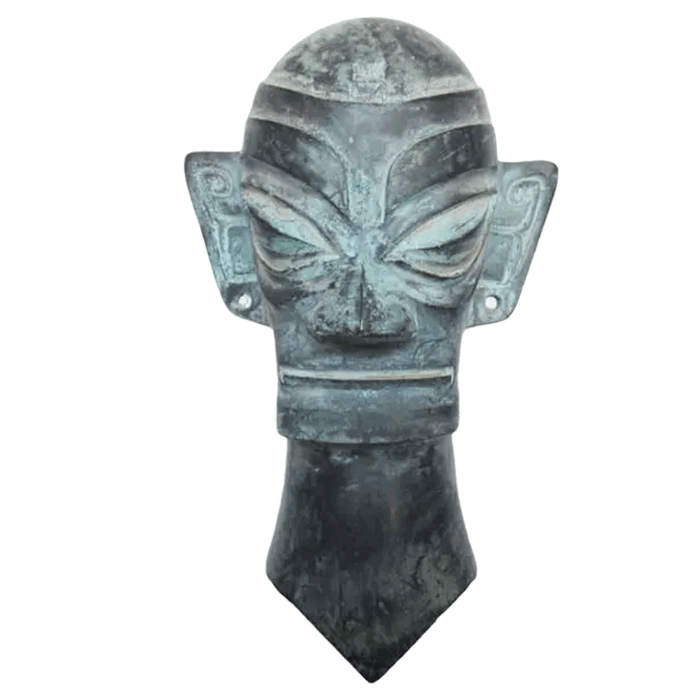
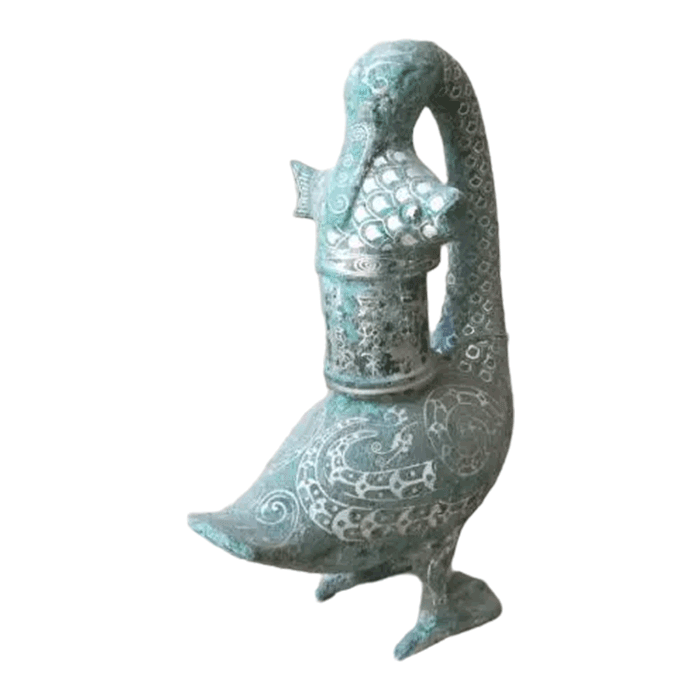
Antique-style Chinese bronze artworks represent a profound connection to thousands of years of cultural heritage, artistry, and history. Whether you are an importer, a gallery owner, or a collector, acquiring these pieces is just the first step. Proper handling, display, and care are essential to preserve their intricate details, rich patinas, and overall value for years to come. These reproductions, crafted with immense skill, deserve the same consideration as the ancient masterpieces that inspired them.
As a leading manufacturer, Luoyang Yichuan Bronze Craft Co., Ltd. understands the entire lifecycle of a bronze piece, from its creation in our 3,000-square-meter facility to its final placement in a collection. This guide addresses the most common questions our clients have about post-purchase care, ensuring your investment remains as stunning as the day it was forged.
Initial Handling and Unpacking: What Are the First Steps?
The moment your bronze artwork arrives is a critical one. The initial handling and inspection process sets the stage for its long-term preservation. Rushing this stage can lead to accidental damage that is difficult and costly to repair.
How should I safely unbox my bronze sculpture?
Patience is paramount. Begin by placing the shipping container on a stable, flat surface with ample space to work. Carefully cut the packing tape and open the box, removing the top layers of cushioning material one by one. Pay close attention to the shape of the piece inside and how it is secured.
We solve a major sourcing pain point by providing export-compliant protective packaging specifically designed for fragile sculptures, but it is still crucial to handle the contents with care. Identify and remove any braces or supports before attempting to lift the artwork. For larger or heavier pieces, always have at least two people to ensure a secure grip and prevent drops. Lift the sculpture from its most solid and stable point, such as the base or the main body, avoiding delicate appendages like limbs, weapons, or decorative flanges.
Do I need to wear gloves?
Yes, absolutely. Always wear clean, soft cotton or nitrile gloves when handling your bronze piece. The natural oils, salts, and acids on your skin can tarnish the bronze and permanently etch fingerprints into the delicate patina. This is especially important for pieces with a highly polished or light-colored finish, where marks become more visible. Make it a rule for anyone who handles the artwork to wear gloves, every single time.
What should I look for during the initial inspection?
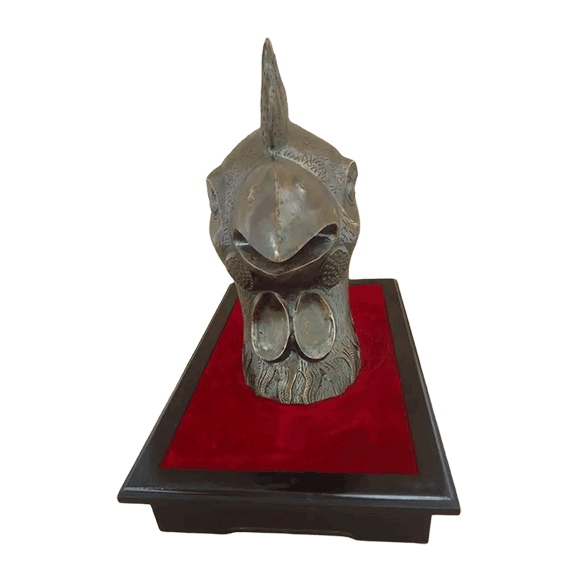
Once unboxed, place the sculpture on a soft, clean cloth under good lighting. Conduct a thorough visual inspection of the entire surface. Check for any inconsistencies, scratches, or damage that may have occurred during transit. While our robust packaging minimizes this risk, it is a vital step for due diligence.
At Luoyang Yichuan Bronze Craft Co., Ltd., every piece undergoes a rigorous quality inspection before shipment. We stand by our craftsmanship. In the unlikely event you discover any casting defects upon initial inspection, we offer a free replacement. Documenting the condition of the piece upon arrival with clear photographs is a good practice for your records.
Choosing the Ideal Display Location
Where you choose to display your bronze artwork has the single greatest impact on its long-term preservation. A carefully selected environment will protect it from harm, while a poor one can cause irreversible damage over time.
Light Exposure: Avoiding Direct Sunlight
The most significant environmental threat to a bronze patina is direct, prolonged exposure to sunlight. Ultraviolet (UV) radiation is a powerful force that can cause the colors of a patina to fade, darken, or become uneven. It can also heat the metal's surface, accelerating chemical reactions that may degrade the finish. Position your bronze pieces away from windows, skylights, and sources of intense artificial light. If a piece must be near a window, use UV-filtering films, blinds, or curtains to mitigate the risk.
Temperature and Humidity Control
Stability is key. Bronze is most stable in an environment with controlled temperature and relative humidity (RH). The ideal range for most museum collections is around 65-70°F (18-21°C) with an RH between 40% and 55%. While achieving this perfectly in a home or commercial setting can be difficult, the main goal is to avoid drastic fluctuations.
Rapid changes in temperature and humidity can cause the metal to expand and contract, potentially stressing the material. More critically, high humidity (above 65% RH) can promote corrosion, leading to the development of harmful "bronze disease"—a form of chloride corrosion that appears as powdery, light-green spots. Avoid displaying bronze in damp areas like basements, bathrooms, or near humidifiers.
Physical Stability and Security
Ensure the surface where the bronze is displayed is level, stable, and strong enough to support its weight without any risk of tipping or collapsing. For tall or top-heavy sculptures, especially in areas with foot traffic or seismic activity, consider using museum wax or quake putty. This non-damaging, reversible adhesive can be applied to the base of the sculpture to secure it to the shelf or pedestal, providing significant protection against accidental bumps and vibrations. Keep the pieces away from high-traffic areas, swinging doors, and the curious hands of children or pets.
Routine Cleaning and Maintenance
Bronze artworks are relatively low-maintenance, but a consistent, gentle cleaning routine is necessary to keep them looking their best. The golden rule of cleaning bronze is to do as little as possible, as gently as possible.
How to Dust Your Bronze Artwork
Dust and airborne pollutants can accumulate on the surface, dulling its appearance and potentially reacting with the patina over time. Regular dusting is the most important part of your maintenance routine. Use a soft, clean, dry cloth (like microfiber or flannel) or a soft-bristled brush (such as a natural-hair artist's brush) to gently wipe the surface. For intricate areas with crevices and fine details, a soft brush is ideal for removing dust without leaving behind fibers. Never use abrasive cloths, paper towels, or stiff-bristled brushes, as these can create micro-scratches on the surface.
Dealing with Fingerprints and Minor Smudges
If fingerprints occur despite your best efforts, they should be removed promptly. In most cases, a gentle buffing with a clean, dry microfiber cloth is sufficient to remove the fresh oils. If a smudge persists, you can very slightly dampen a small section of the cloth with distilled water, wipe the affected area gently, and immediately dry it with a separate clean, dry cloth. Avoid using tap water, which contains minerals that can spot the surface. For more about the material's properties, you can explore the difference between bronze and brass to understand its composition.
When is Deeper Cleaning Necessary?
Under normal indoor display conditions, deep cleaning is rarely, if ever, necessary. Aggressive cleaning can be highly destructive to the patina. Under no circumstances should you use commercial metal polishes, abrasive cleaners, chemical solvents, or detergents on your bronze artwork. These products are designed to strip away the surface layer, which on a fine art piece includes the carefully applied patina that gives the sculpture its color, character, and depth. Removing or altering this patina will significantly diminish the piece's aesthetic and financial value.
If your piece has accumulated significant grime that cannot be removed by dusting, it is best to consult a professional art conservator.
Long-Term Preservation and Addressing Common Concerns
Understanding the nature of bronze and its finish is key to long-term care. Knowing what to expect and when to seek professional help will ensure your collection remains pristine.
What is Patina and Why is it Important?
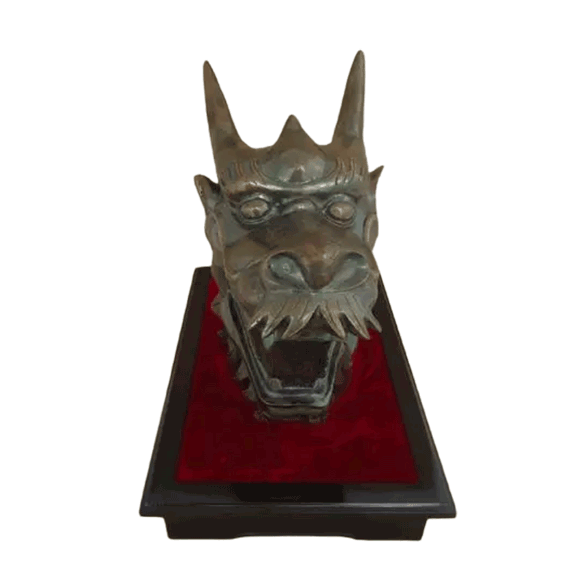
The patina is the colored finish on the surface of the bronze. It is not a paint or a coating, but rather the result of a controlled chemical reaction with the metal itself. Our artisans are masters of this process, using various compounds and techniques to achieve a wide range of finishes, from traditional verdigris and russet browns to sleek, modern looks. This patina is an integral part of the artwork, highlighting its form and texture. All our pieces, from intricate chinese bronze sculpture to monumental statues, receive expert hand chasing, polishing, and patina finishing.
My Patina Looks Uneven or Has Changed. What Should I Do?
A patina may subtly change or mellow over many years, which is a natural aging process. However, if you notice sudden or dramatic changes, such as bright green spots, flaking, or significant discoloration, it could indicate an issue with the environment or a form of active corrosion. Do not attempt to fix it yourself. Take clear photos and document the changes. As part of our commitment to our clients, we provide after-sales support that includes patina touch-ups and restoration guidance. Contacting the manufacturer or a professional conservator is the best course of action.
Can I Repair a Scratch or a Chip Myself?
Attempting a DIY repair on a scratch, chip, or break is strongly discouraged. Bronze repair is a specialized skill that requires knowledge of metallurgy, welding or brazing techniques, and expert patina matching. A failed repair attempt can cause far more damage than the original issue. For any structural damage or deep surface flaws, professional intervention is the only safe option. You can always reach out to our team for a consultation on how to proceed with a complex issue or even to customize a bronze sculpture from sculpmart.com if you need a replacement or a new piece.
Sourcing High-Quality Bronze Reproductions for Your Collection
The best way to ensure a lifetime of beauty from a bronze artwork is to start with a piece of exceptional quality. The materials and methods used in its creation directly impact its durability, detail, and long-term stability. At Luoyang Yichuan Bronze Craft Co., Ltd., we are an ISO 9001 certified manufacturer, committed to the highest standards of production.
We utilize a premium bronze alloy (Cu-Sn) and the traditional lost-wax casting method—a meticulous process that has been used for millennia to capture the finest details. Our team of over 30 skilled craftsmen, including bronze-casting masters and finishing artisans, ensures that every piece meets stringent export quality standards. Whether you require a single, intricate prototype—for which our MOQ is just one piece—or are planning a bulk order from our annual output of over 50,000 pieces, you are investing in an artwork built to last. By choosing a reputable supplier, you not only acquire a beautiful object but also a partner dedicated to its enduring legacy.