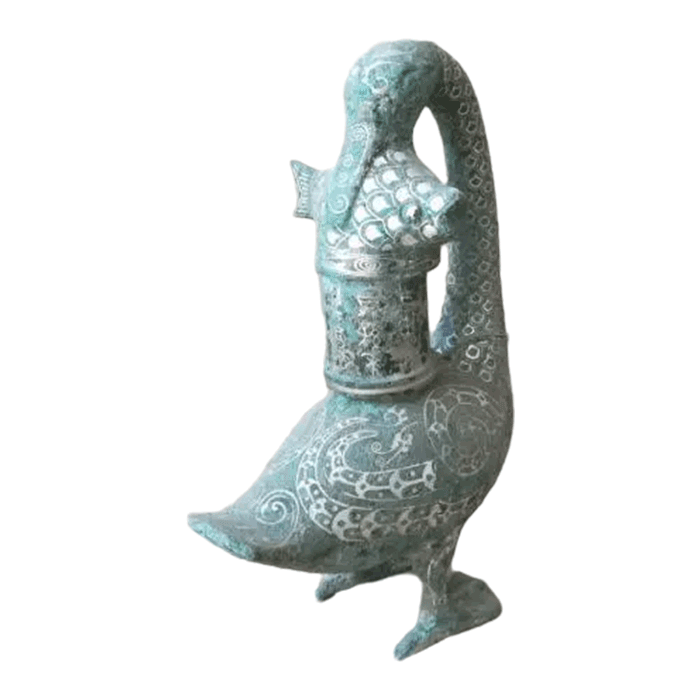
Antique Chinese Bronze Statues: Why Patina Varies
Antique Chinese Bronze Statues: Why Patina Varies From Piece to Piece
Collectors and B2B buyers researching Antique Chinese Bronze Statues often encounter a wide range of surface colors — deep malachite green, brown-black, reddish undertones, or a mottled combination of all three. This variation raises a common question: does patina color indicate age, authenticity, or origin? The answer is more technical than most buyers expect, and understanding it can prevent costly sourcing mistakes.
This article explains the metallurgical and environmental factors behind patina variation, why color alone should never be used as a dating signal, and what quality markers matter more when sourcing bronze sculptures, vessels, or Buddhist statues for resale or display.
What Patina Actually Is
Patina is a chemical layer that forms on the surface of a copper-alloy object as it reacts with oxygen, moisture, sulfur compounds, and other elements in its environment. On bronze, this typically means the formation of copper oxides, carbonates, and sulfides — compounds that produce the greens, blues, browns, and blacks associated with aged bronze surfaces.
Because this is a chemical process rather than a fixed timeline, two bronze pieces cast in the same year, using the same alloy, can develop entirely different surface colors depending on where they were stored, buried, or displayed.
The Role of Alloy Composition
Bronze is fundamentally a copper-tin (Cu-Sn) alloy, but historical and reproduction pieces often include trace amounts of lead, zinc, or arsenic depending on the casting period and region. These trace elements directly affect how a piece oxidizes over time.
- Higher tin content tends to produce cooler gray-green tones.
- Lead inclusions can create darker, more matte surfaces.
- Copper-rich alloys often shift toward warmer brown or reddish patina.
This is one reason why comparing the alloy makeup of historic bronzes, as discussed in resources like the difference between bronze and brass, is more informative than judging color alone.
Environmental Conditions Drive Color More Than Age
Perhaps the most important fact for research-stage buyers to understand is that burial environment, humidity, and soil chemistry influence patina far more than the number of years that have passed. A bronze piece buried in acidic, mineral-rich soil for decades can develop a more dramatic patina than one that sat in a dry museum storage room for centuries.
Common Environmental Factors
| Condition | Typical Patina Result |
|---|---|
| Damp, acidic soil burial | Deep green or blue-green crust, sometimes uneven |
| Dry indoor storage | Light brown to golden-brown surface with minimal texture |
| Coastal or high-humidity display | Dark, almost black patina with soft matte finish |
| Handling and polishing over generations | Uneven color, with high points worn brighter than recesses |
This is why appraisers and experienced buyers of Antique Chinese Bronze Statues avoid using color as a standalone authentication method. A vivid green surface does not necessarily mean an object is older than a piece with a duller brown tone — it may simply mean the two objects were kept in different environments.
Why Patina Color Should Not Be Used as a Dating Signal
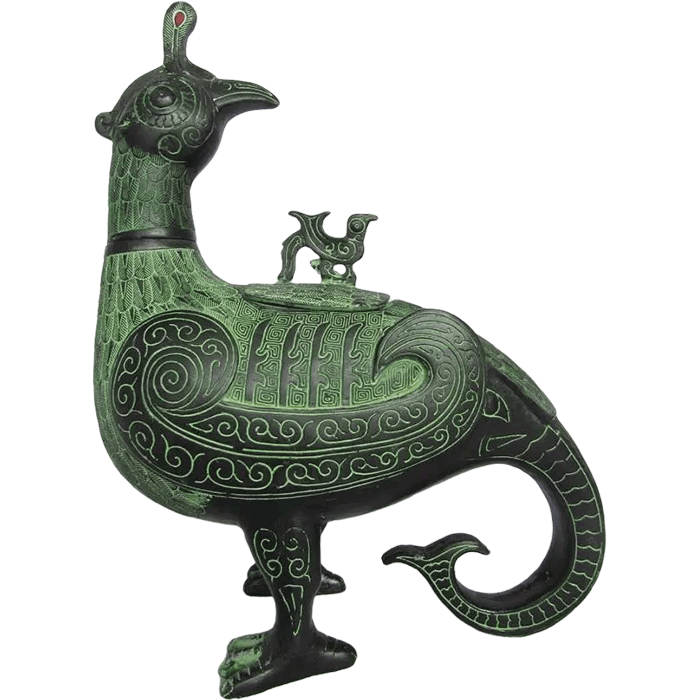
Many reproduction and workshop-cast bronzes are intentionally finished with chemical patina treatments to replicate the look of aged surfaces. Skilled artisans can recreate malachite green, cuprite red, or oxidized black tones using controlled chemical baths and heat treatments — a legitimate craft technique used both for museum restoration work and for new decorative pieces inspired by historical forms.
This means color-matching alone cannot distinguish between:
- A genuinely excavated bronze with centuries of natural oxidation
- A well-preserved antique with a lighter, less developed patina
- A modern reproduction finished with an artificial aging process
Buyers researching pieces for resale, museum display, or private collection should instead evaluate a combination of factors: casting method evidence (such as mold seams consistent with the lost-wax process), tool marks from hand chasing, weight and alloy density, and — where possible — metallurgical testing. Historical context also matters. Readers interested in how bronze surface treatment and casting techniques evolved across dynasties may find background in the evolution of bronze culture over 2000 years, which outlines how casting practices shifted from the Shang and Zhou periods through later imperial workshops.
How Reputable Bronze Workshops Approach Patina
For buyers sourcing reproduction or custom bronze pieces rather than excavated antiques, patina consistency becomes a craftsmanship issue rather than an authentication one. A workshop with proper quality control should be able to produce controlled, repeatable patina finishes across a production run — whether the goal is an antique-look surface for a decorative Buddhist statue or a modern bronze finish for a contemporary sculpture commission.
Quality Markers to Look For When Sourcing
- Alloy consistency: Reliable suppliers use a documented Cu-Sn bronze alloy rather than substituting cheaper brass, which affects both durability and patina behavior.
- Casting method transparency: Traditional lost-wax casting produces finer surface detail than sand casting, which matters for both structural integrity and how evenly a patina finish takes hold.
- Hand-finishing evidence: Chasing, polishing, and patina application by skilled artisans typically produce more even, controlled color transitions than mass-chemical dipping.
- Sample or prototype verification: For bulk orders, requesting a single prototype piece before full production helps confirm patina color matching ahead of a larger commitment.
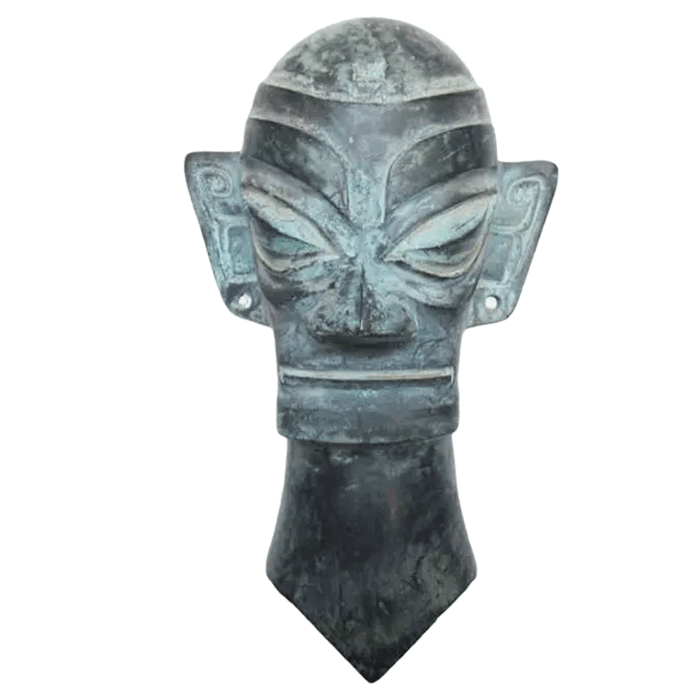
These same principles apply whether sourcing bronze statues with different themes, ceremonial vessels, or devotional pieces. Buyers who want to explore how casting and finishing techniques are applied to figural work can review examples of human bronze statues and animal bronze statues to compare surface treatment approaches.
Patina in Different Bronze Product Categories
Patina behavior is not uniform across product types — vessel forms, mirrors, and figural sculptures each present different surface challenges.
Bronze Vessels: Ding, Zun, and Hu Forms
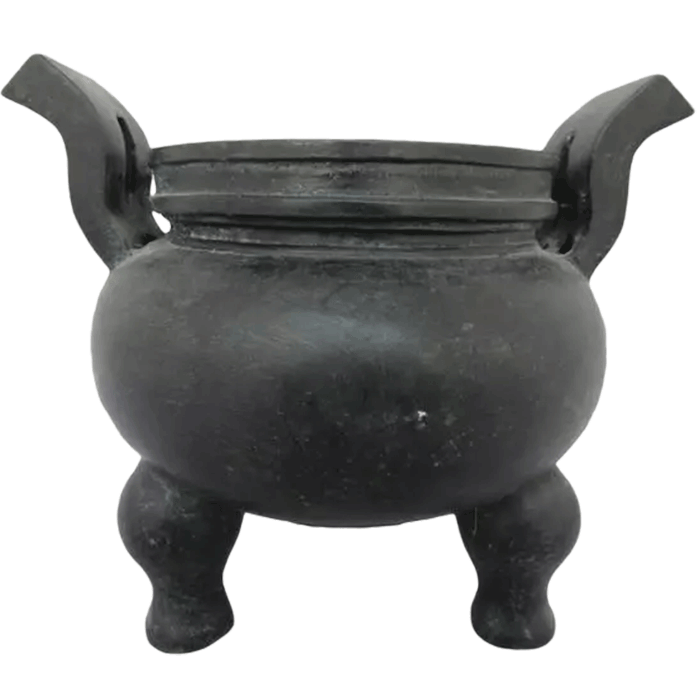
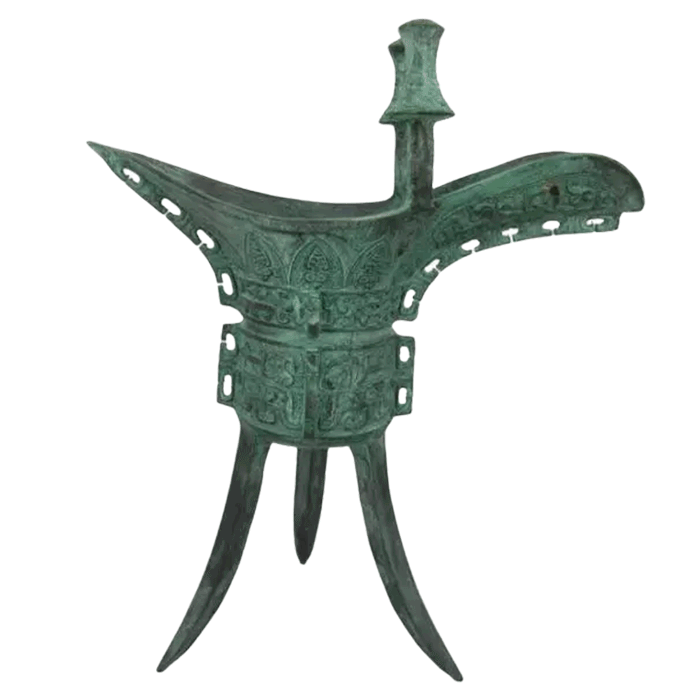
Ritual vessel forms such as ding tripods, zun wine vessels, and hu vases often have thicker walls and more complex surface geometry, which can cause patina to develop unevenly around raised motifs and recessed relief work. Historical vessel design context is available in resources covering introduction to several bronze wares.
Bronze Mirrors
Mirrors present a unique patina challenge because the reflective face was often deliberately polished and maintained during the object's working life, while the reverse decorative side was left exposed to natural oxidation — producing two very different surface conditions on a single object. Further detail on this contrast can be found in several bronze mirrors.
Bronze Incense Burners and Buddhist Statues
Devotional and ceremonial bronzes were frequently handled, cleaned, or exposed to incense smoke over long periods, which can create a smoky black patina layer distinct from the green tones seen on buried excavation pieces. This is a practical reminder that use-context, not just age, shapes final surface appearance.
Working With a Custom Bronze Workshop
For collectors, dealers, or interior design businesses who need controlled, repeatable patina results — whether replicating a museum reference piece or producing a themed collection — working directly with an experienced workshop offers more predictability than sourcing unverified antique-market pieces. A workshop that supports single-prototype orders before scaling to bulk production allows buyers to confirm patina tone, casting quality, and finishing detail before committing to a larger order.
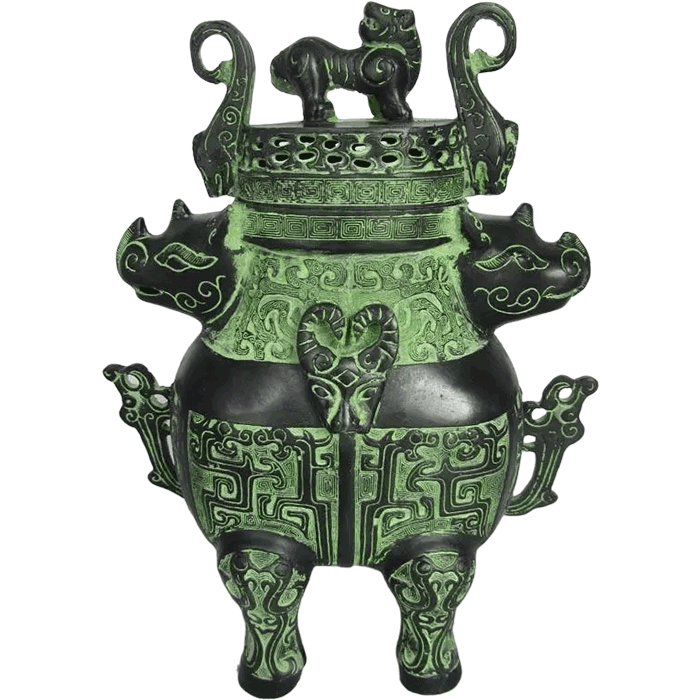
Buyers exploring custom commissions can review the process for how sculptures are specified, sampled, and finished through customize a bronze sculpture, where alloy selection, casting method, and finishing style are agreed upon before production begins.
Practical Takeaways for Research-Stage Buyers
- Patina color reflects environmental history and alloy composition — not a reliable standalone dating method.
- Two bronzes of the same era can display very different surface tones depending on burial, storage, or handling conditions.
- Reproduction and restoration work can replicate antique-style patina convincingly, so structural and metallurgical evidence matters more than color.
- When sourcing reproduction or custom bronze pieces, prioritize alloy transparency, casting method, and hand-finishing quality over surface color alone.
- Requesting a prototype before bulk production is a practical way to confirm patina consistency ahead of a larger order.
Understanding these distinctions helps buyers make more informed decisions when evaluating Antique Chinese Bronze Statues for collection, resale, or reproduction sourcing — treating patina as one data point among several rather than a definitive marker of age or authenticity. Readers interested in broader bronze vessel classification can also review ancient Chinese bronze wine vessel types for additional historical context on how form and function shaped surface treatment across different object categories.
For buyers who want to see how these principles are applied in current production, background on workshop capabilities and quality control practices is available on the about sculpmart page, alongside examples of Chinese bronze sculpture work spanning both traditional and custom commissions.