Ancient Style Bronze Statues: MOQ and Sample FAQs
Ancient Style Bronze Statues: What Buyers Should Know About MOQ, Samples, and Order Planning
Sourcing bronze art for a gallery, hospitality project, or wholesale catalog raises a set of practical questions long before pricing is discussed. How small can a first order be? Can a sample be produced before committing to a bulk run? How long does casting actually take, and what happens if a piece arrives damaged? This guide answers these questions directly for buyers preparing their first order of ancient style bronze statues, drawing on the production practices of an established bronze foundry based in Yichuan County, Luoyang, Henan Province.
Minimum Order Quantity: Why Bronze Casting Doesn't Follow Retail Rules
Unlike mass-produced decor items, bronze sculpture production is rooted in traditional lost-wax casting, a labor-intensive method that has changed little in thousands of years. Because each piece involves mold-making, wax modeling, casting, hand chasing, and patina finishing, MOQ policies differ significantly from typical wholesale goods.
Single-Piece Custom Orders
For custom sculptures — including one-off replicas of museum pieces, commissioned portrait statues, or bespoke Buddhist figures — the minimum order quantity starts at just one piece. This flexibility matters for interior designers sourcing a single feature piece, temples requesting a specific deity statue, or collectors seeking an exact replication of an antique bronze.
Bulk and Wholesale Orders
For distributors and retailers planning inventory across multiple SKUs, bulk order quantities are negotiated based on sculpture size, design complexity, and finishing requirements. A tabletop incense burner and a life-size garden statue naturally carry different production timelines and minimums, so buyers should share intended quantities and specifications early in the inquiry process to receive an accurate MOQ recommendation.
| Order Type | Typical MOQ | Best For |
|---|---|---|
| Custom prototype / single sculpture | 1 piece | Collectors, temples, one-off commissions |
| Small batch reproduction | Negotiable, size-dependent | Galleries, boutique retailers |
| Bulk wholesale | Negotiable, design-dependent | Distributors, project buyers |
Sample Requests and the Prototype Process
Buyers rarely want to commit to a full production run without seeing physical proof of casting quality, patina accuracy, and finishing detail. A structured sample process helps de-risk that first order.
Requesting a Physical Sample
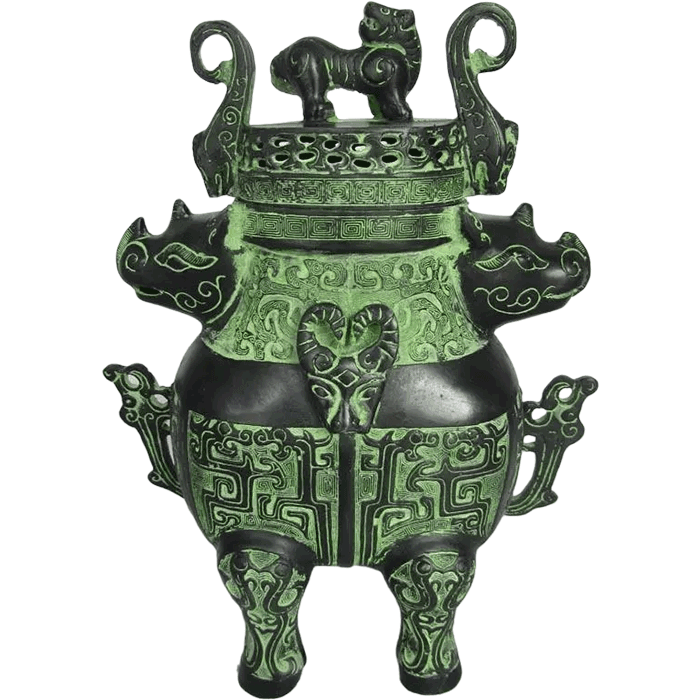
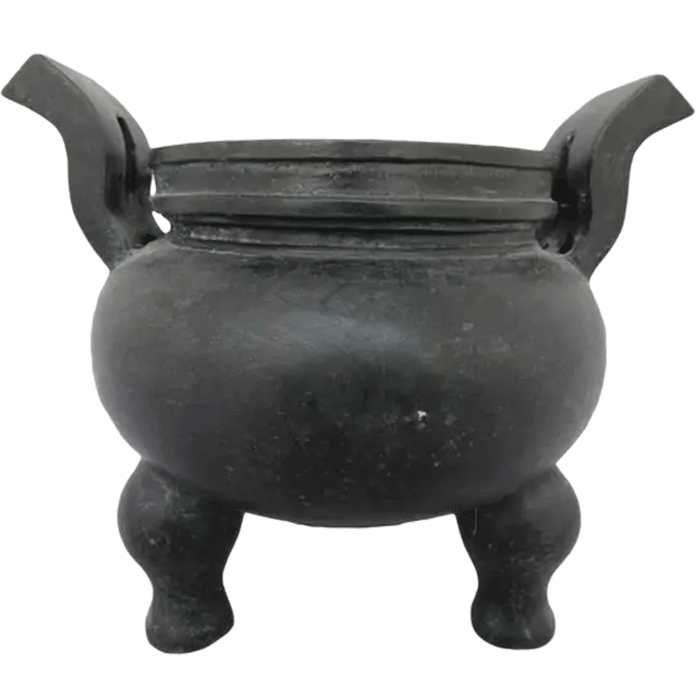
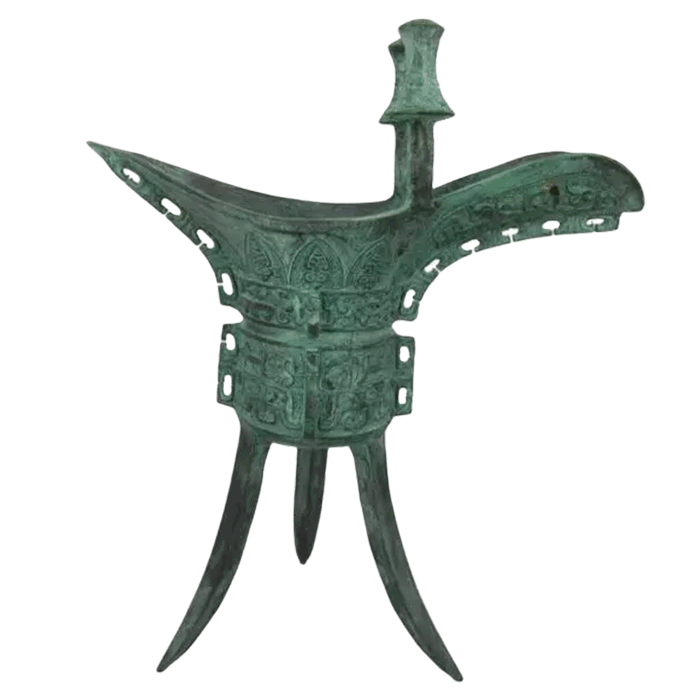
For standard catalog designs — such as bronze ding tripods, zun vessels, or classic mirror patterns — a representative sample may already exist from prior production runs and can often be shipped quickly for inspection. For fully custom designs, a single prototype piece is cast first, allowing the buyer to approve dimensions, surface texture, and patina color before bulk casting begins.
Digital Proofs Before Casting
Before metal is poured, buyers working on custom commissions typically receive reference photos or renderings of the wax or clay model. This step is especially important for bronze statues with different themes, where facial proportions and posture must match the buyer's reference material precisely, and for Buddhist statues where iconographic details carry religious significance.
Sample Cost and Lead Time
Because lost-wax casting consumes materials and craftsman hours regardless of final order size, sample pieces are generally not free, though sample costs are frequently deductible from a subsequent bulk order. Lead time for a sample depends on the complexity of the mold and the intricacy of surface chasing work required.
Production Capacity and Realistic Lead Times
With a production area of 3,000 square meters and a team of over 30 skilled craftsmen — including bronze-casting masters and finishing artisans — the workshop supports both single-prototype orders and production runs contributing to an annual output exceeding 50,000 bronze art pieces. That said, buyers should plan lead times around a few realistic factors rather than assuming uniform turnaround.
Factors That Affect Lead Time
- Mold complexity: A simple bronze mirror casts and finishes faster than a multi-figure sculptural group.
- Surface finishing: Hand chasing and detailed patina work — whether an antique verdigris finish or a modern polished look — add production days beyond the initial casting stage.
- Order quantity: Bulk runs of ding, zun, or hu vessels require staged mold preparation, which affects overall scheduling.
- Packaging requirements: Export-compliant protective packaging for fragile sculptures is prepared after quality inspection, adding to the timeline but reducing transit damage risk.
Buyers with fixed installation dates — trade show openings, temple consecration ceremonies, or retail launch dates — should communicate deadlines at the inquiry stage so production scheduling can account for casting, finishing, inspection, and shipping in sequence.
Quality Assurance, Patina Matching, and After-Sales Support
Because bronze art is judged on both structural integrity and surface artistry, quality control extends beyond checking for casting defects.
Pre-Shipment Inspection
Every order undergoes quality inspection before shipment, checking casting soundness, surface finish consistency, and patina color matching against approved samples. This inspection process aligns with the company's ISO 9001 quality management certification and export quality inspection standards for art crafts.
Patina Color Consistency
One of the more common sourcing pain points for buyers is inconsistent patina color across a bulk order — a mismatch that becomes obvious when multiple statues are displayed together. Controlled patina application, applied by experienced finishing artisans, helps maintain visual consistency across a production run, whether the desired look is an aged antique bronze or a cleaner modern tone.
Defect Replacement and Restoration Guidance
If a casting defect is identified, free replacement is provided. After-sales support also extends to patina touch-ups and restoration guidance, which is particularly useful for buyers managing bronze pieces on display in outdoor or high-traffic environments where patina can shift over time.
Choosing Between Standard Catalog Designs and Fully Custom Artworks
Not every buyer needs a fully bespoke commission. Understanding the difference helps set realistic MOQ and timeline expectations.
Standard Designs
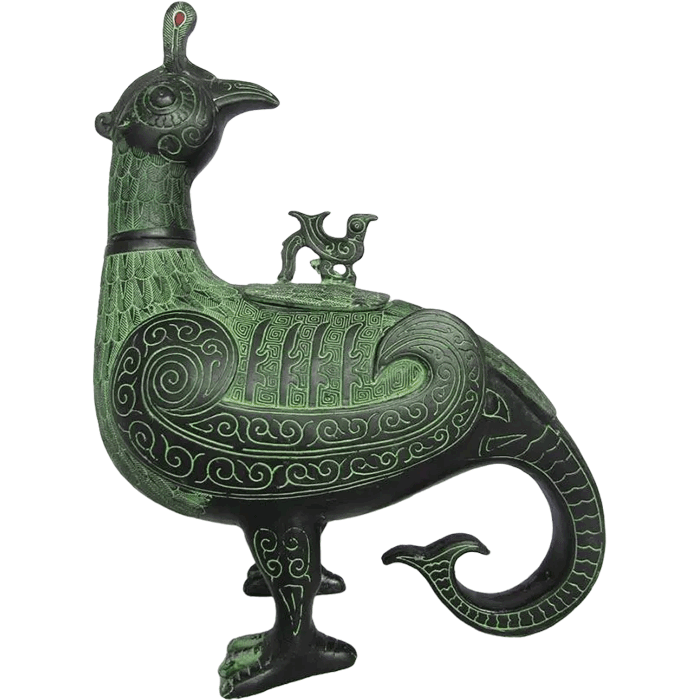
Catalog pieces — including classic bronze statues with different themes, incense burners, and traditional vessel forms — draw on existing molds, which generally shortens both sample and bulk production timelines compared to fully custom work.
Custom Artworks
Fully custom pieces, such as a commissioned portrait sculpture or an exact replication of a specific antique bronze, require new mold development from a client-approved model. Buyers interested in this route can review the process to customize a bronze sculpture from sculpmart.com before submitting reference images or dimensions.
Hybrid Requests
Some buyers request a modification of an existing design — a resized ding tripod, a different patina tone, or an adapted base — which typically falls between standard and fully custom pricing and lead-time categories.
Frequently Asked Questions from First-Time Buyers
Can I order just one bronze sculpture?
Yes. Custom sculpture orders start at a minimum of one piece, making single-item purchases viable for collectors, temples, and interior designers sourcing a unique feature piece.
Do I need to approve a sample before placing a bulk order?
It's strongly recommended for custom designs. Sample approval confirms dimensions, surface texture, and patina color before committing to a larger production run, reducing the risk of costly rework.
What happens if my shipment arrives damaged?
Export-compliant protective packaging is used specifically to reduce transit damage for fragile sculptures, and any confirmed casting defect qualifies for free replacement under the standard quality policy.
Can patina color be matched across a large order?
Consistent patina color matching is one of the specific sourcing challenges this workshop addresses, using controlled finishing processes applied by trained artisans across production batches.
Are bronze mirrors and vessels made using the same process as sculptures?
Yes, bronze mirrors, ding and zun vessels, incense burners, and sculptures are all produced using the same premium Cu-Sn bronze alloy and traditional lost-wax casting method, with finishing techniques adapted to each product type.
Buyers researching the deeper history behind these forms — including the cultural evolution documented in the evolution of bronze culture over 2000 years — often find that understanding traditional casting periods helps clarify why certain design details, proportions, or patina tones are considered authentic to a given historical style. This context is especially useful when commissioning replicas intended to match a specific dynasty's aesthetic.
Preparing Your Inquiry for a Faster, More Accurate Quote
Buyers who provide clear specifications at the inquiry stage typically receive more accurate MOQ, sample cost, and lead-time estimates. A well-prepared inquiry generally includes:
- Reference images or dimensions of the desired design
- Intended quantity range, even if approximate
- Preferred finish — antique patina or modern polished look
- Target delivery timeframe or event date
- Destination country, for export packaging and documentation planning
With this information in hand, the foundry team can advise on realistic MOQ tiers, whether a sample or digital proof is the more efficient first step, and how casting complexity will affect overall lead time. For buyers still exploring design direction, browsing existing chinese bronze sculpture categories can help narrow down a starting reference point before submitting a formal inquiry.
Ultimately, ordering bronze art doesn't need to be an opaque process. By understanding how MOQ scales with complexity, why sample approval protects a bulk investment, and what quality and after-sales measures are already built into production, first-time buyers can approach their sourcing decision with the same confidence as an experienced distributor. Whether the goal is a single museum-quality replica or a wholesale catalog of ancient-style bronze statues for retail distribution, aligning expectations early remains the most reliable path to a smooth first order.