Ancient Chinese Bronzes: Forms, Symbols and Function
Understanding Ancient Chinese Bronzes Helps Buyers Choose the Right Chinese Bronze Sculpture Style
For centuries, bronze has served as one of the most respected materials in Chinese art and ritual life. Long before it became a decorative medium for modern interiors, bronze was cast into vessels for ancestral worship, weapons for war, mirrors for daily use, and figures for religious devotion. Understanding these historical forms is essential for any buyer comparing collections or planning a custom commission, because the shape, surface treatment, and symbolism of a piece often determine its market value and cultural resonance. This guide walks through the major categories of ancient Chinese bronzework and explains how they inform today's sourcing decisions for a Chinese Bronze Sculpture collection.
The Origins and Purpose of Ancient Bronze Casting
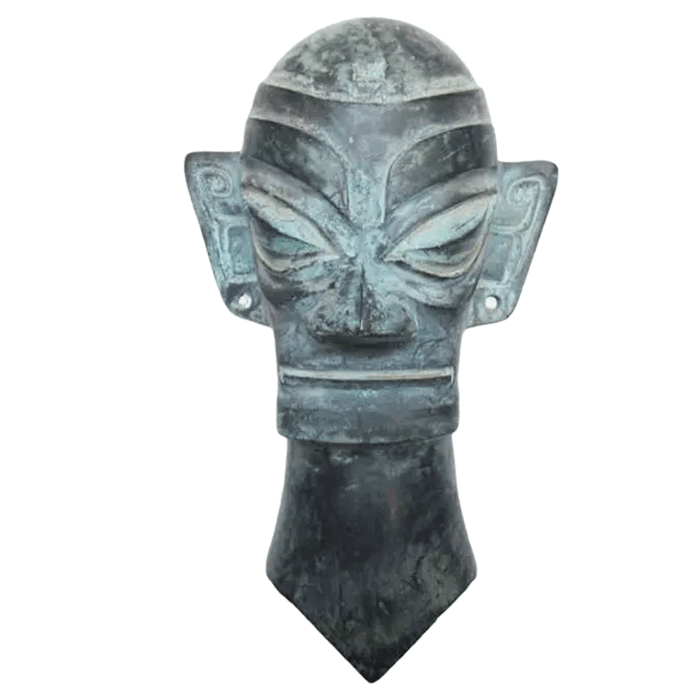
Bronze casting in China dates back more than 3,500 years, reaching technical maturity during the Shang and Zhou dynasties. Unlike bronze traditions in other parts of the world that focused mainly on tools and weapons, Chinese bronze casting was deeply tied to ritual authority. Vessels were commissioned by royal households and aristocratic clans to communicate with ancestors, mark political power, and record important events through cast inscriptions. This ritual function shaped the aesthetic language of bronze art for generations, and many of those visual conventions—symmetry, taotie masks, geometric bands—still appear in contemporary reproductions and custom pieces today.
Readers who want a deeper historical timeline can review the evolution of bronze culture over 2000 years, which traces how casting techniques and stylistic preferences shifted across dynasties.
Lost-Wax Casting and Material Composition
Most museum-grade ancient pieces, and most quality reproductions today, rely on the lost-wax casting method combined with a bronze alloy of copper and tin (Cu-Sn). This alloy composition affects color, hardness, and how well a surface accepts patina. Buyers evaluating suppliers should ask directly about alloy ratios, since lower-grade metal blends can compromise both durability and the authenticity of an antique finish. For a closer look at how alloy choice affects appearance and performance, see the difference between bronze and brass.
Major Forms of Ancient Chinese Bronze Ware
Ancient bronzeware falls into several recognizable categories, each with a distinct function and symbolic weight. Familiarity with these forms allows buyers to select pieces that fit a specific display theme, whether for a corporate lobby, a private collection, or a temple setting.
Ritual Vessels: Ding, Zun, and Hu
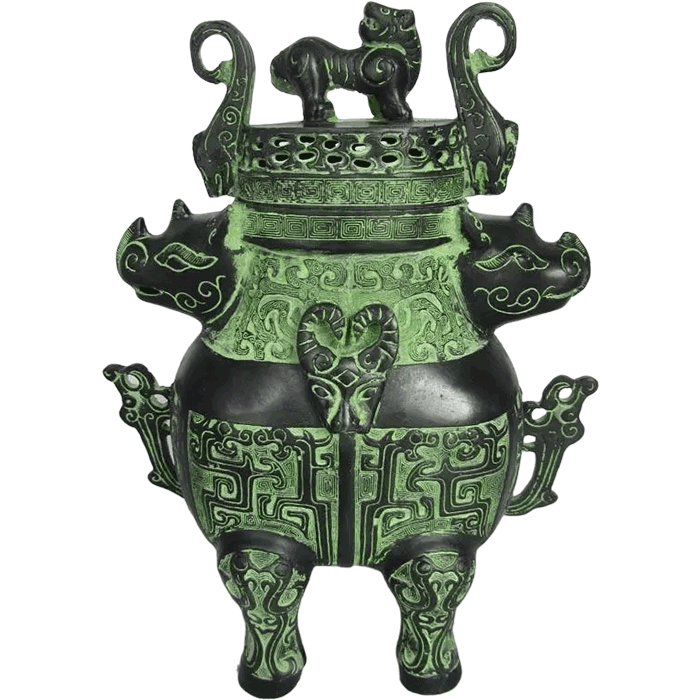
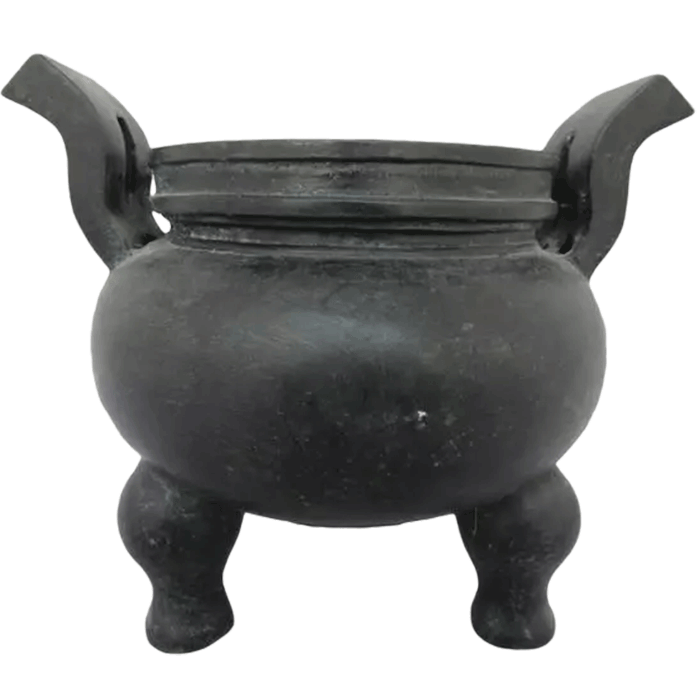
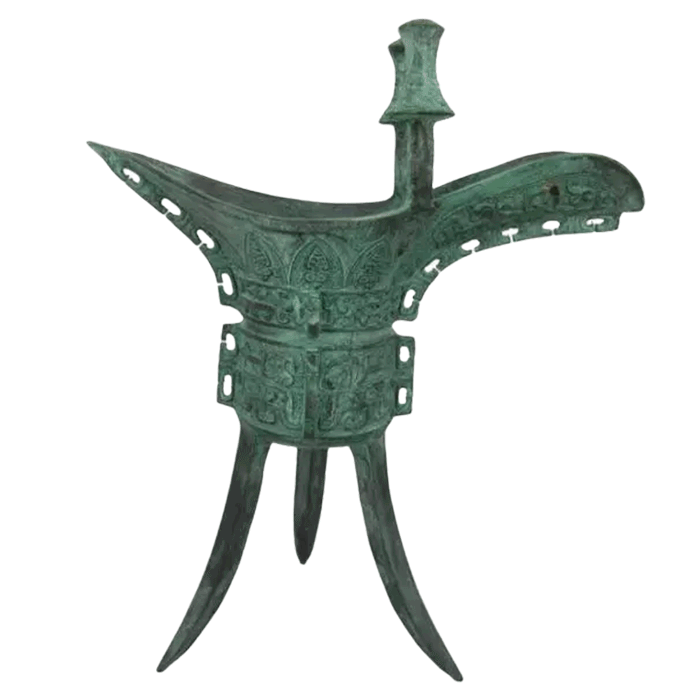
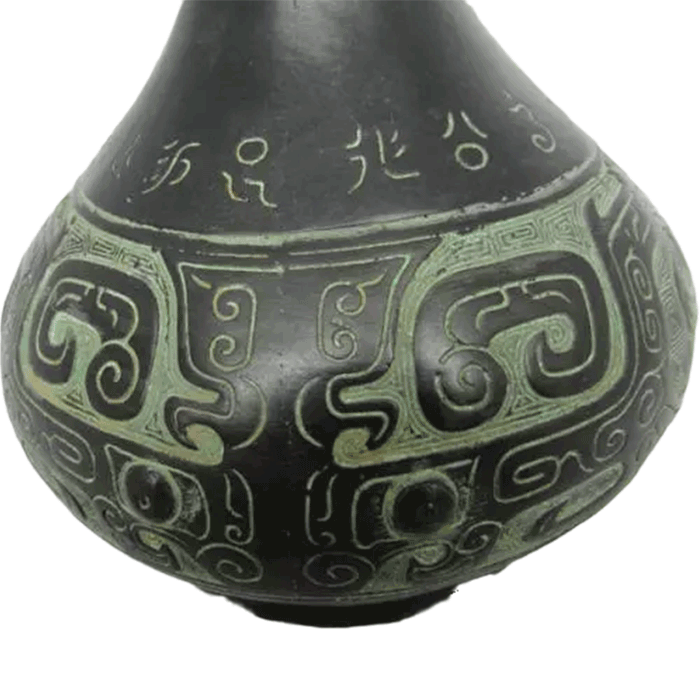
The ding tripod, originally used for cooking sacrificial offerings, became the most powerful symbol of political legitimacy in ancient China—so much so that "possessing the ding" was a metaphor for holding the throne. The zun and hu, tall vessels used for wine and liquid offerings, display elaborate relief work, often featuring animal-form lids or handles. These vessel types remain popular in reproduction form for collectors who want an authentic centerpiece rather than a purely decorative object. The detailed history behind specific famous vessels is explored in bronze statue and mao gong ding and Houmuwu square cauldron.
Bronze Mirrors
Bronze mirrors were polished on one face and cast with intricate patterns on the reverse, often depicting cosmological symbols, animals of the four directions, or auspicious inscriptions. They served both practical and ritual purposes, sometimes buried with the deceased for protection in the afterlife. A detailed survey of mirror types and patterns is available in several bronze mirrors.
Weapons and Musical Instruments
Bronze was also cast into swords, daggers, and the ge halberd, reflecting the metal's dual role in ceremony and warfare. Chime bells and other musical instruments, most famously the Zenghouyi chime bells, reveal how precisely ancient foundries could control pitch through wall thickness and casting geometry. These pieces demonstrate a technical sophistication that continues to inform how modern craftsmen approach large-scale bronze casting projects. Learn more in ancient Chinese bronze musical instruments and bronze weapons—knife and ge.
Symbolism That Shapes Design Decisions Today
Every motif on an ancient bronze carries meaning, and this symbolic vocabulary continues to guide how a modern Chinese Bronze Sculpture is designed for commercial or ceremonial spaces.
Animal Motifs and Their Meaning
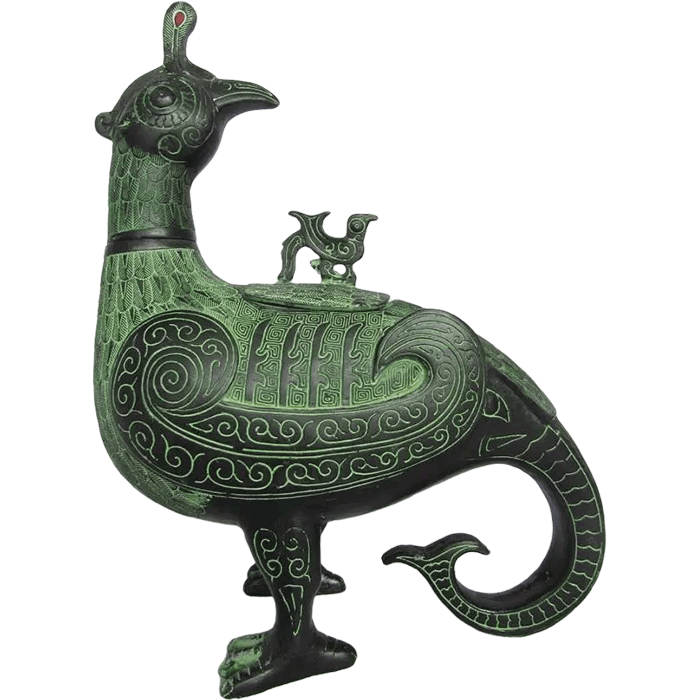
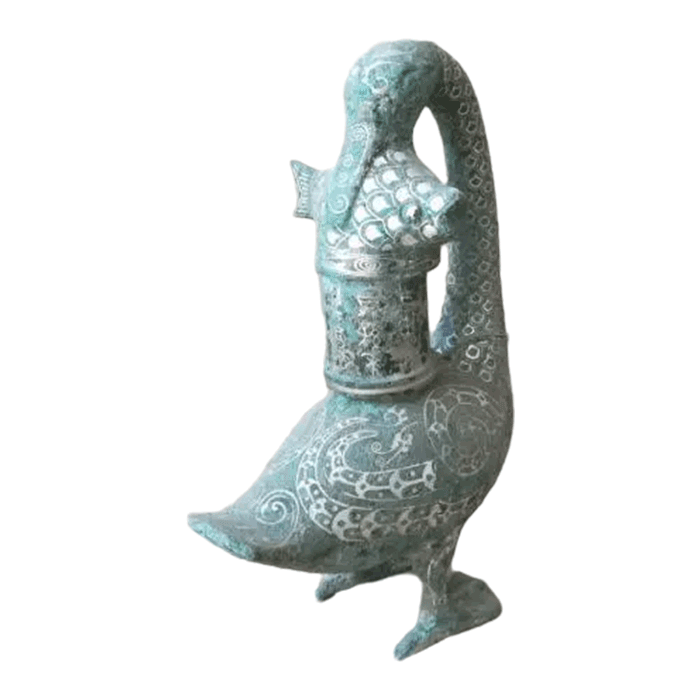
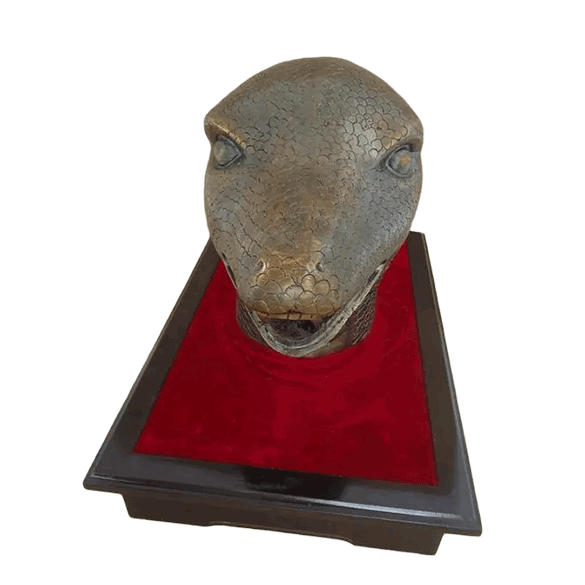
Dragons represent imperial power and control over water and weather. Phoenixes symbolize renewal and harmony. The taotie mask, a stylized animal face with bulging eyes, is thought to have warded off evil spirits and marked the boundary between the sacred and the mundane. Buyers commissioning animal statues—whether guardian lions, horses, or oxen—benefit from understanding these associations, since the wrong motif can clash with a building's intended symbolism. A useful reference on animal-form pieces is bronze statues with different themes, chinese bronze antique, chinese bronze decorations and more.
Human Figures and Devotional Statues
Bronze human figures, from court officials to Buddhist deities, were cast to convey status, virtue, or spiritual protection. Buddhist statues in particular required strict proportional guidelines and specific hand gestures (mudras) that carry doctrinal meaning. Commissioning a devotional piece today still calls for this same attention to iconographic accuracy. Explore examples at bronze statues with different themes, chinese bronze antique, chinese bronze decorations and more.
From Ancient Forms to Modern Chinese Bronze Sculpture Production
Modern workshops that specialize in bronze art draw heavily on these historical templates, but production today must also meet contemporary standards for consistency, export packaging, and quality assurance. At Luoyang Yichuan Bronze Craft Co., Ltd., located in Yichuan County, Luoyang, Henan Province—one of the historical centers of Chinese bronze culture—our 3,000-square-meter production facility brings together more than 30 skilled craftsmen, including bronze-casting masters and finishing artisans, to produce over 50,000 pieces annually.
Casting, Finishing, and Patina Work
Each piece begins with premium Cu-Sn bronze alloy and is shaped using the traditional lost-wax method. After casting, artisans perform hand chasing and polishing before applying a patina finish in either an antique or a modern look, depending on the client's intended display environment. Matching a consistent patina color across a multi-piece order is one of the more difficult technical challenges in bronze production, and it requires experienced finishing artisans who understand how oxidation reacts with different alloy ratios.
Custom Orders and Minimum Quantities
Because collectors and institutions have very different needs, our workshop supports everything from a single custom prototype to full bulk production runs. The minimum order quantity for custom sculptures starts at one piece, while bulk orders are negotiated based on size and design complexity. This flexibility allows a museum replica project and a large hospitality decor order to both be handled by the same production line without compromising on finish quality. Buyers exploring a specific commission can review the process at customize a bronze sculpture from sculpmart.com.
Practical Considerations When Sourcing a Chinese Bronze Sculpture
Beyond historical accuracy, buyers need to consider quality assurance, packaging, and after-sales support—especially for large or fragile pieces shipped internationally.
Quality Standards and Inspection
Our facility operates under an ISO 9001 quality management system, and every product complies with export quality inspection standards for art crafts. Each shipment undergoes inspection before it leaves the workshop, and any casting defect is addressed with a free replacement rather than a partial refund, since a replacement preserves the integrity of a matched set or themed collection.
Packaging and After-Sales Support
Fragile bronze sculptures and vessels require export-compliant protective packaging to survive long-distance shipping without surface damage. After delivery, our after-sales support includes guidance for patina touch-ups and restoration, which is particularly useful for clients displaying pieces outdoors or in high-traffic commercial spaces where the surface may need periodic maintenance.
Choosing Between Vessels, Figures, and Custom Artwork
Buyers new to bronze sourcing often start by browsing established categories before moving to custom work. Ritual vessels like ding, zun, and hu suit formal or ceremonial spaces; human and animal statues work well for gardens, lobbies, and religious settings; and fully custom artworks are best suited to clients who need an exact replication of a historical antique or a unique design tied to a brand identity. A broader overview of available styles is available at bronze statues with different themes, chinese bronze antique, chinese bronze decorations and more, and general background on the craft can be found at Chinese bronze sculpture collections.
Building a Collection with Historical Confidence
Whether the goal is a single commemorative vessel, a themed set of animal statues, or a large-scale devotional figure, understanding the forms and symbols behind ancient Chinese bronzes gives buyers a stronger foundation for making sourcing decisions. Pairing that historical knowledge with a workshop that follows ISO 9001 quality management, uses premium bronze alloy, and offers flexible order quantities helps ensure that the final piece is both culturally accurate and production-ready. For readers who want to learn more about the company behind this craftsmanship before placing an order, more information is available on our about sculpmart page.
Ancient bronze culture was never static—it evolved across dynasties, absorbed new motifs, and adapted to changing ritual needs. Today's workshops continue that tradition by translating historical forms into pieces suited for modern spaces, without losing the symbolic depth that made bronze art significant in the first place. A well-chosen Chinese Bronze Sculpture, grounded in this history, offers more than decoration—it carries forward thousands of years of craftsmanship and meaning.