Ancient Chinese Bronze Reproductions Sample Checks
Ancient Chinese Bronze Reproductions need verified pre-production samples.
For importers, museum shops, antique-style décor brands, galleries, and project buyers, approving a bronze sample is one of the most important controls before confirming an export order. A pre-production sample gives the buyer and factory a shared physical reference for material, dimensions, casting detail, patina, finish, assembly, and packaging expectations. It reduces the risk that a finished production run will differ from the approved concept, quotation, photographs, or written specification.
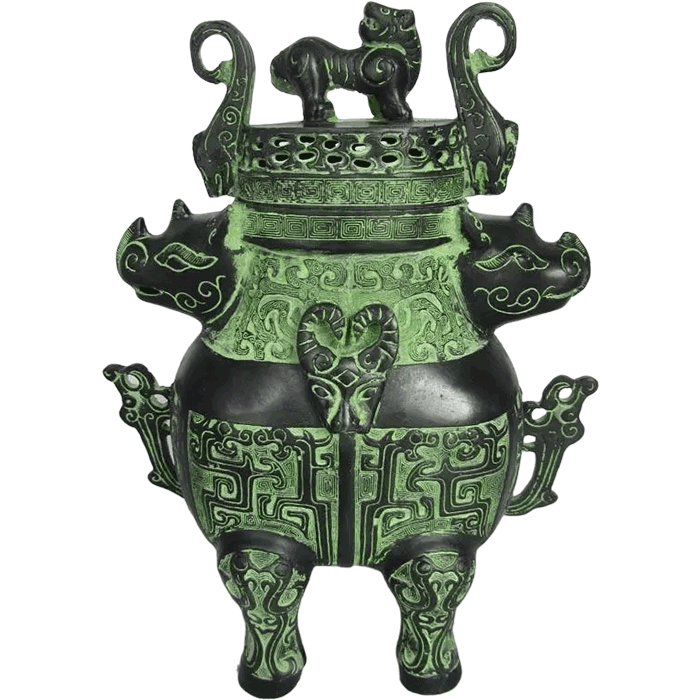
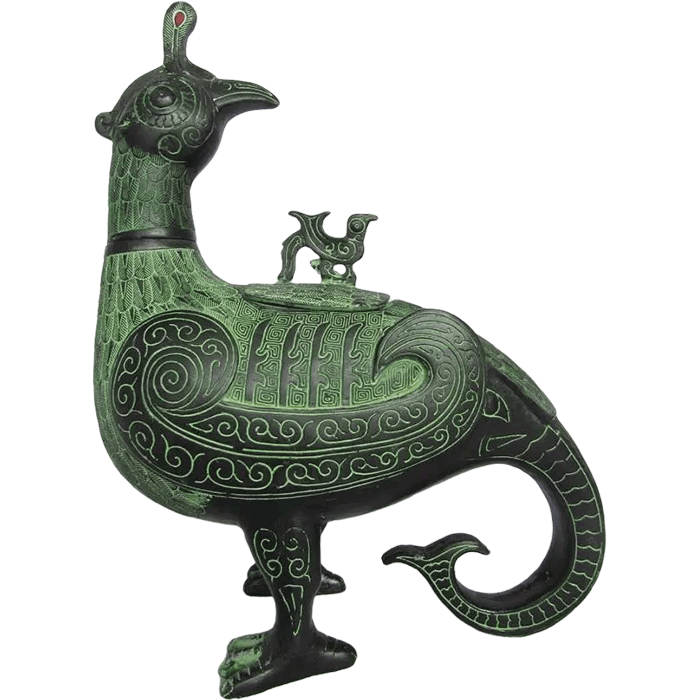
Bronze reproduction projects often involve details that are difficult to judge from drawings alone. Surface relief, vessel proportions, inscription depth, animal features, decorative handles, tripod legs, mirror backs, and aged patina all need direct review. This is especially important when sourcing replicas based on archaeological references, private collection images, existing objects, or incomplete historical documentation.
Luoyang Yichuan Bronze Craft Co., Ltd. supports custom work from a single prototype through to bulk production. The company uses Cu-Sn bronze alloy and the traditional lost-wax casting method, with hand chasing, polishing, and patina finishing available for antique and modern presentation requirements. Buyers can use the sample stage to confirm exactly how these processes will be applied to their own bronze vessel, statue, mirror, incense burner, Buddhist figure, or custom artwork.
Why sample approval should happen before bulk bronze production
A bronze product is not simply a metal item produced from a standard mold. In many reproduction projects, the pattern, wax model, mold setup, casting gates, finishing process, and patina application are connected to a specific design. Once a buyer approves the sample, both parties have a practical benchmark for the next production stage.
Without a documented sample approval process, quality discussions can become subjective. A buyer may expect a dark green antique patina, while the factory may interpret the request as a brown-black aged finish. A vessel may appear correct in a front-facing photograph but have handles that sit too high, feet that look too thin, or a rim that lacks the intended profile. A bronze statue may have the correct overall height but insufficient definition in the facial expression, robe folds, or decorative engraving.
Sample verification helps buyers identify these issues when adjustments are still more manageable. It also creates a record of acceptable workmanship standards before production begins. For complex items, the approved sample should be treated as a reference piece together with the technical drawing, approved dimensions, finish notes, and packaging instructions.
Buyers evaluating historically inspired products may also benefit from reviewing resources on bronze culture evolution before preparing their design references. Understanding the visual language of different periods can help purchasers communicate more clearly about vessel forms, decorative motifs, and surface character.

Prepare a complete sample specification before the factory starts
The best sample approval process begins before the first wax pattern is made. Buyers should provide a clear sample specification rather than relying only on a general image or a short message. The more complete the specification, the easier it is for the factory to understand which details are essential and which areas allow reasonable hand-finished variation.
Define the intended product reference
State whether the piece is an exact replication, a historically inspired interpretation, a resized version, or a newly designed artwork using traditional bronze elements. For example, a buyer may request a ding vessel based on a museum reference but with adjusted dimensions for a hotel lobby, retail collection, or private interior. Another buyer may want an antique-style mirror with a custom logo or an incense burner with modified openings for practical use.
Provide photographs from multiple angles whenever possible. Include front, rear, side, top, bottom, and close-up views of inscriptions, handles, feet, animal masks, relief patterns, or surface damage that should be reproduced. If the original is unavailable, identify which image should be treated as the principal design reference.
Confirm measurable requirements
Dimensions should be listed in a clear unit system and should identify which measurements are critical. Depending on the product, this may include total height, width, depth, rim diameter, wall thickness, foot spacing, handle span, statue base size, mirror diameter, or burner opening size. For multi-part sculptures, specify the dimensions of each component and the expected assembled height.
Weight should be discussed where it affects shipping, installation, display stands, or authenticity expectations. Because lost-wax bronze casting and hand finishing can involve normal process variation, buyers should agree with the supplier on the dimensions that require the closest control. This is more useful than assuming that every small feature can be measured to the same tolerance.
State the alloy and finish expectations
Bronze and brass are not interchangeable materials. A buyer should confirm that the requested item will use the agreed bronze alloy and should specify whether the final object should have a polished, natural bronze, dark brown, black, green, blue-green, or layered antique patina appearance. A useful reference for procurement teams is this explanation of bronze and brass differences.
For aged finishes, reference images are particularly important. Patina is affected by surface preparation, hand application, lighting, photography, and the underlying metal texture. A written description such as “antique green” is not sufficient on its own. Buyers should provide a visual standard and note whether they prefer a more even color, darker recessed areas, highlighted edges, or visible hand-finished variation.
Inspect casting quality and structural accuracy on the sample
Once the sample is ready, inspection should cover both visual appearance and structural quality. Buyers should request detailed photographs and videos if they cannot inspect the sample in person. For valuable or technically demanding work, arranging an independent inspection or visiting the factory can provide an additional level of control.
Luoyang Yichuan Bronze Craft Co., Ltd. operates from Yichuan County, Luoyang, Henan Province, with a 3,000-square-meter production area and more than 30 skilled craftsmen, including bronze-casting masters and finishing artisans. For buyers, the sample stage is an opportunity to assess how the factory’s casting and hand-finishing capabilities align with their product requirements.
Check the silhouette and proportions first
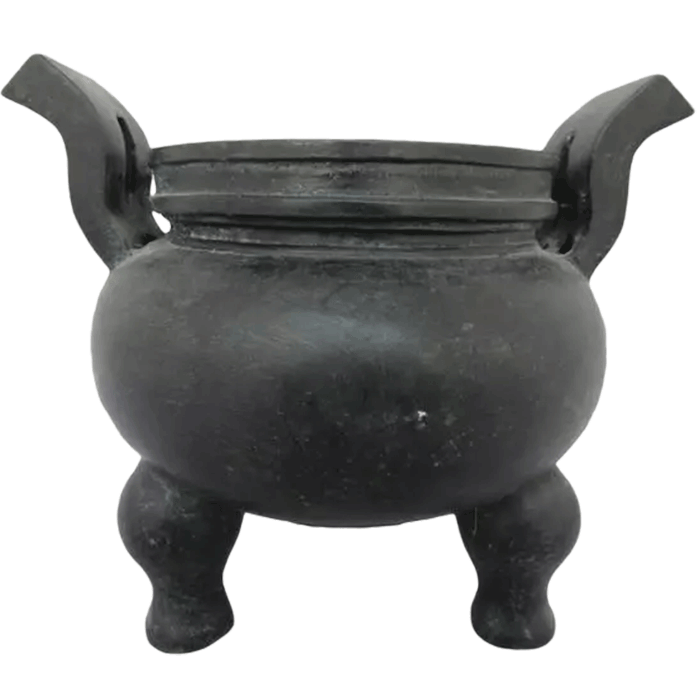
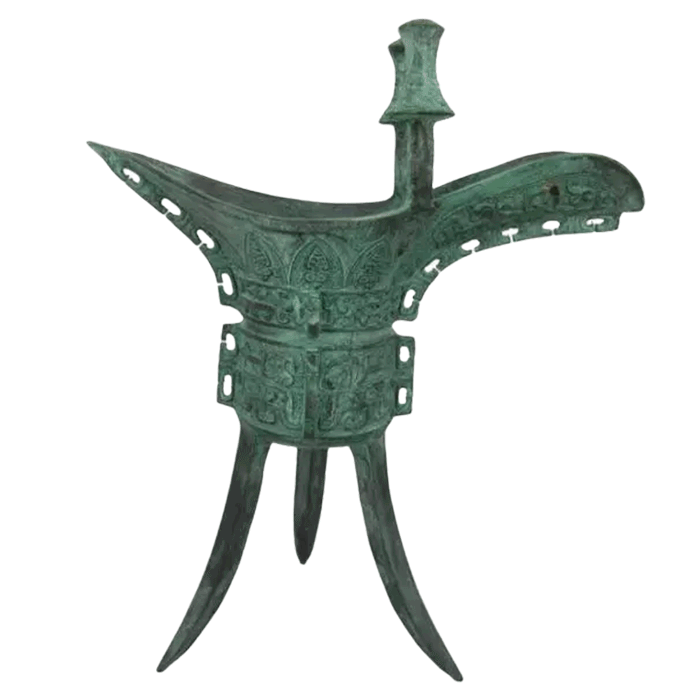
Begin with the overall shape. Place the sample beside the approved drawing or reference image and compare the major lines. On a bronze zun, hu, ding, or tripod, verify the shoulder profile, neck height, belly width, rim thickness, leg position, and handle angle. On a human or Buddhist statue, review posture, head-to-body proportion, hand gestures, drapery, and base design. On an animal sculpture, examine the body balance, leg placement, tail, ears, horns, mane, and expression.
Silhouette errors are often more visible than small decorative differences. A product can have attractive surface work but still look incorrect if the body proportions are not faithful to the approved reference. Buyers should approve the overall geometry before focusing on patina or minor finishing details.
Review relief, inscriptions, and surface definition
Lost-wax casting can reproduce detailed patterns, but the quality of the final result depends on the original model, wax work, mold preparation, metal flow, cleanup, and hand chasing. Inspect whether taotie masks, cloud patterns, animal motifs, geometric bands, inscriptions, or textured backgrounds are sufficiently clear and consistent with the intended design.
Ask for close-up images of critical decorative areas. On a reproduction vessel, check whether the relief is too shallow, too soft, overly sharp, or missing sections. On a mirror, review the reverse-side pattern, central knob, rim profile, and any cast inscription. Buyers sourcing period-inspired items may compare shape references with information about several bronze wares to better define the characteristics they want reproduced.
Look for casting and finishing concerns
The sample should be examined for visible casting defects, such as unwanted holes, cracks, excessive porosity, incomplete details, rough gate-removal areas, or uneven joins. Also inspect the stability of legs, bases, handles, lids, and assembled components. A vessel should stand steadily. A statue should not rock on its base. Handles and decorative attachments should be properly aligned and securely finished.
Hand chasing and polishing are important for refining cast details and removing unwanted roughness. However, buyers should clarify whether the project requires a highly polished presentation or an intentionally aged, less uniform appearance. Antique-style work may retain controlled textural character, while modern display pieces may require cleaner and more consistent finishing.

Approve patina under consistent viewing conditions
Patina approval deserves separate attention because the same bronze surface can look very different under daylight, warm indoor lighting, cool white lighting, or camera flash. A finish that appears deep green in one photo may appear brown or almost black in another. To avoid disputes, buyers should ask for images and video taken under agreed lighting conditions.
For a reliable review, request full-product photographs, close-up photographs, and a video slowly moving around the object. The video should show raised areas, recessed patterns, corners, weld or joining locations, and the base. This makes it easier to see whether the patina is even where it should be even and naturally varied where an aged effect is required.
A buyer should also clarify how much variation is acceptable between pieces in a bulk order. Hand-applied antique finishes may have slight visual differences, particularly where raised relief and recessed details respond differently to the finishing process. The key is to establish a sample that defines the acceptable color family, contrast level, and overall visual direction.
- Confirm the dominant patina color and secondary tones.
- Check whether recessed areas should appear darker than raised areas.
- Review edge highlights, especially on relief patterns and sculpted folds.
- Confirm whether polished metal highlights are wanted or should be avoided.
- Check the base, underside, handles, and hidden areas for finish consistency.
- Record approved finish photographs as part of the production file.
Verify functional details, assembly, and packing requirements
Decorative bronze products can still have functional requirements. An incense burner may need correctly positioned openings and a stable lid. A mirror may require a specific hanging arrangement or display stand. A large animal sculpture may need mounting points. A multi-part statue may need a clear assembly method for installation at the destination.
During sample review, ask the factory to demonstrate any moving, removable, or assembled sections. Confirm that lids fit properly, joints align, mounting components are positioned as specified, and the object can be safely handled. If a product needs a separate base, verify both the visual relationship and the physical connection between the sculpture and its base.
Packaging should be reviewed before bulk dispatch, especially for fragile projections, handles, legs, horns, finials, and patinated surfaces. Export-compliant protective packaging is important for bronze artworks because damage can occur when heavy metal pieces move within a crate or carton. The sample stage is the right time to identify vulnerable points and specify protective materials, internal supports, wrapping methods, labeling, and crate requirements where needed.
Rather than treating packing as a final logistics detail, make it part of sample approval. A buyer can request packing photographs or a packing demonstration for large, delicate, or unusually shaped products. This provides a practical basis for confirming the protection method before the full order is prepared.
Create a written sample approval record for production control
Verbal approval alone is not enough for a B2B bronze order. After the sample has been inspected, the buyer should issue a written approval record that identifies the exact approved version. This record should be shared with the purchasing, design, production, quality, and logistics contacts involved in the project.
A practical approval document can include the following:
- Product name, item code, and sample date.
- Approved reference photographs from multiple angles.
- Confirmed dimensions and any agreed measurement tolerances.
- Bronze alloy requirement and expected weight range where relevant.
- Approved patina photographs and written finish description.
- Notes on casting detail, inscriptions, chasing, polishing, and assembly.
- Required packaging method and shipping marks.
- Any approved deviations from the original artwork or reference.
- Sign-off by the authorized buyer representative.
If changes are required, list each correction clearly rather than using general wording such as “improve quality.” For example, specify “reduce the handle angle,” “deepen the inscription lines,” “make the recessed areas darker,” or “increase the stability of the left rear foot.” Clear revision comments help the factory create a corrected sample or adjust the production standard with less interpretation risk.
| Inspection Area | What the Buyer Should Confirm | Useful Approval Evidence |
|---|---|---|
| Design fidelity | Shape, proportion, motifs, inscriptions, and key details match the approved reference. | Comparison photographs and marked drawings. |
| Material and casting | Agreed bronze material, sound structure, clean detail, and acceptable surface quality. | Close-up photographs, weight record, and inspection notes. |
| Patina and finish | Color direction, texture, highlights, and antique or modern appearance are acceptable. | Photos and video under agreed lighting. |
| Function and assembly | Lids, stands, mounting points, and components fit and work as required. | Assembly video and dimensional checks. |
| Packaging | Protective materials and supports match the product’s shipping risks. | Packing photographs or packing demonstration. |
Use the approved sample as the quality benchmark for shipment
After approval, the factory should use the documented sample requirements as a production reference. The buyer should also request that the final order be checked against the approved standard before shipment. Luoyang Yichuan Bronze Craft Co., Ltd. carries out quality inspection before every shipment and provides free replacement for casting defects, with after-sales support for patina touch-ups and restoration guidance.
For buyers ordering multiple designs, it is helpful to create a separate approval file for each SKU. A small bronze mirror, a large ding vessel, a Buddhist statue, and an animal sculpture may each require different inspection priorities. Grouping them under one general approval note can cause avoidable confusion during production and final quality checks.
Buyers who need a sculpture developed from an image, drawing, or existing reference can discuss requirements through the custom bronze sculpture service. For collections that combine figures, animals, vessels, and décor, it is also useful to review available Chinese bronze sculpture styles when defining the intended product range.
Ancient Chinese Bronze Reproductions are strongest when the final production reflects a carefully approved sample rather than a loosely interpreted concept. By verifying design accuracy, cast detail, patina, structural stability, and protective packaging before placing the bulk order, B2B buyers can establish a clearer quality standard and reduce the likelihood of costly disputes after export delivery.