Ancient Chinese Bronze Reproductions: Buyer Guide
How to Choose Ancient Chinese Bronze Reproductions for Professional Buying
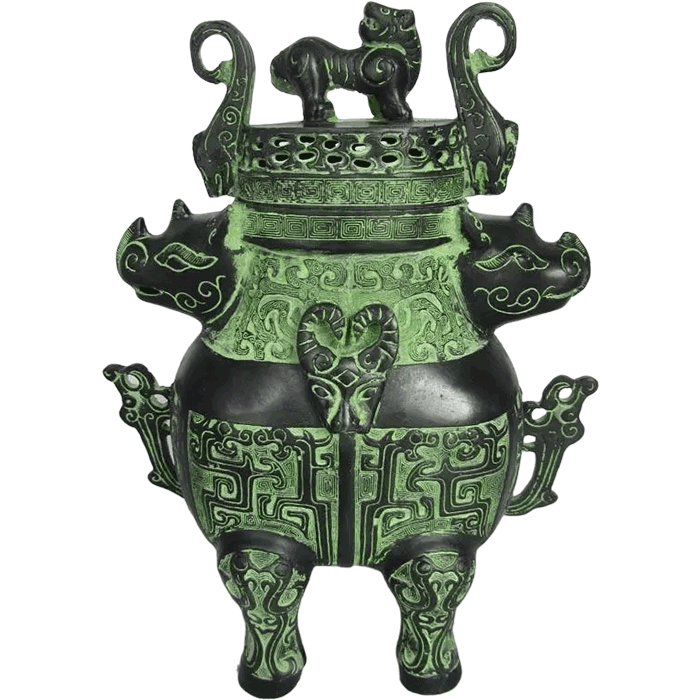
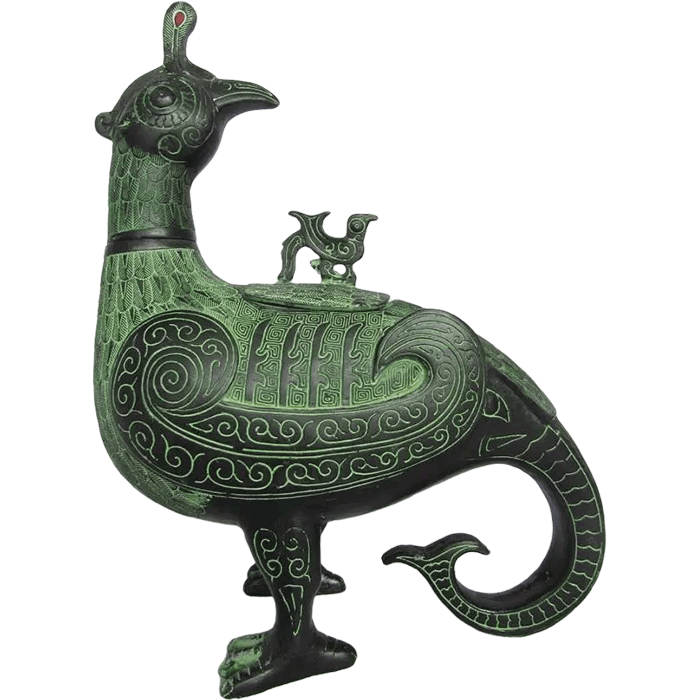
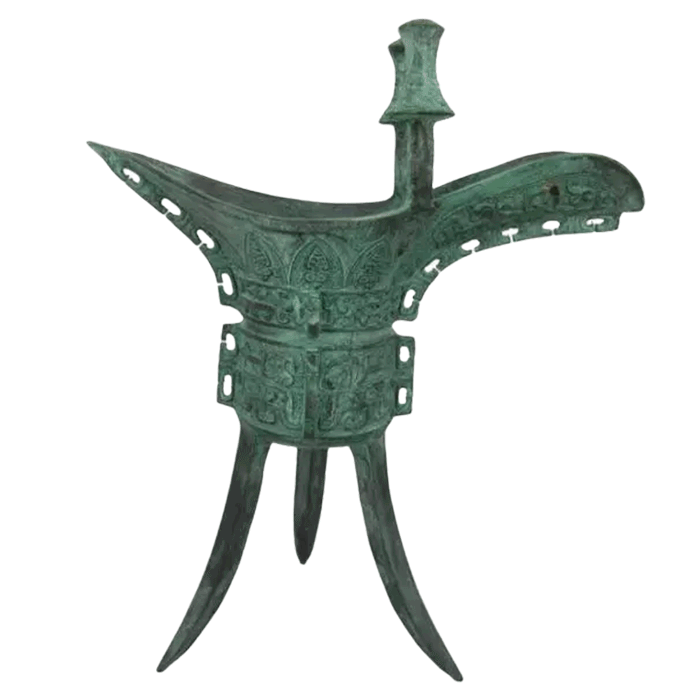
For importers, gallery buyers, museum-shop purchasers, and décor wholesalers, selecting bronze reproductions requires more than choosing an attractive shape. A successful purchase depends on historical reference accuracy, alloy selection, casting quality, surface finish, packing method, supplier communication, and the ability to maintain consistency across a production run. Ancient Chinese Bronze Reproductions can include ritual vessels, decorative vases, mirrors, incense burners, Buddhist figures, animal sculptures, and custom artworks inspired by traditional forms.
The right supplier should help buyers turn an initial concept, reference image, drawing, or sample into a clearly defined production specification. This is particularly important when the product will be displayed in a gallery, offered through a retail program, used in hospitality interiors, or supplied to collectors who expect fine detail and an appropriate bronze appearance.

Define the Purpose Before Comparing Suppliers
Before requesting quotations, identify the commercial purpose of the bronze piece. The same general vessel form may need very different specifications depending on whether it is intended for an art gallery, a high-end home décor collection, a cultural gift program, or a large architectural display. Clear positioning helps a supplier recommend suitable dimensions, wall thickness, finish options, and packaging requirements.
For example, a décor wholesaler may prioritize repeatable sizes, stable patina color, protective carton design, and scalable production. A gallery buyer may give greater weight to hand-finished detail, limited quantities, and the visual depth of the patina. An importer sourcing for a themed cultural collection may require close interpretation of a particular historical reference, including handles, feet, masks, inscriptions, animal motifs, or silhouette.
Buyers should prepare a short product brief covering the following points:
- Product category, such as ding tripod, zun vessel, hu vase, incense burner, mirror, human statue, animal statue, or Buddhist figure.
- Intended location and use, including indoor display, retail sale, hospitality décor, private collection, or cultural presentation.
- Target size, estimated weight range, and preferred material appearance.
- Reference images, line drawings, museum photographs, or existing samples.
- Desired finish, such as antique brown, dark bronze, green patina, polished bronze, or a modern decorative surface.
- Required order quantity and whether a prototype is needed before bulk production.
- Packaging expectations for export transportation and fragile components.
A well-defined brief also reduces the risk of comparing quotations that appear similar but are based on different assumptions. One supplier may quote a thin decorative casting, while another may quote a heavier casting with more hand-finishing work. Comparing only the unit price without confirming the construction and finishing standard can create quality problems later.
Evaluate Historical Form, Detail, and Reference Accuracy
When selecting Ancient Chinese Bronze Reproductions, assess whether the supplier can interpret the defining visual features of the original style rather than producing a generic bronze object. Traditional Chinese bronzes are recognized through proportion, structure, decorative motifs, handles, feet, rims, animal heads, surface relief, and patina character. Even a small difference in the relationship between these features can change the overall impression of a vessel or sculpture.
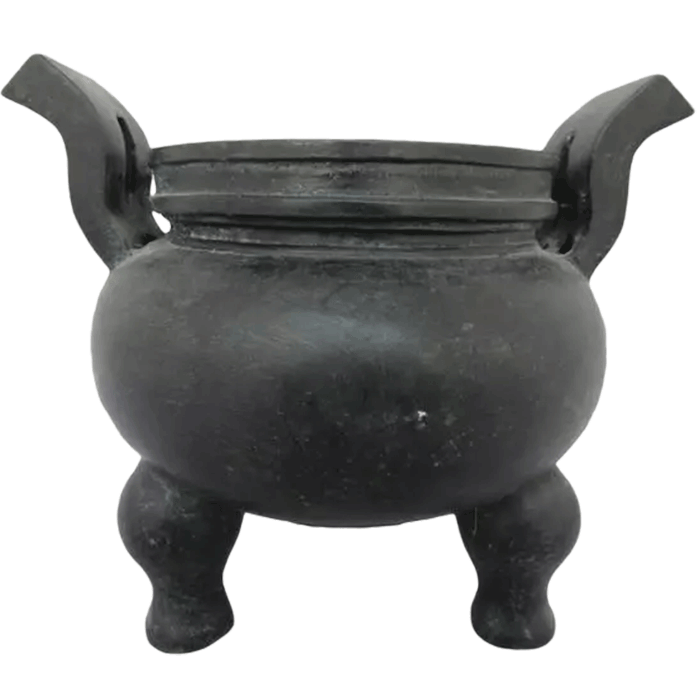
For buyers developing culturally inspired collections, it is useful to understand the form category before approving a design. A ding commonly features a rounded or rectangular body with legs and may include handles. A zun is generally associated with a distinctive ceremonial vessel profile. A hu often has a taller pear-shaped body and can include ring handles or decorative relief. The source material in an introduction to bronze wares can help buyers recognize the broad characteristics of traditional vessel types before finalizing a sourcing brief.
Ask How the Reference Will Be Converted into a Production Model
A capable bronze manufacturer should be able to explain how it will convert a reference into a model suitable for lost-wax casting. Depending on the project, the starting point may be a physical sample, a customer-provided sculpture, detailed photographs, measured drawings, or a digital model. Buyers should ask how the supplier will confirm dimensions, shallow relief, inscriptions, and undercut areas before production begins.
For exact visual requirements, request clear confirmation of the following:
- Overall height, width, depth, and base dimensions.
- Placement and scale of decorative bands, masks, inscriptions, and handles.
- Whether texture will be sculpted, cast, chased by hand, or created during finishing.
- Whether the reproduction will include a separately made base, lid, rings, or other attachments.
- Where natural casting seams may occur and how they will be chased and refined.
- How the approved prototype will be used as the standard for later production.
It is also important to state clearly that a reproduction is a contemporary decorative or artistic work. Professional buyers should avoid product descriptions, labeling, or sales materials that could imply an item is an excavated antique or historical original. Accurate product positioning protects the importer, retailer, and end customer.
Check Bronze Alloy and Lost-Wax Casting Capability
Material and process have a direct effect on appearance, durability, detail retention, and weight. Bronze differs from brass in composition and visual character, so buyers should not treat the terms as interchangeable. For background when evaluating material descriptions, review bronze and brass differences before comparing supplier proposals.
Luoyang Yichuan Bronze Craft Co., Ltd. uses premium Cu-Sn bronze alloy and the traditional lost-wax casting method for bronze artworks. In lost-wax casting, a model is used to create a mold system, allowing fine decorative details and sculptural contours to be transferred into the final metal casting. The method is well suited to ritual vessels, statues, incense burners, mirrors, and custom pieces with complex relief or irregular forms.
Buyers should ask whether the product will be made as a solid casting, a hollow casting, or a construction with multiple cast components. There is no single answer that is best for every project. A large decorative sculpture may require a different structural approach from a tabletop bronze mirror or small incense burner. What matters is that the approach is appropriate for the intended dimensions, stability, display environment, and transportation needs.
Questions to Include in a Technical Inquiry
- What bronze alloy is proposed for the project?
- Will the design be cast in one piece or assembled from multiple cast parts?
- How will the supplier manage casting shrinkage and preserve key dimensions?
- What hand chasing and polishing steps will be performed after casting?
- Can the supplier provide photographs of the raw casting and finished surface for approval?
- How will the base, feet, handles, or other attached parts be secured?
- What inspection points will be used before packing and shipment?
Luoyang Yichuan Bronze Craft Co., Ltd. has more than 30 skilled craftsmen, including bronze-casting masters and finishing artisans, operating within a 3,000-square-meter production area in Yichuan County, Luoyang, Henan Province. This production capability supports custom development as well as bulk orders, while the company’s annual output exceeds 50,000 bronze art pieces.

Specify Patina, Texture, and Surface Finish Carefully
Patina is one of the most important factors in how a bronze reproduction is perceived. A strong casting can still look unsuitable if the finish is too glossy, too uniform, too dark, or inconsistent with the product concept. For traditional-style pieces, buyers often look for visual depth that emphasizes relief patterns and gives the bronze a mature appearance. For modern interiors, a cleaner polished or controlled dark bronze finish may be more appropriate.
Luoyang Yichuan Bronze Craft Co., Ltd. provides hand chasing, polishing, and patina finishing in antique or modern looks. Since patina is a visual finish influenced by surface preparation and finishing technique, buyers should provide a physical sample, approved color image, or documented visual standard whenever possible. A photograph can be useful, but lighting, screen display, and image editing can affect the perceived color.
For wholesale programs, buyers should define acceptable variation rather than expecting every hand-finished object to be visually identical. The goal is controlled consistency: pieces should belong to the same approved finish family while retaining the character of hand-finished bronze. Discuss whether raised areas should be highlighted, whether recesses should remain darker, and whether green, brown, black, or reddish tones are preferred.
For products with decorative motifs, surface treatment should support legibility. A deep patina can make fine inscriptions difficult to see, while excessive polishing can reduce the antique effect. If the design is based on an important historical object, buyers may find useful visual context in the article on the Houmuwu square cauldron, which demonstrates why vessel structure and ornamental detail should be evaluated together.
Review Sampling, MOQ, and Production Scalability
Sampling is a practical stage for confirming whether a supplier understands both the design and the quality standard. Luoyang Yichuan Bronze Craft Co., Ltd. supports custom sculpture orders from one piece, making it possible to develop a prototype before committing to a larger program. Bulk-order quantities are negotiable according to product size and design complexity.
For a first order, buyers should consider starting with a prototype or pre-production sample when the design includes custom dimensions, new relief patterns, a specific patina, or complicated assembly. Sample review should not be limited to a front-facing photograph. Ask for views from multiple angles, close-ups of major decorative areas, photographs of the base and attachment points, and images showing the approved surface finish under consistent lighting.
| Buying Stage | What to Confirm | Why It Matters |
|---|---|---|
| Supplier Shortlisting | Product range, casting method, finishing capability, and communication clarity | Helps identify suppliers suited to the design category |
| Prototype Review | Dimensions, silhouette, details, texture, patina, and stability | Creates an approval standard before repeat production |
| Bulk Production | Quantity, finish consistency, inspection process, and packing plan | Reduces variation and shipment risk |
| Pre-Shipment Approval | Final photos, quantity check, visible defects, and packaging condition | Confirms the order is ready for export handling |
Scalability should also be discussed honestly. A small, highly detailed hand-finished vessel may require a different production plan from a series of standardized decorative statues. Buyers should share expected reorder quantities or annual demand estimates where available. This helps the manufacturer plan molds, material preparation, labor allocation, and packing requirements more effectively.
Assess Quality Control, Packaging, and After-Sales Support
Bronze artworks are often heavy, irregularly shaped, and vulnerable at projecting details such as handles, wings, limbs, antlers, lids, or thin decorative elements. Packaging should therefore be treated as part of the product specification, not as an afterthought. The packing approach should account for product weight, shape, quantity per carton or crate, internal protection, and the transportation route.
Luoyang Yichuan Bronze Craft Co., Ltd. follows an ISO 9001 quality management system and produces art crafts that comply with export quality inspection standards. Quality inspection is completed before every shipment. The company also provides free replacement for casting defects and after-sales support for patina touch-ups and restoration guidance.
During supplier evaluation, ask for a clear explanation of how fragile pieces will be protected. For example, a bronze statue with extended elements may need separate protective wrapping around vulnerable areas, while a lidded vessel may require internal support to reduce movement. For mixed wholesale orders, carton labeling and product identification should also be agreed in advance to simplify warehouse receiving and retail distribution.
Buyers sourcing broader decorative collections can also compare complementary categories such as bronze statues with themes when planning assortments that combine vessels, sculptures, and display pieces. A coordinated collection can use related patina families and visual motifs while still offering different price points and formats.
Choose a Supplier That Can Support Custom Development
The best supplier relationship is built on precise communication and documented approvals. A dependable partner should be able to discuss design feasibility, identify potential casting limitations, recommend suitable finishing options, and respond clearly to specification changes. This is especially important for buyers developing exclusive designs or adapting historic forms for contemporary commercial settings.
Luoyang Yichuan Bronze Craft Co., Ltd. produces bronze sculptures, human and animal statues, bronze vessels, mirrors, incense burners, Buddhist statues, and custom bronze artworks. Buyers can work with the company to develop a single custom prototype or a larger production program. For projects requiring original models, revised proportions, special bases, personalized inscriptions, or a defined finish standard, the custom bronze sculpture service provides a relevant starting point for the inquiry process.
When comparing suppliers, avoid making the decision solely on the lowest quoted price. Instead, evaluate the complete offer: design interpretation, alloy and casting method, hand-finishing level, patina control, sample process, inspection practices, export packing, and support after delivery. These factors determine whether the finished bronze will meet the expectations of your market and represent your brand well.
Final Supplier Selection Checklist
Before placing an order, confirm that the supplier can meet the following requirements:
- Clear understanding of the chosen vessel, statue, mirror, burner, or custom artwork design.
- Capability to use Cu-Sn bronze alloy and lost-wax casting for detailed work.
- Documented dimensions, approved reference materials, and defined finish expectations.
- Hand chasing, polishing, and antique or modern patina options.
- Prototype support from one custom piece where needed.
- Production capacity suitable for the expected quantity and reorder plan.
- Pre-shipment quality inspection and export-compliant protective packaging.
- Defined support for casting defects, patina touch-ups, and restoration guidance.
By treating design, material, finishing, and logistics as one connected specification, importers and professional buyers can make a more informed choice. The result is not simply a bronze item that resembles a historical form, but a well-produced artwork prepared for its intended commercial, decorative, or cultural setting. To understand the manufacturer’s background and production approach, buyers may also visit about Scultmart.