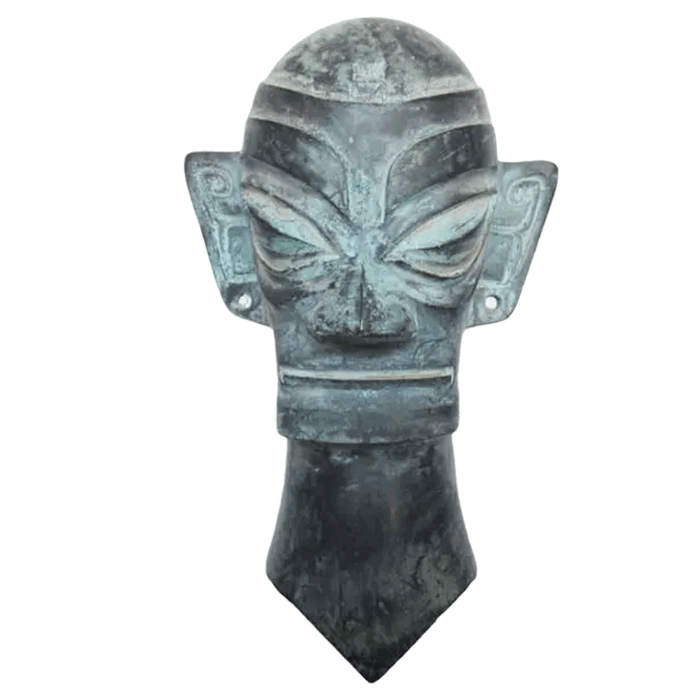
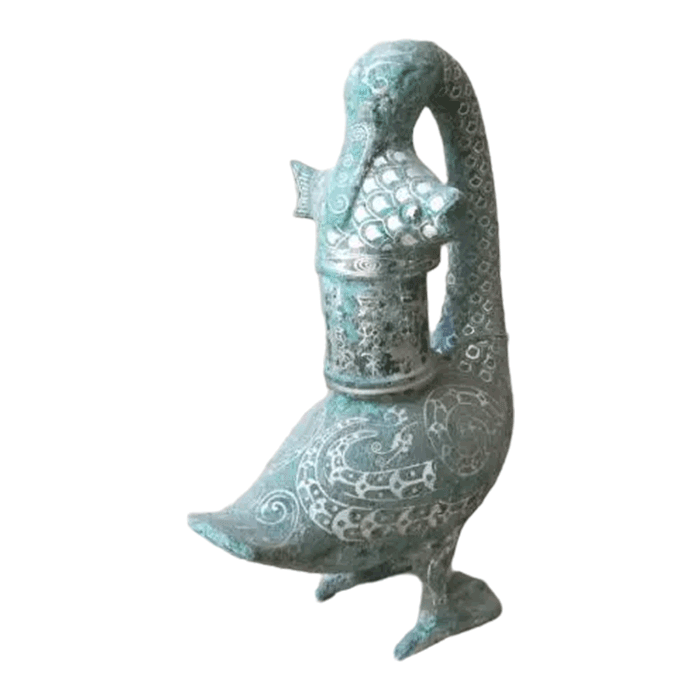
Ancient Chinese Bronze Reproductions: Buyer FAQ Guide
A Buyer's FAQ Guide to Sourcing Ancient Chinese Bronze Reproductions
Retailers and distributors preparing purchase specifications for the art and antiques market often face the same challenge: how to confirm that a supplier's Ancient Chinese Bronze Reproductions will meet both aesthetic expectations and export compliance requirements before a purchase order is signed. This FAQ addresses the questions we hear most often from wholesale buyers, gallery owners, and interior décor distributors who need reliable, verifiable sourcing information rather than marketing generalities.
What Casting Method Produces the Most Authentic Bronze Replicas?
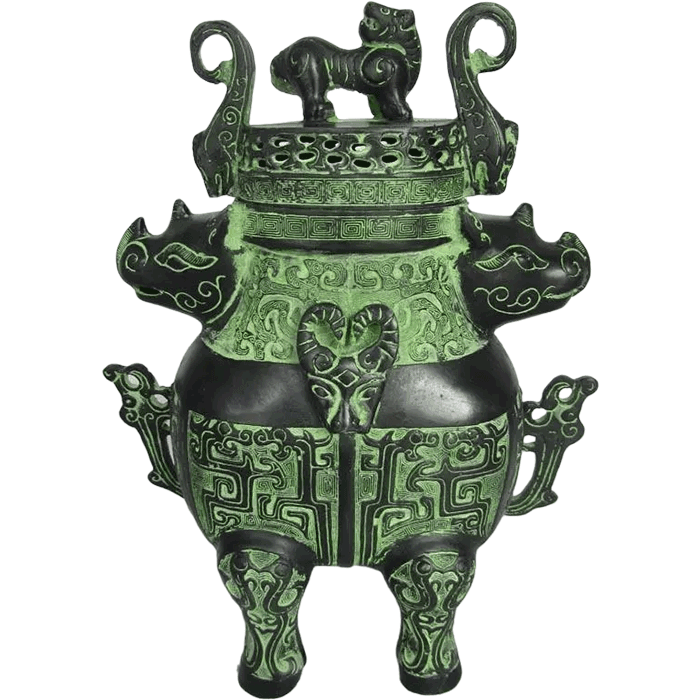
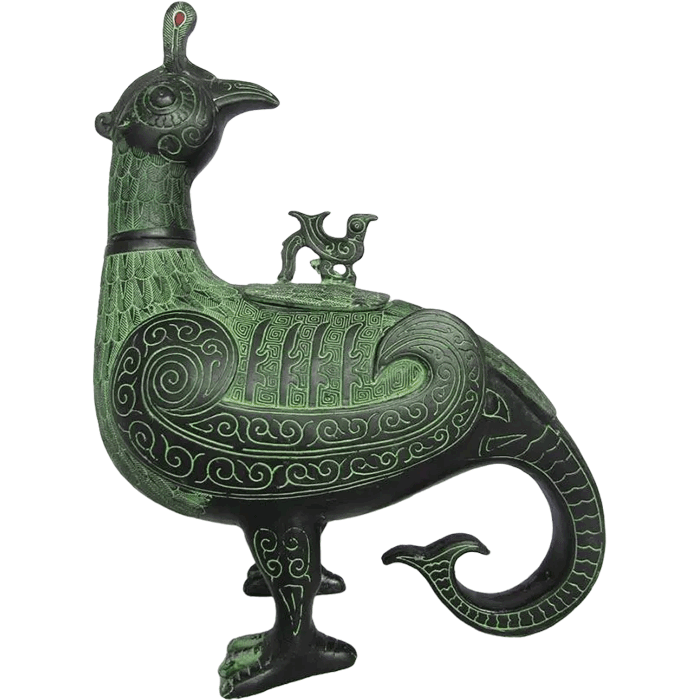
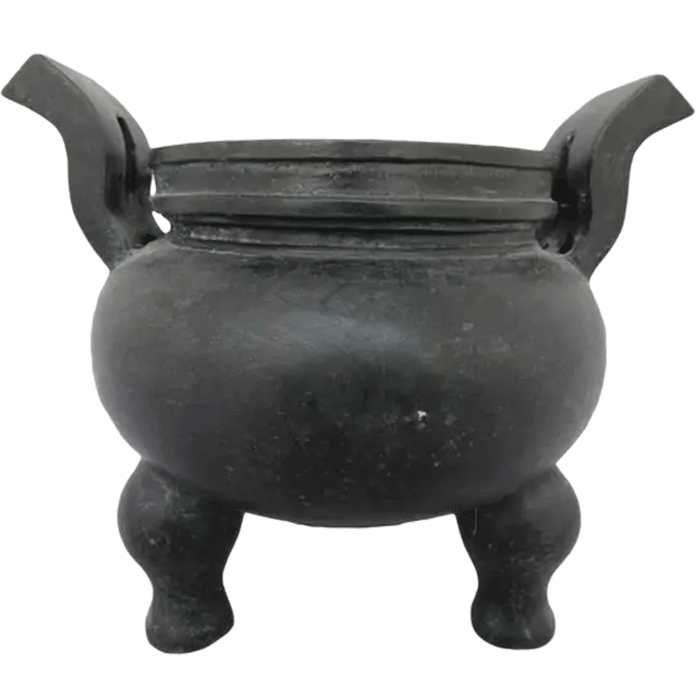
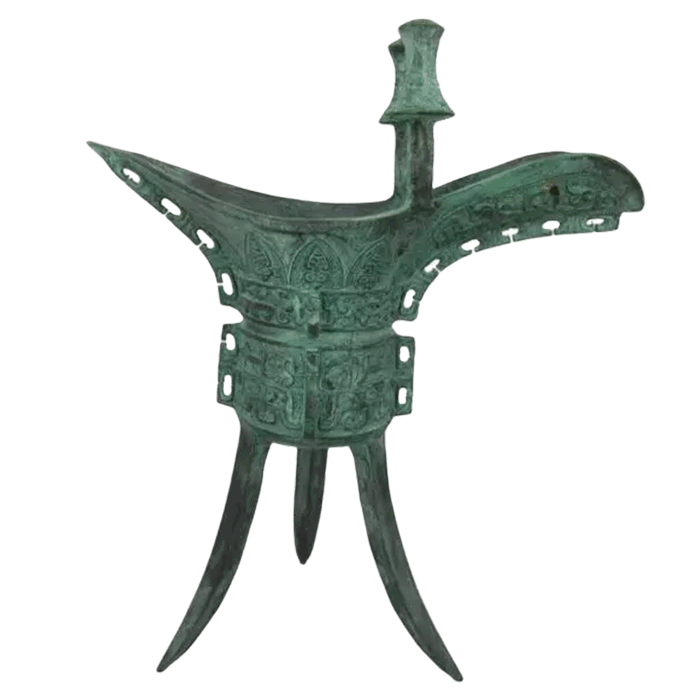
The traditional lost-wax casting method remains the industry standard for reproducing antique bronze forms with fine surface detail, undercuts, and inscriptions. At Luoyang Yichuan Bronze Craft Co., Ltd., this method is applied using a premium bronze alloy (Cu-Sn), which is selected specifically for its casting stability and its ability to hold sharp detail during hand chasing. Unlike sand-cast or press-formed alternatives, lost-wax casting allows craftsmen to replicate the fine relief patterns found on classical ding tripods, zun wine vessels, and hu vases without losing the crisp lines that distinguish museum-grade pieces from generic tourist castings.
After casting, pieces move through hand chasing and polishing stages performed by skilled artisans before any patina is applied. Buyers preparing purchase specifications should request documentation on alloy composition and casting method directly from the supplier, since these two factors determine both the weight authenticity and the long-term surface stability of the finished piece.
How Is Patina Color Consistency Achieved Across a Bulk Order?
Matching Antique and Modern Finishes
Color matching is one of the most common pain points reported by distributors ordering bronze vessels or sculptures in volume. A batch of ten incense burners with visibly different patina tones can undermine a retail display or a matched product line. Patina finishing — whether an antique verdigris look or a modern polished bronze finish — depends on controlled chemical application and consistent timing across the production run.
Buyers should ask suppliers how patina batches are tracked and whether sample approval is available before full production begins. A factory with an established finishing workshop and a dedicated team of artisans is generally better positioned to hold consistent tone across an order than a workshop that outsources finishing to third parties.
Requesting Reference Samples
Where color accuracy is critical — for example, when replicating a documented museum piece — request a physical sample or detailed photo reference prior to bulk casting. This is particularly relevant for buyers sourcing chinese bronze sculpture pieces intended for exact historical replication rather than decorative interpretation.
What MOQ and Lead Time Should Buyers Expect?
Minimum order quantities vary significantly across the bronze crafts industry. For custom sculpture work, Luoyang Yichuan Bronze Craft Co., Ltd. accepts orders starting from a single custom piece, which allows distributors to test a design or commission a one-off prototype before committing to bulk production. Larger orders — such as matched sets of bronze mirrors or Buddhist statues for a retail chain — are quoted based on size, design complexity, and finishing requirements, since these variables directly affect casting time and hand-finishing labor.
With a production area of 3,000 square meters and a team of more than 30 skilled craftsmen, including bronze-casting masters and finishing artisans, the facility supports both single-piece custom commissions and annual output exceeding 50,000 bronze art pieces. Buyers planning seasonal restocking should confirm production scheduling early, since complex custom artworks and large vessel sets typically require longer lead times than standard catalog sculptures.
How Should Fragile Bronze Pieces Be Packaged for Export?
Export-compliant protective packaging is one of the recurring pain points in international bronze sourcing. Sculptures with extended limbs, thin vessel rims, or mounted bronze mirrors are particularly vulnerable to transit damage if packaging is generic rather than piece-specific. A supplier should be able to describe how each product category — statues, vessels, mirrors, incense burners — is individually cushioned, crated, and labeled to survive ocean or air freight, and how packaging complies with the destination country's import inspection standards.
Products from Luoyang Yichuan Bronze Craft Co., Ltd. are inspected before every shipment, with a quality process aligned to the company's ISO 9001 quality management certification and export quality inspection standards for art crafts. This pre-shipment inspection step is meant to catch casting flaws or finishing inconsistencies before goods leave the factory rather than after they arrive at a distributor's warehouse.
What Happens If a Casting Defect Is Found After Delivery?
Buyers should always clarify after-sales terms before finalizing a purchase agreement. A free replacement policy for casting defects is a reasonable baseline expectation when sourcing decorative bronze art, since even careful lost-wax casting can occasionally produce a flawed piece. Beyond replacement coverage, ask whether the supplier offers guidance for patina touch-ups or restoration — this is especially relevant for antique-finish pieces that may need minor surface refreshing after long-term display or storage.
Distributors sourcing bronze statues with different themes for retail should also confirm how defect claims are documented and processed, including expected response times and whether replacement units are cast fresh or drawn from existing stock.
Can Custom Designs Be Produced Alongside Standard Catalog Items?
Many distributors want the flexibility to combine standard catalog pieces with custom commissions in a single purchase order. Suppliers with in-house casting and finishing capability — rather than those who subcontract custom work — are generally better equipped to keep custom and standard orders on a consistent production timeline. If your catalog includes both classic vessel reproductions and one-off commissioned sculptures, ask how the workshop separates these workflows internally.
Buyers exploring commissioned work can review the process for submitting reference images, sizing requirements, and finish preferences through the page to customize a bronze sculpture from sculpmart.com, which outlines the general commissioning steps used for custom bronze artworks.
Frequently Asked Questions
Are Ancient Chinese Bronze Reproductions suitable for outdoor display?
Bronze alloy pieces with proper patina sealing can tolerate outdoor conditions, but buyers should confirm whether a specific piece was finished with an outdoor-grade protective coating, since indoor decorative finishes are not always weather-resistant.
How do I verify the authenticity of a bronze alloy composition?
Request the supplier's material specification sheet, which should state the copper-tin (Cu-Sn) ratio used in casting. This information should be consistent across production batches for the same product line.
Can inscriptions or reign marks be replicated accurately?
Hand chasing after lost-wax casting allows fine inscriptions to be reproduced with reasonable accuracy, though buyers seeking exact historical replication should provide high-resolution reference images and request a pre-production sample.
What documentation should accompany a bulk shipment?
Buyers should expect a pre-shipment inspection report, packing list detailing piece-specific protective measures, and any quality certification relevant to art craft export standards.
Building a Long-Term Sourcing Relationship
Sourcing Ancient Chinese Bronze Reproductions for a retail or distribution business is rarely a one-time transaction. Buyers benefit from working with a supplier who can support repeat orders, seasonal restocking, and evolving design requests without renegotiating basic quality terms each time. Reviewing a supplier's background, such as the details available on the about scultmart page, can help distributors understand production scale and craftsmanship history before committing to a long-term purchasing arrangement.
Ultimately, the strongest purchase specifications combine clear material standards, documented casting methods, sample-based patina approval, and defined after-sales terms. Buyers who request this information upfront — rather than after production has already begun — are far better positioned to avoid the color mismatches, shipping damage, and inconsistent finishing that commonly disrupt bronze art sourcing at scale.