Ancient Chinese Bianzhong: Marquis Yi Set Explained
Understanding the Profound Legacy of Ancient Chinese Bianzhong through Marquis Yi's Masterpiece
The history of Chinese civilization is inextricably linked with its artistic and technological advancements, particularly evident in the Bronze Age. Among the most iconic and acoustically sophisticated artifacts from this era are the bronze chime bells, known as Bianzhong. These instruments transcend mere musicality, serving as profound symbols of power, ritual, and advanced metallurgy. While numerous sets of these bells have been unearthed, none capture the imagination or offer as much insight into ancient Chinese ingenuity as the set discovered in the tomb of Marquis Yi of Zeng. This article delves into the intricate world of Ancient Chinese Bianzhong, with a particular focus on the unparalleled collection from Marquis Yi's tomb, offering a detailed look for heritage retailers, researchers, and institutional buyers interested in historical accuracy and artistic replication.
The Historical Context of Ancient Chinese Bianzhong
Bronze bells have a storied history in China, dating back to the Shang Dynasty (c. 1600-1046 BCE). Initially, these bells, such as the nao and bo, were single instruments used in ritual ceremonies, often associated with ancestor worship and communication with the divine. As the centuries progressed into the Western Zhou (1046-771 BCE) and Eastern Zhou (771-256 BCE) dynasties, the development of musical theory and metallurgical techniques led to the evolution of chime bells into sophisticated sets – the Bianzhong. These sets, comprising multiple bells of varying sizes and pitches, became central to court music, grand ceremonies, and state rituals, signifying the elevated status and cultural sophistication of their owners.
The design of early Bianzhong was meticulously crafted to produce specific tones. Unlike Western bells, which typically have a round cross-section, Chinese chime bells often featured an almond or lens-shaped cross-section. This unique design allowed each bell to produce two distinct pitches, depending on where it was struck – a remarkable feat of ancient acoustic engineering. The ability to produce a precise interval (usually a major or minor third) from a single bell greatly expanded the musical possibilities and complexity of the performances. The prominence of bronze in these instruments underscores its importance as the dominant material for ritual vessels, weapons, and musical instruments during this period, reflecting a society deeply invested in its material culture and the ceremonies it facilitated. Understanding the evolution of these instruments is central to the study of Ancient Chinese Bianzhong and the broader evolution of bronze culture over 2000 years.
The Discovery and Significance of Marquis Yi's Tomb Bells
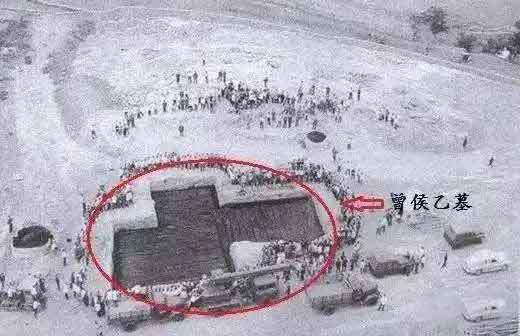
The monumental discovery of the tomb of Marquis Yi of Zeng in 1978 in Suixian (now Suizhou), Hubei Province, stands as one of the most significant archaeological finds of the 20th century. Dating back to approximately 433 BCE, during the Warring States period, the tomb yielded an astonishing array of artifacts, but none more breathtaking than the complete set of 65 Bianzhong bells. This particular set, often referred to as the Zenghouyi Chime Bells, provides an unparalleled window into the musical, scientific, and artistic achievements of ancient China. The bells were found perfectly preserved, arranged in an L-shaped formation on a massive, intricately decorated bronze and wooden frame, complete with mallets for striking.
The Scale and Acoustic Precision
The sheer scale of Marquis Yi's Bianzhong set is astounding. It consists of 19 niuzhong (bells with a loop for hanging) and 45 yongzhong (bells with a straight shank for hanging), along with a single bo bell. The largest bell weighs over 200 kilograms, while the smallest is just a few kilograms. What truly sets this collection apart is its meticulously tuned scale. Modern analysis has revealed that these bells collectively cover a range of five and a half octaves, with a complete 12-tone chromatic scale (equivalent to a modern piano) in the central register. Each bell's dual-tone capability was precisely engineered, allowing for complex harmonies and melodies that challenge previous notions of ancient Chinese musical limitations. The inscriptions on the bells themselves contain detailed musical notations, including pitch names and performance instructions, offering invaluable insights into ancient musical theory and practice. This discovery unequivocally demonstrated that ancient Chinese musicians possessed a sophisticated understanding of acoustics and metallurgy far beyond what was previously imagined.
Engineering and Artistry: The Craftsmanship of Ancient Chinese Bianzhong
The creation of Marquis Yi's Bianzhong set, and indeed all high-quality Ancient Chinese Bianzhong, required an extraordinary combination of scientific knowledge, artistic vision, and masterful bronze casting techniques. The Luoyang Yichuan Bronze Craft Co., Ltd. understands these demands intimately, building on centuries of tradition in bronze artistry.
The Lost-Wax Method and Material Excellence
The bells were cast using the traditional lost-wax method (cire perdue), a sophisticated technique that allows for intricate details and precise forms. This method involves creating a wax model of the desired object, encasing it in a refractory material to create a mold, melting out the wax, and then pouring molten bronze into the cavity. This process is complex and requires immense skill, ensuring that each bell not only achieved its desired shape but also its specific acoustic properties. At Luoyang Yichuan Bronze Craft Co., Ltd., we continue this legacy, utilizing the premium bronze alloy (Cu-Sn) and the traditional lost-wax method to achieve exceptional results in our custom bronze artworks. Our facility, encompassing a production area of 3,000 square meters in Yichuan County, Luoyang, Henan Province, is staffed by over 30 skilled craftsmen, including revered bronze-casting masters and finishing artisans, who uphold these ancient traditions.

Intricate Design and Finishing
Beyond their acoustic perfection, the Marquis Yi bells are masterpieces of visual art. They are adorned with elaborate decorative patterns, including dragon motifs, mythical creatures, and geometric designs, all meticulously cast into the bronze. The inscriptions, often gold-inlaid, are not merely functional but also aesthetically significant, showcasing the elegant calligraphy of the period. The finishing process for such pieces involves meticulous hand chasing, polishing, and patina application, which can be tailored for an antique or modern look. This level of detail and precision is paramount for any authentic reproduction or inspired piece. We pride ourselves on our ability to replicate the exact details of antique bronzes and ensure consistent patina color matching across projects, addressing key pain points for our clients. Every piece undergoes rigorous quality inspection before shipment, and we offer free replacement for any casting defects, alongside after-sales support for patina touch-ups and restoration guidance. This dedication to quality ensures that whether it's a single custom prototype or one of our chinese bronze sculpture pieces from our annual output of over 50,000 bronze art pieces, the craftsmanship is consistently exceptional.
The Enduring Legacy of Ancient Chinese Bianzhong
The discovery and study of Marquis Yi's Bianzhong have radically reshaped our understanding of ancient Chinese music, science, and culture. These bells are not merely artifacts; they are living testaments to a civilization that achieved an astonishing level of sophistication millennia ago. Their legacy extends beyond archaeological and musicological circles, influencing contemporary art, design, and cultural heritage initiatives.
Inspiration for Modern Artistic and Cultural Endeavors
The beauty and complexity of the Ancient Chinese Bianzhong continue to inspire artists, musicians, and educational institutions worldwide. Replicas of the Marquis Yi bells have been created and performed globally, allowing modern audiences to experience the grandeur of ancient Chinese court music. These reproductions not only preserve the sound but also the intricate visual artistry. For institutions and collectors seeking to acquire or commission high-quality bronze reproductions, understanding the original craftsmanship is crucial. Our company specializes in custom bronze artworks, from customizing a bronze sculpture from a single piece to supporting bulk production runs, ensuring that the historical and artistic value of Ancient Chinese Bianzhong can be appreciated and preserved for future generations.
The challenges of sourcing accurate, high-quality bronze art are well-known. From ensuring exact replication of antique bronzes to achieving consistent patina color matching and providing export-compliant protective packaging for fragile sculptures, each step demands expertise. Our ISO 9001 quality management system certification and adherence to export quality inspection standards for art crafts provide assurance that every piece meets stringent international benchmarks. With a minimum order quantity (MOQ) from 1 piece for custom sculptures, we are equipped to support a wide range of projects, from individual collector pieces to large-scale institutional commissions, ensuring that the spirit of Ancient Chinese Bianzhong continues to resonate.
The Bianzhong of Marquis Yi represents the pinnacle of bronze casting and musical instrument design from ancient China. Its discovery provided irrefutable proof of advanced metallurgical knowledge, sophisticated musical theory, and profound artistic expression during the Warring States period. For those who appreciate the depth of Chinese heritage and the enduring power of bronze art, these chime bells offer endless fascination. Luoyang Yichuan Bronze Craft Co., Ltd. is committed to honoring this legacy, providing expertly crafted bronze pieces that reflect the historical significance and artistic excellence of such iconic artifacts, fostering contemporary appreciation of Ancient Chinese Bianzhong and other bronze statues with different themes.