A Buyer's Guide to the Sterling Silver Kung Fu Teapot Hallmark
Understanding the Hallmarks on a Sterling Silver Kung Fu Teapot
For businesses sourcing high-end teaware, the subtle marks stamped onto the base of a teapot are more than just decoration; they are a declaration of value, purity, and origin. In the world of Gongfu Cha (or Kung Fu tea), where every element of the ceremony is chosen for its quality and aesthetic contribution, the material of the teapot is paramount. A genuine silver teapot not only enhances the tea's flavor but also represents a significant investment. For importers, retailers, and brand owners, verifying the authenticity of these pieces is a critical step in the procurement process. This guide addresses the most frequently asked questions about silver hallmarks, providing the knowledge needed to make informed purchasing decisions with confidence.
At Luoyang Yichuan Bronze Craft Co., Ltd., our legacy is built on the mastery of metal. While renowned for our expertise in traditional bronze casting, our skills and dedication to quality extend to the creation of exquisite handmade silver craft. The same principles of material integrity, meticulous craftsmanship, and rigorous quality control that define our bronze sculptures are applied to every piece of silver we produce. This FAQ serves as a resource for our partners, ensuring transparency and building the trust necessary for a successful B2B relationship.
What is a Hallmark and Why is it Essential for Silver Teaware?
A hallmark is an official mark or series of marks struck on items made of precious metals like silver, gold, platinum, and palladium. Its primary purpose is to certify the purity or fineness of the metal. Think of it as a guarantee from the maker, and sometimes an independent assay office, that the metal content is exactly what it claims to be. For B2B buyers, the hallmark is the first line of defense against counterfeit or substandard products.
The Components of a Hallmark
A complete hallmark system, especially in European traditions, often consists of several elements:
- Purity Mark (or Fineness Mark): This is the most crucial component. It indicates the parts per thousand of pure silver in the alloy. For example, "925" means that the item is 92.5% pure silver.
- Maker's Mark (or Sponsor's Mark): This identifies the company or individual artisan responsible for manufacturing the piece. It is a mark of accountability and a signature of the craftsman's work.
- Assay Office Mark: In many countries, an independent government-run body tests the metal content and applies its own unique mark. This provides a third-party verification of quality.
- Date Letter: Some hallmarking systems include a letter of the alphabet that corresponds to the year the item was assayed, allowing for precise dating.
In the context of sourcing teapots, particularly from international suppliers, the purity mark and the maker's mark are the most common and vital elements to understand. They provide direct information about the material's value and the manufacturer's identity. A product lacking a clear purity mark should be approached with extreme caution, as it offers no guarantee of its silver content.
Decoding the Numbers: Common Silver Purity Standards
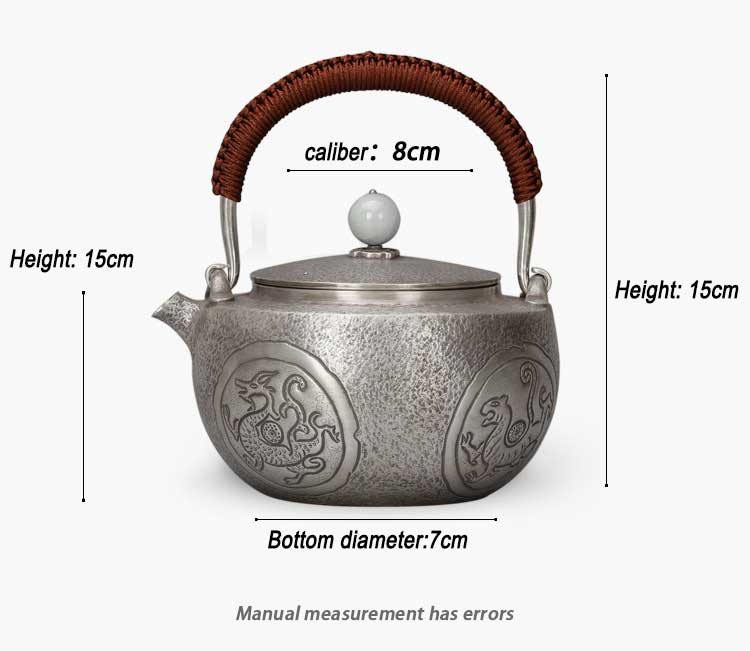
When you inspect a silver teapot, the numerical stamp is the key to its composition. Different numbers represent different grades of silver, each with its own properties, benefits, and ideal applications. Understanding these distinctions is vital for aligning the product with your market's expectations and price point.
925 Sterling Silver
This is the most recognized and widely used silver standard globally. Sterling silver is an alloy consisting of 92.5% pure silver and 7.5% other metals, typically copper. The addition of copper is not a cost-cutting measure but a functional necessity. Pure silver is very soft and malleable, making it unsuitable for durable, everyday items like teapots. The copper provides the necessary strength and hardness to withstand regular use, heating, and cleaning without easily denting or deforming. A teapot marked "925," "Sterling," or "Ster" is certified as meeting this international standard. It offers an excellent balance of beauty, durability, and value.
990 Silver (Foot Silver)
Sometimes referred to as "Foot Silver" (足银, Zú Yín) in China, this alloy contains 99.0% pure silver. It is softer than sterling silver but harder than fine silver. This purity level is often chosen for intricate decorative items or jewelry where extreme durability is less of a concern than achieving fine detail and a brilliant white luster. For teaware, it can be used, but it will be more susceptible to scratches and dents than a 925 sterling silver piece.
999 Silver (Fine Silver)
Also known as "Pure Silver" or "Thousand Foot Silver" (千足银, Qiān Zú Yín), this is the highest grade, containing 99.9% pure silver. Its appearance is exceptionally bright and it is highly resistant to tarnishing. However, its softness makes it a challenging material for functional items. A teapot made from 999 silver would be extremely delicate and prone to damage from even minor impacts. Consequently, it is more commonly used for commemorative coins, bullion bars, and certain types of high-end jewelry or decorative inlays where it won't be subject to physical stress. While a 999 silver teapot sounds luxurious, a 925 sterling silver teapot is often the more practical and durable choice for the art of tea.
When specifying a custom order, it is crucial to communicate the desired purity standard. At Luoyang Yichuan Bronze Craft Co., Ltd., we work with clients to select the appropriate alloy based on the intended use, design complexity, and desired aesthetic of the final product, ensuring complete transparency with clear and accurate hallmarking.
A Buyer's Guide to Verifying Authenticity
Trusting a supplier is paramount, but a prudent buyer should always have a process for verification, especially when evaluating a new manufacturing partner or inspecting a prototype. While definitive testing often requires specialized equipment, there are several initial checks you can perform to assess the likely authenticity of a silver teapot.
Initial Visual and Physical Inspection
- Examine the Hallmark Closely: Use a jeweler's loupe or a good magnifying glass. A genuine hallmark should be sharp, clear, and evenly struck. Messy, blurred, or crooked marks can be a red flag, potentially indicating a counterfeit stamp applied to a plated item.
- Check for Plating Signs: Look for signs of wear, especially on edges, handles, or spouts. If a different colored metal is showing through, the item is likely silver-plated, not solid silver. Also, check for areas where the "plating" appears to be flaking or bubbling.
- Assess the Color and Luster: Silver has a unique, warm luster that is difficult to replicate perfectly. It is less reflective and has a slightly warmer tone than chrome plating and is brighter than stainless steel or nickel. Over time, you can develop an eye for this subtle difference.
- The Sound Test: Gently tap the silver teapot with a coin. Genuine silver produces a dull, high-pitched ring that lasts for a second or two. Base metals or plated items will often produce a shorter, less resonant "clunk" sound. This test is subjective and requires some practice to be reliable.
The Importance of a Reliable Supplier
Ultimately, the most effective way to ensure authenticity is to partner with a reputable manufacturer. A trustworthy supplier eliminates the guesswork and risk associated with sourcing precious metal goods. They should be able to provide clear documentation of their material sources and quality control processes. This is where a company's credentials, like ISO 9001 certification, become a significant asset. It demonstrates a commitment to standardized, repeatable quality management systems, which extends to material verification and product integrity. The journey to creating beautiful bronze statues with different themes and fine silver teaware both begin with the same non-negotiable principle: using authentic, high-quality materials.
Our Commitment to Material Integrity and Craftsmanship
At Luoyang Yichuan Bronze Craft Co., Ltd., we understand that when you place an order for custom metalwork, you are placing your trust in our materials, our skills, and our word. Our entire production philosophy is built on upholding that trust, whether we are casting a monumental bronze statue or crafting a delicate silver teapot.
Our facility, spanning 3,000 square meters in the historic region of Luoyang, is home to over 30 skilled craftsmen. These artisans, including bronze-casting masters and finishing specialists, possess a deep understanding of metalworking that has been passed down through generations. This expertise is not limited to a single alloy. The principles of precision casting using the traditional lost-wax method, the meticulous hand-chasing of details, and the art of polishing and finishing are all transferable skills that we apply with equal rigor to our silver creations.
Our commitment to quality is formalized by our ISO 9001 certified quality management system. This isn't just a certificate on the wall; it is an active framework that governs our entire process:
- Material Sourcing: We procure our premium bronze and silver alloys from reputable suppliers, with documentation to verify their composition and purity.
- In-Process Inspection: Quality checks are performed at every stage of production, from the initial wax model to the final polishing and hallmarking.
- Final Quality Control: Every single piece, from a one-off custom prototype to a large production run, undergoes a thorough final inspection before shipment to ensure it meets our standards and your exact specifications. All products comply with stringent export quality inspection standards for art crafts.
- Guaranteed Authenticity: We provide a free replacement for any casting defects and stand behind the purity of our materials. Our after-sales support includes guidance on care and maintenance, ensuring the longevity of your investment.
By partnering with us, you gain access to a team that solves common sourcing pain points. We excel at exact replication, consistent finishing, and developing export-compliant protective packaging to ensure your valuable and fragile artworks arrive safely. For more information about our company and our deep roots in metal artistry, you can learn more about Sculpmart and our history.
In conclusion, the hallmark on a silver teapot is a small detail with immense significance. It is a symbol of quality, a guarantee of value, and a mark of a maker's pride. By understanding how to read these marks and by partnering with a manufacturer committed to transparency and quality, you can confidently source exceptional silver teaware that will delight your customers and enhance your brand's reputation.