999 vs 925 Silver Gongfu Tea Set: A B2B Quote Guide
Understanding how silver purity impacts the final quote for your Sterling silver Kung Fu tea set is crucial for sourcing success.
For B2B buyers, importers, and retailers in the luxury home goods market, sourcing high-quality silver tea ware requires a nuanced understanding of material specifications. The choice between 999 fine silver and 925 sterling silver is more than a simple preference; it is a strategic decision that influences craftsmanship, durability, target market appeal, and ultimately, the final production cost. As a manufacturer with deep expertise in fine metalcraft, Luoyang Yichuan Bronze Craft Co., Ltd. provides this guide to help you navigate the key differences and understand how they translate into your quotation.
While we are renowned for our mastery of Chinese bronze handicrafts, our skills in metal casting, chasing, and finishing are seamlessly applied to other precious materials. Our commitment to quality, certified by the ISO 9001 quality management system, extends to our lines of exquisite handmade silver, ensuring every piece meets rigorous export standards. This article will demystify the factors that shape the cost and character of silver Gongfu tea sets, empowering you to make an informed choice for your brand.
What is the Difference Between 999 Fine Silver and 925 Sterling Silver?
The numbers "999" and "925" refer to the purity of the silver, expressed in parts per thousand. This fundamental difference in composition dictates the material's physical properties, aesthetic qualities, and ideal applications. Understanding this distinction is the first step in specifying a product that aligns with your market's expectations and price point.
999 Fine Silver: The Purist's Choice
Also known as "pure silver" or "three nines fine," 999 silver consists of 99.9% pure silver, with only trace amounts of other elements. This high level of purity gives it distinct characteristics.
- Softness and Malleability: 999 silver is significantly softer and more malleable than its alloyed counterparts. This makes it susceptible to scratches, dents, and deformation with regular use. However, this same quality makes it ideal for intricate hand-hammering and repoussé techniques, where master craftsmen can shape the metal with exceptional detail.
- Luster and Color: Pure silver possesses a brilliant, bright white luster that is slightly warmer and more radiant than sterling silver. This unique sheen is highly prized in the luxury market.
- Tarnish Resistance: Because it contains almost no copper or other reactive metals, 999 silver tarnishes very slowly. It maintains its bright finish for longer periods, requiring less frequent polishing.
- Market Perception: In the context of a Gongfu tea ceremony, 999 silver is often perceived as superior. Many tea connoisseurs believe its purity prevents any metallic taste from interfering with the delicate notes of high-grade teas, and some traditional beliefs associate it with health benefits like water purification. This makes it the preferred material for high-end, collectible, and ceremonial tea sets.
925 Sterling Silver: The Standard of Durability
925 sterling silver is the most common silver alloy used in jewelry and high-quality tableware. It is composed of 92.5% pure silver and 7.5% other metals, typically copper. This addition of an alloying agent dramatically changes the metal's properties.
- Hardness and Strength: The addition of copper makes 925 sterling silver significantly harder and more durable than pure silver. It can withstand the rigors of daily use much better, resisting scratches and dents far more effectively.
- Design Versatility: Its increased strength allows for the creation of more complex and delicate designs. Thin, elegant handles on a teapot, fine filigree work, or sharp, crisp engraving are more structurally sound when executed in 925 sterling silver.
- Tarnishing: The copper content in sterling silver reacts with sulfur in the air, causing it to tarnish (oxidize) and develop a dark patina over time. While this requires more regular maintenance, some users appreciate the antique look that a natural patina can provide.
- Market Position: 925 sterling silver represents a perfect balance of purity, beauty, and practicality. It offers the prestige of a precious metal at a more accessible price point and with the durability needed for functional items. It is the standard for premium, functional tea ware designed for both special occasions and regular enjoyment.
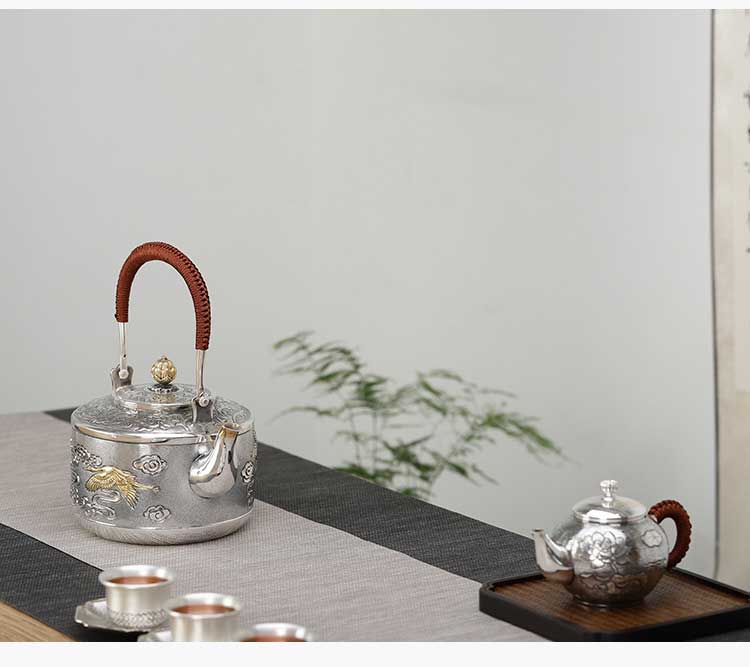
How Purity Impacts Manufacturing Processes and Production Costs
The choice between 999 and 925 silver has a direct and significant impact on the manufacturing process, which is reflected in the final quotation. B2B buyers should be aware of how these material differences affect everything from raw material sourcing to the final polishing.
1. Raw Material Cost
The most straightforward cost difference lies in the material itself. Since 999 silver contains a higher percentage of pure silver (99.9% vs. 92.5%), its per-gram cost is inherently higher. For a complete tea set, which can weigh several hundred grams or more, this difference in raw material price can be substantial and forms the baseline for the overall product cost.
2. Crafting Complexity and Labor
While it may seem counterintuitive, the softer 999 silver often requires more intensive and skilled labor. Our facility, staffed by over 30 master craftsmen and finishing artisans, recognizes these nuances.
- Handling 999 Silver: The extreme softness of pure silver means it must be handled with immense care throughout the production process. Each step—from initial shaping and soldering to final polishing—carries a higher risk of accidental dents or scratches. This necessitates a slower, more deliberate pace and the hands of our most experienced artisans, increasing the labor hours per piece.
- Working with 925 Silver: The hardness of sterling silver makes it more forgiving. It can withstand higher pressures during machine-assisted forming and is less prone to damage during assembly and finishing. While it still requires expert craftsmanship, the process can be slightly more efficient for certain designs, potentially lowering labor costs compared to an identical piece made in 999 silver.
3. Design and Structural Integrity
The material's properties can limit or enable specific designs, which in turn affects the feasibility and cost of a custom project.
- Designs for 925 Sterling: The strength of sterling silver is ideal for designs featuring slender components, such as long, thin spouts, delicate handles, or intricate openwork patterns. Attempting these features with softer 999 silver would risk them bending or breaking easily during use.
- Designs for 999 Fine Silver: The malleability of pure silver is perfectly suited for pieces that emphasize form, texture, and hand-worked details. It is the superior choice for creating rich, hand-hammered surfaces (a "tsuiki" finish) or deep, sculptural repoussé work. These techniques are more difficult to execute on harder sterling silver.
When you submit your designs for a quotation, our team will assess them not only for aesthetic appeal but also for structural viability in your chosen material. We can provide expert guidance on modifications that may be necessary to ensure the final product is both beautiful and functional. We have experience with a wide range of custom sculpture requests and apply the same rigorous evaluation to our silverware.
Key Factors That Influence Your Quotation
When you request a quote for a silver Gongfu tea set, several key variables are considered to calculate the final price. Understanding these factors will help you prepare a clear and comprehensive request for proposal (RFP).
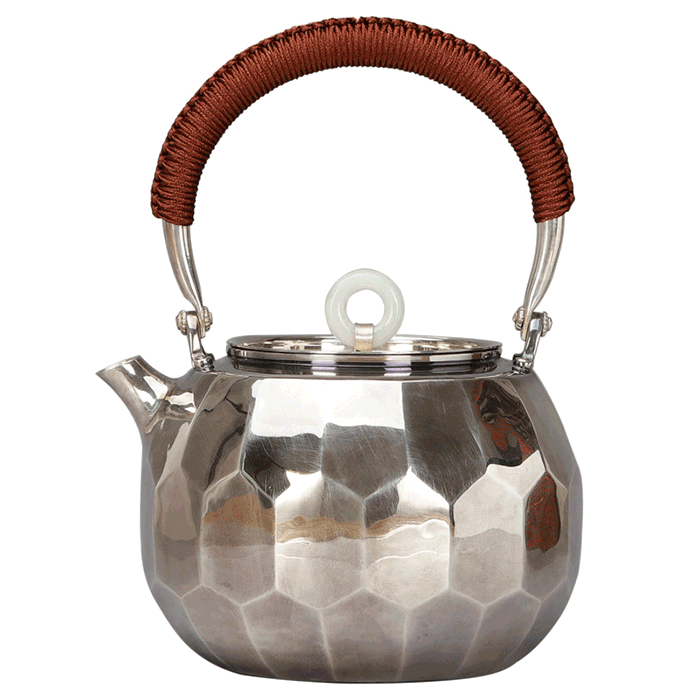
1. Silver Purity (999 vs. 925)
As detailed above, this is a primary cost driver affecting both material and labor costs. Be sure to specify which purity level you require for your target market.
2. Total Weight and Dimensions
The total gram weight of the finished set is a major factor. A heavier, larger set uses more raw material and will naturally cost more. Providing clear specifications for the desired capacity of the teapot (e.g., in milliliters) and the size of the cups helps us estimate the final weight accurately.
3. Design Complexity and Customization
A simple, elegant design with smooth surfaces will be less costly to produce than one with complex, hand-chased motifs, engravings, or sculptural elements. Custom logos, unique patterns, or non-standard shapes require the creation of new molds and dedicated artisan time, which will be factored into the quote. Our lost-wax casting method, honed over years of producing intricate bronze art, allows for exceptional detail replication in silver as well.
4. Finishing and Surface Treatment
The desired finish affects the final labor hours. Common options include:
- High Polish: A mirror-like finish that requires multiple stages of meticulous, multi-grit polishing.
- Matte or Satin Finish: A non-reflective finish that is modern and helps hide minor scratches.
- Antiqued Finish: A controlled oxidation process is used to darken recessed areas, enhancing detail and giving the piece an aged appearance. This requires specialized chemical treatments and careful hand-polishing to achieve a consistent look.
5. Order Volume
As a manufacturer capable of producing over 50,000 art pieces annually, we can accommodate orders of any size. While we support prototyping with a Minimum Order Quantity (MOQ) as low as one piece for custom designs, larger bulk orders benefit from economies of scale. The costs for mold-making and machine setup are amortized over a greater number of units, and pricing for bulk orders is negotiable based on the design's complexity and total volume.
Partner with a Master of Metalcraft for Your Sourcing Needs
Choosing the right manufacturing partner is as critical as choosing the right material. At Luoyang Yichuan Bronze Craft Co., Ltd., we bring decades of dedicated metalworking experience to every project. Our 3,000-square-meter production facility in Luoyang is home to a team of artisans who are not just technicians, but keepers of a long tradition of craftsmanship.
We solve critical sourcing pain points for our B2B clients by ensuring consistency and reliability. Every piece undergoes a strict quality inspection before shipment to guarantee it meets your specifications. We have developed export-compliant protective packaging solutions designed to safeguard even the most fragile sculptures and delicate silverware during international transit. In the rare event of a casting defect, we offer a free replacement. Furthermore, our commitment extends beyond delivery with after-sales support, including guidance on care, patina touch-ups, and restoration.
Whether you are looking to source a high-end 999 fine silver ceremonial set or a durable and elegant 925 sterling silver collection for a premium retail brand, our team is equipped to deliver. We invite you to contact us to discuss your project. Let our expertise in fine metalcraft transform your vision into a tangible product of exceptional quality and lasting value.