Terracotta Warriors Bronze Chariot: Scale and Purpose Explained
The Terracotta Warriors Bronze Chariot Reveals the Scale and Purpose of Qin Imperial Travel
Few archaeological finds illustrate the technical mastery of ancient Chinese metalwork as clearly as the bronze chariots unearthed near the Mausoleum of Qin Shi Huang. Discovered alongside the famous terracotta army in Shaanxi Province, these miniature yet extraordinarily detailed vehicles offer researchers, museums, and heritage retailers a window into both the engineering and the symbolism of early imperial China. This article examines the scale, construction, and ceremonial purpose of the Terracotta Warriors bronze chariot, and explains why accurate reproduction of such artifacts demands specialized bronze-casting expertise.
Discovery and Historical Context
In 1980, archaeologists working near the Qin Shi Huang Mausoleum uncovered two bronze chariots buried roughly twenty meters west of the emperor's burial mound. Unlike the life-sized terracotta soldiers found nearby, these chariots were cast at approximately half of actual scale, yet their craftsmanship rivals full-sized horse-drawn vehicles of the period. Each chariot was accompanied by four bronze horses and a bronze charioteer, all rendered with anatomical precision down to harness buckles and woven canopy patterns.
The discovery reshaped scholarly understanding of Qin dynasty metallurgy. For a broader look at how Chinese bronze traditions evolved across centuries, readers can review the evolution of bronze culture, which situates the Qin chariots within a continuum of ritual and functional bronze work stretching from the Shang dynasty onward.
Scale and Craftsmanship of the Bronze Chariots
Each of the two chariots measures roughly 3.17 meters in length and weighs over 1,000 kilograms, including horses, driver figures, and fittings. Despite being cast at half scale, the level of detail matches or exceeds many full-sized bronze vessels from the same era. The first chariot, known as the "high chariot," features an open canopy and was likely a command or escort vehicle. The second, the "安车" or "chariot of comfort," includes an enclosed cabin with sliding windows, suggesting it was designed for the emperor's spirit to travel in comfort during the afterlife.
Materials and Casting Techniques
Metallurgical analysis shows the chariots were cast primarily from a copper-tin bronze alloy, with gold and silver inlay used for decorative fittings such as reins, bells, and canopy ribs. The casting process combined piece-mold and early lost-wax techniques, allowing artisans to produce thin-walled, hollow components that reduced weight while preserving structural integrity. This level of technical sophistication required coordinated teams of specialized craftsmen — a tradition that modern foundries continue to rely on when reproducing historically accurate pieces.
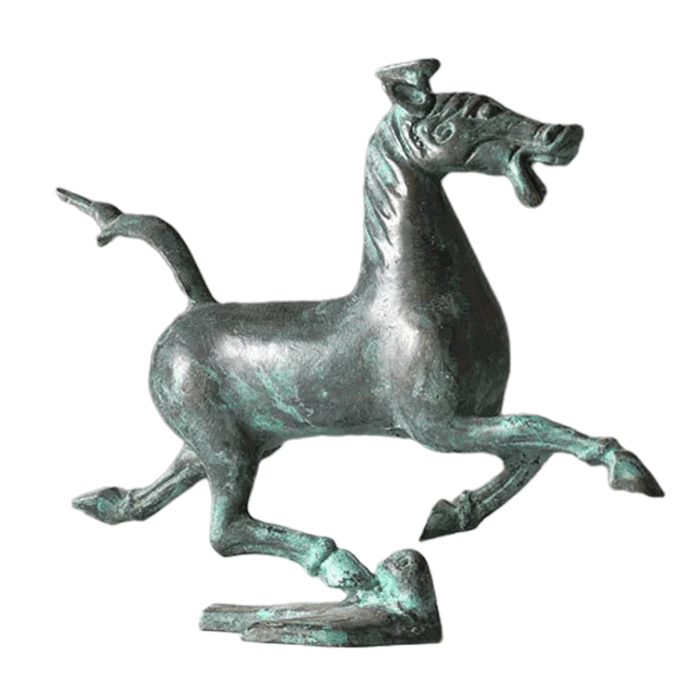
Related funerary bronzes from the same mausoleum complex, including ceremonial bells and chime sets, are discussed in more detail in our overview of bronze chariots and horses from the Qin burial tradition, which compares casting methods across different ritual bronze categories.
Purpose and Symbolism in Qin Burial Practice
The bronze chariots were not created for practical transport but as spiritual equipment, intended to carry Qin Shi Huang's soul on inspection tours of his empire in the afterlife. This reflects the broader Qin belief that the deceased ruler required a complete miniature court — soldiers, horses, officials, and vehicles — to maintain authority beyond death. The inclusion of a closed-cabin chariot specifically signals concern for comfort and protection, mirroring real court protocols where emperors traveled in curtained carriages shielded from public view.
Scholars also interpret the chariots as administrative symbols, representing the emperor's continued command over postal routes, military logistics, and regional governance. The pairing of an open escort chariot with an enclosed personal chariot echoes documented Qin travel customs, reinforcing that these bronzes were functional replicas of real imperial transport rather than purely decorative objects.
From Ancient Artifact to Modern Replica
Because the original bronze chariots are irreplaceable national treasures, institutions seeking to display comparable pieces — whether for education, exhibition, or retail — rely on commissioned reproductions. Producing an accurate replica of a Terracotta Warriors bronze chariot requires more than general metalworking skill; it demands knowledge of period-specific proportions, harness detailing, and patina color matching to replicate the weathered appearance of a 2,000-year-old excavation.
Luoyang Yichuan Bronze Craft Co., Ltd. approaches this challenge with a production facility spanning 3,000 square meters and a team of over 30 skilled craftsmen, including bronze-casting masters and finishing artisans trained in traditional lost-wax methods. This combination of scale and specialization allows the workshop to produce everything from a single custom prototype to coordinated bulk orders, with an annual output exceeding 50,000 bronze art pieces across sculptures, vessels, and ceremonial replicas.
Why Sourcing Matters for Museums and Retailers
Heritage retailers and museum gift shops sourcing bronze chariot reproductions face recurring challenges: inconsistent patina tone between batches, inaccurate scale replication, and fragile packaging that risks damage in transit. An ISO 9001-certified workshop addresses these concerns through standardized quality control, including inspection before every shipment and free replacement for casting defects. For buyers working on limited runs, a minimum order quantity starting at one piece makes it feasible to commission a single accurate display model before committing to larger production.
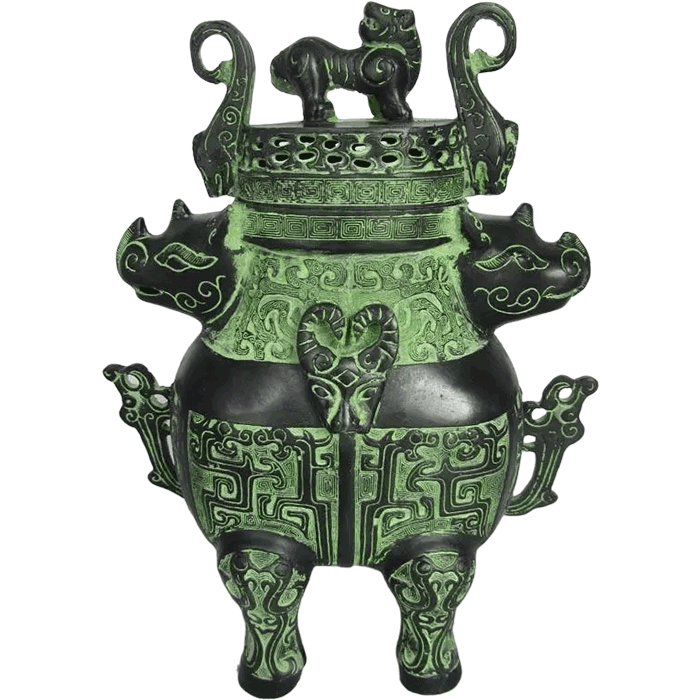
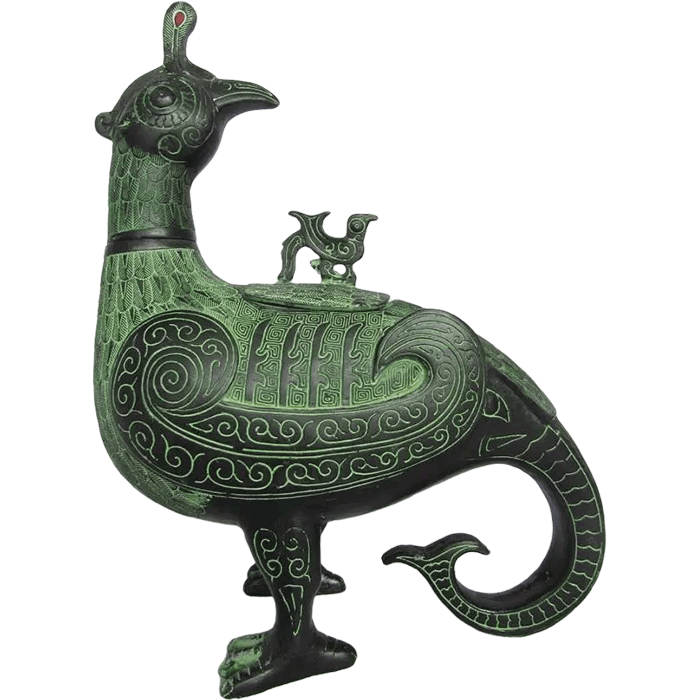
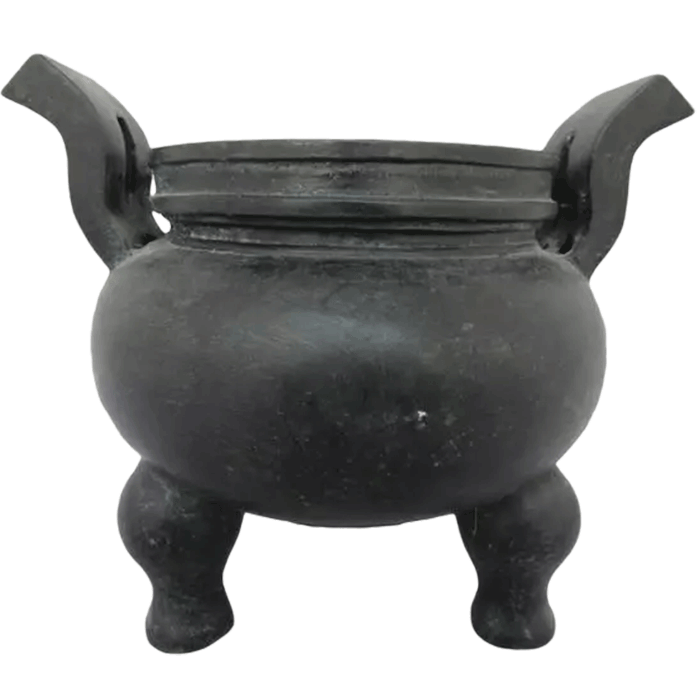
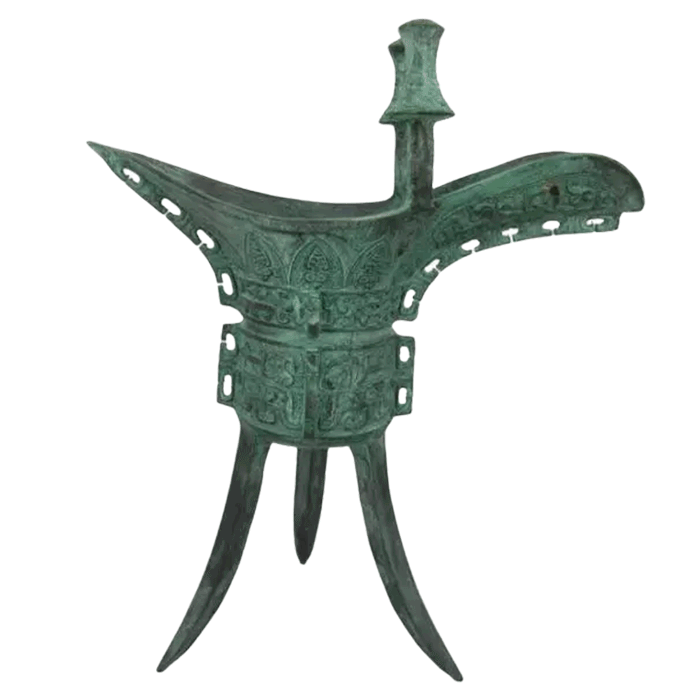
Collectors and retailers exploring related categories — including ceremonial vessels and ritual bronzes from the same historical period — may find it useful to browse chinese bronze sculpture collections, which include ding, zun, and hu vessel reproductions alongside figurative pieces.
Craftsmanship Behind Accurate Reproduction
Replicating the Terracotta Warriors bronze chariot at any scale involves several coordinated steps: sculptural modeling based on archaeological reference data, wax pattern creation, lost-wax casting in copper-tin bronze, hand chasing to restore fine surface details such as harness stitching and canopy ribbing, and finally a patina finishing stage to match either an antique excavation look or a cleaner modern presentation finish. Each stage requires craftsmen trained specifically in historical bronze replication rather than general metal fabrication, since proportions and surface textures must correspond closely to published archaeological records.
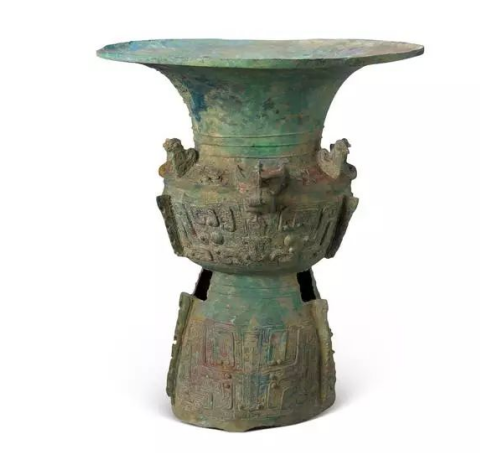
Buyers interested in commissioning a museum-quality reproduction, whether a full chariot assembly or individual horse and charioteer figures, can review the process to customize a bronze sculpture from prototype approval through final patina finishing. This process typically includes design consultation, reference-based modeling, and sample approval before bulk casting begins, ensuring the final piece matches both historical accuracy and client display requirements.
Practical Considerations for Display and Education
For universities, cultural centers, and retail galleries planning to feature a bronze chariot replica, several practical factors deserve attention beyond historical accuracy. Base stability matters for larger half-scale models, given the weight distribution of horse and canopy components. Export-compliant packaging is equally important, since cast bronze pieces with fine protruding details — reins, canopy ribs, harness buckles — are vulnerable to transit damage without reinforced crating designed specifically for fragile sculptural work.
After-sales support also plays a role in long-term display quality. Patina finishes can shift slightly under different lighting or humidity conditions over time, so workshops offering touch-up and restoration guidance help institutions maintain consistent presentation across years of exhibition. These considerations apply broadly to bronze vessels, Buddhist statues, and figurative sculpture, not only chariot replicas, which is why many retailers prefer sourcing multiple categories from a single qualified foundry rather than coordinating across several unverified suppliers.
Conclusion
The bronze chariots excavated near Qin Shi Huang's mausoleum remain one of the clearest demonstrations of ancient Chinese casting precision, combining structural engineering with ceremonial symbolism. Understanding their scale — roughly half of full size yet remarkably detailed — and their purpose as spiritual transport for the emperor's afterlife helps researchers and retailers appreciate why accurate reproduction is such a specialized undertaking. Readers wanting further context on related funerary and ceremonial bronzes can also explore how figurative traditions developed through our collection of bronze statues with different themes, spanning historical, religious, and decorative applications connected to the same casting heritage that produced the original Terracotta Warriors bronze chariot.